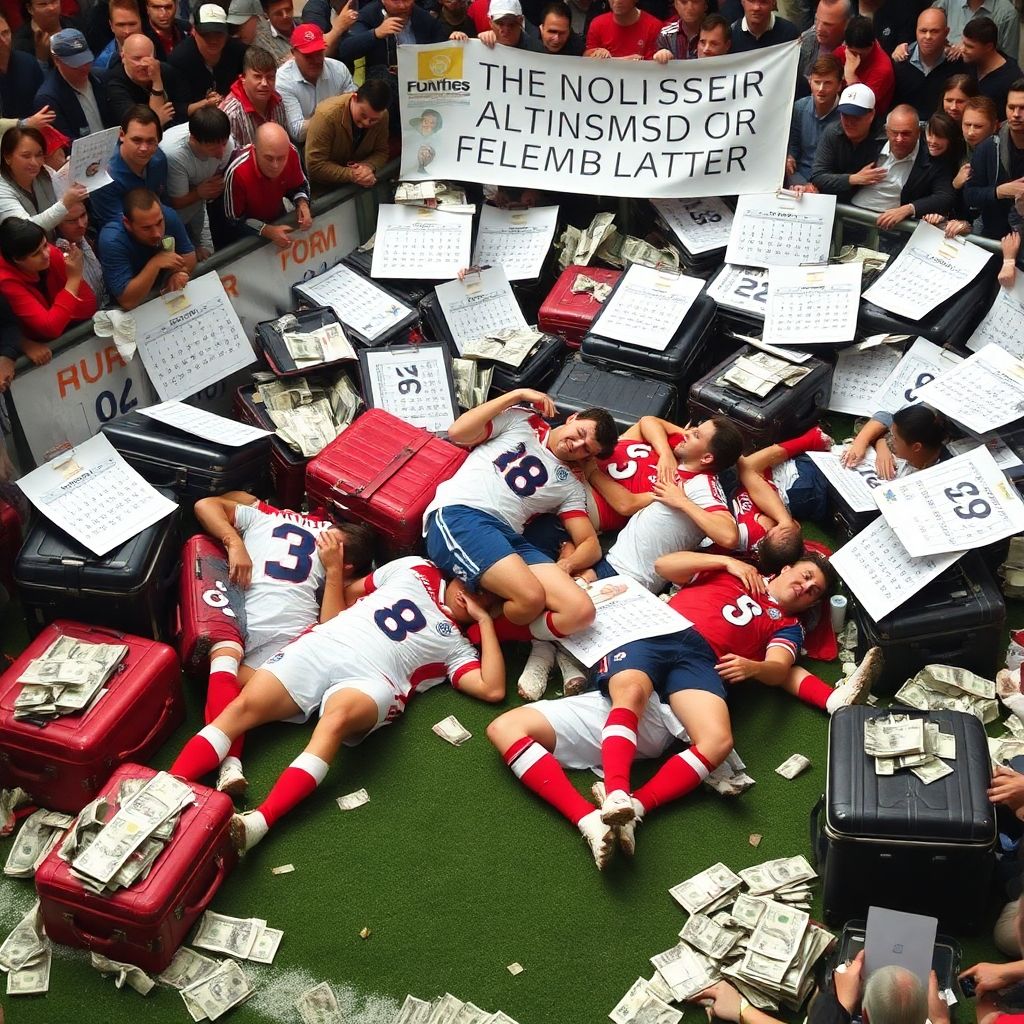
Commercial pressure in football creates impossible schedules, exotic pre-season tours and calendar saturation that slowly damage sporting quality. If organisers always choose extra fixtures over rest, then injuries, predictable games and fan fatigue follow. The solution is to set hard limits: if a new event is added, then something else must disappear.
Core consequences of commercial overreach on competition
- If fixture lists grow every season, then match intensity and tactical preparation inevitably fall.
- If clubs prioritise commercial tours over structured pre-season training, then physical and tactical readiness suffer once official competitions start.
- If broadcasters demand constant content, then kick-off times drift away from what is sensible for players and stadium fans.
- If every international window adds more travel, then national-team cohesion and player health decline.
- If calendars leave no genuine off-season, then youth development and domestic grassroots lose space and visibility.
- If fans must buy multiple products to follow their team, then loyalty turns into transactional, short-term attention.
Myths That Mask the Costs: why more events aren’t always better
The core idea is simple: commercial overreach is what happens when business decisions in football (more games, new tournaments, extra tours, fragmented TV deals) grow faster than players, coaches and fans can realistically absorb. It is not about earning money itself, but about ignoring physical, tactical and emotional limits.
A common myth says: if fans are buying entradas partidos de fútbol internacionales 2025 months in advance, then appetite is endless and we can keep adding matches. In reality, early demand usually reflects a few premium events, not a desire for constant football with no breaks. Once the novelty fades, attendances and TV audiences flatten.
Another myth states: if technology gives us the mejor plataforma para ver fútbol en streaming legal, then people will happily watch football every night. Yet even dedicated supporters in Spain have work, family and local teams to follow. When every competition claims to be must-watch, fans start skipping entire tournaments rather than single games.
A third myth: if clubs can fill stadiums on exotic pre-season tours, then those trips are a pure win. What is ignored is the opportunity cost. Time spent on long flights and commercial events replaces focused training, tactical integration of new signings and rest. Over a season, that missing preparation becomes visible in inconsistent performances and soft-tissue injuries.
How impossible schedules undermine performance and welfare
- If recovery windows shrink, then injury risk escalates. Muscles, tendons and the nervous system need time to repair. If players regularly face matches with less than optimal recovery, then cumulative fatigue leads to more injuries and shorter careers.
- If travel distances increase, then sleep and performance deteriorate. Late flights, time zones and hotel routines disrupt sleep cycles. If this becomes the norm, then players arrive at key fixtures one or two levels below their true capacity.
- If tactical preparation days are replaced by media and sponsor events, then game plans become superficial. Modern systems require rehearsed automatisms. If training weeks are fragmented, then teams rely on individual quality and suffer against well-prepared opponents.
- If mental load is ignored, then motivation collapses unexpectedly. Constant high-stakes matches, public scrutiny and social media pressure drain mental energy. If no protected downtime exists, then burnout appears disguised as loss of form or conflict in the dressing room.
- If rest periods are commercialised, then there is no true off-season. When tours, token friendlies and marketing campaigns occupy the summer, players only change shirts, not intensity. If this continues for years, then even resilient athletes regress.
- If national-team and club calendars are not coordinated, then players pay the price twice. Conflicting demands create extended seasons with minimal breaks. If neither side compromises, then key players underperform in both environments.
The lure of exotic tours: commercial gain versus sporting integrity
Exotic tours can be useful in moderation, but they easily cross the line into commercial overreach. Typical scenarios help to see where the problem starts.
- Pre-season tours replacing training camps. If a club swaps a concentrated, ball-heavy camp in Spain for a multi-country tour of Asia or the Americas, then more time goes to sponsorship appearances and hospitality than to tactical sessions and conditioning.
- Mid-season friendlies during breaks. If there is a short competition break and clubs fill it with long-distance friendlies, then players lose what the break was designed to provide: recovery and focused work on tactical corrections.
- Brand-building trips targeting new fan markets. If clubs chase shirt sales by scheduling exhibition matches in regions with little football infrastructure, then travel strain increases without clear sporting benefit, while local league games at home receive less attention.
- Tourism-focused packages for fans. If agencies sell paquetes turísticos para giras de fútbol europeas that prioritise shopping and sightseeing over match access and training observation, then the football element becomes a backdrop, not the main event, reducing the authenticity of the experience.
- International tournaments disguised as friendlies. If organisers market loosely structured friendly tournaments as prestigious trophies, then clubs feel pressured to play full-strength line-ups and reduce rotation, which defeats the idea of a lower-intensity preparation phase.
- Club versus country showcase matches. If additional showcase games are added around international windows, then players carry competitive loads when they were supposed to taper down or return gradually from national-team duty.
Calendar saturation: ripple effects across development pathways
Commercial expansion is sometimes justified by pointing to increased revenues, global visibility and new fan engagement opportunities. These benefits are real but conditional.
- If elite competitions are scheduled intelligently, then added revenue can improve facilities, coaching and fan experience across Spanish football.
- If some pre-season dates are used for tours, then clubs can pay for better analytics, medical support and academies without overburdening local fans with higher ticket prices.
- If streaming deals are structured sensibly, then fans can access a wide menu of matches through a single suscripción canales deportivos para ver todas las ligas de fútbol, instead of juggling multiple overlapping products.
- If tourism and football align, then viajes organizados para seguir a tu equipo de fútbol can strengthen supporter identity and bring extra income to host cities and clubs.
However, there are hard limits beyond which more events damage the system instead of improving it.
- If first-team calendars are saturated, then academy players receive fewer competitive minutes in meaningful contexts and their progression slows.
- If weekends and midweeks are fully booked with elite fixtures, then lower divisions and women's leagues are pushed into unattractive slots and lose media attention.
- If school holidays and family-friendly slots are reserved for global events, then local grassroots tournaments struggle to find space, weakening the base of the pyramid.
- If fans must constantly choose between overlapping matches, then long-term loyalty shifts from clubs and leagues to specific star players or highlight clips.
- If broadcasters only pay for top-tier content, then smaller clubs become more dependent on short-term transfers, eroding competitive balance in domestic competitions.
Stakeholders at odds: federations, broadcasters, players and sponsors
- Myth from federations: if we add more official competitions, then development will accelerate. Reality: if young players are overused in too many tournaments, then they arrive at senior level already fatigued and often injured.
- Myth from broadcasters: if football is always on, then audiences will always be high. Reality: if fans feel overwhelmed, then they selectively tune out, which hurts average viewership and devalues rights over time.
- Myth from clubs: if we agree to every tour and friendly, then we will grow our brand faster. Reality: if the team underperforms due to tiredness, then brand perception suffers far more than any short-term exposure gain.
- Myth from sponsors: if our logo is everywhere, then recall will be strong. Reality: if sponsorship is attached to low-quality or meaningless matches, then fans associate the brand with noise, not value.
- Myth from players: if I never say no, then I will be seen as a leader. Reality: if players never protect their rest, then they reduce the number of peak seasons they can deliver, which also harms their long-term reputation.
- Myth from fans: if I follow everything, then I am a better supporter. Reality: if following football feels like an obligation rather than a joy, then emotional connection weakens and matchdays become routine content, not lived experiences.
Practical frameworks to rebalance business pressure and game health
Useful guidelines in this area work best as conditional rules: if a decision crosses certain red lines, then it should be automatically rejected or redesigned. Below is a compact framework clubs, leagues and fans can adapt.
- If fixture volume increases, then minimum rest rules must expand. If a new competition is approved, then two concrete actions follow: remove equivalent friendly dates, and enforce minimum rest days between matches in both domestic and international calendars.
- If an exotic tour is proposed, then a performance audit goes first. If total travel hours, climate changes and commercial events exceed agreed thresholds, then the tour is either shortened, moved closer to home or replaced by a high-quality training camp.
- If broadcasting partners request additional match slots, then player-unfriendly times are off-limits. If a slot implies extreme heat, late-night finishes on working days or excessive travel turnaround, then that slot is excluded from negotiations, regardless of short-term fees.
- If a new content product is created, then access for fans must simplify, not complicate. If following a club requires more than one primary platform or subscription, then the media strategy needs consolidation instead of further fragmentation.
- If youth and women's football lose calendar space, then expansion must pause. If new tournaments squeeze out developmental and women's competitions from prime slots, then no more elite fixtures are added until balance is restored.
- If you are a fan planning the season, then decide what to skip in advance. If you buy entradas partidos de fútbol internacionales 2025 or book viajes organizados para seguir a tu equipo de fútbol, then also define which lesser competitions or friendlies you will ignore, protecting your time, money and enthusiasm.
In practice, a club or federation in Spain could use a simple pseudo-algorithm for every commercial proposal:
IF proposal adds matches OR travel
THEN
  check "rest days", "training days", "youth slots"
  IF any metric falls below agreed minimum
  THEN reject or redesign proposal
  ELSE approve with clear monitoring indicators
END IF
Persistent doubts and concise clarifications
Is more football always bad for the quality of the game?
No. If extra matches replace low-value friendlies or inefficient training time and recovery remains protected, then quality can even improve. It becomes harmful only when added fixtures push players beyond sustainable physical and mental limits.
Are exotic pre-season tours always a mistake?
Not necessarily. If tours are short, regionally focused and built around serious training with limited commercial events, then they can help globalise the club. Problems start when travel and marketing dominate the schedule.
How can fans avoid burnout with so many competitions?
If you consciously select one or two main competitions to follow fully and treat others as optional, then you protect your enthusiasm. Planning purchases and subscriptions in advance also reduces pressure to watch everything.
Do players have real power to change overloaded calendars?
Individually their influence is limited, but if players' unions negotiate clear rest standards and refuse to participate in poorly scheduled events, then organisers are forced to adapt. Collective action is more effective than isolated complaints.
Why do broadcasters keep pushing for more games if audiences are fragmenting?
Broadcasters often chase short-term content volume. If rights deals reward quantity over average audience per match, then they prefer more fixtures. Aligning contracts with quality metrics would help reduce calendar inflation.
Can smaller clubs survive without accepting every commercial offer?

Yes, but they need discipline. If smaller clubs prioritise stable partnerships, sensible tours and investment in academies, then long-term competitiveness can improve without relying on exhausting schedules.
Is there a simple rule of thumb for healthy football calendars?

One practical rule is: if a season plan does not include clearly defined rest periods and protected slots for youth and women's football, then the calendar is already overloaded, regardless of how exciting the new tournaments look.