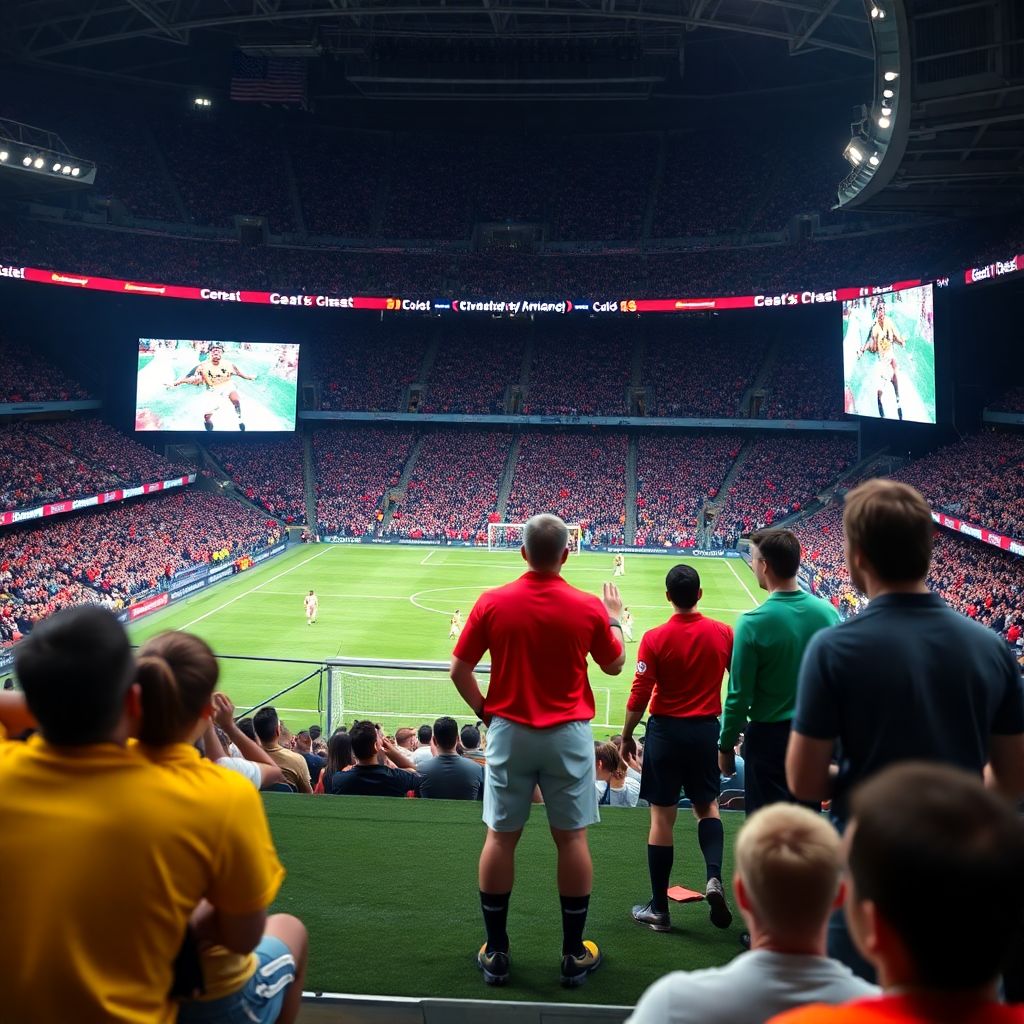
VAR is a video-based decision support system that reduces clear refereeing errors but cannot eliminate injustice in football. Technology improves evidence quality; it does not replace human judgment, competition rules, or legal safeguards around disputes. Real fairness depends on how VAR is implemented, governed, audited, and explained to teams and fans.
Foundational claims on VAR, justice and truth
- VAR increases the amount and quality of visual evidence available to referees but does not create absolute truth about incidents.
- Injustice in football comes from three layers: imperfect perception, ambiguous rules, and power or process imbalances; VAR only really tackles the first.
- How leagues design VAR protocols can either reduce or concentrate power in the hands of a small group of officials.
- Transparency, reviewability and the option of legal challenge remain essential even with advanced technology in the decision loop.
- Different implementation models involve different trade-offs between ease of deployment, costs, risks of bias and interruption of the flow of play.
How VAR works: mechanics, workflows and evidence chains
Video Assistant Referee (VAR) is a structured process where a team of off-field officials reviews broadcast and dedicated camera feeds to help the on-field referee correct clear and obvious errors in specific situations. It does not re-referee the match; it acts as a safety net for high-impact decisions.
The core VAR workflow typically follows four stages: incident occurs; VAR checks silently in the background; if a potential clear error is detected the VAR recommends a review; the referee either accepts information from the VAR room or conducts an on-field review on a pitch-side monitor before making the final decision.
Evidence chains in VAR rely on synchronized multi‑angle video, calibrated offside lines, and time‑coded clips stored for later audit. In more advanced implementations of systems VAR certificados para federaciones de fútbol, leagues define strict protocols on who can communicate what, and when, so that each piece of video evidence can be traced and re‑assessed after the match.
From an implementation perspective there is a hierarchy of complexity. At the low end, leagues can contract servicios de consultoría en tecnología VAR para ligas de fútbol to adapt existing TV feeds and simple replay tools. At the high end, full-scale infrastructures add dedicated cameras, tracking systems and custom review software tightly integrated with competition regulations.
Technological limits: what VAR cannot detect or resolve
- Subjective intent and force. VAR can show contact but cannot measure a player’s intent, level of force or psychological state. Referees still interpret whether contact is careless, reckless or excessive.
- Ambiguous or poorly written rules. When Laws of the Game or competition regulations are vague, extra slow‑motion does not magically produce a unique correct answer; it just highlights the ambiguity.
- Camera and occlusion constraints. Not all angles are available for all actions; players or officials can block the view, and some lower‑tier VAR setups lack enough cameras to be conclusive in crowded penalty areas.
- Micro events below frame or resolution. Subtle touches, grazes or off‑the‑ball holds may fall between frames or outside the resolution limits of the cameras and encoding used.
- System and human bias. VAR operators and referees remain subject to confirmation bias, pressure from prior decisions or competition context. Technology may even create overconfidence in marginal calls.
- Downstream legal and disciplinary consequences. VAR does not settle whether clubs can claim damages or appeal sanctions; that often involves abogados especialistas en justicia deportiva por decisiones del VAR and formal legal processes beyond the match itself.
Interpretation and discretion: the role of referees in contested calls
Even with perfect video, many critical moments depend on interpretation. Referees exercise discretion in how strictly they apply rules, how they value different camera angles, and how much they allow the flow of the game to influence disciplinary choices. VAR provides input, not orders.
A typical scenario is a potential penalty for handball. VAR can show arm position, distance and deflection, but the referee must still judge what is a «natural» position and whether the player gained an unfair advantage. Different competitions and eras use slightly different handball interpretations, which is why consistency remains challenging.
Another scenario is serious foul play. Slow‑motion replays may exaggerate contact, so protocols usually require referees to review incidents at real‑time speed and then in slow‑motion. The final choice between yellow and red card depends on the referee’s assessment of point of contact, speed and danger, not just what the frame shows.
Offside decisions illustrate a different kind of discretion: technology helps with line drawing, but humans still choose which frame corresponds to the «kick» moment and which body part is the reference point. Small variations here can flip tight calls, which is why many clubs invest in software profesional de análisis de jugadas y apoyo al VAR para clubes to understand patterns and prepare arguments.
In Spain and other European contexts, the training of referees increasingly includes cursos y certificaciones en arbitraje y uso del VAR para árbitros de fútbol, reinforcing not only technical skills but also ethical guidelines on when to intervene, how to communicate with VAR, and how to justify decisions publicly after controversial matches.
Transparency and procedure: protocols that shape perceived fairness
Perceived justice in VAR does not depend only on accuracy but on whether the process seems predictable, neutral and controllable. Competition rules, communication policies and post‑match review mechanisms all shape whether players, coaches and fans feel that the system is there to protect them rather than to control them.
Advantages of structured VAR protocols
- Clear lists of reviewable incidents (goals, penalties, direct red cards, mistaken identity) limit VAR intervention, keeping most of the match under on‑field control and easing implementation in smaller leagues.
- Formal communication scripts between VAR room and referee reduce confusion and make it easier to reconstruct how a decision was reached in case of later challenges.
- Centralized training and certification programs allow federations to roll out consistent standards even when technology vendors differ between stadiums.
- Post‑match review reports and published audio or video explanations, when regulations allow, help align public perception with the factual reasoning behind calls.
- Cooperation frameworks with abogados especialistas en justicia deportiva por decisiones del VAR clarify how on‑field decisions interact with subsequent disciplinary or civil procedures, lowering legal uncertainty for clubs.
Limitations and risks created by protocol choices
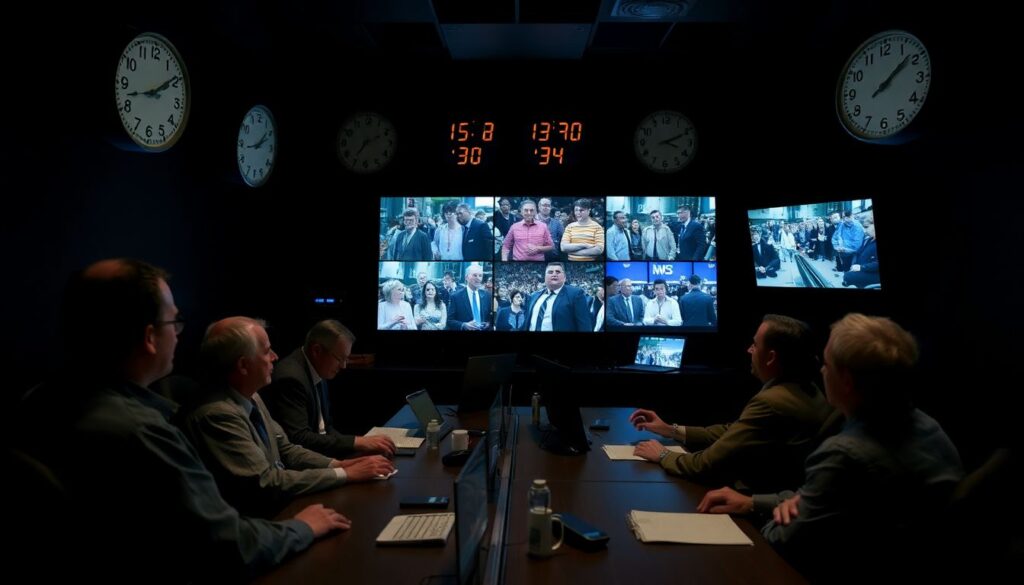
- Over‑centralized decision hubs can create bottlenecks and perceptions of bias, especially in countries where trust in institutions is fragile.
- Strict time limits on reviews protect flow of play but can force rushed judgments in complex incidents, undermining the promise of «getting it right».
- Opaque criteria for publishing VAR audio or explanations fuel conspiracy narratives and make it harder for leagues to defend referees against targeted attacks.
- Vendor‑specific requirements for implementación de sistemas VAR certificados para federaciones de fútbol can lock competitions into costly long‑term contracts, limiting flexibility to improve or experiment.
- Insufficient separation between commercial partners, leagues and refereeing bodies increases the risk of real or perceived conflicts of interest when technology is financed or operated by stakeholders in the competition.
Measuring impact: empirical studies on VAR, outcomes and public trust
Assessing whether VAR reduces injustice requires more than counting corrected errors. Analysts need to examine how decisions cluster by team, referee, competition phase and type of incident, and how patterns change after rule or protocol modifications. Without this, both defenders and critics of VAR can cherry‑pick examples.
- Myth: VAR makes football «scientifically fair». Reality: it reduces some types of clear errors while leaving others untouched and sometimes introducing new kinds of controversy around marginal, over‑analysed incidents.
- Myth: the more technology, the less bias. Reality: complex systems depend on design choices; biased camera placements, interface designs or escalation rules can amplify structural preferences for certain styles of play or clubs.
- Myth: VAR always protects smaller clubs. Reality: while video can counteract crowd and status bias in some cases, resource‑rich clubs also use better analysis tools and lobbying power, including software profesional de análisis de jugadas y apoyo al VAR para clubes, to influence interpretations over time.
- Myth: legal appeals will disappear. Reality: as technology becomes central to decisions, legal challenges often shift towards data access, protocol compliance and vendor responsibility, keeping abogados especialistas en justicia deportiva por decisiones del VAR very much in demand.
- Myth: training once is enough. Reality: ongoing cursos y certificaciones en arbitraje y uso del VAR para árbitros de fútbol are needed because rules, protocols and tools evolve, and referees must adapt to new expectations about consistency and communication.
From concept to practice: concrete reforms to reduce injustice in football
Reducing injustice through VAR is less about adding gadgets and more about combining technical robustness, clear regulations and independent oversight. The practical challenge for Spanish and European competitions is to choose among implementation models that balance cost, ease of deployment and the acceptable level of risk in each division or tournament.
One pragmatic roadmap for a federation could be summarised as follows:
- Baseline audit. Map current decision‑making errors without VAR: which incidents cause most controversy, in which competitions and stadiums, and with what financial or sporting impact.
- Technical minimum viable VAR. Start with a limited set of stadiums and competitions using a small number of additional cameras and simple replay tools, guided by servicios de consultoría en tecnología VAR para ligas de fútbol rather than immediately investing in permanent infrastructure.
- Procedural clarity. Define a competition‑specific VAR protocol: reviewable incidents, communication templates, maximum review times and public explanation policies, all aligned with national and international regulations.
- Human capital. Roll out phased cursos y certificaciones en arbitraje y uso del VAR para árbitros de fútbol, assistants and VAR operators, ensuring mixed teams (on‑field and VAR) train together to reduce miscommunication.
- Independent review body. Create a panel with refereeing experts, technologists and legal specialists to review controversial matches, recommend rule adjustments and evaluate providers of implementación de sistemas VAR certificados para federaciones de fútbol.
- Club integration. Encourage clubs to adopt software profesional de análisis de jugadas y apoyo al VAR para clubes within shared standards, so that post‑match reports use comparable data and disputes can focus on interpretation rather than access to evidence.
In pseudocode terms, fair VAR is not just «capture + replay + decide»; it is closer to:
input: incident, video_feeds, competition_rules, VAR_protocol
evidence = capture_and_sync(video_feeds)
if incident in VAR_protocol.reviewable_events:
    recommendation = VAR_room_assess(evidence, competition_rules)
    final_decision = referee_decide(recommendation, pitch_context)
    log(incident, evidence, recommendation, final_decision)
    if dispute_after_match:
        independent_body_review(log, competition_rules)
output: final_decision, documented_process
This process view makes the key point: technology can strengthen the evidence layer, but justice and truth in football depend on governance around that evidence-who controls it, who can question it, and how decisions are corrected when the system itself fails.
Operational questions and common misunderstandings about VAR
Does VAR aim to eliminate all referee errors?
No. VAR is designed to correct clear and obvious errors in a limited set of situations with high impact, not to re‑referee every action. Trying to eliminate every small mistake would slow the game and create new fairness problems.
Why do some leagues use VAR differently from others?
Leagues adapt VAR protocols to their resources, culture and legal environment. Differences in camera setups, staffing levels and competition rules explain why some countries intervene more often or publish more information about reviews.
Can teams legally challenge a VAR decision?
Match results are rarely overturned solely because of VAR errors, but clubs can use formal disciplinary and civil channels to contest sanctions or seek damages. This is where abogados especialistas en justicia deportiva por decisiones del VAR can analyse whether procedures or regulations were breached.
Is investing in VAR mainly a technical or a legal decision?
It is both. Technical choices determine accuracy and cost, while legal and regulatory design defines how decisions can be reviewed, appealed and audited. Smart leagues combine servicios de consultoría en tecnología VAR para ligas de fútbol with independent legal advice before large investments.
Why does VAR sometimes take a long time to make a decision?
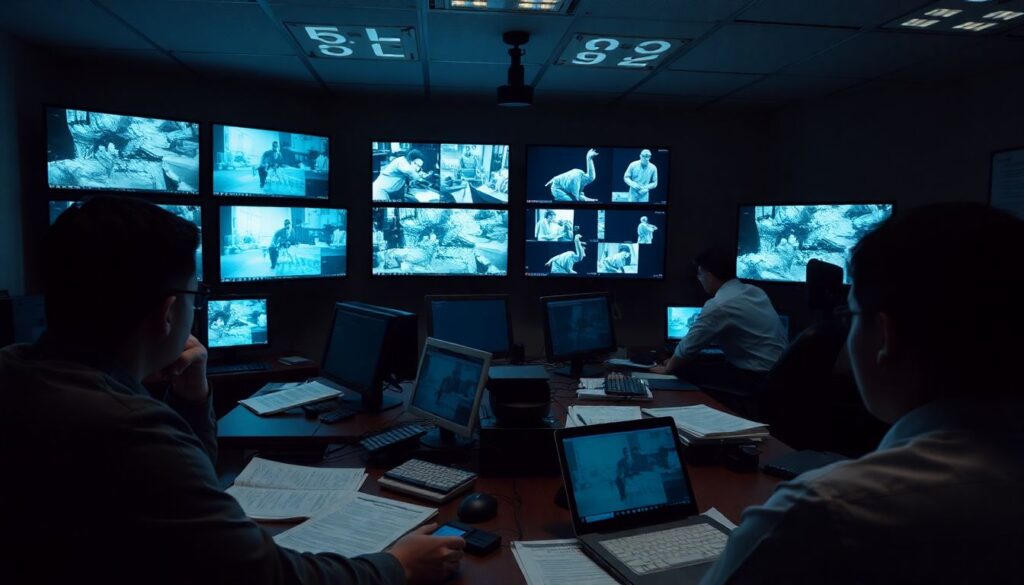
Complex incidents may require checking multiple angles, synchronising frames and debating interpretation against the protocol. Poorly designed workflows or insufficient staff can increase delays; better tools and clearer rules typically shorten review times.
Do referees become over‑reliant on VAR?
This risk exists if training and assessment focus too much on video reviews. Continuous cursos y certificaciones en arbitraje y uso del VAR para árbitros de fútbol should reinforce that the on‑field referee remains the final decision‑maker and must keep strong real‑time judgment skills.
Is VAR affordable for lower divisions?
Full elite‑level setups are expensive, but lighter models using fewer cameras, shared VAR hubs and progressive implementación de sistemas VAR certificados para federaciones de fútbol can make adoption feasible. The trade‑off is between lower cost and higher residual risk of uncorrected errors.