Women’s football and the deconstruction of stereotypes describe a cultural shift where girls and women access, play and lead football on equal terms. If clubs, schools, media and fans adjust structures, language and investment, then the change becomes irreversible: participation normalises, audiences grow and discrimination loses social legitimacy.
Essential concepts and definitions
- If we talk about women’s football, then we refer both to professional competitions and to grassroots play by girls and women in clubs, schools and community settings.
- If we mention stereotype deconstruction, then we mean questioning, unlearning and replacing biased beliefs about what women and men «should» do in sport.
- If a cultural change is irreversible, then institutional rules, daily practices and social expectations already favour equality strongly enough to resist backlash.
- If we look at Spain and Europe, then women’s football is a testing ground for broader gender equality debates in media, education and employment.
- If you manage a club, school or federation, then your policies on access, resources and communication either reinforce gender stereotypes or help dismantle them.
Historical trajectory of women’s football
Women’s football has existed for more than a century, but its visibility has been irregular due to bans, social resistance and lack of investment. In Spain and many other countries, early women’s teams were often tolerated as curiosities rather than recognised as serious sport projects.
If we define the modern era of women’s football, then we usually mean the period in which federations officially recognised women’s competitions, national teams were created and access to facilities improved. This process has been uneven, but it created a minimum institutional framework for growth.
In the Spanish context, international tournaments, rising TV coverage and more people buying fútbol femenino entradas partidos have turned women’s football from a marginal activity into a central part of the football calendar. If attendance and broadcasting stabilise season after season, then cultural legitimacy consolidates and clubs have incentives to invest.
If we look at grassroots levels, then the appearance of more escuelas de fútbol femenino para niñas and mixed academies has redefined who is «allowed» to play. What used to be seen as an exception is increasingly treated as normal, especially in urban areas and progressive school systems.
Mechanisms of gender stereotypes in sport
Gender stereotypes in sport are mental shortcuts and social rules that assign different roles and values to women and men. If these stereotypes remain unchallenged, then they translate into concrete inequalities in financing, media attention and everyday treatment of players.
- Association of football with masculinity
If football is framed as a «men’s game», then girls who want to play feel they are invading a foreign space, and parents or coaches may discourage them subtly or explicitly. - Different expectations about physicality
If people assume women are naturally less competitive or resilient, then they interpret the same behaviour (aggressiveness, leadership, ambition) as positive in boys and problematic in girls. - Hyper-focus on appearance
If media coverage prioritises looks, uniforms or private lives of female players, then their technical skills and tactical intelligence receive less attention, and fans learn to value them differently. - Economic undervaluation
If sponsors and media consider women’s football less profitable by default, then they invest less, creating a self-fulfilling prophecy: fewer resources lead to lower visibility and slower growth. - Different moral standards
If a male player’s controversial behaviour is forgiven as «competitive character» but a female player is judged more harshly, then girls receive the message that they must be «perfect» to be accepted. - Tokenism in leadership
If only one or two women appear in boards or technical teams, then their presence is treated as symbolic, and decisions continue to be taken according to old patterns.
Applied scenarios of stereotype deconstruction
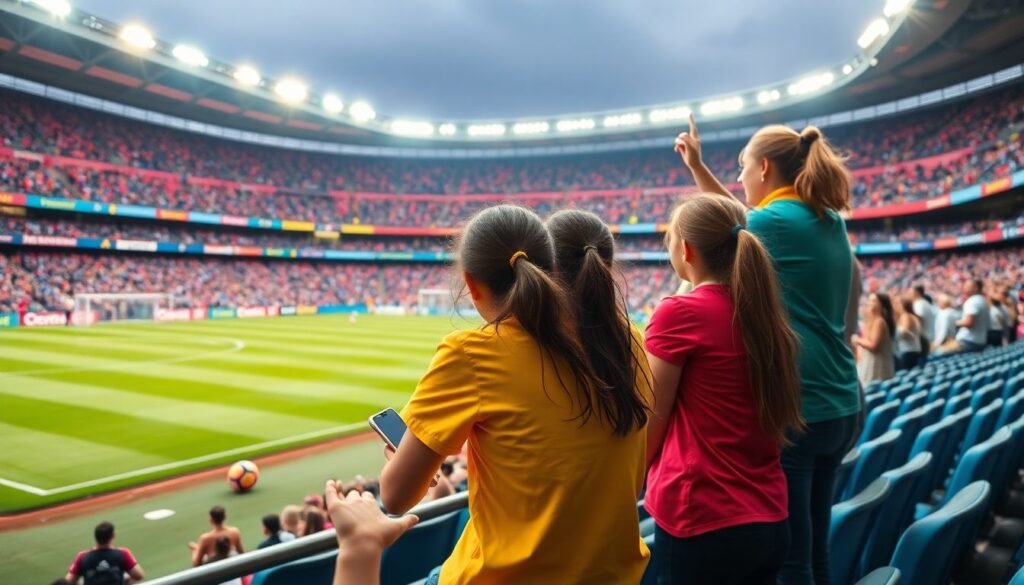
If a club in Spain notices that few girls buy season tickets or fútbol femenino entradas partidos, then it can redesign marketing images, family packages and match-time activities to explicitly include girls as fans and participants, not just as relatives of male supporters.
If a school observes that boys occupy the central football pitch during breaks, then rotating use of space, mixed tournaments and visible female role models can rebalance who feels entitled to play. Over time, pupils internalise that football belongs to all genders.
If a federation realises that TV graphics, commentary and merchandising present men’s football as the default, then equal branding, shared promotional campaigns and parallel offers of camisetas de fútbol femenino selección comprar send a strong cultural message about equal importance.
Barriers: institutional, cultural and economic
Barriers to women’s football operate simultaneously in federations, clubs, families, media and markets. If we want an irreversible cultural change, then we must identify and address each type of barrier with concrete policies and daily practices.
- Institutional frameworks and regulations
If competition calendars, promotion rules or facility allocations are designed around men’s football only, then women’s competitions receive worse time slots, fields and visibility. Aligning structures is a minimum condition for equality. - Coaching and talent development pathways
If coaching education rarely addresses gender, then coaches may reproduce biases in selection, playing time and feedback. Including specific content on women’s football and mixed environments is essential for change. - Family and community expectations
If families expect girls to prioritise study or care roles and see football as secondary or «too risky», then their support is limited. Local references and visits to escuelas de fútbol femenino para niñas can show that football and education are compatible. - Media narratives and fan culture
If commentaries or headlines frame women’s football as «slower» or «less interesting», then audiences internalise these judgments. Training for journalists and explicit editorial policies are needed to shift discourse. - Market structures and commercial logic
If sponsors, shops and online platforms do not offer equipaciones fútbol femenino personalizadas or women’s sizes for club kits, then they send a message that female fans and players are secondary. Adjusting product lines is both an economic and cultural intervention. - Gambling and digital platforms
If operators promote apuestas fútbol femenino online without parallel education on ethics, integrity and gender-sensitive communication, then new financial flows may reinforce old stereotypes instead of supporting sustainable competitions.
Success stories: policy reforms, media shifts and grassroots growth
Examples from Spain and other countries show that when institutions, media and communities act coherently, the deconstruction of stereotypes accelerates. If reforms align across levels, then progress in women’s football becomes visible, financially sustainable and socially accepted.
- Policy reforms and structural decisions – positive effects
- If federations guarantee equal access to high-quality pitches and medical staff, then performance levels rise and public discourse shifts from «they can play» to «they play well».
- If leagues coordinate men’s and women’s match calendars, then double-header events and shared marketing increase attendance and normalise joint fandom.
- If public institutions condition subsidies on gender equality plans, then clubs have clear incentives to invest in girls’ academies and women’s squads.
- Media and grassroots initiatives – positive effects
- If local media cover women’s matches with the same depth (tactical analysis, interviews, statistics) as men’s, then fans learn to appreciate technical quality instead of stereotypes.
- If community clubs create mixed training sessions for children, then boys and girls grow up seeing each other as teammates, not as «invaders» of each other’s space.
- If fan groups design and wear equipaciones fútbol femenino personalizadas for their women’s teams, then visual culture at stadiums reinforces equality.
- Limitations and risks to consider
- If reforms focus only on elite teams and ignore local clubs and schools, then change remains fragile and dependent on a few visible examples.
- If commercial strategies concentrate solely on selling camisetas de fútbol femenino selección comprar without investing in development structures, then the cultural shift becomes superficial and reversible.
- If promotion of apuestas fútbol femenino online grows faster than investment in integrity and player welfare, then financial pressures may distort priorities and public trust.
Practical strategies for clubs, coaches and educators
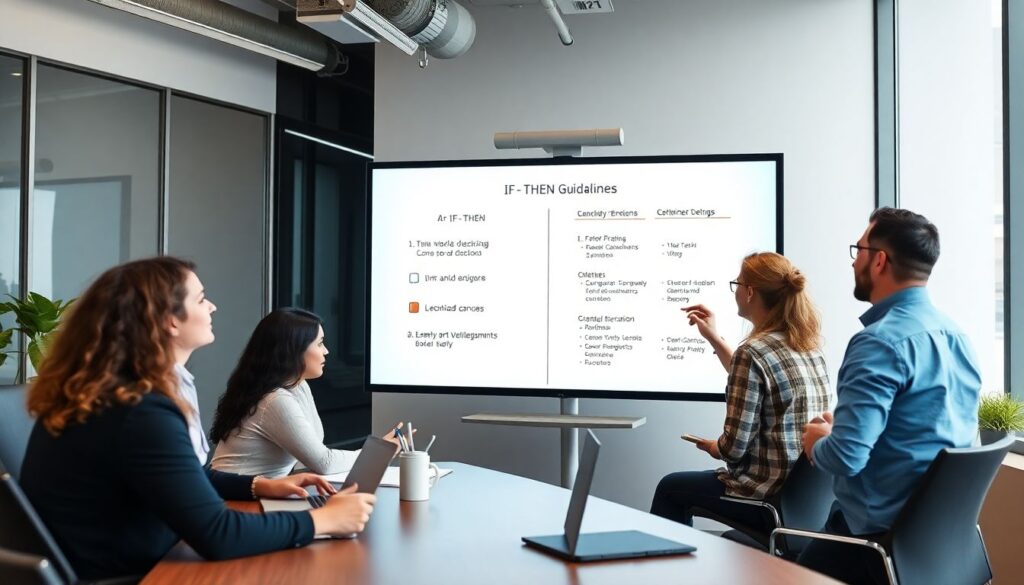
For practitioners, the key is to translate concepts into daily decisions. If clubs, coaches and educators apply clear «if…, then…» rules, then the deconstruction of stereotypes stops being abstract and becomes operational in training sessions, classrooms and board meetings.
- Recruitment and access
If your club receives few registrations from girls, then change images, language and channels in your campaigns to show girls playing and leading; collaborate with schools and local escuelas de fútbol femenino para niñas for open days. - Training methodology and feedback
If you coach mixed or female teams, then give the same tactical complexity, intensity and quality of feedback as you would to boys; adjust only for age and level, not for gender stereotypes. - Facilities and schedules
If women’s teams always train on worse pitches or at inconvenient times, then re-balance your weekly schedule so that quality slots rotate fairly between all teams, and make the criteria explicit. - Communication and storytelling
If your website and social media show mostly men’s matches, then introduce a publishing rule: for every men’s post, publish at least one about women’s or girls’ teams, highlighting performance rather than clichés. - Merchandising and fan experience
If your shop sells only men’s kits, then add women’s cuts and youth sizes, promote camisetas de fútbol femenino selección comprar and club shirts equally, and design campaigns that present female players as main references. - Education on betting and integrity
If your environment is exposed to apuestas fútbol femenino online, then include workshops on match-fixing risks, financial literacy and responsible gambling so that players and staff can recognise and reject harmful dynamics.
Measuring cultural change: metrics, indicators and case evidence
Cultural change becomes irreversible when behaviours, structures and attitudes evolve in the same direction. If we want to know whether women’s football is truly transforming gender norms, then we need simple, observable indicators that clubs, schools and federations can track over time.
If a club in Spain decides to evaluate its progress, then it can define a basic yearly checklist:
- If the proportion of girls in youth teams increases or stabilises at a healthy level, then access barriers are probably being reduced.
- If attendance at women’s matches and sales of related products such as fútbol femenino entradas partidos or women’s kits grow, then social interest is consolidating.
- If local media and the club’s own channels use non-sexist language and give regular coverage to women’s competitions, then narratives are changing.
- If more women take positions as coaches, coordinators or board members, then decision-making structures are opening up.
In a typical mini-case, a municipal club introduces mixed U10 teams, adjusts its schedule so that women’s senior matches are played in central time slots and starts offering equipaciones fútbol femenino personalizadas in its shop. After two seasons, if the number of registered girls doubles and families report positive attitudes in surveys, then we can speak of a significant cultural shift, supported by both numbers and lived experience.
Common practical questions and concise answers
How can a small local club start promoting women’s football with limited resources?
If your budget is small, then prioritise access and visibility: reserve decent training slots for girls, share facilities fairly and use your existing social media to highlight women’s teams weekly. Cooperation with nearby schools can bring new players without large costs.
What is the simplest way for schools to challenge stereotypes in playground football?
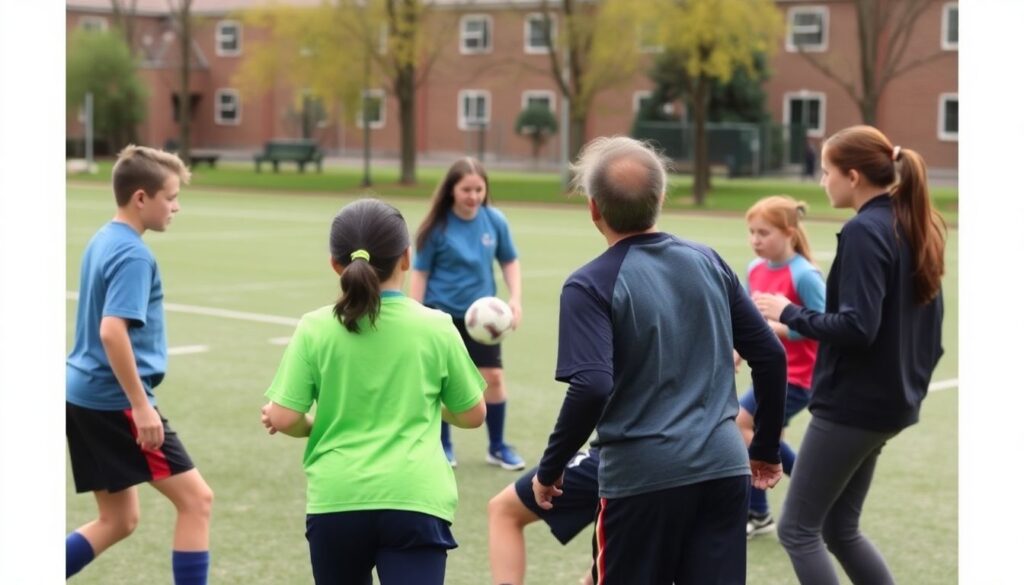
If boys dominate the football pitch during breaks, then introduce rotation systems and mixed tournaments by class or age group. Teachers should intervene early against sexist comments so that inclusive norms become the default.
How should clubs handle merchandising for women’s teams?
If your shop only sells men’s kits, then add women’s cuts, youth sizes and designs linked to your women’s squad. Promoting offers similar to national-team campaigns such as camisetas de fútbol femenino selección comprar helps normalise female players as main club icons.
Are online betting offers around women’s football always a problem?
If betting is regulated and accompanied by clear education on risks and integrity, then it can contribute to visibility and commercial value. Without safeguards and ethical guidelines, however, betting pressure can harm competitions and individual players.
What role do parents play in deconstructing stereotypes?
If parents support their daughters’ football ambitions as seriously as their sons’, then they become powerful allies against stereotypes. Their reactions to defeats, injuries or conflicts teach children whether girls’ sport is truly valued or treated as a hobby.
How can we tell if a cultural change in a club is really irreversible?
If policies, daily routines and people’s expectations all align in favour of equality for several seasons, then change is more likely to be irreversible. Frequent backsliding when leadership changes suggests that reforms were superficial.
Is it necessary to create women-only football schools to promote equality?
If mixed environments are hostile or unprepared, then women-only schools can offer safer spaces temporarily. Long term, the goal is for all clubs and schools to integrate girls naturally so that separation becomes unnecessary.