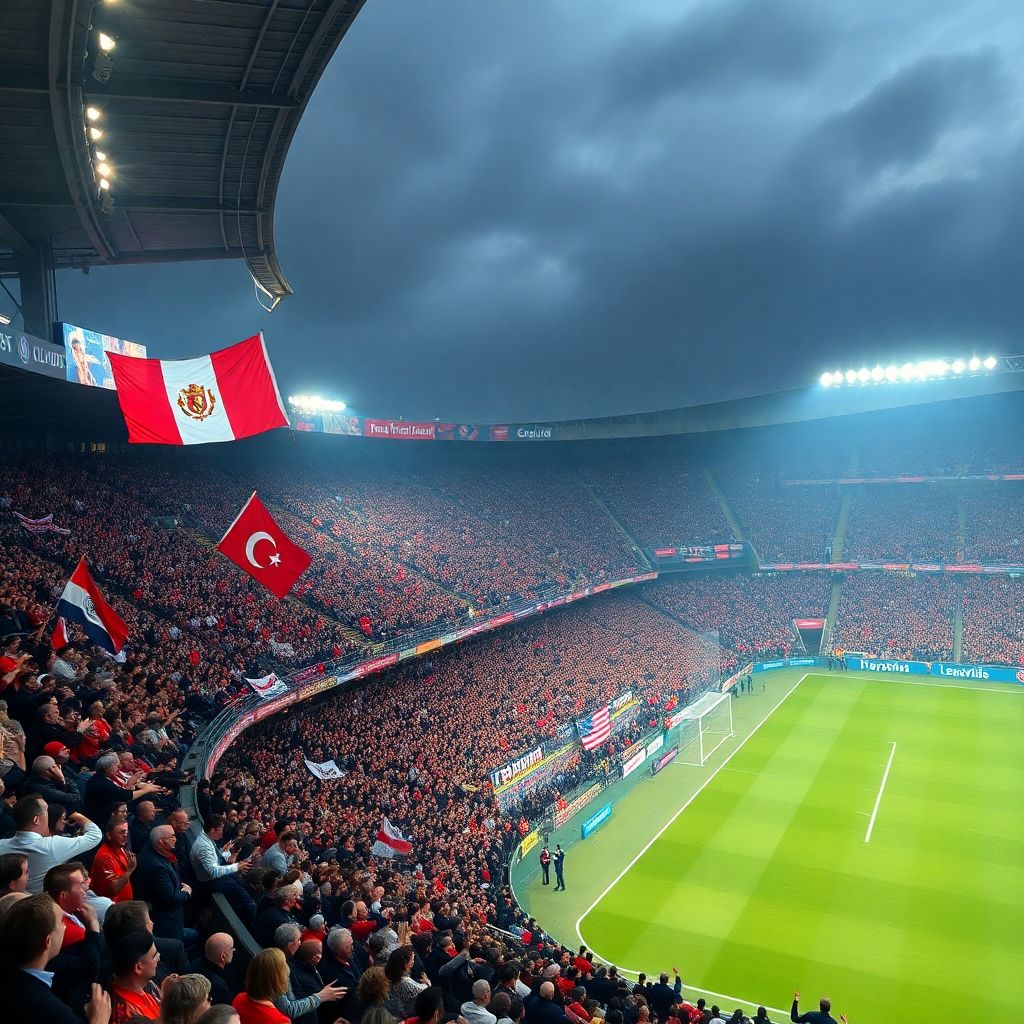
Football becomes a political instrument when actors deliberately use matches, teams or tournaments to shape public opinion, legitimacy or power relations beyond sport itself. It is not every flag or anthem in a stadium, but structured attempts to mobilise emotions, visibility and collective identity to influence concrete political agendas, decisions or conflicts.
Essential concepts that define football as a political instrument
- Football offers governments, parties and movements a massive, emotionally charged stage to project narratives and symbols.
- Political use ranges from soft nation-branding to hard propaganda and intimidation, depending on context and regime type.
- Clubs and national teams can embody territorial, class or ethnic identities that political actors try to steer.
- Media, sponsors and federations co-produce the political impact by choosing what to highlight or normalise.
- Citizens are not passive: supporters can resist, subvert or co-opt official messages through chants, banners and boycotts.
- Detecting politicisation requires tracking who benefits, what message circulates, and how it relates to ongoing power struggles.
How football is repurposed for political agendas
Politically repurposed football means that matches, competitions and club identities are strategically used to advance power goals: boosting a leader’s image, normalising a controversial policy, calming social unrest or escalating a territorial dispute. The game remains recognisably football, but its organisation, framing and communication are oriented to political returns.
In practice, this happens when authorities or movements intervene in four dimensions: selection of events (who hosts and when), symbolic framing (slogans, ceremonies, visual codes), access and control (who enters the stadium, who appears in the VIP box) and narrative after the match (what is said the result «proves»). The more coordinated these moves are, the clearer the political instrumentality.
Consider a democratic context like Spain. Local politicians may lean on football to promote cohesion in diverse cities, supporting community projects around clubs while avoiding explicit partisan branding. In contrast, authoritarian governments may turn national team success into a permanent plebiscite: every victory is portrayed as proof that the regime is strong, modern and beloved. The same 90 minutes can thus serve very different political agendas depending on who scripts the surrounding story.
A well-known historical example is the 1978 World Cup in Argentina, where the military junta used the tournament to project normality abroad and unity at home. Stadiums, ceremonies and media broadcasts were carefully designed to hide repression and highlight patriotic enthusiasm. Less dramatic but equally revealing are municipal elections where mayors time stadium inaugurations or subsidy announcements for clubs just before voting, hoping gratitude in the terraces translates into ballots.
For analysts, journalists and fans, the key is to map the chain: which political problem exists, how football is inserted into it, what actors coordinate the move, and which concrete political outcomes are pursued. This functional mapping separates routine cultural passion from deliberate, instrumentalised football politics.
Historical turning points where matches influenced state policy
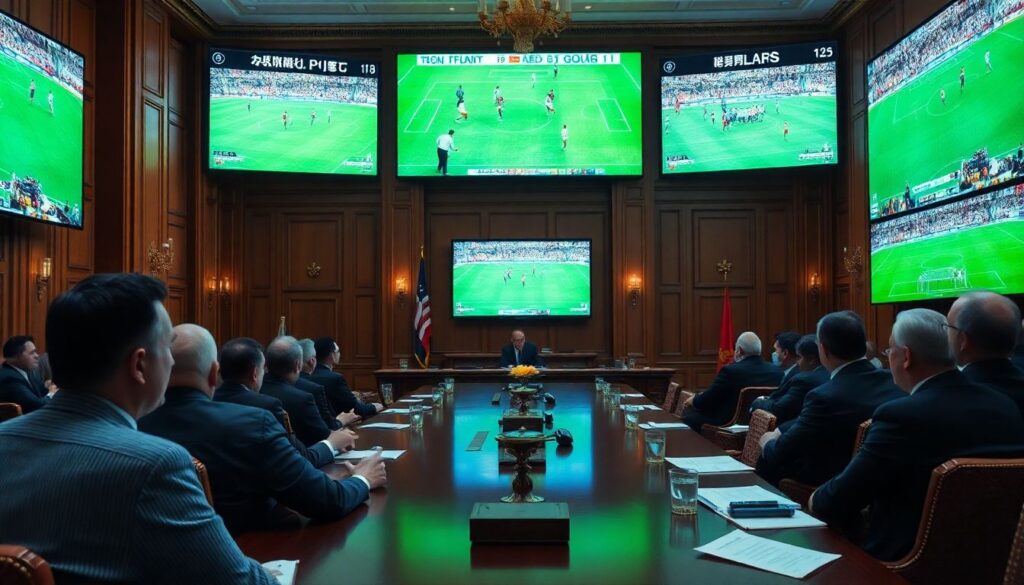
Throughout the twentieth and twenty-first centuries, particular matches have exceeded sport, nudging governments toward policy shifts, diplomatic gestures or internal crackdowns. These turning points illustrate how football, when embedded in a tense context, can tip calculations in presidential palaces, parliaments or foreign ministries.
- «Football War» between El Salvador and Honduras (1969). A series of World Cup qualifiers became the emotional catalyst for a pre-existing territorial and migration conflict. Media-fuelled hostility around the matches helped leaders on both sides justify military escalation. The war had deeper roots, but football provided the symbolic spark that made hardline choices politically sellable.
- Francoist Spain and Real Madrid’s European success. International triumphs were used in domestic and foreign propaganda to portray the regime as modern and successful. Victories did not create the dictatorship, but they helped soften its image abroad and shaped tourism and cultural policy, reinforcing a narrative of a stable, proud Spain.
- Democratic transition and the 1982 World Cup in Spain. Hosting the tournament offered the new democracy a chance to showcase institutional normalisation. Security, regional languages and symbolism were negotiated to balance unity and diversity. Decisions on policing, regional flags and ceremonies had direct implications for how the state was perceived internally and in Europe.
- England’s stadium safety reforms after Hillsborough (1989). A disaster at a football ground forced a rethinking of policing, stadium design and fan treatment. Though not a geopolitical event, it was a turning point where football tragedy reshaped public policy, civil liberties debates and the governance of mass gatherings.
- South Africa and the 2010 World Cup. The tournament anchored infrastructure, security and foreign policy decisions linked to nation branding and post-apartheid reconciliation. Government choices on spending, relocation and public messaging around the event directly affected social policy and international positioning.
- Regional identity matches in Spain. Derbies involving clubs associated with Catalan, Basque or Galician identity have, at specific moments, influenced how Madrid negotiated autonomy statutes or security responses to demonstrations. Highly televised fixtures can freeze or accelerate political talks, as leaders fear appearing weak or out of touch with stadium sentiment.
- Boycotts and diplomatic absences at international tournaments. Decisions by states to attend or skip opening ceremonies, or to pressure federations over where national teams play, have repeatedly altered diplomatic agendas and sanctions discussions, showing how a fixture list can intersect with foreign policy.
Mechanisms of influence: symbols, narratives, and crowd mobilization
The political effect of football does not emerge automatically from goals and trophies; it is produced through symbols, narratives and the behaviour of crowds. Understanding these mechanisms is essential for anyone studying or managing the overlap between football and politics in contexts like Spain, Latin America or Europe more broadly.
Symbolic coding in stadiums. Flags, colours, banners and anthems condense complex political positions into visual shorthand. A tifo featuring a map, a slogan or a historical figure can signal claims about sovereignty, social justice or resistance. Authorities may tolerate, restrict or co-opt these displays. When fans unfurl banners referencing prisoners, referendums or labour struggles, they transform the stadium into a contested symbolic space rather than a neutral entertainment venue.
Narrative framing by media and elites. Politicians, club leaders and journalists build storylines around matches: «unity of the nation», «people vs elites», «centre vs periphery». In Spain, debates on programmes, in revistas especializadas en fútbol y política suscripción and on social media all help stabilise or question these narratives. Long-form pieces, podcasts and even libros sobre fútbol y política can retroactively rewrite what a derby or a World Cup meant for a generation’s political imagination.
Crowd mobilisation and repertoire of action. Chants, marches to stadiums, boycotts of tickets or shirts, coordinated walkouts and silence minutes are tools supporters use to send political messages. Sometimes clubs or parties sponsor these actions, but often they emerge autonomously from ultra groups or community networks. The same repertoire can be used to oppose racism, defend public services or protest corruption within football governance itself.
Digital amplification. Hashtags, memes and viral clips now extend stadium politics into everyday life. A banner or chant can dominate timelines, forcing leaders to comment. Activists use this dynamic to connect football episodes to campaigns on housing, gender violence or climate, while authoritarian actors may deploy bots or orchestrated accounts to present choreographed support as spontaneous passion.
Educational and cultural circuits. Beyond live matches, political meanings circulate through documentales de fútbol y política para ver online, museum exhibitions, university modules and cursos online sobre fútbol política y sociedad. These formats distil complex conflicts into accessible narratives that shape how younger generations understand the link between football, identity and power, reinforcing or challenging official histories.
Recognising these mechanisms allows practitioners-club officials, journalists, teachers-to design interventions that reduce harm (for example, de-escalating xenophobic messaging) while preserving constructive expressions like anti-racist campaigns or historical remembrance choreographies.
Institutional actors: governments, federations, sponsors
Football becomes a structured political tool when institutions with resources and authority coordinate its use. Governments at different levels, football federations and commercial sponsors each have distinct capacities and constraints. Knowing their incentives helps predict when a match will be kept «just sport» and when it will be loaded with political meaning.
Governments and public authorities – advantages.
- Control over public funding and infrastructure, allowing them to reward or pressure clubs through stadium deals, security deployment or youth programme support.
- Access to national and regional media to link sporting events with public policy narratives (for example, associating an anti-obesity campaign with grassroots football).
- Diplomatic channels to transform international fixtures into instruments of soft power, reconciliation or signalling.
- Capacity to sponsor or facilitate conferencias y seminarios sobre fútbol y poder político entradas, building expert communities around preferred interpretations of football’s social role.
Governments and public authorities – limitations.
- Risk of backlash if fans perceive political appropriation as opportunistic, especially in democracies with strong civil society.
- Legal and constitutional limits on censorship or discrimination when trying to curb certain stadium messages.
- Exposure to corruption scandals when public money flows into opaque club finances or mega-events.
Federations and leagues – advantages.
- Regulatory power over competition formats, sanctions and venues, allowing them to influence where and how politically sensitive matches are played.
- Authority to set codes of conduct on racism, sexism or extremist symbols, giving them a lever over stadium discourse.
- Ability to partner with educational initiatives, from fan projects to cursos online sobre fútbol política y sociedad, promoting specific values such as fair play or inclusion.
Federations and leagues – limitations.
- Dependence on member clubs and national associations, which may resist rules perceived as interfering in «local» traditions or politics.
- Vulnerability to political pressure and legal challenges when decisions have territorial or nationalist implications.
Sponsors and broadcasters – advantages.
- Economic leverage through contracts, enabling them to promote diversity campaigns or avoid association with regimes that damage brand reputation.
- Editorial influence on how tournaments are presented, choosing which stories, ceremonies or historical references to spotlight.
- Financial support for cultural content-such as documentales de fútbol y política para ver online or themed series-that aligns with corporate social responsibility agendas.
Sponsors and broadcasters – limitations.
- Exposure to consumer boycotts if perceived as hypocritical (promoting equality messages while sponsoring abusive structures).
- Contractual obligations with leagues and states that restrict their capacity to withdraw from politically controversial events quickly.
Between these actors, there is continuous negotiation. Outcomes depend on local context: in Spain, autonomous communities, city councils and national institutions often overlap in their influence, while EU regulations and global sponsors add further layers.
Consequences: legitimacy, polarization, and international fallout
The political use of football produces consequences that extend far beyond league tables. It can confer legitimacy on leaders, deepen or ease social polarisation, and affect international reputations. Misreading these effects leads to persistent errors and myths among commentators, officials and even academics.
Recurrent mistakes in analysing consequences
- Assuming automatic «unity». Officials often expect tournaments to unite «the whole country». In reality, unity is selective: some groups feel included while others feel erased. Ignoring minority or regional identities can turn supposed unifying spectacles into flashpoints for protest.
- Overestimating the durability of legitimacy boosts. Leaders who appear in dressing rooms or lifts trophies may enjoy a brief popularity spike, but this rarely compensates for economic crisis or governance failures. Believing that football success can «cover everything» produces complacency and later disillusionment.
- Ignoring polarisation inside fan bases. Clubs are not monolithic. Attempts to align a team with a party or government may fracture supporter groups, leading to internal boycotts, split choreographies or the creation of rival clubs. Treating «the fans» as a single actor hides these risks.
- Confusing visibility with support. Authoritarian regimes may showcase packed stadiums as proof of love for the system. However, attendance can reflect lack of alternatives, fear or pure passion for the sport, not endorsement of the government. Analysts must distinguish between performative loyalty and genuine consent.
- Underestimating international reputational costs. Hosting mega-events can backfire if human rights issues, corruption or environmental damage dominate coverage. International audiences increasingly learn about politics through sport pages, documentary films and revistas especializadas en fútbol y política suscripción, which scrutinise staging states more critically.
Common myths about football and politics
- «Politics ruins football, so they should never mix.» In reality, football has always been intertwined with politics-urban policy, labour rights, identity struggles. The issue is not presence or absence, but whether the interaction empowers citizens or entrenches abuses of power.
- «Football can single-handedly bring peace.» Symbolic gestures, joint teams or high-profile matches can support peace processes, but they cannot replace negotiations, institutional reforms and justice. Overloading football with peace expectations sets it up for failure and instrumentalisation.
- «Fans are easily manipulated masses.» Supporters interpret, resist and remix official messages. From anti-fascist terraces to anti-corruption chants, fans often use football spaces to contest power rather than simply absorb state propaganda.
Assessing impact: indicators and methods for measuring political use

To move beyond intuition, the political instrumentalisation of football must be assessed with clear indicators and methods. Analysts, journalists and advanced fans in Spain can combine qualitative and quantitative tools to evaluate whether a match, campaign or tournament is genuinely shifting power relations or merely producing noise.
Key indicators to track
- Actor involvement: frequency and prominence of appearances by politicians, parties or state symbols around the event, including speeches, social media and presence in VIP areas.
- Policy linkages: explicit connections between football discourse and specific laws, spending decisions or diplomatic moves.
- Media framing: how news outlets, talk shows and specialised magazines describe the event (as entertainment, national test, identity conflict, etc.).
- Fan responses: chants, banners, boycotts or online campaigns that endorse, reject or reinterpret official narratives.
- International echo: reactions from foreign governments, NGOs and global media, especially when tournaments intersect with sanctions or human rights debates.
Basic step-by-step approach
- Define the political hypothesis. For example: «The regional government is using this cup final to normalise its independence agenda.»
- Collect data before, during and after. Archive speeches, match broadcasts, social media posts, stadium choreography, policy announcements and diplomatic statements.
- Code events and messages. Categorise content by themes (unity, resistance, nationalism, social justice) and by sender (government, opposition, fan groups, sponsors).
- Compare with non-football baselines. Check whether similar messages appear with equal intensity in other arenas (parliament, education, street protests). A spike around football dates suggests instrumentalisation.
- Evaluate outcomes. Look for concrete shifts: poll changes, altered negotiation stances, new alliances, or cancelled/approved projects.
Mini-case: local elections and a new stadium
Imagine a Spanish city where elections are six months away and a long-delayed stadium renovation suddenly accelerates. You could:
- List all mayoral appearances related to the club in that period and analyse their messages.
- Track whether municipal spending or debt rules were bent to prioritise the project.
- Monitor supporter forums and local media to see if gratitude or anger dominate.
- Check election results in neighbourhoods with high supporter density compared to others.
This grounded approach avoids both naïve denial of politicisation and conspiracy thinking. It also connects with the growing ecosystem of training, from academic seminars to conferencias y seminarios sobre fútbol y poder político entradas and more accessible libros sobre fútbol y política, helping practitioners refine their analytical tools over time.
Quick checklist of signs football is being used for power
- Politicians or parties appear unusually often in football settings, linking themselves directly to results or club decisions.
- Matches are framed as tests of loyalty, national unity or ideological correctness, rather than as sport.
- Public funds or legal exceptions flow disproportionately to football projects close to key political dates.
- Fan expressions (chants, banners, boycotts) explicitly reference current political conflicts or leaders.
- International coverage discusses a tournament more for political controversies than for tactical or athletic aspects.
Practical clarifications and common dilemmas about sport-politics entanglement
Does every display of a flag or anthem in a stadium mean football is being politicised?
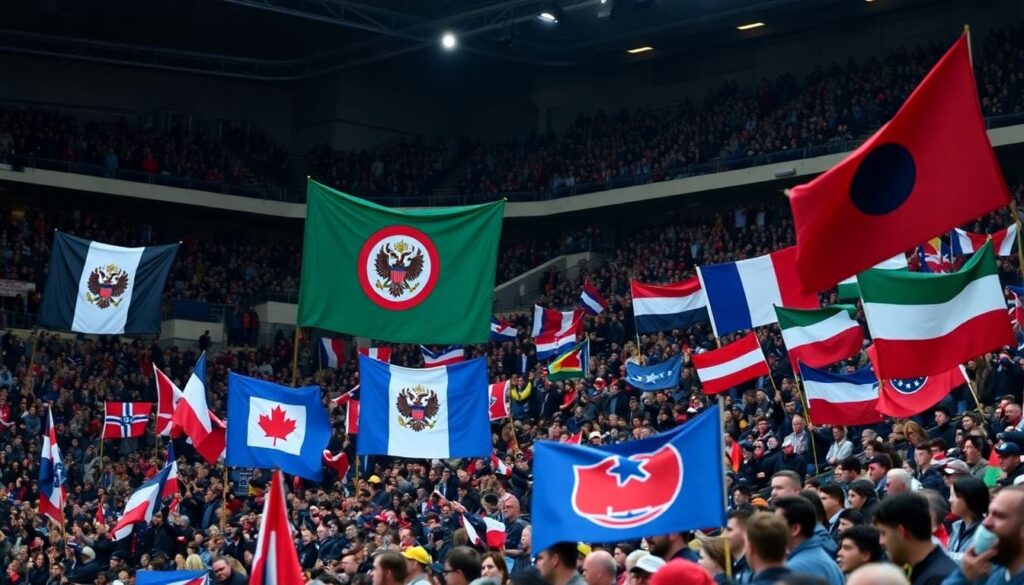
No. Some symbols are part of routine sporting ritual. Politicisation begins when actors intentionally link those symbols to specific policies, conflicts or leaders, or when they suppress alternative identities to enforce a particular narrative.
Can fans keep politics completely out of football if they want to?
They can reduce explicit partisan content in stands, but they cannot erase the political context of funding, policing or broadcasting. Choosing «no politics here» is itself a political stance about what is acceptable in public space.
Are football-based peace initiatives actually effective?
They can open channels of communication, humanise adversaries and create media-friendly moments that support wider peace processes. On their own, however, they rarely resolve structural grievances, so they should complement-not replace-serious negotiation and reform.
How can I study football and politics seriously without being an academic?
Start by systematically observing one club or competition, keeping notes on political references, fan actions and media framing. Combine this with accessible resources such as libros sobre fútbol y política, high-quality documentaries and public lectures or cursos online sobre fútbol política y sociedad.
Is sponsorship a neutral commercial activity or a form of political influence?
Sponsorship is rarely neutral. Sponsors decide which values and regimes they associate with, and their money can legitimise or challenge political actors. Fans can pressure sponsors to withdraw from abusive contexts, turning commercial relationships into leverage for change.
What role do specialised media play in connecting football and politics?
Dedicated outlets and revistas especializadas en fútbol y política suscripción investigate stories that mainstream sports pages ignore, from labour issues to nationalism. They help create informed debate and supply evidence for campaigns, policy proposals and academic work.
How can clubs manage political tensions without alienating their diverse fan bases?
Clubs should establish clear, transparent principles (for example, against discrimination and violence), apply them consistently, and open structured dialogue with supporter groups. Recognising plural identities while enforcing basic rights helps reduce escalation.