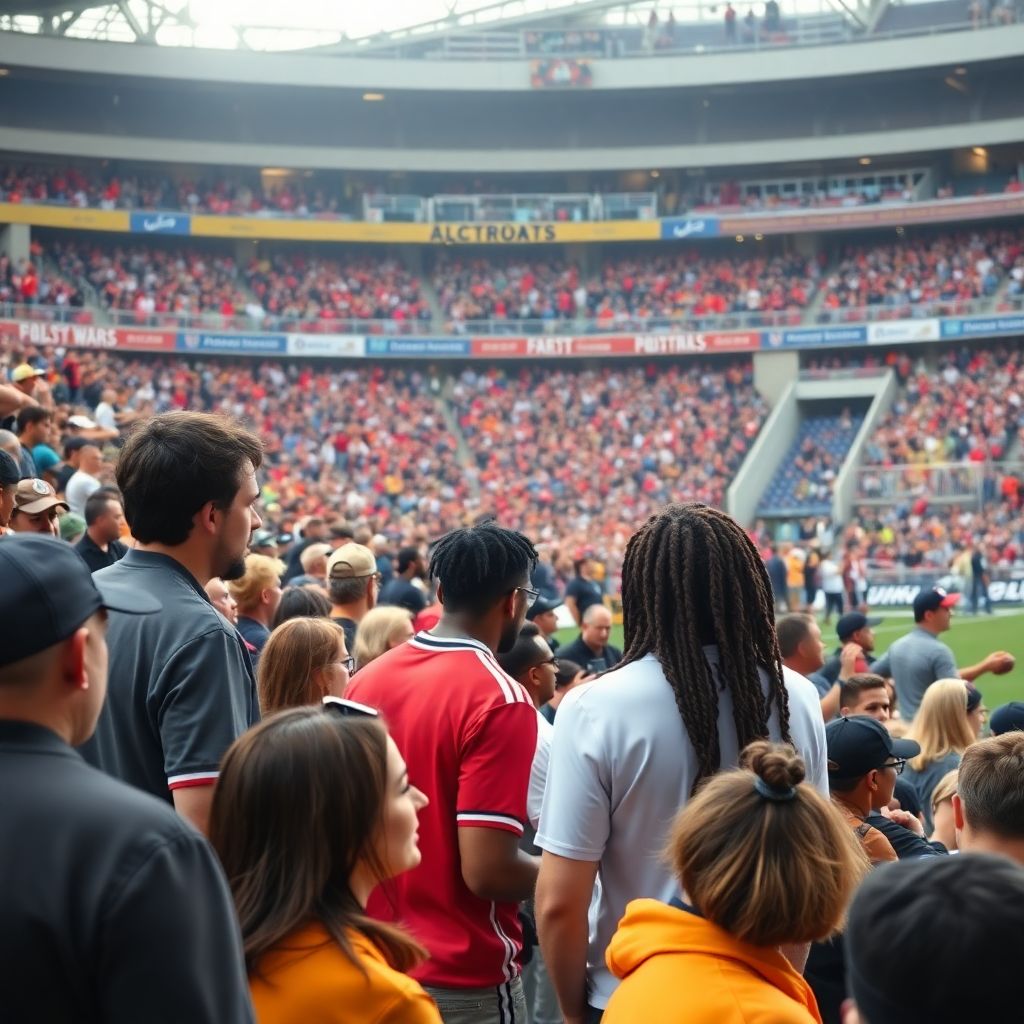
Football as a social laboratory means using what happens on and around the pitch to study class, race and gender in everyday life. Clubs, fan cultures and media act as micro-societies where power, discrimination and resistance are visible, allowing researchers and practitioners to test ideas and design concrete interventions.
Essential concepts: football as a social laboratory
- Football is a structured social space where class, race and gender relations are concentrated and visible.
- Stadiums, training grounds and fan communities reproduce wider inequalities, but also make resistance and solidarity observable.
- Policies on access, talent identification and pay help reveal class divisions inside the sport.
- Racialised and gendered stereotypes appear in commentary, scouting reports and media narratives.
- Football organisations can be used to pilot anti-discrimination policies and educational programmes.
- Systematic observation, interviews and data analysis turn football into a genuine sociological field site.
Historical roots: class divisions and access to football
Historically, football emerged in Europe as a sport marked by class divisions: elite schools and private clubs on one side, working-class street games and factory teams on the other. This dual origin still shapes who plays, who coaches and who manages clubs, especially in Spain.
Access refers to who can enter quality pitches, academies, coaching careers and boardrooms. Barriers include membership fees, geographic distance, informal networks and cultural expectations. In many cities, grassroots teams work as low-cost gateways, while professional academies filter talent using criteria that often align with middle-class norms.
In a sociological approach, football functions as a laboratory when we compare, for instance, public neighbourhood pitches with private club facilities: differences in equipment, coaching qualifications, injury support and parental involvement show how class position structures sporting experience and opportunity.
For students starting with cursos online sociología del fútbol y sociedad, it is useful to map local clubs by fee level, pitch quality and travel time from lower-income districts. This simple exercise visualises how class shapes the pathways from informal play to professional or semi-professional participation.
Race and representation: teams, fandom and national narratives
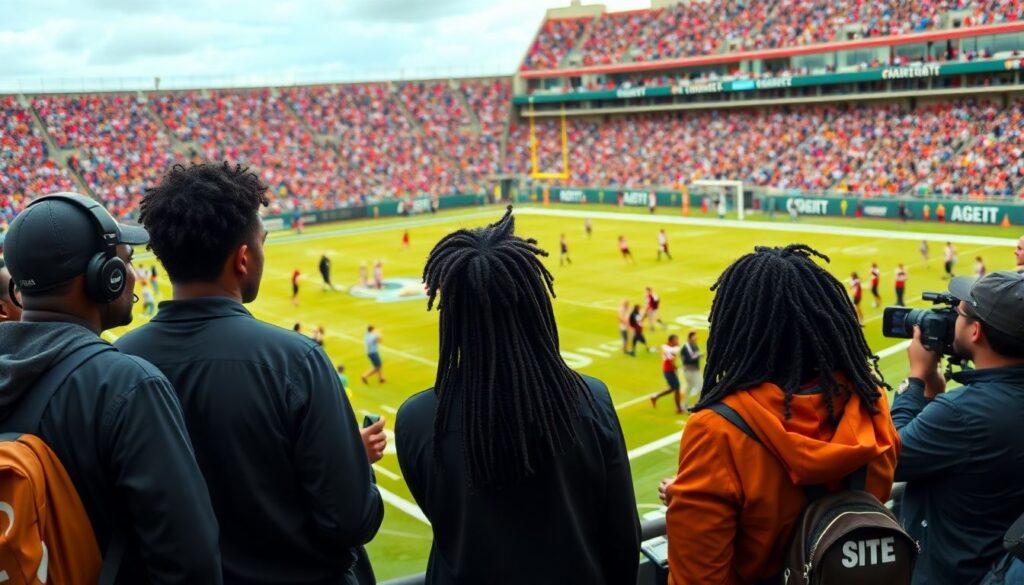
Race in football is less about biology and more about social meanings attached to skin colour, migration background and religion. Representation covers who appears as player, coach, director, fan or media expert, and how they are framed in public discourse. Several mechanisms make football a powerful racialised mirror of society.
- Selection and scouting biases: Stereotypes about physicality, discipline or temperament shape which racialised players are chosen for particular positions or dropped from academies.
- Media framing and commentary: Commentators may emphasise discipline and intelligence for white players but physical strength or instinct for Black or migrant players, reinforcing racial hierarchies.
- Fan cultures and chants: Stadiums can both normalise racist language and, through sanctions and fan activism, become spaces where such behaviour is publicly challenged.
- National team symbolism: Debates around who is «really» part of the nation become visible when racialised players represent the country, affecting their treatment in victory and defeat.
- Institutional responses: Leagues, federations and clubs design anti-racism campaigns, which can be superficial branding or deep organisational change depending on monitoring and enforcement.
- Transnational labour markets: Player migration flows from the Global South to European leagues expose economic inequalities and raise questions about exploitation and mobility.
For intermediate learners or practitioners, combining academic texts with documentales sobre racismo y machismo en el fútbol offers concrete, emotionally engaging material. Analysing commentary, fan reactions and club statements in these documentaries helps to identify patterns that may otherwise feel «normal» inside the stadium.
Gender on the pitch: inclusion, obstacles and governance
Gender in football refers not only to women’s participation, but to how norms of masculinity and femininity structure the sport. Inclusion involves access to play, coaching, refereeing and leadership, while governance covers rules, organisational cultures and formal equality policies. Typical scenarios show how football functions as a gendered social test field.
- Women’s grassroots leagues in Spanish cities: Limited pitch hours, late-night slots and low media coverage reveal how institutional priorities are still male-focused, even when participation grows.
- Mixed-gender youth teams: Decisions about age cut-offs, changing-room arrangements and coaching language create daily tests of gender inclusion or exclusion.
- Professional women’s leagues: Struggles for contracts, social security and maternity protection turn clubs into arenas where labour rights for women are negotiated in real time.
- LGBTQ+ visibility among players and fans: Chants, banners and club statements reveal whether football spaces are safe for diverse sexualities and gender identities.
- Governance bodies and federations: The gender composition of boards, disciplinary panels and referee committees shows whose interests and experiences shape rules.
- Academic and professional training: Programmes like a máster género y deporte sociología del fútbol in a Spanish university can train staff to transform club cultures rather than only comply minimally with regulations.
Everyday arenas: street football, academies and social mobility
Street pitches, school grounds and small neighbourhood clubs are everyday arenas where children and adults negotiate conflict, cooperation and leadership. Academies promise social mobility, but they also select and exclude. Looking closely at these micro-spaces shows how football can both open and close doors for different social groups.
- Strengths of football as a mobility channel
- Provides structured routines, mentorship and networks that can support education and employment beyond sport.
- Offers recognised pathways (club ladders, scholarship schemes) that make future opportunities visible for young people.
- Creates mixed-class interactions when elite clubs recruit in working-class areas, potentially broadening horizons.
- Gives migrants and racialised youth a high-status role in local communities when they excel on the pitch.
- Limitations and risks in everyday football spaces
- Very few players reach professional level; expectations of upward mobility can become a source of frustration.
- Academies may prioritise results over education, leaving young players without alternative qualifications.
- Informal recruitment through personal contacts can reproduce class and ethnic privilege.
- Sexist or racist cultures on street pitches and in changing rooms can normalise discrimination instead of challenging it.
Commercial forces and media: how markets reshape identities
Commercialisation transforms football clubs into global brands and players into marketable assets. Media platforms amplify certain identities and silence others. Several common errors and myths appear when people analyse these processes without a sociological lens.
- Myth of pure meritocracy: Assuming that market success proves individual merit and effort, ignoring structural barriers linked to class, race or gender in early development stages.
- Confusing branding with inclusion: Believing that marketing campaigns with diverse faces automatically mean deep organisational change in hiring or governance practices.
- Overlooking media gatekeepers: Ignoring who owns TV channels, newspapers and platforms, and how their interests shape which stories about racism or sexism get told.
- Reducing fans to passive consumers: Forgetting that supporters organise, protest and negotiate, not just buy tickets and shirts, and thus play an active role in identity politics.
- Ignoring Spanish and local specificities: Applying Anglo-American models of commercialisation to LaLiga or Spanish grassroots clubs without considering different legal, cultural and linguistic contexts.
- Underestimating educational media: Neglecting the impact of libros sobre fútbol, clase social y racismo recomendados in fan clubs, schools or coaches’ courses as tools to question dominant media narratives.
Evaluating change: interventions, metrics and measurable impact

To treat football as a serious social laboratory, practitioners must design and evaluate interventions, not just express good intentions. Interventions can target fan behaviour, club governance, coaching practices or media coverage. Measuring impact requires clear indicators, baseline data and follow-up at realistic intervals.
Consider a Spanish club that wants to reduce racist and sexist abuse in its stadium. A basic intervention sequence could look like this:
- Conduct anonymous surveys among season-ticket holders about racist and sexist language they hear during matches.
- Develop educational materials, including short videos and curated documentales sobre racismo y machismo en el fútbol, to be shown before games and in schools.
- Train stewards and security staff to identify and report abusive behaviour, with clear sanction procedures.
- Repeat the survey after one season and compare results, adjusting measures where change is limited.
For more ambitious projects, partnerships with universities that offer cursos online sociología del fútbol y sociedad or a máster género y deporte sociología del fútbol can provide methodological support. Joint research can turn local initiatives into case studies, feeding evidence into conferencias y seminarios sobre fútbol como fenómeno social and policy discussions.
Fast-track practical guidance for educators and club staff
- Start each season with a short workshop on class, race and gender, using local examples from your own club or barrio.
- Adopt a clear code of conduct that specifies unacceptable language and behaviours, and communicate it in simple terms to players and families.
- Audit who uses your pitches by time of day and cost; reserve accessible slots for girls’ teams and low-income groups.
- Integrate one film night per term with documentales sobre racismo y machismo en el fútbol, followed by structured discussion.
- Build a small reading corner in the clubhouse with a selection of libros sobre fútbol, clase social y racismo recomendados, including titles in Spanish.
- Encourage coaches to attend at least one of the many conferencias y seminarios sobre fútbol como fenómeno social each year and share key lessons with the club.
Practical practitioner queries and concise clarifications
How can a small neighbourhood club in Spain begin working on football as a social laboratory?
Start with simple mapping: who plays, who coaches and who watches. Collect basic information on class, gender and migration background, then identify which groups are missing. Use this to design targeted outreach, code-of-conduct updates and collaborations with local schools or associations.
What types of educational resources are most effective for intermediate-level learners?
A balanced mix works best: academic chapters in Spanish, documentales sobre racismo y machismo en el fútbol for visual impact, and short policy briefs. Cursos online sociología del fútbol y sociedad can provide structure, while local case studies make theory feel directly relevant.
How do I persuade club leadership that gender equality is more than a legal obligation?
Present gender equality as a performance and reputation issue: inclusive clubs attract more players, sponsors and community support. Use examples from Spanish clubs and data on participation trends, and suggest that board members attend a session from a máster género y deporte sociología del fútbol or similar training.
Is it realistic to expect football to improve social mobility for working-class youth?
Football can support mobility indirectly through networks, discipline and educational pathways, but professional careers are rare. Frame the club as a place to develop broader skills and relationships, not only as a route to stardom, and monitor school outcomes as well as sporting results.
How can fan groups contribute positively to anti-racism and anti-sexism work?
Fan groups can self-regulate chants, create banners with inclusive messages and organise reading circles using libros sobre fútbol, clase social y racismo recomendados. They can also pressure clubs and federations to enforce sanctions and publicly support anti-discrimination policies.
What role do academic events play for practitioners already working in clubs?
Conferencias y seminarios sobre fútbol como fenómeno social help practitioners compare experiences, access new research and build alliances. Attending even one event per year can provide fresh ideas for club policies and open doors to collaborative evaluation projects.
How should I choose relevant books and courses without getting lost?
Prioritise resources that combine theory with Spanish or European case studies. Look for cursos online sociología del fútbol y sociedad offered by reputable universities, and for curated lists of libros sobre fútbol, clase social y racismo recomendados created by researchers or established NGOs.