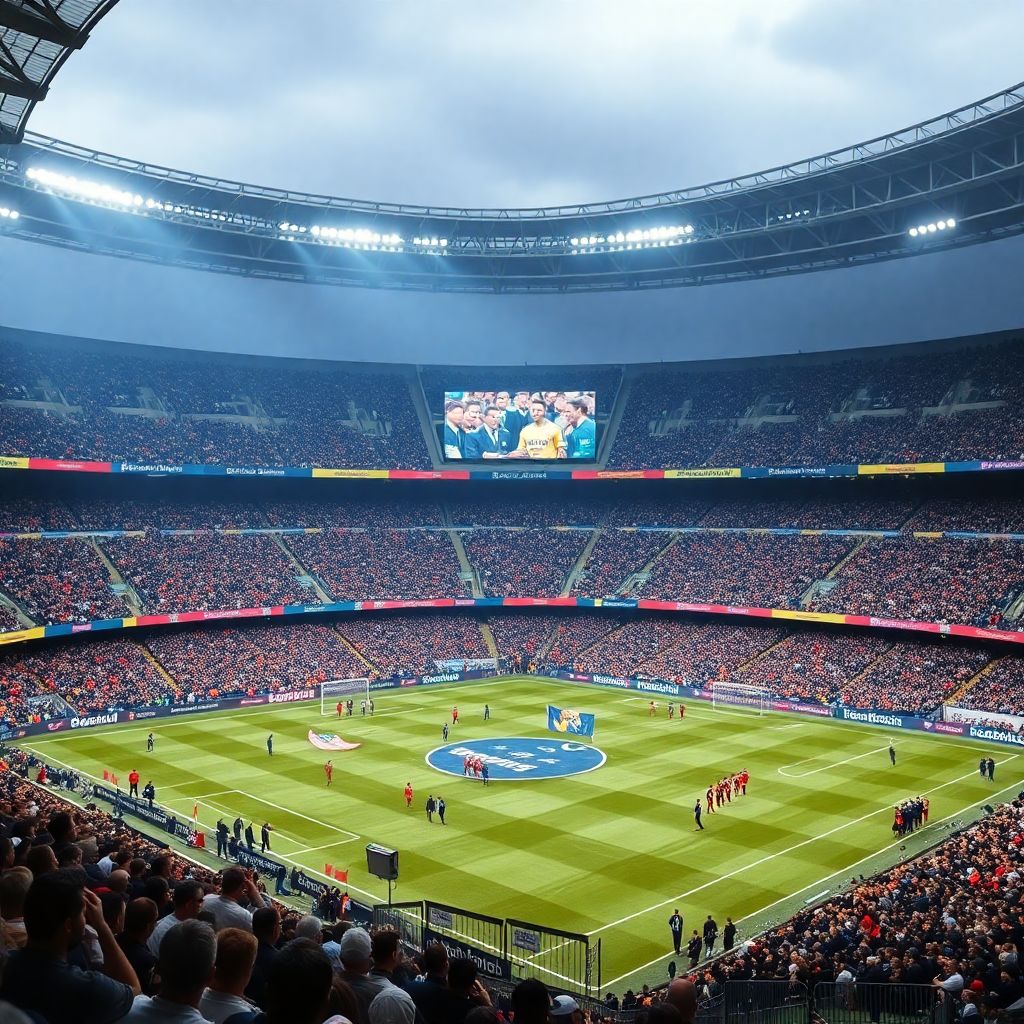
Football acts both as a mirror and a magnifying glass of society: it reflects real social divisions, aspirations and conflicts, but commercial logics and media packaging distort what we see. To read football critically, you must distinguish lived practices from the product sold through tickets, shirts, betting and streaming.
Core propositions on football as a social mirror
- Football emerges from everyday social life, then becomes an organized spectacle layered with money and power.
- It reflects class, gender, race and national identities, but commercial mediation selectively amplifies some stories.
- Media and marketing can turn local cultures into global brands, often flattening complexity.
- States and movements use football for legitimacy, resistance and soft power, with mixed results.
- Fans reproduce social divisions inside stadiums but also invent inclusive rituals and solidarities.
- New technologies intensify commercialization yet also open spaces for counter‑narratives and ethical choices.
Historical foundations: how football emerged from social life
Modern football was born where work rhythms, urbanization and mass leisure intersected. Early clubs in Britain, Spain and Latin America were rooted in factories, schools, neighbourhoods and worker associations. The pitch was a rare open space where class boundaries loosened, yet they never disappeared.
As rules standardized, football became a structured way to channel rivalry. Local derbies mapped existing tensions: port versus inland, working‑class districts versus bourgeois areas, industrial towns versus capital cities. Early fan cultures carried accents, songs and political symbols from the street into the stadium.
In Spain, the evolution from local clubes de barrio to professional entities mirrors changes in labour relations, migration and regional identity. A Sunday filled with searching for entradas partidos de fútbol hoy is the contemporary echo of that older need to gather, belong and compete symbolically without direct violence.
Mini‑scenario: a sociologist in Madrid observes how a neighbourhood club’s youth team reflects local demographics-children of migrants, different dialects of Spanish, gender‑mixed squads. By following the team for a season, she reads wider debates on integration, precarity and public space through training sessions and match‑day routines.
- When analysing football, always ask: which everyday social practices did this club or competition grow out of?
- Trace links between local history (industry, migration, politics) and the identities of teams and fan bases.
- Distinguish between grassroots football and elite professional structures; they mirror society in different ways.
- Use match‑day rituals as clues to how communities negotiate conflict and belonging.
Market dynamics: commercialization, sponsorship and inequality
Football’s commercial layer reorganizes who gets visibility, resources and voice. Money flows from broadcasting deals, sponsorships, merchandising, ticketing and tourism, creating sharp hierarchies between global clubs, mid‑table sides and grassroots projects. Market logic rewards scale, attention and risk‑taking more than community value.
- Broadcast and streaming rights. Broadcasters and platforms pay to show games, then recoup via ads and subscriptions. A suscripción streaming fútbol en vivo offers convenience and multi‑device access, but also fragments audiences by income level and region, reinforcing digital divides.
- Merchandising and brand culture. Sales of shirts, scarves and collectibles turn clubs into lifestyle brands. When you search camisetas de fútbol oficiales comprar online, you engage in a ritual that funds clubs yet flattens complex local histories into logos and standardized colours.
- Ticketing and match‑day experience. Dynamic pricing and VIP packages monetize loyalty. The race for entradas partidos de fútbol hoy increasingly favours those with better connectivity, higher budgets or loyalty programs, shifting stadium demographics and sometimes pushing out traditional fan groups.
- Betting and financial speculation. Apuestas deportivas fútbol ligas europeas transform fans into micro‑investors in match outcomes, often influencing how games are watched (focus on odds and stats rather than tactics and atmosphere) and raising concerns about addiction and integrity.
- Tourism and global events. Viajes y paquetes para asistir a partidos de fútbol internacionales connect football to airlines, hotels and tour operators. Cities and clubs compete for tourist fans, sometimes redesigning schedules, ticketing and stadium areas around visitors instead of locals.
Mini‑scenario: a mid‑table La Liga club reorients its strategy toward foreign visitors. It prioritizes international tours and hospitality packages over local season tickets, unintentionally weakening its historic barra de animación and changing the sound and symbolism of home games.
- Map how each revenue source (tickets, streaming, merchandising, betting, tourism) reshapes who can access football.
- Ask which groups win and lose when market logic dominates club decisions.
- Compare a club’s economic model with its stated social identity and community mission.
- Use concrete behaviours (shirt prices, ticket policies, sponsor types) as indicators of deeper value choices.
Media and narrative: framing players, clubs and national identity
Media do not just show football; they tell stories that frame what the sport means. Traditional TV, radio and press coexist with social networks, fan podcasts and club channels. Each medium selects heroes, villains and plots, often reducing complex social issues to simple narratives of success and failure.
Typical scenarios where football becomes a narrative mirror include:
- National identity during tournaments. In international competitions, media often describe teams as embodiments of national character: «creative», «disciplined» or «passionate». These labels project existing stereotypes and debates about what it means to be Spanish, Catalan, Basque or Latin American onto the pitch.
- Class and origin stories of players. Documentaries about players who «escaped poverty» or «came from the barrio» can both highlight inequality and romanticize hardship, turning structural problems into inspirational branding.
- Gender and respectability. Coverage of women’s football frequently focuses on sacrifice, family balance or appearance rather than tactics. This reflects broader gender biases and slows mainstream recognition, even as audiences grow.
- Club as city or region. Local media often frame clubs as the voice of a city or autonomous community, turning match results into metaphors for urban decline, regeneration or cultural pride.
- Digital fan cultures. On social networks and streaming platforms, memes, clips and fan reactions circulate faster than full matches. Here, a suscripción streaming fútbol en vivo is not just a service; it is the basis for creating and sharing alternative commentaries and micro‑communities.
Mini‑scenario: a Spanish teacher uses viral clips from a derby plus newspaper headlines to discuss with students how metaphors of «war» and «betrayal» in sports journalism normalize aggressive language and echo political polarization.
- Always ask who is telling the football story and for whom: TV, club media, independent creators or fans.
- Identify repeated metaphors (battle, miracle, destiny) and link them to wider social values.
- Contrast media narratives with lived experiences of local fans and players where possible.
- Use specific matches or campaigns as case studies in how identities are framed and negotiated.
Politics and power: regimes, protest movements and soft power
Football’s mass visibility makes it attractive for political actors. Governments, parties and movements try to harness its emotional energy for legitimacy, distraction or protest. This can empower marginalized voices but also enable authoritarian or populist projects that hide behind the sport’s popularity.
Advantages of football as a political mirror and tool:
- Provides a common language across classes, regions and ideologies, making it easier to mobilize broad coalitions.
- Offers symbolic victories or defeats that can articulate grievances without immediate physical confrontation.
- Functions as soft power abroad: national teams and big clubs project images of modernity, diversity or tradition to international audiences.
- Creates opportunities for diplomatic contact at tournaments, club friendlies and joint infrastructure projects.
Limitations and risks of politicizing football:
- Emotional identification with clubs or national teams can be manipulated to legitimize undemocratic regimes or policies.
- Complex political conflicts may be oversimplified into «us vs them» football rivalries, deepening polarization.
- Fan protests inside stadiums can be co‑opted or repressed, turning potential democratic spaces into zones of control.
- Dependence on mega‑events can push cities to prioritize stadiums and tourism over housing, health or education.
Mini‑scenario: before a major international final, a government uses public funds for a massive fan zone and hospitality events tied to viajes y paquetes para asistir a partidos de fútbol internacionales. Activists respond by projecting alternative messages on nearby buildings, connecting football spending to budget cuts in social services.
- When you see political messaging around football, ask who benefits, who pays and who is excluded.
- Differentiate between spontaneous fan expression and top‑down campaigns orchestrated by states or sponsors.
- Evaluate mega‑events by their long‑term social impact, not just short‑term prestige and tourism.
- Use football debates as entry points to discuss rights, participation and public space with diverse audiences.
Everyday culture: fandom, ritual, inclusion and exclusion
Most of football’s social meaning lives in everyday practices: weekend fixtures, bar conversations, WhatsApp groups, kids playing in plazas. Here, people rehearse identities, norms and conflicts in small gestures-chants, nicknames, seat choices, dress codes, humour and silence.
Common mistakes and myths when interpreting this everyday culture:
- Myth: football is just escapism. In reality, match‑day talk often returns to work, wages, politics and local scandals. Seeing it as «only entertainment» hides how people process real frustrations and hopes through the game.
- Myth: fans are irrational masses. Fans are diverse, with internal debates about tactics, values, ticket prices and sponsorship ethics. Treating them as a single emotional bloc erases this internal democracy.
- Myth: commercial products equal authentic identity. Wearing official gear matters, but buying camisetas de fútbol oficiales comprar online does not guarantee deep belonging. Sometimes the most committed fans cannot afford official merchandise, yet invest time organizing away trips or youth teams.
- Myth: exclusion is only about violence. Exclusion can be subtle: sexist jokes that push women away, inaccessible stadium design, pricing that filters out low‑income supporters, or mocking accents and languages of migrants.
- Myth: global fandom replaces local ties. Following apuestas deportivas fútbol ligas europeas or foreign clubs via apps does not automatically erase neighbourhood identities; instead, people layer local and global allegiances in complex ways.
Mini‑scenario: a community centre in Valencia studies how teens use football WhatsApp groups. They find that who shares highlights from their suscripción streaming fútbol en vivo, who organizes five‑a‑side games and who comments on transfer rumours reveals status hierarchies and negotiation of gender roles.
- Observe small rituals (songs, jokes, seat patterns) as indicators of inclusion or exclusion.
- Listen for who gets to speak about football in mixed groups and whose knowledge is dismissed.
- Distinguish financial consumption of football from emotional and time investment in community practices.
- Use everyday football talk as an accessible entry point to discuss broader issues like sexism, racism or classism.
Prospects and dilemmas: technology, globalization and ethical choices
New technologies-VAR, data analytics, streaming, social media-intensify football’s role as both mirror and distortion. Globalization connects fans to leagues worldwide, while also centralizing power in a small set of clubs, agencies and platforms. Ethical dilemmas arise around surveillance, labour rights, environmental costs and ownership structures.
Mini‑case: consider a Spanish fan in Seville planning a season:
- He buys a suscripción streaming fútbol en vivo to follow multiple leagues and highlights.
- He sets alerts for entradas partidos de fútbol hoy when his team plays mid‑week, juggling dynamic prices and work shifts.
- With friends, he experiments with pequeñas apuestas deportivas fútbol ligas europeas, discovering how this changes his emotional focus from team loyalty to personal gain.
- For a birthday, they search viajes y paquetes para asistir a partidos de fútbol internacionales, choosing a weekend in another European city, where stadium tours and megastores push them towards camisetas de fútbol oficiales comprar online as souvenirs.
Through these steps, his season becomes a web of data traces, consumption decisions and ethical questions: which platforms and owners does he fund, how are workers and local communities affected, and what type of football culture is he helping to normalize?
- Before using a new football service or product, ask what behaviours and values it encourages in you.
- Pay attention to who controls data, infrastructure and broadcasting rights in your favourite competitions.
- Support initiatives (clubs, media, fan groups) that align commercial success with social responsibility.
- Use your roles-fan, consumer, citizen-to push for transparency on ownership, labour and environmental impact.
Practical checklist for reading football as a social mirror
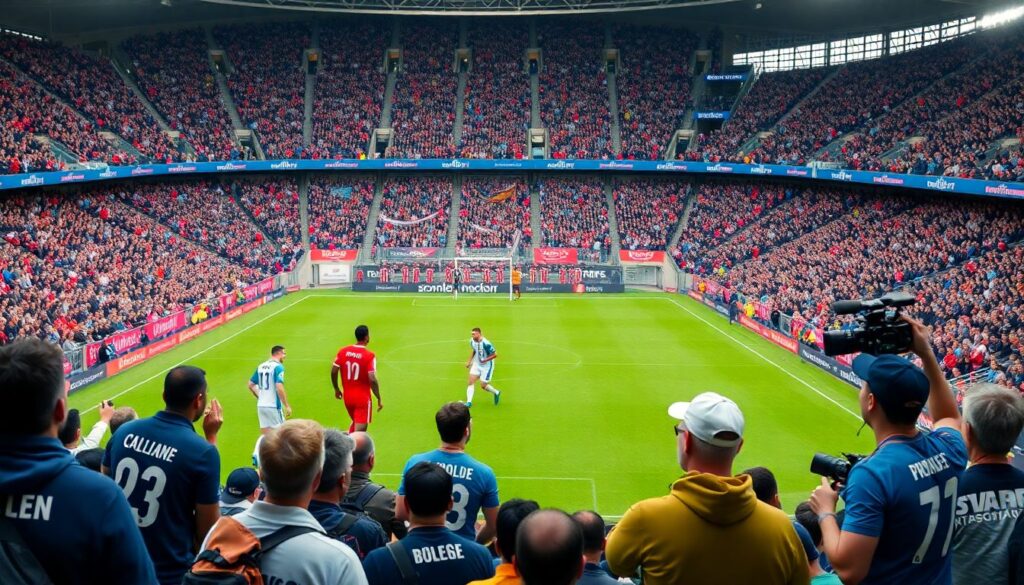
- For any match or competition, identify which social groups and territories are represented on and off the pitch.
- Separate grassroots practices from commercial products, then analyse how they interact.
- Examine media narratives and ask whose voices are amplified or silenced.
- Track your own habits-tickets, streaming, betting, travel, merchandising-and what they support.
- Turn football conversations into opportunities to discuss broader issues with family, friends or students.
Clarifications for applied interpretation
How can I use football examples when teaching social sciences in Spain?
Start from students’ real habits: which clubs they follow, how they get entradas partidos de fútbol hoy, which memes they share. Connect these practices to topics like class, gender, nationalism or media studies, using concrete matches and fan rituals as case studies.
Is commercialized football still useful for critical social analysis?
Yes, commercialization itself is a key object of study. How people relate to camisetas de fútbol oficiales comprar online, betting ads or corporate owners reveals attitudes towards consumption, inequality and regulation, especially in European and Spanish contexts.
How do I avoid romanticizing «pure» football against «corrupted» business?
Recognize that power, money and conflict have always existed in football, but their forms change. Compare different eras and levels (neighbourhood, professional, international) instead of assuming a lost golden age without evidence.
What practical tools help me analyse media coverage of football?
Choose one match and collect headlines, TV commentary and social media reactions. Identify repeated metaphors, stereotypes and omissions, then contrast them with your own observations or fan testimonies from different social groups.
Can betting and fantasy games be integrated into critical learning rather than just banned?
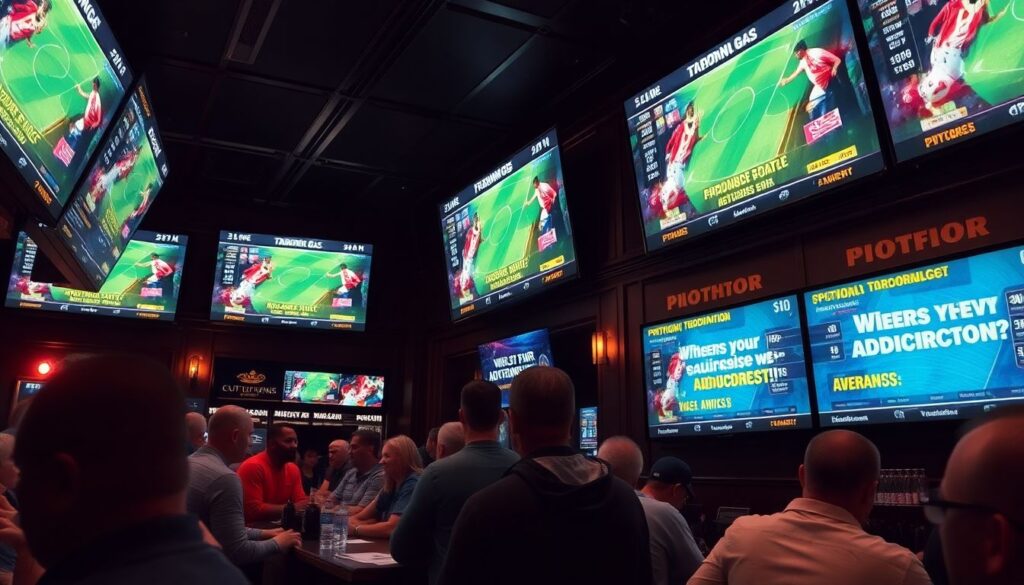
They can serve as entry points to discuss risk, probability, regulation and addiction. Use apuestas deportivas fútbol ligas europeas or fantasy leagues as examples while also clearly naming harms and structural incentives to over‑consume.
How does international football tourism affect local communities?
Viajes y paquetes para asistir a partidos de fútbol internacionales bring income but also pressure on housing, public space and club priorities. Compare tourist areas and traditional fan spaces to see who gains access and who is pushed aside.
What can individual fans realistically change?
Fans can join or create supporter groups, support independent media, choose more ethical products and pressure clubs on ticketing, accessibility and transparency. Individually small, these actions add up when coordinated locally and across networks.