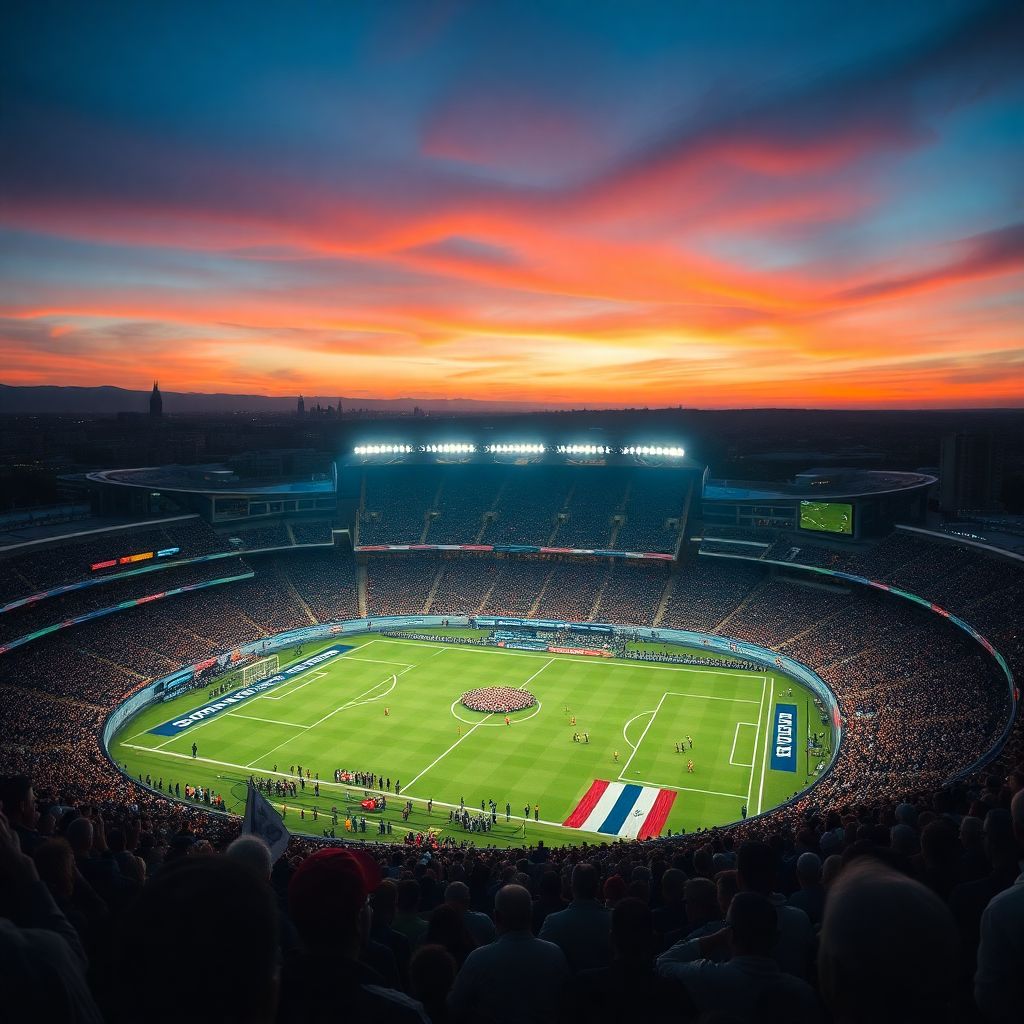
Football stadiums act as powerful spaces of memory where architecture, fan rituals and political events crystallise into shared narratives. For designers, clubs and city planners, treating arenas as memory landscapes enables better decisions about renovation, tourism, heritage and inclusion instead of seeing them as neutral containers for ninety minutes of spectacle.
Core Concepts and Debunked Myths
- Stadiums are not neutral; layout, façade and circulation encode what and who is remembered.
- Collective memory is dynamic, shaped by new victories, tragedies, owners and political regimes.
- Fan identity emerges from repeated rituals in specific places, not only from results on the pitch.
- Urban policy, policing and security design turn stadiums into visible instruments of power.
- Heritage value can coexist with commercial use if guided by clear memory and inclusion goals.
- Guided tours, exhibitions and media (books, documentaries, conferences) actively renegotiate stadium histories.
Common Myths About Stadium Memory and What They Obscure
Stadiums as spaces of memory refers to how arenas store, display and continually renegotiate collective experiences through architecture, rituals and politics. This concept overlaps with heritage and identity studies but focuses specifically on how built form and everyday matchday practices materialise the stories communities tell about themselves.
A first persistent myth is that «the real stadium is the atmosphere, not the concrete». This view ignores how sightlines, acoustics, approaches to the ground, memorial corners and even emergency exits shape the choreography of chanting, mourning and celebration. Architecture is not a backdrop; it scripts behaviour and distributes visibility and prestige.
A second myth claims that memory is fixed in «historic» terraces and should be preserved unchanged. In practice, collective memory is negotiated every season: seating conversions, new safety codes, club rebrandings and changing fan demographics all reframe what episodes are highlighted or silenced. Refusing any change can freeze exclusionary hierarchies from past eras.
A third misconception is that political history belongs outside football. In reality, coups, dictatorships, social movements and urban reforms have used stadiums as spectacular stages. Ignoring this dimension turns architectural and planning decisions into de facto political choices made without accountability, for example when allocating public funds or displacing neighbourhoods for mega‑events.
There is also the idea that memory work is purely academic. Yet, for practitioners, it is extremely practical: it informs how to design club museums, how to script turismo futbolero visitas guiadas a estadios históricos, how to assess impact in a máster arquitectura deportiva y diseño de estadios, or how to cooperate with curators creating documentales sobre historia política de los estadios de fútbol.
Architectural Mechanisms That Encode Collective Memory
Architectural and urban decisions give stadium memory a visible, walkable form. The following mechanisms are levers designers, clubs and municipalities can intentionally work with.
- Thresholds and approaches – Routes from metro stops or barrios, bridges, ramps and plazas define how fans «arrive» and from where they first see the pitch. Monuments or murals along these paths narrate which histories are foregrounded before one even enters the turnstiles.
- Vertical stratification and seating hierarchies – Stands, tiers and hospitality areas assign different groups different views and proximities. Decisions about safe‑standing, away sections, family stands or corporate boxes shape which communities feel central to the club story and which feel peripheral or priced out.
- Façades, materials and colours – Brick, concrete, corten steel, glass or tile can evoke industrial pasts, neighbourhood crafts or futuristic aspirations. Club colours, typography and symbols on the outer shell build a legible identity for both locals and football tourists passing by.
- Memorial and commemorative zones – Statues, plaques, gardens of remembrance, murals and named gates locate memory in precise coordinates: «here is where victims are mourned», «here is the legend’s corner». Their placement (hidden vs. central) reveals how the institution ranks different episodes.
- Interior circulation and concourses – Concourse width, ceiling height and display space condition whether fan groups can gather, sing or hang banners. Exhibitions, timelines and photograph walls in circulation areas can turn otherwise generic corridors into narrative sequences.
- Lighting, sound and scoreboards – Night lighting, sound systems and big screens orchestrate how tifos, anthems, political messages or silences are experienced. Pre‑match light shows or projection mapping can either flatten history into generic «showtime» or carefully reference milestones important to the fan base.
- Integration with the urban fabric – Relationship to surrounding housing, informal commerce and public transport determines whether the stadium functions as a closed event machine or as a semi‑public civic landmark embedded in everyday neighbourhood life.
Rituals, Material Culture and the Formation of Fan Identity
Memory is not only built; it is performed and carried through objects, chants and shared gestures. Understanding these patterns allows architects, clubs and tour operators to support rather than sterilise fan culture.
- Matchday routes and pre‑game gatherings – Bars, plazas and street corners become ritual stations for singing, displaying banners or remembering past away trips. Planning refurbishments should map and respect these itineraries instead of displacing them without consultation.
- Chants, anthems and soundscapes – Acoustic behaviour of stands (steepness, roofing, gaps) influences the power and direction of chants. Preserving singing sections and understanding their traditions is crucial for maintaining a sense that «the stadium remembers» through collective voice.
- Flags, mosaics and tifos – Storage areas, safe hanging points and negotiation protocols with security staff make the difference between vibrant displays and empty rails. Material culture is not spontaneous chaos; it is carefully organised and spatially dependent.
- Everyday objects and informal shrines – Scarves tied to fences, stickers on turnstiles, drawings left near gates or seats dedicated to deceased supporters form a vernacular archive. Policies on cleaning, repainting and refurbishment can either erase or respectfully incorporate these practices.
- Stadium tours, museums and club archives – Curated narratives in museums and scripted routes for visitors powerfully shape what non‑locals learn. For those designing turismo futbolero visitas guiadas a estadios históricos, choices about which dressing room, tunnel or sector to highlight implicitly define the official memory of the club.
- Education and critical debate spaces – Collaboration with universities offering a máster arquitectura deportiva y diseño de estadios or with initiatives hosting conferencias y cursos sobre identidad y fútbol en latinoamérica helps embed fan perspectives and historical research into design briefs and club policies.
Stadiums as Political Stages: Power, Protest and Urban Governance
Stadiums concentrate large crowds, media attention and public investment, which makes them strategic political stages. Recognising the benefits and risks informs more transparent and democratic governance.
Opportunities and strengths of stadiums as civic stages
- They offer highly visible platforms for democratic protest, remembrance ceremonies and anti‑discrimination campaigns.
- Public investment in stadiums can leverage improvements in transport, public space and accessibility for surrounding communities.
- Hosting events and conferencias y cursos sobre identidad и fútbol en latinoamérica can reframe arenas as educational and cultural venues beyond matchdays.
- Commemorative acts (minute silences, choreographies, flags) can acknowledge victims of violence, repression or disasters in a shared, emotionally resonant setting.
Risks, blind spots and structural constraints
- Megaprojects may justify evictions, gentrification and policing practices that disproportionately affect vulnerable residents.
- Commercial sponsors and broadcasters can pressure clubs to depoliticise displays, selectively censoring certain memories or causes.
- Over‑reliance on public funds without transparent accountability can breed resentment, especially if other social needs are underfunded.
- Use of stadiums for state propaganda or repressive security operations can weaponise their symbolic power and damage long‑term trust.
Case Studies: Iconic Stadiums and Their Contested Histories
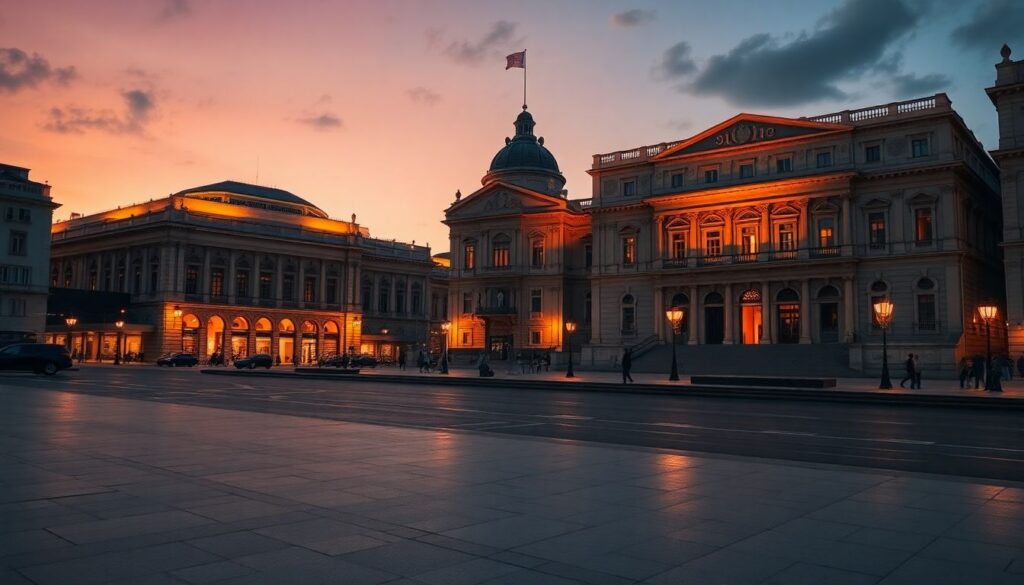
Across Latin America and Europe, iconic venues have accumulated multiple, sometimes contradictory layers of meaning. While specific histories differ, they reveal recurring mistakes and myths practitioners should avoid.
- Erasing uncomfortable political episodes – Some club museums and tours highlight trophies but omit episodes such as dictatorship rallies or repression, even though documentales sobre historia política de los estadios de fútbol have documented them. This selective memory undermines credibility and alienates groups for whom those memories are central.
- Romanticising «authentic» but unsafe terraces – Treating certain unsafe stands as untouchable heritage can block necessary safety upgrades, instead of exploring design solutions that preserve atmosphere while meeting contemporary regulations.
- Over‑commercialised renovations – Transforming historic sections into VIP areas without fan dialogue often destroys key ritual spots. Memory‑blind redevelopment can spark long‑term conflict, boycotts and damaging media narratives.
- Ignoring neighbourhood relationships – Projects that treat the stadium as an isolated island, with parking lots instead of mixed‑use streets, usually weaken everyday bonds with surrounding communities and limit the ground’s role as a true urban landmark.
- Tokenistic memorials – Small plaques installed in hidden corners to «tick the box» of remembrance, without integration into tours, communications or educational programmes, convey that certain histories are marginal or inconvenient.
- Uncritical football tourism scripts – Some turismo futbolero visitas guiadas a estadios históricos sell only triumphalist legends. Failing to incorporate conflict, suffering and social struggle reproduces a shallow understanding of the club’s place in the city.
Practical Design Strategies for Inclusive, Memory-Aware Stadiums
Applying the notion of stadiums as spaces of memory demands concrete procedures that can be built into design, renovation and operational decisions. The following mini‑workflow illustrates a practical, repeatable approach for clubs, municipalities and design teams.
- Map existing memories and conflicts – Conduct interviews with fan groups, residents, stadium workers and historians. Review fan forums, libros sobre arquitectura de estadios de fútbol and relevant documentales sobre historia política de los estadios de fútbol to identify contested episodes, beloved spaces and painful absences.
- Translate narratives into spatial requirements – Turn findings into concrete design criteria: e.g. «keep a continuous path for the traditional march from square X», «reserve façade bands for neighbourhood murals», «allocate concourse zones for club history displays». Treat these as non‑negotiable constraints alongside safety and budget.
- Prototype and visualise memory features – Use drawings, simple 3D models or temporary installations to test locations for memorial sites, fan zones and museum spaces. Share them in workshops or open days, ideally tied to conferencias y cursos sobre identidad y fútbol en latinoamérica or modules in a máster arquitectura deportiva y diseño de estadios.
- Integrate into operations and storytelling – Update stadium tour scripts, matchday protocols and communication guidelines so that guides, stewards and media teams consistently reference new memorial places and histories. Ensure football tourism products do not contradict or trivialise these narratives.
- Monitor, adapt and document change – After opening or refurbishing, monitor how fans actually use spaces. Are informal shrines emerging elsewhere? Are certain memorials ignored? Use this feedback to adjust signage, circulation or policies and document changes for future redesign cycles.
This memory‑aware workflow helps ensure that stadium projects do more than meet technical codes: they become long‑term, inclusive repositories of collective experience, where architectural decisions support living identities instead of flattening them into generic spectacle.
Concise Clarifications for Practitioners and Analysts
How is a «space of memory» different from a heritage building?
A space of memory emphasises active, ongoing practices of remembering and forgetting, not only age or aesthetic value. A modern stadium with strong rituals and memorials can function as a powerful space of memory even if it is not officially listed as heritage.
Why should architects and planners care about fan rituals?
Rituals determine how people actually move, gather and feel in a stadium. Ignoring them produces underused plazas, dead concourses and conflict with supporters, while integrating them generates safer, more vibrant and more legitimate designs.
Can commercial modernisation coexist with strong collective memory?
Yes, if memory is treated as a core design and business parameter. This means preserving key ritual spaces, integrating museums and memorials into hospitality areas, and engaging fans early in the planning of new revenue‑generating facilities.
What role do media and research play in stadium memory?
Books, academic work and documentales sobre historia política de los estadios de fútbol uncover silenced histories and offer narratives that stadium tours and museums can adopt or contest. They provide evidence and language that practitioners can use in their own projects.
How can smaller clubs with limited budgets work on memory?
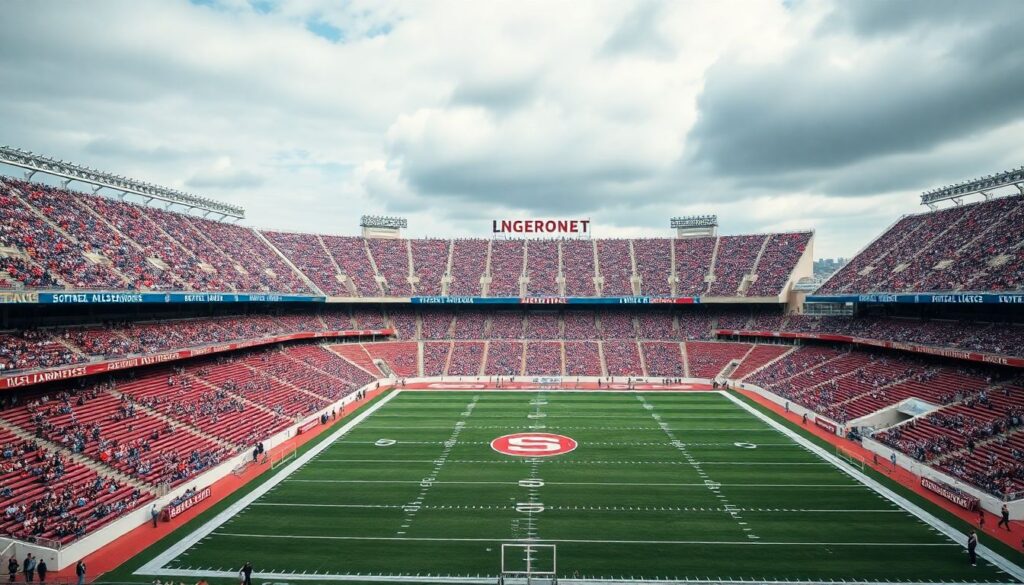
They can start with low‑cost measures: naming stands after local figures, dedicating wall space to fan photo archives, supporting grassroots guided tours and collaborating with universities or local collectives on exhibitions and talks.
Are football tourism products compatible with critical memory work?
They are compatible if tours and experiences include conflict, trauma and political context alongside trophies. Carefully designed turismo futbolero visitas guiadas a estadios históricos can become educational tools rather than pure entertainment.
What skills should a professional develop to specialise in stadium memory?
Combine knowledge of sports architecture, urban sociology and memory studies. Programmes like a máster arquitectura deportiva y diseño de estadios, plus practice in curation, public history and community engagement, are especially valuable.