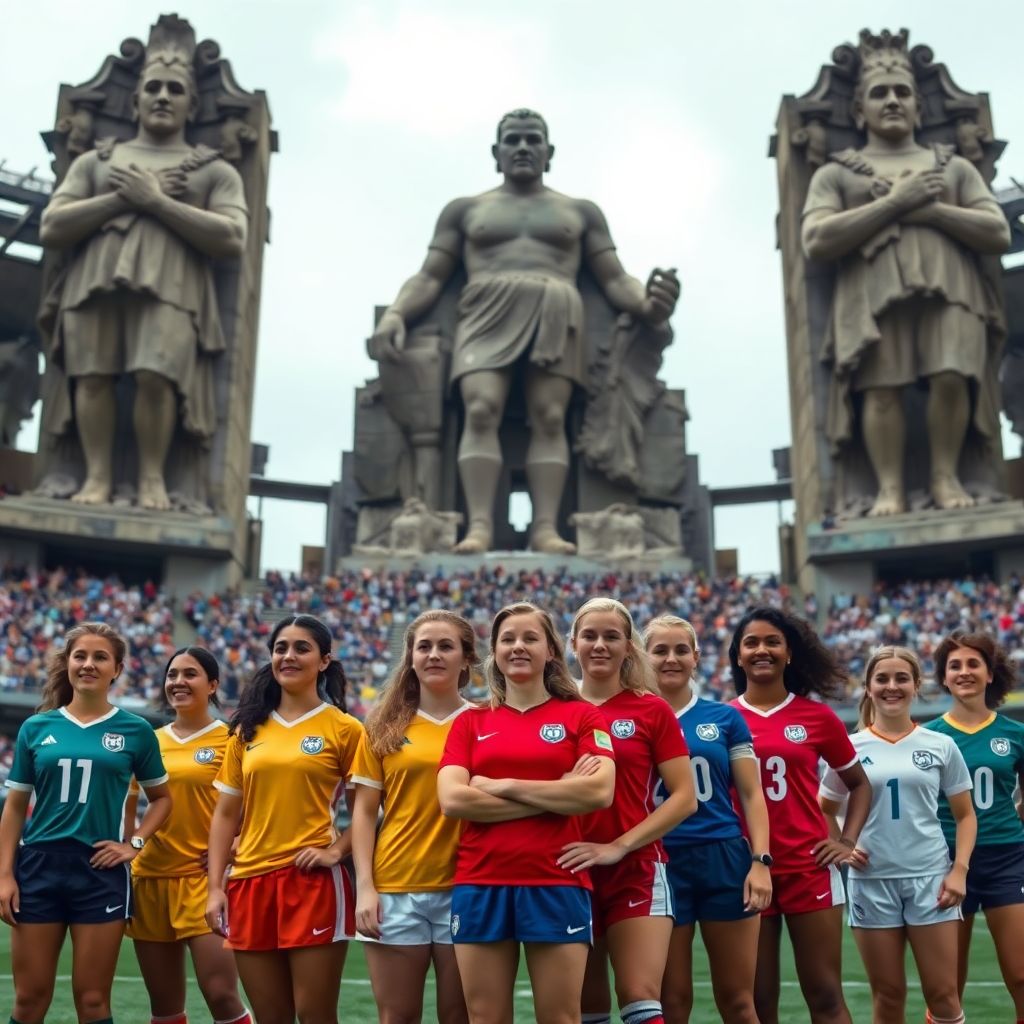
Women’s football’s struggle for recognition is not about talent or interest; it is about competing inside structures built by and for men. Progress requires dismantling myths, reforming governance and investment rules, expanding media and commercial space, and creating pathways so girls, players and professionals can thrive at every level of the game.
Essential findings and implications
- Myths about low interest and level of play still justify unequal budgets, media slots and facilities.
- Formal rules in federations, leagues and clubs often reproduce male‑first priorities even when they seem neutral.
- Visibility is an economic factor: media, patrocinadores and merchandising drive what is considered «important football».
- Weak youth structures, especially academias de fútbol femenino para niñas, limit the long‑term talent pool.
- Targeted regulation and licensing can correct historic imbalances, but only if paired with monitoring and sanctions.
- Incremental, well‑measured reforms in women’s football can scale without copying men’s models blindly.
Actionable quick tips for accelerating recognition
Brief, practical suggestions for clubs, brands, institutions and fans in Spain.
- Clubs: Publish a two‑year plan with clear budgets, staff and facility hours shared between men’s and women’s teams; review it publicly each season.
- Municipalities: Prioritise access to quality pitches and safe schedules for girls’ teams when allocating public facilities.
- Media outlets: Integrate women’s football into daily coverage, not only special events; commit to minimum minutes or articles per week.
- Brands: When planning patrocinios y marketing en fútbol femenino, include long‑term community projects (clinics, school programs) instead of only jersey logos.
- Leagues and federations: Make all contracts for broadcasting, prize money and player welfare public to reduce information asymmetry.
- Fans in Spain: Buy fútbol femenino entradas partidos in advance, follow your team’s liga fútbol femenino streaming en vivo, and choose camisetas oficiales fútbol femenino comprar instead of generic shirts to send a clear demand signal.
Persistent myths that slow progress in women’s football
Women’s football is often framed as «a small, natural niche» inside a supposedly neutral football market. In reality, current outcomes are the result of decades of exclusion, bans and under‑investment. Understanding the main myths is essential to see why the system still favours men by default.
Myth 1: «There is no real audience.» Demand is routinely underestimated because women’s fixtures get worse time slots, fewer marketing resources and limited ticketing experiments. When clubs finally promote fútbol femenino entradas partidos seriously, they often discover a broader, more family‑oriented audience that traditional models never tried to reach.
Myth 2: «The level is too low to invest.» Arguments about «quality» ignore that performance depends on training hours, medical support, scouting and competitive calendars. If women’s teams receive amateur conditions, they cannot be evaluated against fully professional men’s squads. The fair comparison is: what happens when both are given professional contexts.
Myth 3: «The market will fix it by itself.» A system designed by and for men embeds male priorities into every rule: stadium access, youth licences, media rights. Leaving things to «the market» means preserving those advantages. Only deliberate policy and governance changes can rebalance incentives and open space for sustainable women’s competitions.
Myth 4: «Separate women’s leagues must copy men’s templates.» Copy‑paste approaches create structural stress: long seasons without depth of squads, over‑centralised TV deals, or ticket pricing that ignores different audience habits. Women’s football needs its own, context‑specific formats, calendar alignments and commercial packages.
Structural barriers: governance, funding and infrastructure
How the current system, built historically around men’s football, keeps women’s football in a secondary position.
- Male‑dominated governance bodies: Decision‑making in federations, leagues and clubs is still centred on men’s competitions. Committees, voting rules and informal networks prioritise men’s calendars and budgets.
- Asymmetric funding models: Central income (broadcasting, sponsorship) is often distributed using formulas linked to past men’s performance or audience data, which under‑reward developing women’s leagues.
- Facility allocation and scheduling: Training grounds and stadiums are booked first for men’s teams. Women’s squads adapt to leftover hours and sub‑standard pitches, which affects performance and fan experience.
- Short‑term contracts and job insecurity: Many players and coaches in women’s football work on unstable contracts, making it harder to plan careers, attract specialists and build long‑term projects.
- Limited professional staff: Clubs often share medical, analysis and communications teams between several squads; women’s teams are last in the queue, which impacts preparation, recovery and visibility.
- Opaque decision processes: Key negotiations (e.g. TV rights, league reforms) happen with few women present and limited transparency, so women’s football requirements are rarely central to the final agreements.
Media, sponsorship and the economics of visibility
Visibility is not only symbolic; it shapes revenue, bargaining power and long‑term stability. Understanding typical scenarios helps design better strategies.
- Broadcast deals without women’s matches: Broadcasters may buy rights to men’s leagues and treat women’s content as optional extras. When women’s games are excluded or poorly promoted, the league loses both audience data and future negotiating leverage.
- Fragmented liga fútbol femenino streaming en vivo: Some women’s leagues rely on inconsistent streaming (club‑by‑club, social networks, or last‑minute deals). Fans struggle to find matches, which depresses audience figures and discourages advertisers.
- Undervalued sponsorship inventory: Patrocinios y marketing en fútbol femenino often sell at discounts, bundled as «CSR» instead of core sports assets. This reinforces the idea that women’s football is a side project, not a commercially viable property.
- Merchandising gaps: Fans who want camisetas oficiales fútbol femenino comprar sometimes find limited sizes, few player names or late releases. Without product range and availability, clubs underestimate actual demand and miss revenue.
- Newsroom bias and editorial routines: Editors may treat women’s football as occasional content. Without dedicated beats, match reports and analysis, it is harder to build storylines that keep audiences engaged between big tournaments.
- Event‑only marketing peaks: Interest surges during major tournaments, then fades because domestic leagues lack continuous campaigns. Brands and federations leave «conversion» (season tickets, grassroots sign‑ups) on the table.
Talent pipelines: youth development, scouting and coaching gaps
Women’s football needs robust pathways from first contact with the sport to elite competition. Today those pipelines are incomplete, especially compared to men’s structures. The result is a narrower talent base and slower professionalisation of roles like coaching, analysis and refereeing.
In Spain and similar contexts, academias de fútbol femenino para niñas are growing but still far from universal coverage. Many girls start playing in mixed teams with little tailored coaching, then face a cliff when local options disappear in adolescence. Scouting networks, medical support and dual‑career planning are also less developed for girls and women.
Strengths and emerging opportunities
- Growing interest from families seeking safe, inclusive spaces for girls to play football from an early age.
- Top clubs investing in youth sections for girls, which can create aspirational pathways if managed sustainably.
- University and regional competitions offering additional game time and education options for young women.
- Digital platforms helping scouts and coaches follow tournaments and identify talent across regions.
- International exchanges and tournaments exposing players and staff to alternative models of development.
Constraints and systemic weaknesses
- Patchy availability of structured academias de fútbol femenino para niñas outside big urban centres.
- Fewer licensed coaches working full‑time in girls’ and women’s football, especially at younger age groups.
- Limited medical, psychological and nutritional support tailored to women’s specific needs and life cycles.
- Short competitive calendars and irregular match quality, which slows technical and tactical growth.
- Underdeveloped scouting systems, relying on informal networks rather than systematic, data‑informed methods.
- Insufficient support for dual careers (education or work) that allow players to stay in the game longer.
Regulatory levers and institutional reform options
Regulation can either correct or entrench inequality. Misunderstandings about «neutral» rules and over‑reliance on self‑regulation frequently slow change.
- Assuming identical rules mean equal outcomes: Applying the same licensing or stadium criteria to men’s and women’s clubs, without transitional support, often locks women’s teams out of top tiers.
- Ignoring historical discrimination in revenue sharing: Distribution models that only reward current audience figures ignore decades when women’s games were banned or invisible.
- Leaving player welfare to private negotiation: Without minimum standards on contracts, insurance and maternity protections, players carry disproportionate risk, and professionalisation stalls.
- Over‑centralising decisions: Federations that control everything from calendars to sponsorship leave little room for women’s leagues to innovate or negotiate better deals.
- Tokenistic representation: Adding a few women to committees without real voting power or resources creates the illusion of reform while maintaining male‑centric priorities.
- Short‑term pilot projects with no evaluation: Federations launch campaigns for women’s football that last one season, without clear metrics or continuity, making it impossible to build compounding effects.
Proven models, metrics and incremental strategies for change
Transforming a system designed by and for men requires structured experimentation. Small but consistent reforms, tracked with clear indicators, can reshape incentives without overextending budgets or creating backlash.
Below is a simplified mini‑case inspired by European women’s leagues, adapted to a Spanish context:
Mini‑case: three‑year visibility and revenue plan for a women’s section
- Year 1 – Baseline and integration
- Audit current resources: staff, training slots, matchday operations, media coverage and merchandise lines.
- Guarantee that every home league match has at least one official content piece (preview, live text, report) and basic post‑match video highlights.
- Offer combined season tickets and targeted fútbol femenino entradas partidos promotions (family packs, school collaborations).
- Year 2 – Product and audience development
- Secure stable liga fútbol femenino streaming en vivo for all home games, even if through a modest but reliable platform.
- Launch a complete line of camisetas oficiales fútbol femenino comprar with popular player names and junior sizes.
- Sign at least one multi‑year patrocinios y marketing en fútbol femenino agreement tied to community projects and digital content.
- Set simple metrics: average attendance, streaming views, merchandise sold, grassroots participation in academias de fútbol femenino para niñas linked to the club.
- Year 3 – Consolidation and negotiation power
- Use three‑year data trends to renegotiate sponsorship and local broadcasting on better terms.
- Reinvest a fixed proportion of new revenues back into player salaries, medical support and youth structures.
- Publish an annual «women’s football report» with transparent figures, making progress and gaps visible to fans, media and policymakers.
This type of stepwise strategy does not wait for the entire system to change. It uses available levers – governance, visibility, community engagement and data – to progressively shift women’s football from a side project to a recognised, central asset.
Practical clarifications for practitioners and policymakers
Why is women’s football framed as a struggle for recognition, not just growth?

Because it must first undo the effects of past exclusion and male‑centred rules. Growth happens inside power structures; recognition means changing who sets priorities, who benefits from resources and whose competitions define the football narrative.
What is the single most effective first step a club can take?
Integrate the women’s section into the club’s core planning: same branding, shared high‑quality facilities, and a public budget line. This signals commitment internally and externally, and makes later commercial and sporting investments more coherent.
How can smaller municipalities in Spain support women’s football?
They can prioritise girls’ and women’s teams when assigning public pitches, subsidise local competitions that include women’s categories, and partner with clubs to run academias de fútbol femenino para niñas. Clear, stable facility access is often more valuable than small one‑off grants.
Do broadcasters and media really change the economics of women’s football?
Yes. Consistent coverage builds audience habits, which increase sponsorship value and bargaining power for leagues and clubs. Even low‑cost, reliable liga fútbol femenino streaming en vivo can create data and visibility that were previously missing.
Is it enough to focus only on elite professional teams?
No. Without strong grassroots and youth structures, elite squads rely on a narrow talent pool and short careers. Sustainable recognition depends on pathways from school football to academies, semi‑professional tiers and post‑career opportunities in coaching or management.
How should brands approach patrocinios y marketing en fútbol femenino?
They should treat women’s football as a long‑term strategic platform, not a charity add‑on. That means multi‑year deals, co‑created storytelling with players, and activation in grassroots projects, merchandising and digital content rather than just logo exposure.
What role do fans play in changing the system?
Fans send powerful signals through their choices: buying fútbol femenino entradas partidos, watching broadcasts, engaging with content and choosing camisetas oficiales fútbol femenino comprar. These behaviours generate data that clubs, media and sponsors use to justify bigger investments.