TV and streaming rights in football are exclusive licences that decide who can show which matches, where, on which devices and under what conditions. They fragment the viewing experience across platforms, affect prices fans pay, shape dónde ver fútbol online en vivo and determine how leagues, clubs and broadcasters share revenue.
Core implications for viewers and rights holders
- Rights packages decide which competition or team appears on which pay TV channel or app, often forcing fans to combine services.
- Exclusive online rights shape the mejores plataformas de streaming para ver fútbol but also create geographic blackouts and VPN temptations.
- Complex deals raise suscripción fútbol tv y streaming precios and can exclude fans with limited budgets or poor connectivity.
- Fragmentation pushes piracy but also experimentation with bundles, free matches and ad-supported tiers.
- Regulators and competition law limit extreme exclusivity and influence how collective selling of league rights works.
- Clubs and leagues must balance maximum income with reach, especially among young or international fans.
What TV and streaming rights cover in modern football
TV and streaming rights are contracts granting a broadcaster or platform the exclusive right to film, distribute and monetise football matches in specific territories, languages and time periods. They cover live games, near-live clips, full replays, highlights, magazine shows and sometimes even training sessions or documentaries.
In practice, these rights are sliced into packages: domestic vs international, live vs delayed, linear TV vs OTT streaming, pay vs free-to-air. A league like LaLiga can sell one package that lets a pay TV operator show most live matches, and another that allows a digital platform to offer short highlights on mobile only.
For Spanish fans who want to ver partidos de liga española por internet legalmente, this means that the option you choose depends on which company has acquired the relevant package for that cycle (usually 3-5 seasons). Those decisions also define what bars, hotels or public screenings can show, because commercial premises often require separate licences.
Modern contracts also address technical details: simultaneous streams, maximum resolution (HD, 4K), number of devices per account, and whether content can be downloaded for offline viewing. All of this determines the concrete experience a fan has when they open an app on match day.
How exclusive deals create geographic and platform fragmentation
- Territorial exclusivity. A platform can have rights for Spain but not for France. A fan travelling across the border suddenly loses access or sees a different catalogue because rights are sold territory by territory.
- Platform exclusivity. Some packages are restricted to one ecosystem (for example, only on a particular telecom operator or only inside one OTT app). Fans must subscribe to that specific environment, even if they prefer another.
- Competition-based splitting. Domestic league, domestic cup, UEFA competitions and international leagues are usually sold separately. Following one club across all competitions can require multiple subscriptions.
- Time-window exclusivity. One partner may control live matches, another the highlights after a set delay. Users who only want short-form content might still need a full subscription during black-out windows.
- Device and quality restrictions. Some rights are mobile-only or exclude casting to TV, others limit 4K to premium tiers. This artificially segments the audience by device and price point.
- Language and commentary rights. Certain deals separate Spanish, Catalan or English commentary, creating additional barriers for bilingual or international fans living in Spain.
This architecture directly affects questions like dónde ver fútbol online en vivo or which are the mejores plataformas de streaming para ver fútbol, because no single service is allowed to offer everything in one place.
Technical and UX challenges of watching matches across services
Fragmented rights translate into practical friction on match day. Typical scenarios help illustrate where things break for viewers.
- Multi-app juggling for one weekend. A fan of a LaLiga club might watch the Saturday league match in one app, the midweek European game in another, and a domestic cup tie on a free-to-air broadcaster's streaming platform. Each requires separate logins, interfaces and device compatibility.
- Bandwidth and stability problems. Moving from satellite/cable to streaming is attractive, but in many Spanish regions broadband is unstable at peak hours. Viewers see buffering, lower resolution or desynchronised commentary when too many concurrent streams hit the same local network.
- Device lock-in and outdated hardware. Some services work only on newer Smart TVs or specific set-top boxes. Fans with older devices must watch on small screens or invest in additional hardware, which is unrealistic for households with limited resources.
- Complex account and password management. Families sharing one subscription across multiple devices face logouts, concurrent-stream limits and confusion over who can watch what simultaneously, especially during high-demand matches like clásicos.
- Discoverability and scheduling chaos. With fixtures spread across services, fans struggle to know where and when a match is available. Unless leagues and broadcasters provide clear centralised schedules, people rely on search queries or social media rumours.
- Accessibility and language options. Not all players support subtitles, audio description or multiple commentary tracks equally. Viewers with disabilities are particularly affected when important matches are stuck on less mature platforms.
For fans with tight budgets or weak connectivity, alternatives include watching matches in local bars that pay for commercial packages, following audio commentary on radio or public broadcasters, or using official highlight shows and clips instead of live streams. These options maintain legal access while avoiding multiple costly subscriptions.
Monetisation models: subscriptions, PPV, bundles and ad revenue
Different monetisation models shape how rights are packaged and who can realistically afford them. Each has strengths and limits, especially in Spain where household budgets vary widely and where comparativa servicios streaming fútbol 2024 is a core part of fan decision-making.
Upsides of common monetisation models
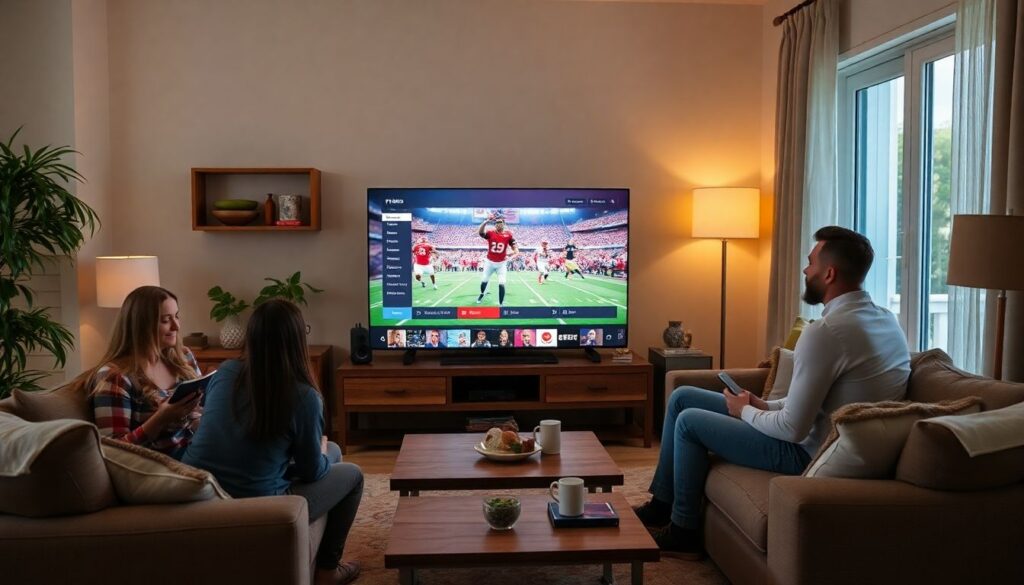
- Flat subscriptions. Predictable monthly cost, usually the main way to ver partidos de liga española por internet legalmente. Good value for heavy viewers who watch several matches per week across competitions.
- Tiered subscriptions. Cheaper basic tiers (often HD, one device) help price-sensitive fans start legally; premium tiers add 4K, more devices or extra competitions.
- Pay-per-view (PPV). Useful for casual fans who only watch a few big matches per season. No long contracts, more flexibility for those with irregular schedules.
- Bundles with telecom services. Combining fibre, mobile and football rights can reduce total cost for households that already pay for connectivity, simplifying bills.
- Ad-supported or free-to-air matches. A limited number of free games, plus highlights and magazines, keep football visible to wider audiences and younger fans who cannot pay yet.
Limitations and pressures for fans and rights holders
- Stacking subscriptions. When rights are split, viewers pay multiple monthly fees. suscripción fútbol tv y streaming precios accumulate quickly, pushing low-income households to choose or churn.
- Hidden long-term contracts. Bundles may require 12-24 month commitments or early termination fees, adding risk for fans who only care about one competition or season.
- PPV unpredictability. Buying individual matches can end up more expensive than a subscription if a club progresses far in multiple tournaments.
- Ad load and tracking. Ad-supported models lower direct price but increase time cost and data collection, which some viewers dislike.
- Revenue uncertainty. For clubs and leagues, reliance on volatile subscriber numbers or ad markets can be risky, especially if sports consumption habits change quickly.
- Limited solidarity. Highly fragmented deals may concentrate money around top fixtures, leaving smaller clubs and women's football underfunded.
Legal and regulatory levers shaping access and collective selling
Law and regulation strongly influence how fragmented or accessible football broadcasting becomes, but there are recurring mistakes and myths in public debate.
- Myth: "Everything could be on one platform if regulators allowed it." In reality, competition authorities in the EU and Spain often encourage multiple buyers to avoid monopolies, which naturally spreads content across services.
- Mistake: Ignoring collective selling rules. Leagues usually sell rights together on behalf of clubs, subject to EU and national competition law. Clubs that try to negotiate parallel exclusivities risk conflicts or legal challenges.
- Myth: "Using a VPN makes any stream legal." A VPN may hide your location, but it does not change the underlying rights. Accessing a service outside its licensed territory is typically against its terms and can lead to account restrictions.
- Mistake: Underestimating piracy enforcement. Some fans assume illegal IPTV boxes or unlicensed streams are low risk. In Spain, authorities and rightsholders increasingly coordinate to block domains and pursue large-scale distributors.
- Myth: "Public broadcasters can just show all important matches." Even if there is political will, public channels must still buy rights at market prices and respect existing exclusive contracts.
- Mistake: Poor transparency around blackouts. When certain matches are blocked on one platform due to exclusivity, fans are rarely told clearly where the game is available legally, feeding frustration and piracy.
Tactical options for fans, clubs and broadcasters to reduce friction
Practical steps can soften fragmentation without breaking contracts or business models. This is especially important for fans with limited resources, small clubs seeking visibility and broadcasters wanting sustainable audiences.
For fans (especially in Spain):
- Use official league and broadcaster tools that clarify dónde ver fútbol online en vivo for each matchday, instead of random search results.
- Plan seasonal viewing: check comparativa servicios streaming fútbol 2024 articles, list the competitions you actually watch, then choose the minimal combination of platforms that covers them.
- Share costs within households legally by using family or multi-device plans rather than sharing passwords across multiple unrelated homes, which can lead to blocks.
- Consider cheaper, legal alternatives when budgets are tight: matches in local bars, radio commentaries, official highlights on YouTube or apps, and occasional PPV for big games instead of year-round subscriptions.
For clubs and leagues:
- Negotiate clauses that allow a limited number of free-to-air or freely streamed matches (women's teams, youth finals, preseason) to reach new audiences.
- Provide a centralised, multilingual schedule on official sites and apps that tells fans exactly where and how to ver partidos de liga española por internet legalmente each week.
- Coordinate kickoff times to reduce clashes that force fans to choose between competitions, improving perceived value of subscriptions.
- Experiment with low-cost digital passes for fans abroad who only follow one club, without undermining domestic contracts.
For broadcasters and platforms:
- Simplify on-boarding and cancellation flows so users can adjust suscripción fútbol tv y streaming precios month by month, instead of feeling locked in.
- Partner with ISPs to prioritise traffic for live sports during peak hours, improving stability in rural or congested areas.
- Offer "season passes" or team-specific packages in addition to all-in bundles, helping price-sensitive fans stay legal.
- Invest in clear in-app messaging: where a match is available, what devices are supported, and what to do when concurrency limits are hit.
Mini-scenario: coordinated solution in a Spanish town
Imagine a mid-sized town where many fans cannot afford multiple subscriptions. The local club, main bar association and a rights-holding platform collaborate: bars sign a discounted commercial deal, the club promotes which bars show each match, and the platform offers a low-cost "highlights-only" mobile tier for individuals. Fans without home access still enjoy key games in bars; others follow legally through clips and delayed replays, while the platform retains long-term potential subscribers.
Practical questions fans and stakeholders ask about access
How can I legally know where to watch a specific match online in Spain?
Check the official website or app of the competition (LaLiga, Copa del Rey, UEFA) and the main broadcasters. Many now include a "where to watch" section that lists authorised partners by country and platform.
Is it cheaper to use several monthly passes or one big annual football package?
If you only watch certain phases of the season or specific competitions, flexible monthly passes can save money. Heavy viewers who watch most matchdays across multiple tournaments usually benefit from a larger, discounted annual package.
Do student or low-income discounts exist for football streaming in Spain?
Some telecom operators and platforms occasionally run promotions for students or new customers, but systematic social discounts are rare. Fans with limited means often combine bar viewing, free highlights and occasional PPV instead of permanent subscriptions.
Is using a VPN to access another country's football service legal?
Using a VPN is legal in itself, but many services forbid accessing content outside licensed territories. Doing so can violate terms of use and may result in content blocking or account restrictions.
What can small clubs do if they feel lost in big national TV deals?
They can negotiate for visibility clauses in league-wide contracts, invest in their own low-cost digital channels for non-exclusive content, and collaborate with local media to complement national coverage.
Why do some matches appear in lower quality or with delays on my device?
This usually depends on your connection, the device capabilities and the specific rights package for that competition. Some deals prioritise 4K on certain devices or limit simulcasting, causing delays on other platforms.
Are illegal IPTV boxes really that risky for regular users?
Beyond legal risks, illegal IPTV is unstable: streams often drop during important matches, quality is inconsistent and boxes may contain malware. Long term, this also reduces clubs' revenues, indirectly harming the sport you follow.