Categoría: Tácticas y Estrategias
-
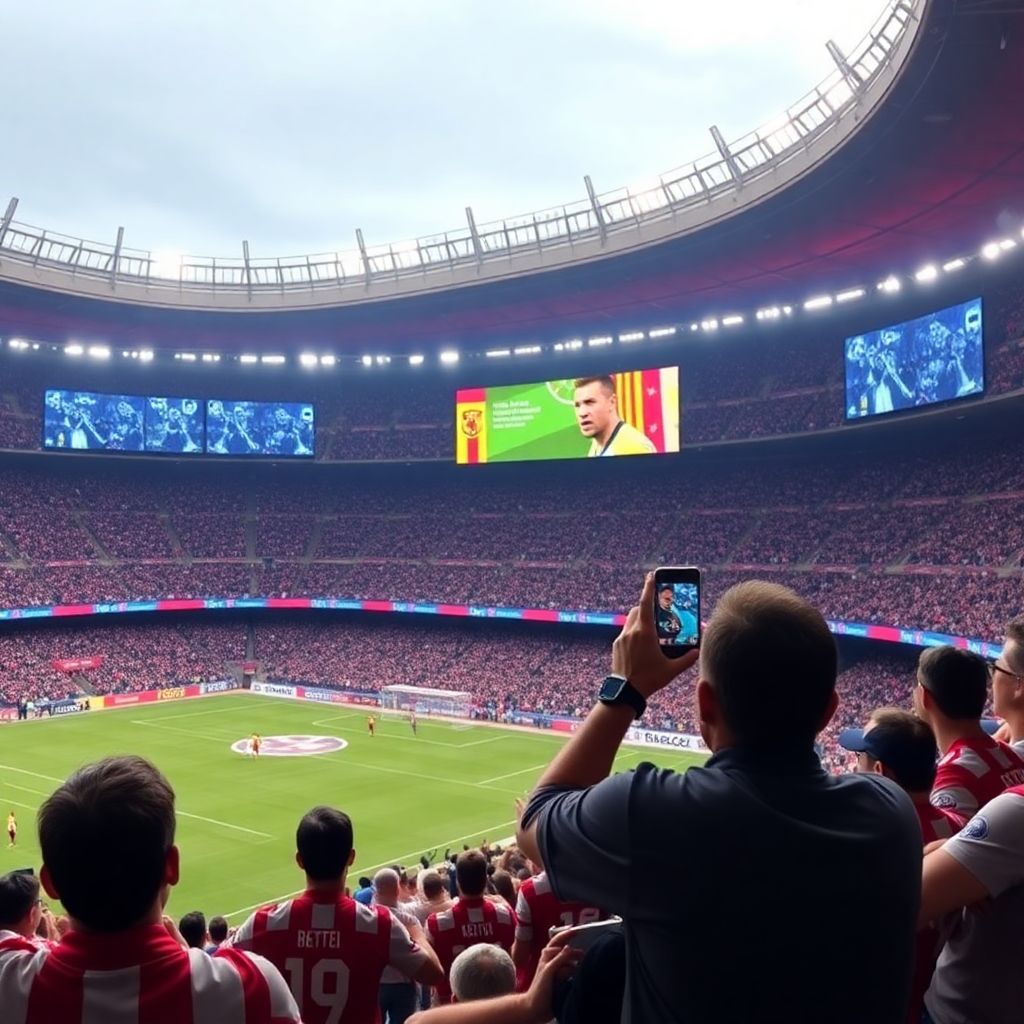
El hincha-consumidor: from club member to customer of the sports spectacle
The fan-consumer is a supporter treated not only as a socio or hincha, but as a customer of the broader sports entertainment product: matchday, media, digital and lifestyle. For Spanish clubs, it means designing marketing deportivo para fidelizar hinchas consumidores while protecting belonging, identity and the social role of football. Core shifts driving the emergence…
-
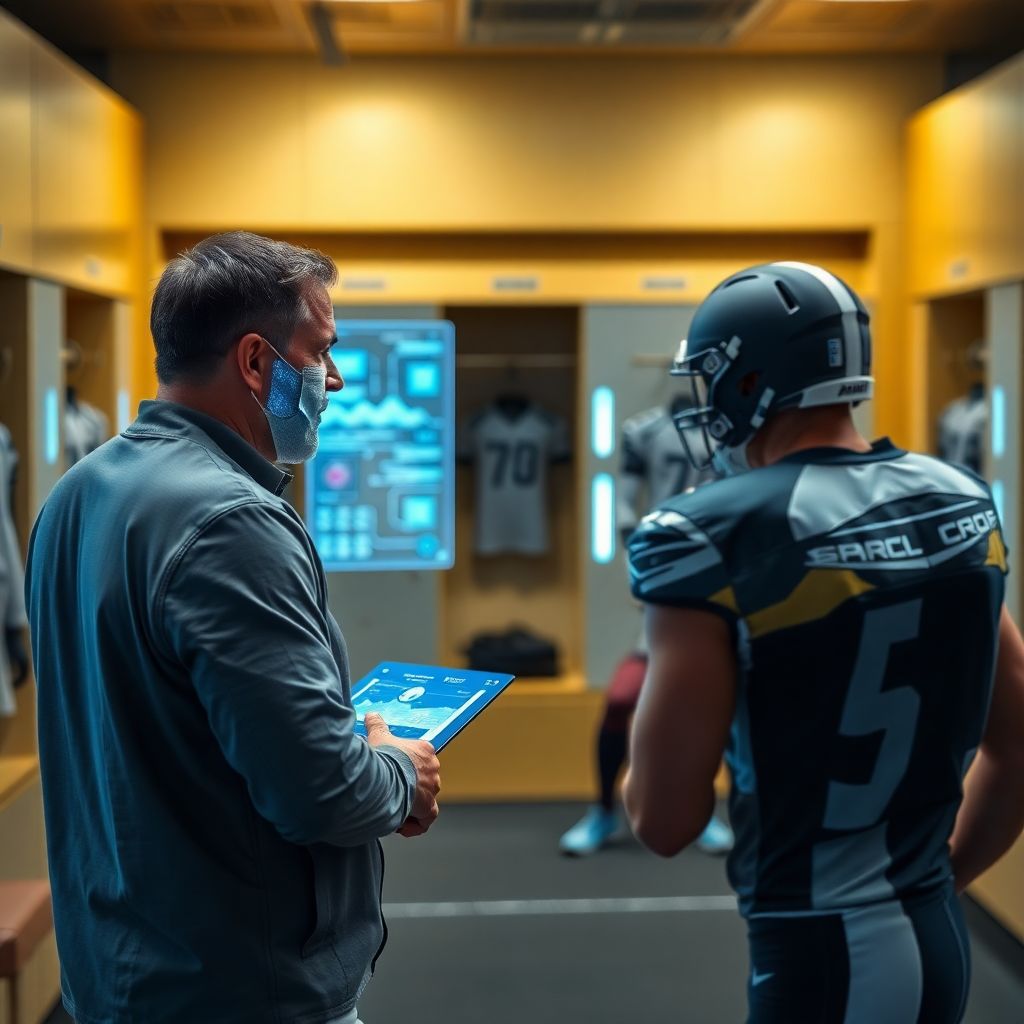
Data vs intuition: is the coachs gut dying in the age of advanced analytics?
Coaching «nose» is not dying; it is being redefined. The best results in modern football come from hybrid models: coaches keep responsibility for context, dressing room and tactical nuance, while analítica deportiva avanzada supports decisions with objective patterns, risk estimates and scenario testing, especially in recruitment, load management and game preparation. Core contrasts between data-driven…
-
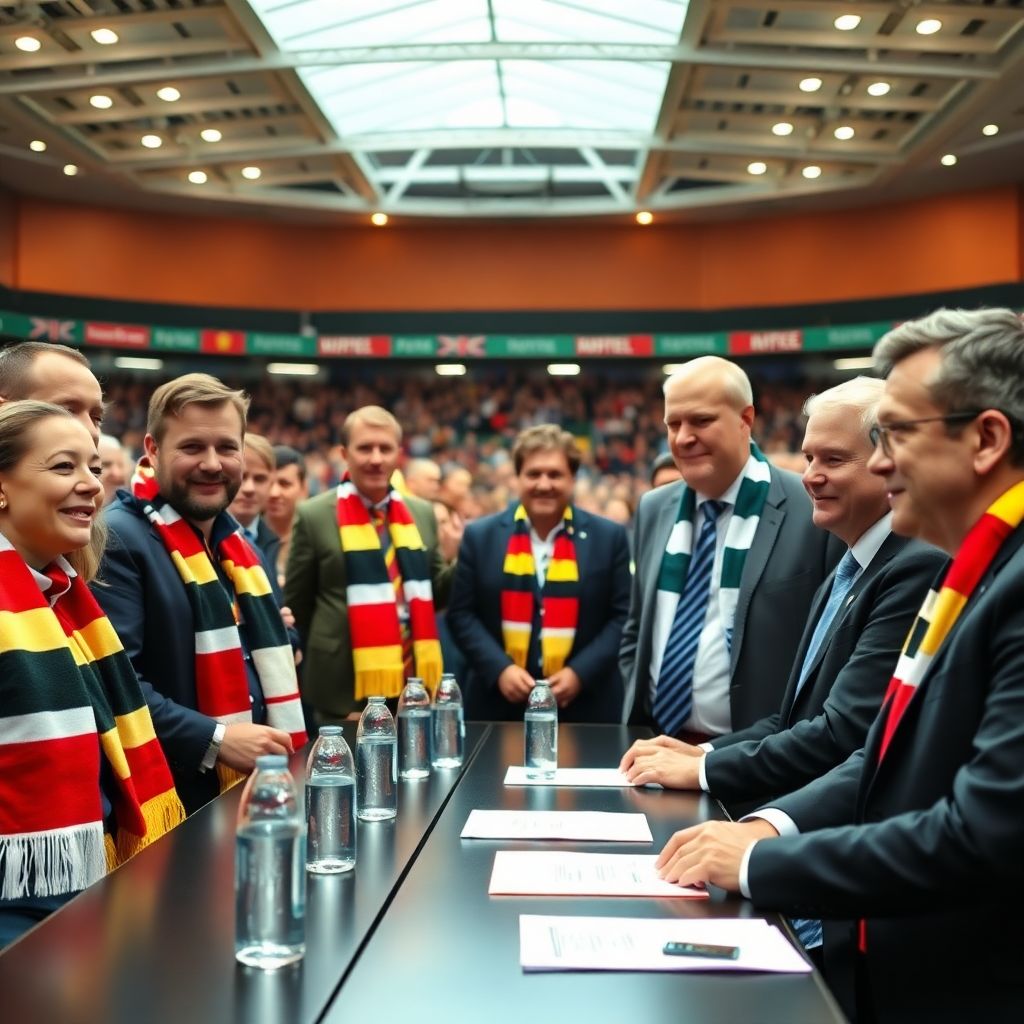
Can a football club belong to its fans in the age of investment funds
Fan ownership today usually means structured influence, not absolute control: members or small investors hold shares, voting rights, or veto powers alongside capital from fondos de inversión en clubes de fútbol europeos. If supporters organise early, use legal tools, and accept shared governance, a club can still meaningfully «belong» to its fans. Defining what ‘fan…
-
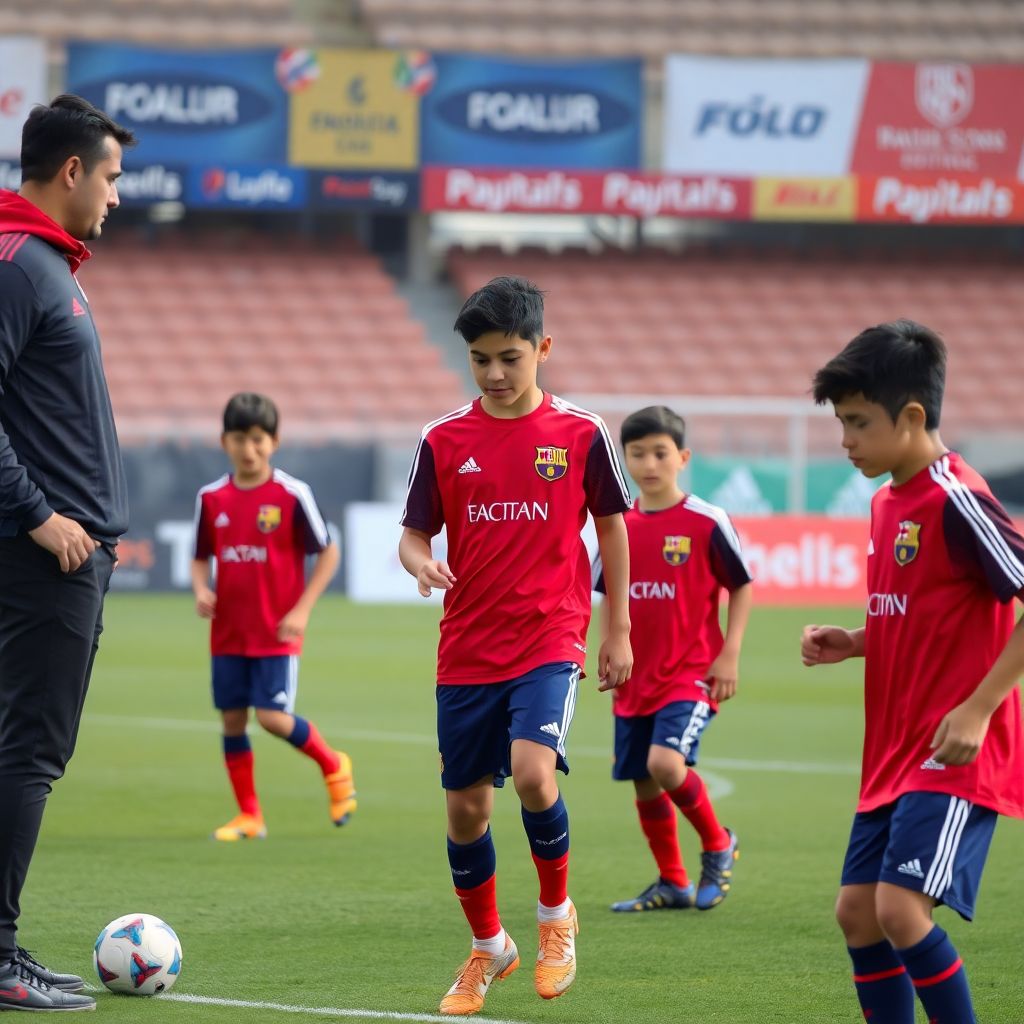
Commodifying youth talent: academies, scouts and the business of child prodigies
Youth talent commodification is the process by which children’s abilities, especially in sport, are turned into tradable assets through academies, scouting, contracts and image rights. It affects training, education and family life, particularly in contexts like academias de fútbol para niños talentos en España, and requires safeguards, transparency and low‑cost alternatives for responsible development. Core…
-
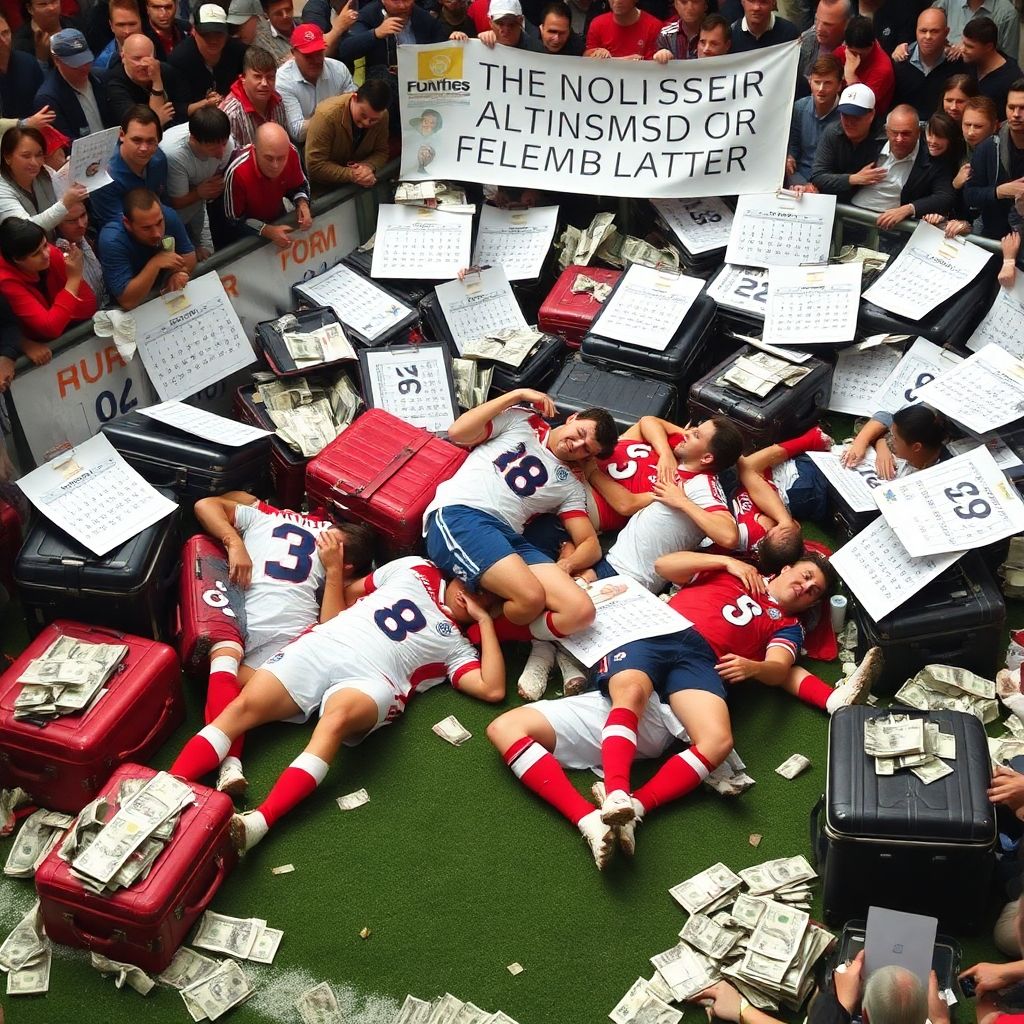
When business kills the game: impossible schedules, exotic tours and calendar chaos
Commercial pressure in football creates impossible schedules, exotic pre-season tours and calendar saturation that slowly damage sporting quality. If organisers always choose extra fixtures over rest, then injuries, predictable games and fan fatigue follow. The solution is to set hard limits: if a new event is added, then something else must disappear. Core consequences of…
-

History of the t-shirt: from workwear basic to global cult commodity
The T‑shirt began as a 19th‑century undergarment, became standard military workwear in the early 20th century, then turned into a pop‑culture icon and global commodity. Knowing this timeline helps you choose better: from camisetas personalizadas online to camisetas de coleccion edición limitada and ethically sourced basics. Pivotal moments that shaped the T‑shirt Late 19th century:…
-
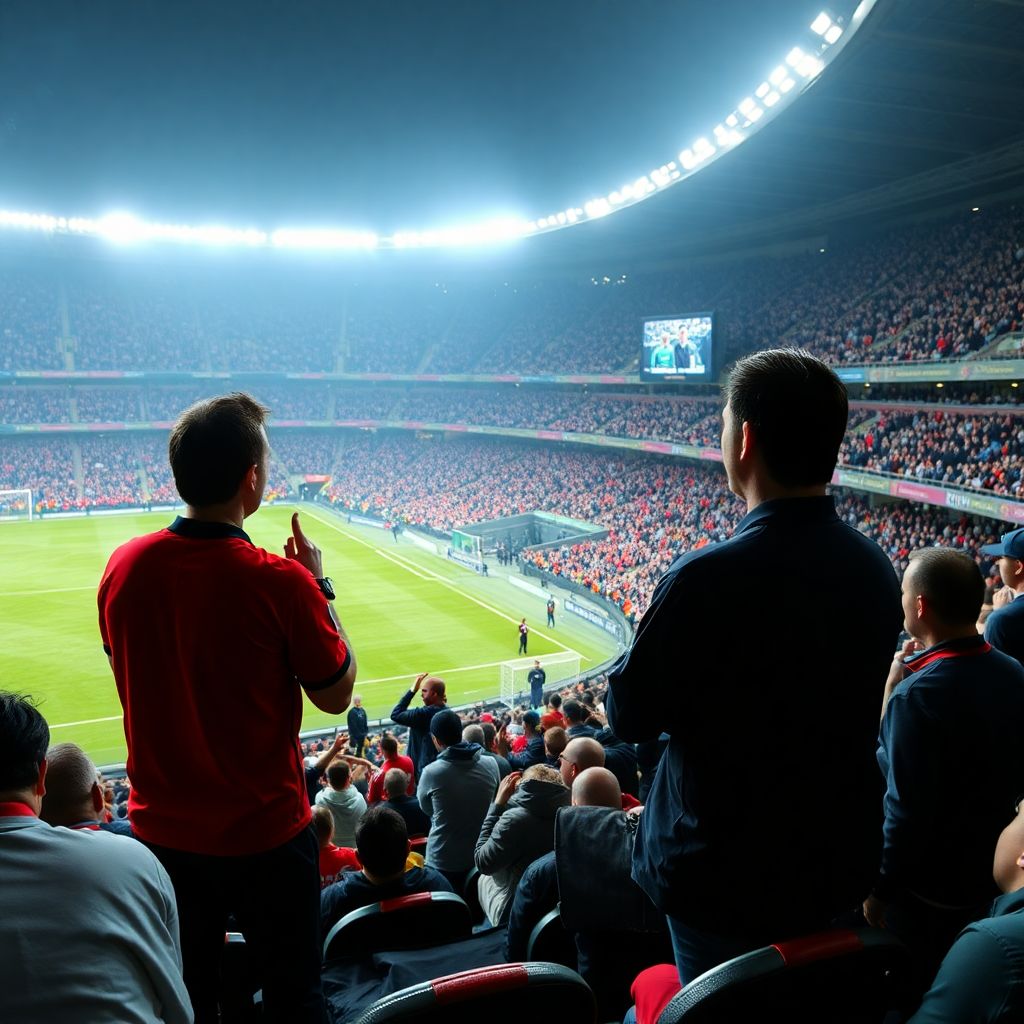
Var and the illusion of perfect justice in football: technology, power and trust
Video Assistant Referee reduces some clear mistakes but does not create perfect justice. New error modes appear: opaque protocols, power shifts to remote rooms, and selective intervention. To fix problems, diagnose symptoms (delays, confusion, distrust), separate technical from political causes, then adjust procedures, communication, and governance before changing core technology. Priority symptoms and immediate actions…
-
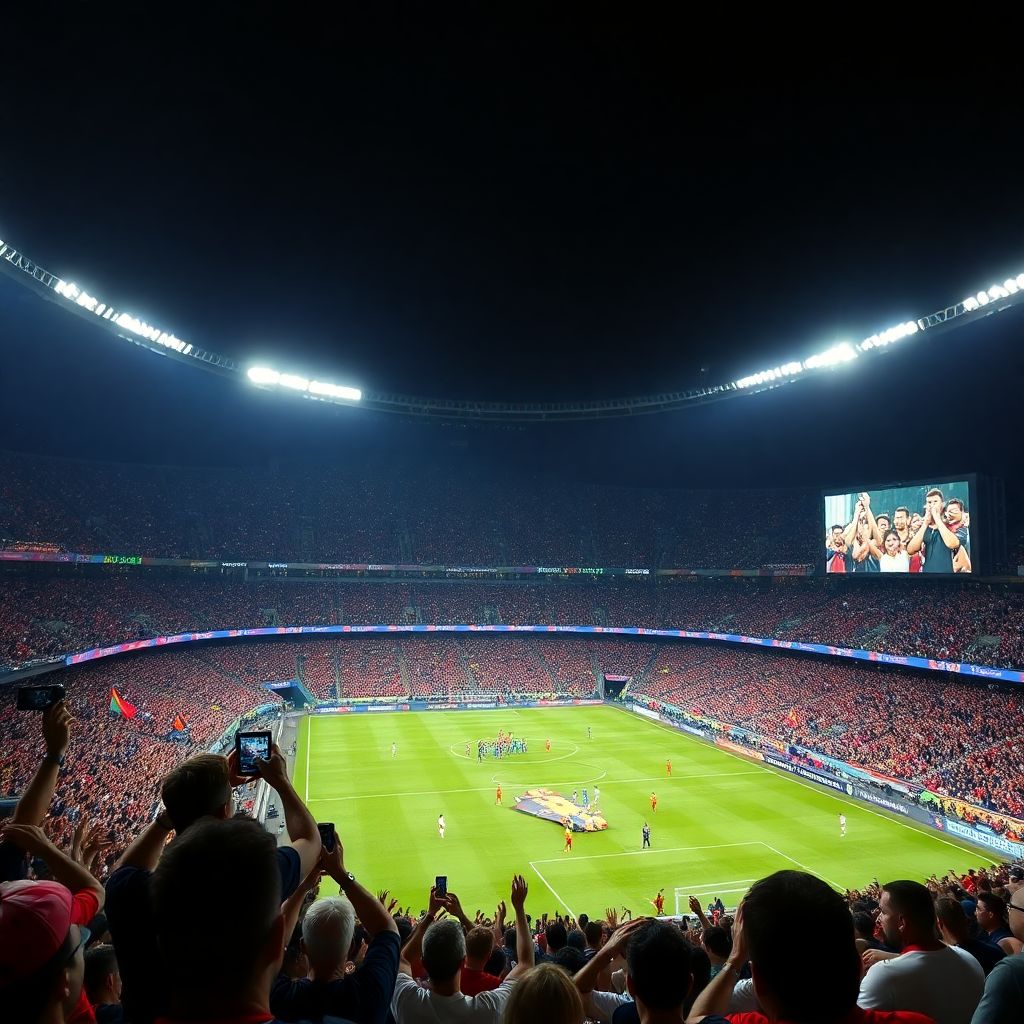
From field to screen: how television reshaped the meaning of the game
Television transformed football from local, potrero-based play into a global media product, changing what «the game» means for players, fans and clubs. Camera angles, commentary and schedules reshape how we read tactics, value individual brilliance and even define «success». Understanding this shift is essential for interpreting modern Spanish and global football culture. How TV Changed…
-

Football as a mirror of society: what our game reveals about collective values
Football reflects how we organise power, belonging and conflict, but never in a simple one-to-one way. It can reveal shared values around fairness, identity, gender or migration, while also hiding inequalities behind spectacle. Used carefully, it becomes a safe entry point to debate social issues; used naively, it produces clichés and stereotypes. Core insights linking…
-
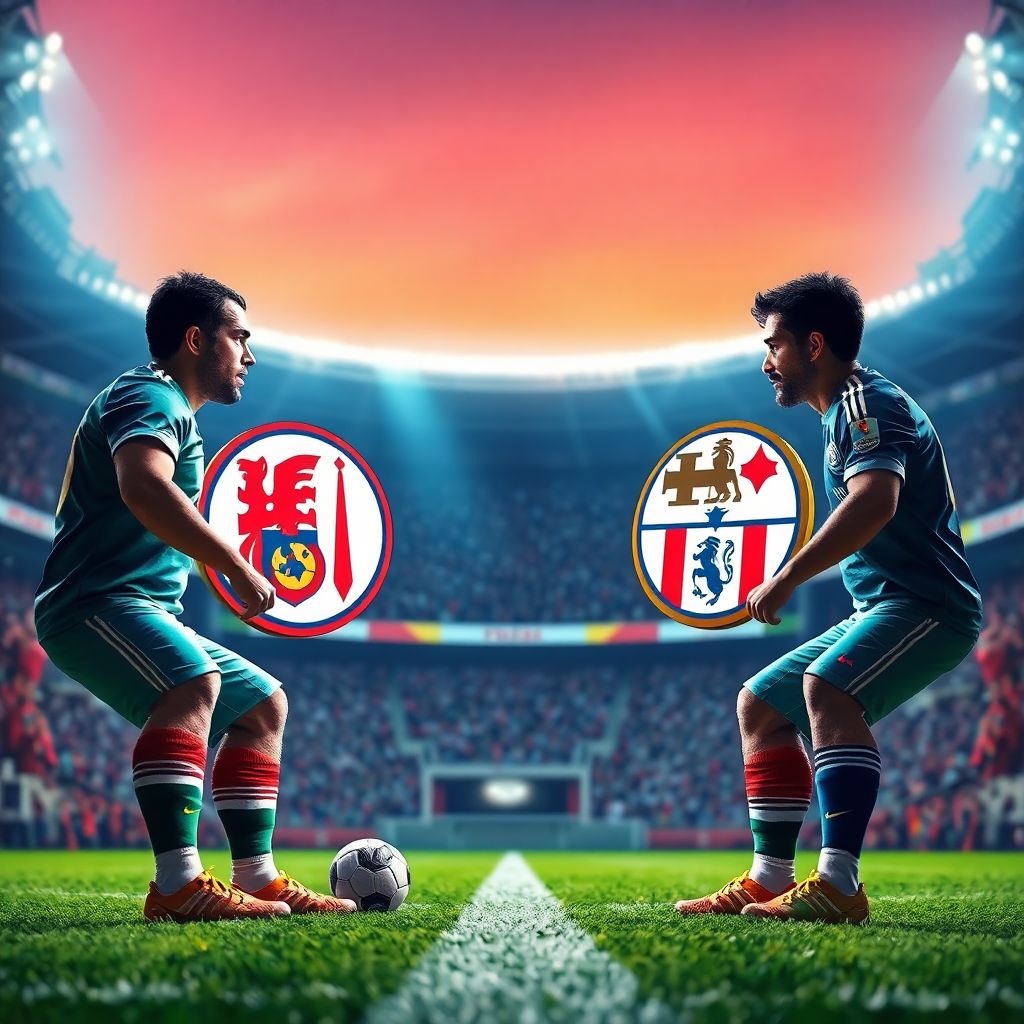
Economic inequality between leagues and clubs: fair competition or sports oligopoly?
Economic inequality between leagues and clubs is mainly shaped by TV money, global branding and ownership wealth. European football behaves closer to an oligopoly than to balanced competition, but smart revenue sharing, soft cost controls and targeted solidarity payments can improve sporting balance without destroying incentives for investment and high-performance clubs. Concise fiscal summary: implications…