Categoría: Impacto Sociocultural
-
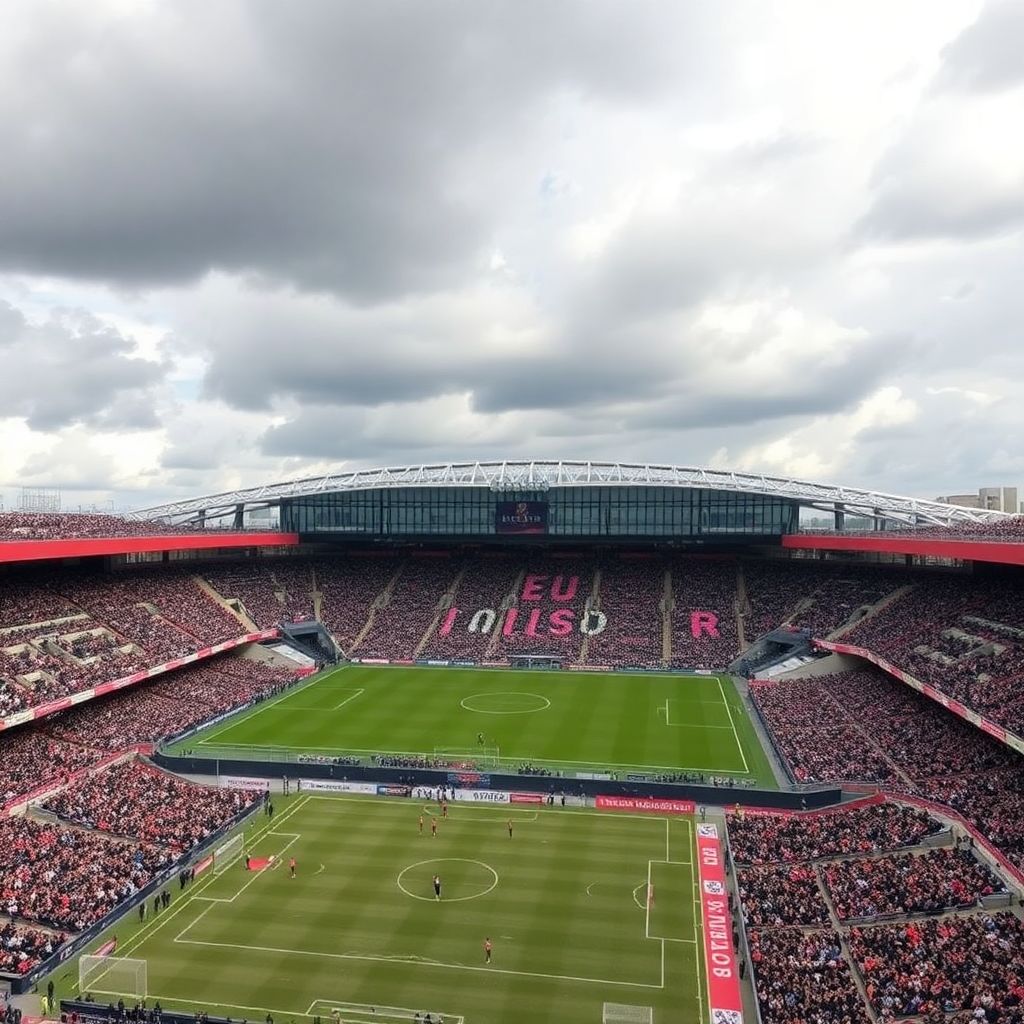
Gentrification of stadiums: from popular terraces to elite sports spectacle
Stadium gentrification is the shift from affordable, popular terraces to modern arenas dominated by corporate boxes, hospitality and VIP experiences. It combines stadium renovation, real estate speculation and pricing strategies that push out traditional fans. Preventing damage means planning early: price caps, protected popular sections, fan participation and transparent redevelopment rules. Common Misconceptions About Stadium…
-

Player transfers as commodities: ethics and dilemmas in ownership and trade
The idea of the transfer as merchandise means treating footballers as tradable assets whose economic rights are bought and sold in the mercado de pases. Ethically, this creates tension between a player’s human dignity and the logic of investment, speculation and profit that structures modern professional football globally and in Spain. Core ethical framework for…
-

The classic number 10 in extinction: tactical, economic and cultural causes
The classic No.10 is disappearing because modern football demands more pressing, physicality and versatility than the old free playmaker usually offers, while economic and cultural pressures reward multi-role players. Coaches can still protect creativity by redefining the role, adapting structures, and adding defensive tasks without killing the player’s instincts. Core functions of the classic No.10…
-
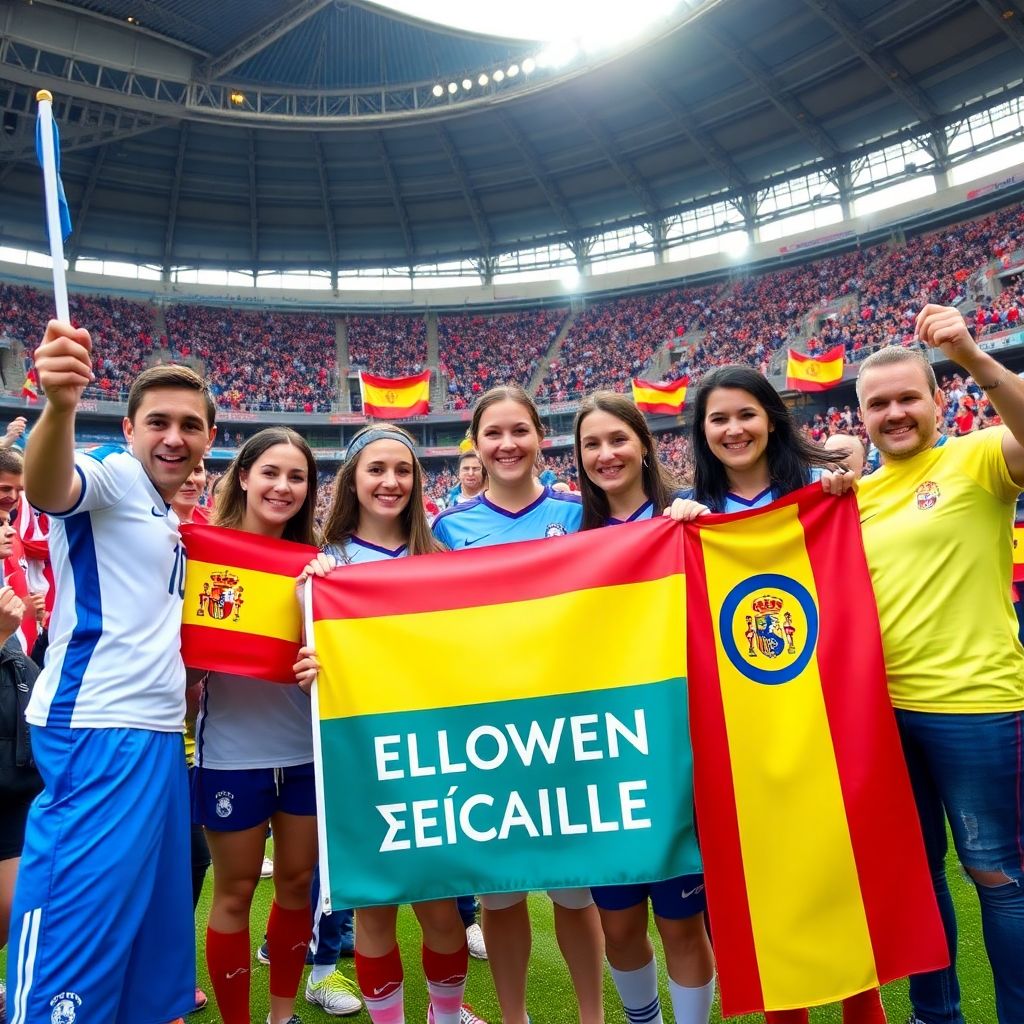
Women’s football: fight for visibility, equality and the redefining of football culture
Women’s football in Spain is a long-term project of visibility, equality and cultural change that mixes legal reforms, professional leagues, media strategies and grassroots work. The most sustainable approach combines three fronts: institutional pressure, commercial innovation and community engagement, balancing ease of implementation against political resistance, economic risk and backlash from conservative fan segments. Core…
-
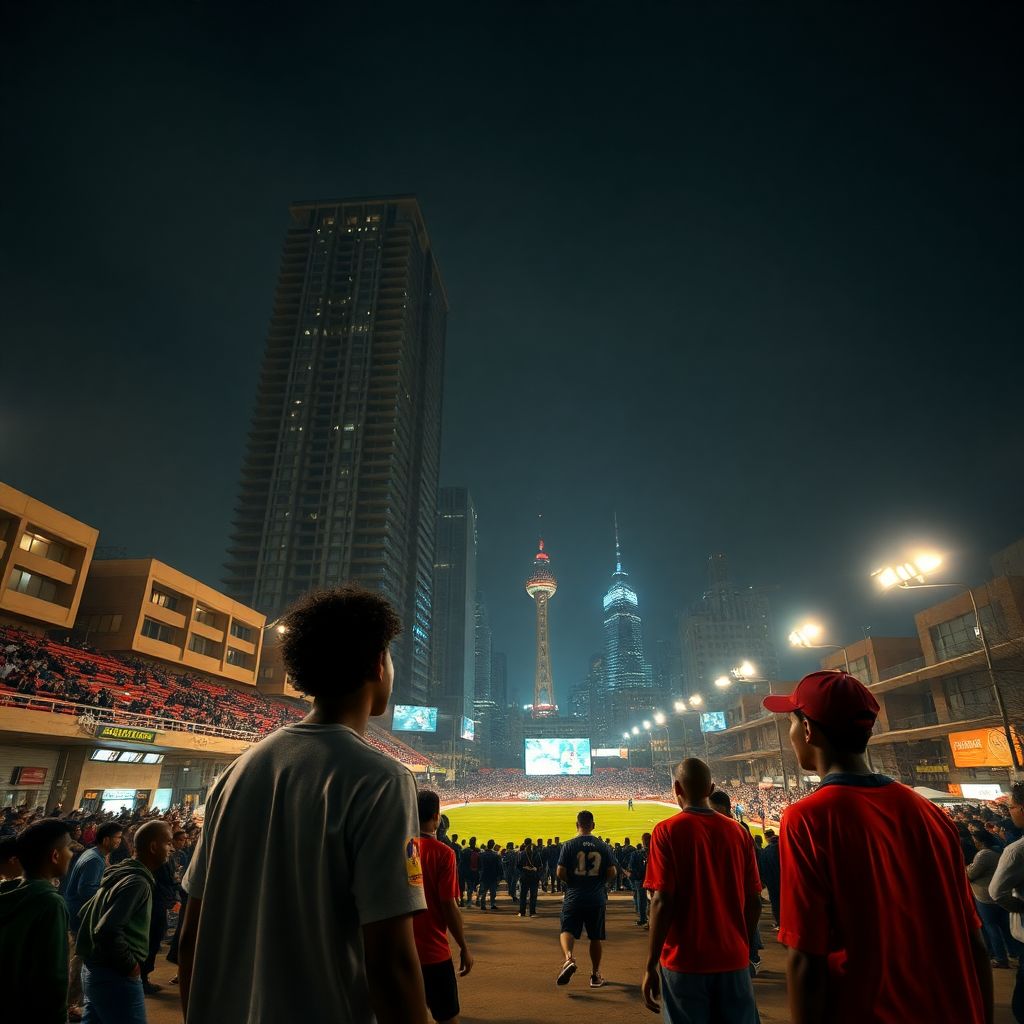
Social mobility through football: from barrio pitches to champions league realities
Football can open real but extremely rare paths of social mobility, especially for young people from low‑income backgrounds, yet most dreams of «del potrero a la Champions» never become professional contracts. Understanding how academies, scouts, education, and labor markets actually work is essential to turn passion into safer, more realistic life opportunities. Core arguments on…
-

The tyranny of statistics: do data enrich or impoverish our understanding of games?
Statistics enrich understanding of the game when they are treated as fallible clues, not absolute truth. They clarify patterns you cannot reliably see live, but they also lie when context, sample size and definitions are weak. The key is a repeatable review algorithm that tests every stat before turning it into decisions. Immediate implications for…
-
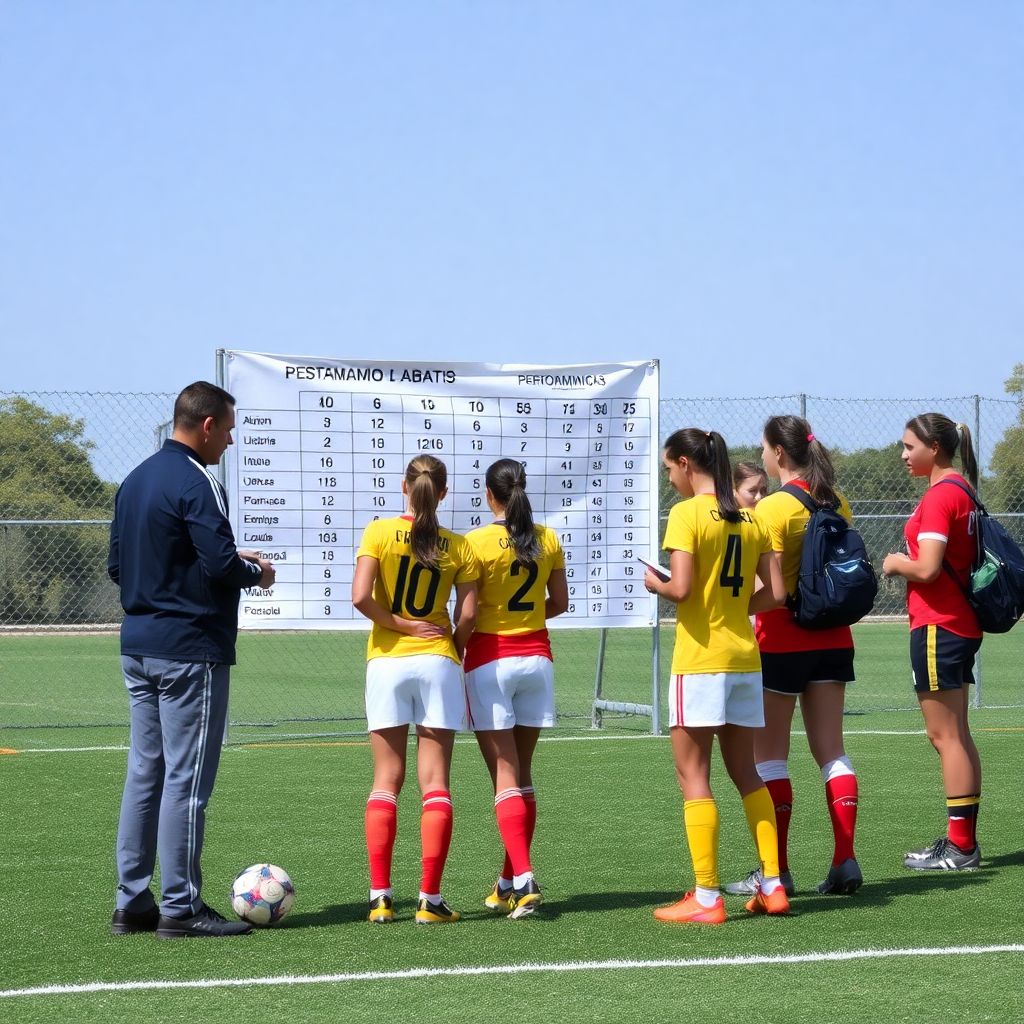
Womens football: fight for recognition, equal pay and deep cultural change
Women's football in Spain can move toward recognition, equal pay and cultural change by combining clear data, collective negotiation and targeted grassroots programmes. Use transparent KPIs, structured bargaining strategies, equity-oriented policies, and commercial growth plans that value women's competitions. Align this with education in schools and clubs to shift attitudes and retain girls. Executive briefing:…
-
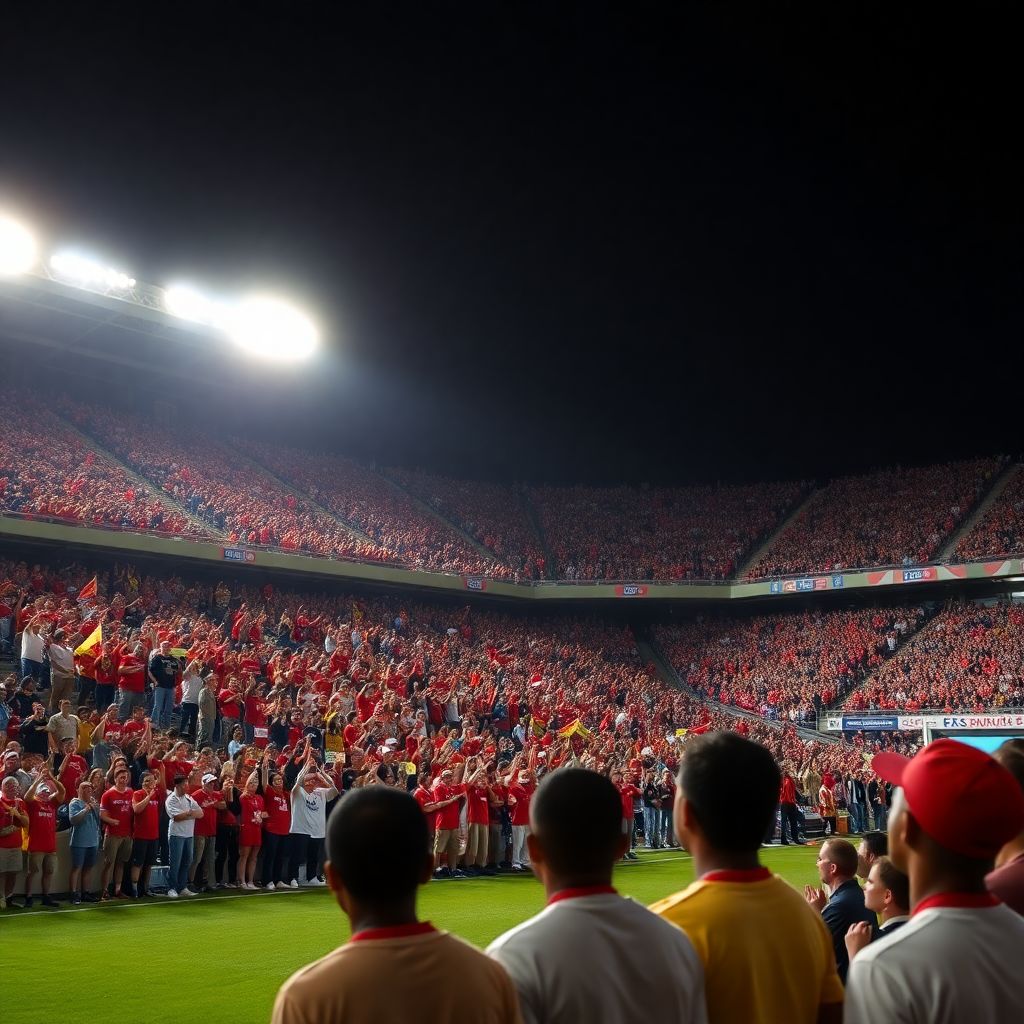
National identity and selection: how football shapes the modern idea of homeland
Football shapes national identity less by magically uniting everyone and more by offering regular, emotional «rehearsals» of belonging. National teams, rituals and media stories give people simple, repeatable ways to feel part of a collective. The effect is real but uneven, often excluding minorities and reinforcing existing power rather than transforming it. Core propositions on…
-
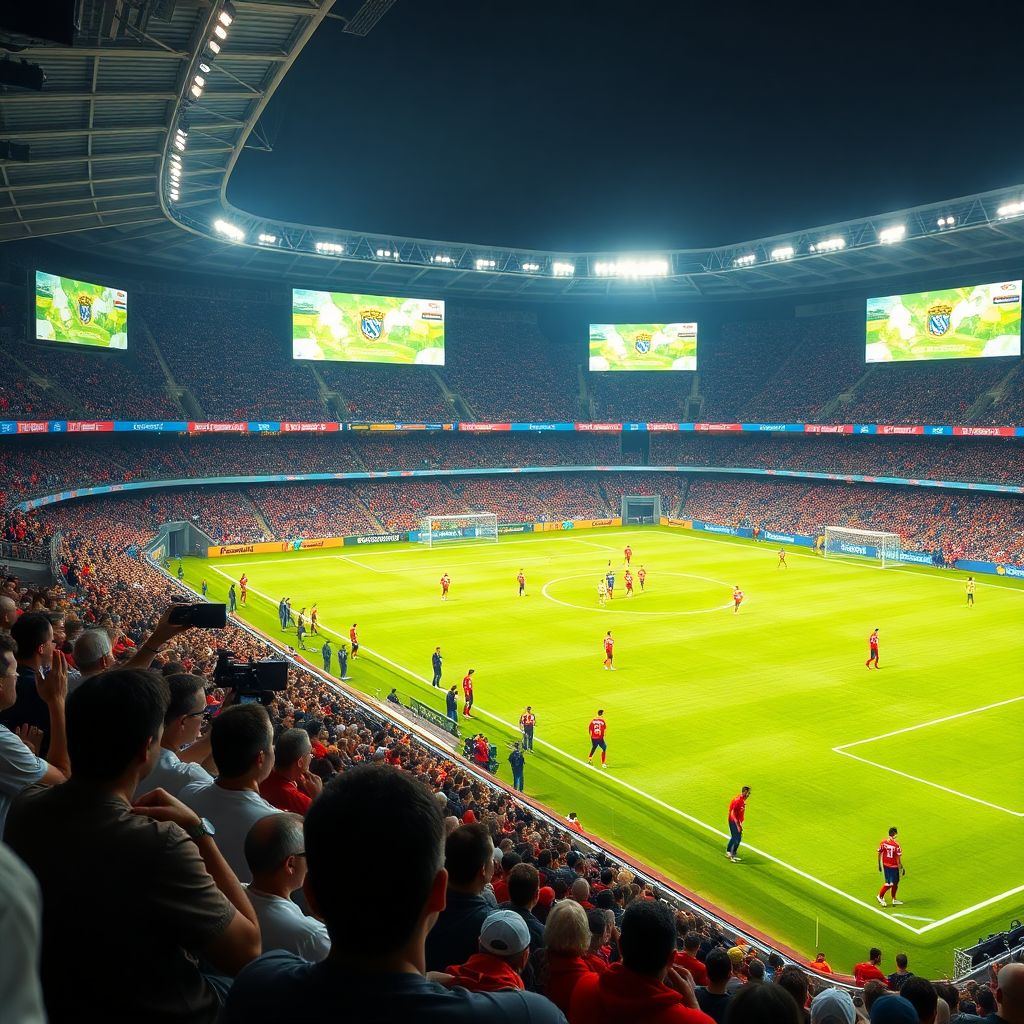
Football: when sport became spectacle and the beautiful game turned into a product
Football shifted from pure sport to marketable spectacle when clubs, leagues and broadcasters began structuring the game around television, sponsorship and global audiences rather than only local competition. This gradual change, accelerated from the 1980s onwards, turned matches, players and even fan attention into products to be packaged, priced and sold. Pivotal shifts that transformed…
-

How the overloaded calendar turns the footballers body into an exploited resource
A packed football calendar turns the player’s body into exhaustible capital: match density limits recovery, amplifies cumulative fatigue, and raises injury and performance risks while clubs chase sporting and commercial goals. Without strict workload management, players are rotated and replaced like assets, not treated as long‑term human performers. How a Packed Schedule Recasts Players as…