Categoría: Filosofía del Fútbol
-
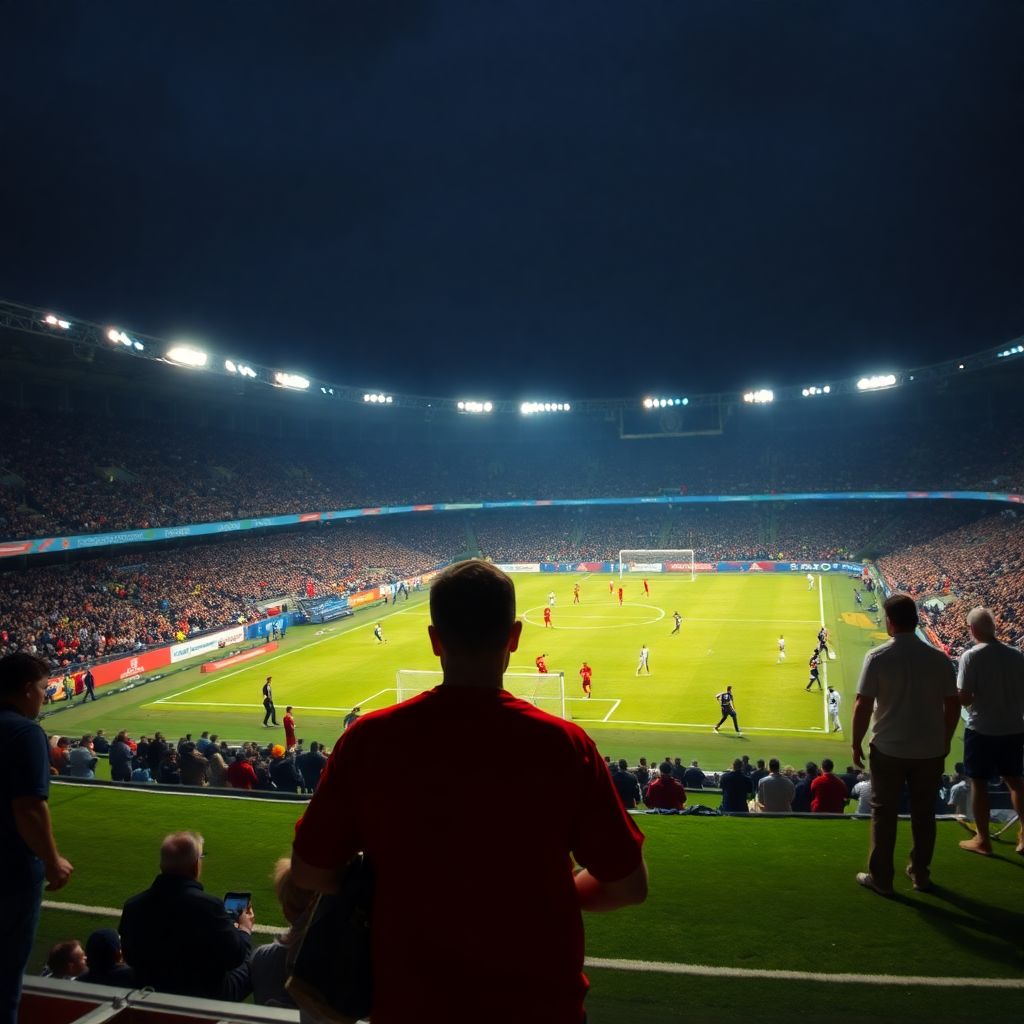
Can football be art?. A philosophical look at aesthetics and the spectator’s experience
Football can be considered art if we focus on its form, creativity and expressive power, not only on the result. Philosophical aesthetics helps distinguish when play acquires artistic value and when it remains mere entertainment. The spectator’s experience, institutions and media all shape this fragile, context‑dependent status. Thesis and Practical Implications for Viewing Football as…
-
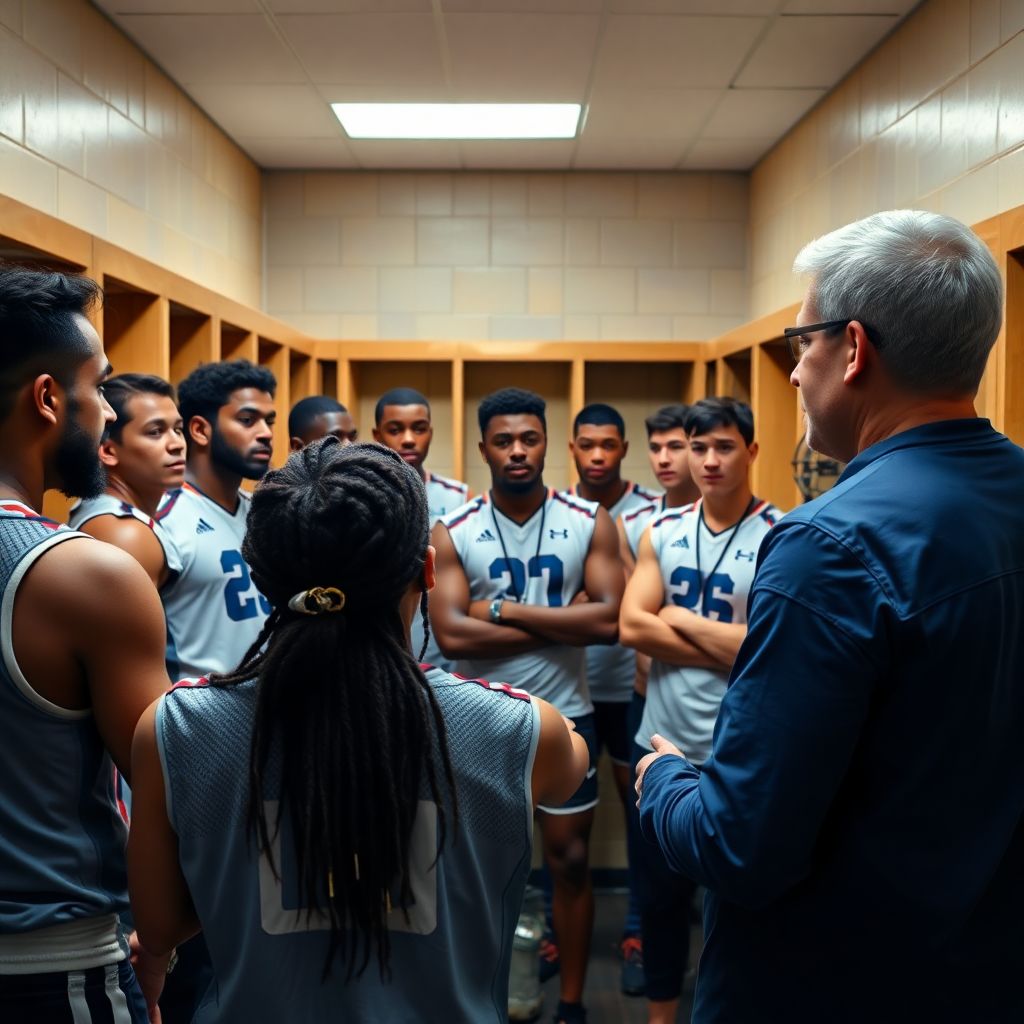
Captains, coaches and leadership: what authority do we need today
In the locker room and in society we need authority that combines clear role power (captain, coach, institution) with earned moral credibility and competence. Good captains and coaches do not rely only on shouting or titles: they give direction, listen, protect standards, and make others stronger and more autonomous. Core conclusions on captaincy, coaching and…
-
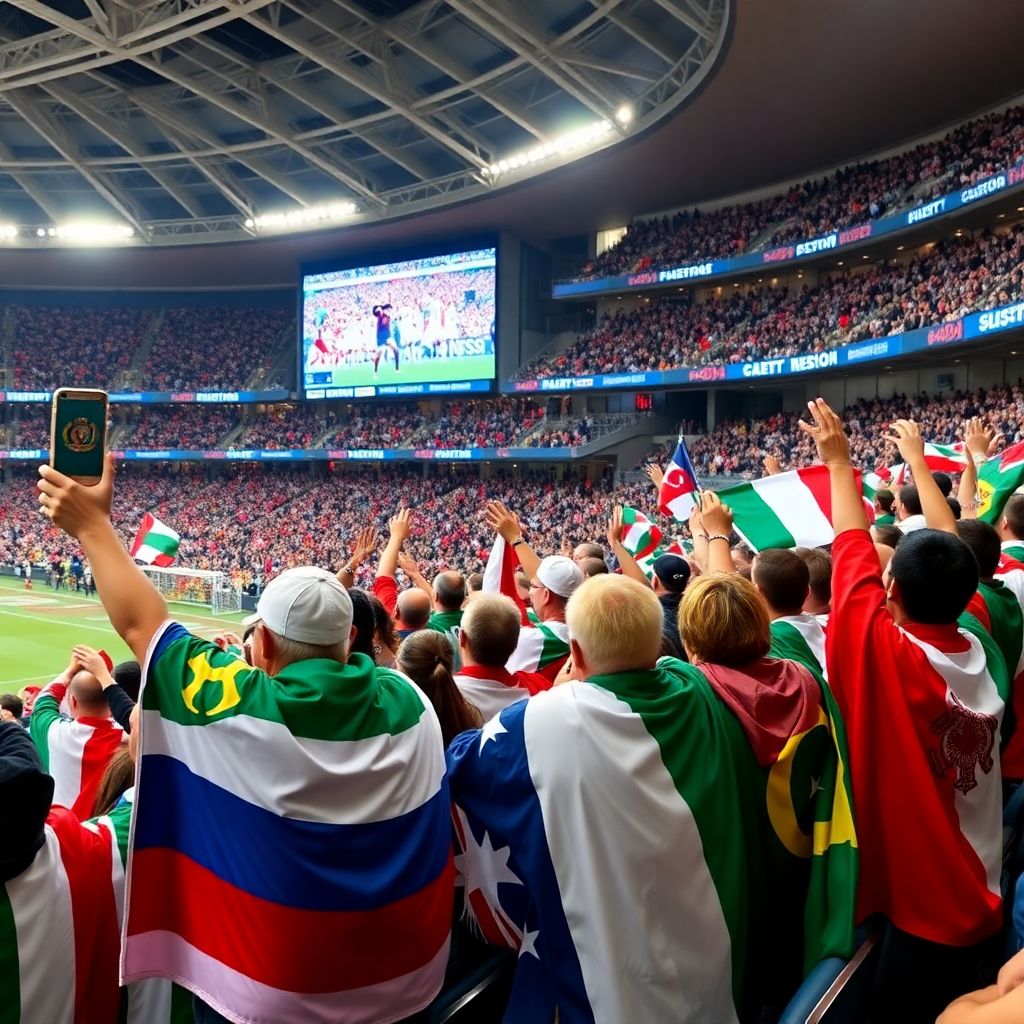
The role of football in shaping national identities and modern nationhood
Football helps build national identities by offering shared rituals, powerful symbols and repeated stories that define who «we» are. Matches, media coverage and everyday talk turn the national team into a common reference. To analyse this, observe history, rituals, political uses, migration dynamics and how people narrate victories and defeats. Foundations: how football shapes national…
-
From neighborhood idol to financial asset: the commodification of the footballer
Player commodification is the process by which footballers are treated primarily as tradable financial assets rather than as workers, community symbols or people. It appears in transfer talks, contract clauses, image rights, and investment schemes, and is visible in how clubs, agents, sponsors and fans talk about and value players. Defining player commodification: scope and…
-
Globalization and loss of local identity in the era of internationalized football
Globalization in football means that money, talent and audiences flow across borders, creating a powerful global industry but weakening many clubs’ local roots. The price of an increasingly internationalized game is often a slow, practical loss of community control, local identity and traditions that once defined clubs, leagues and matchday culture. Defining the phenomenon Globalization…
-
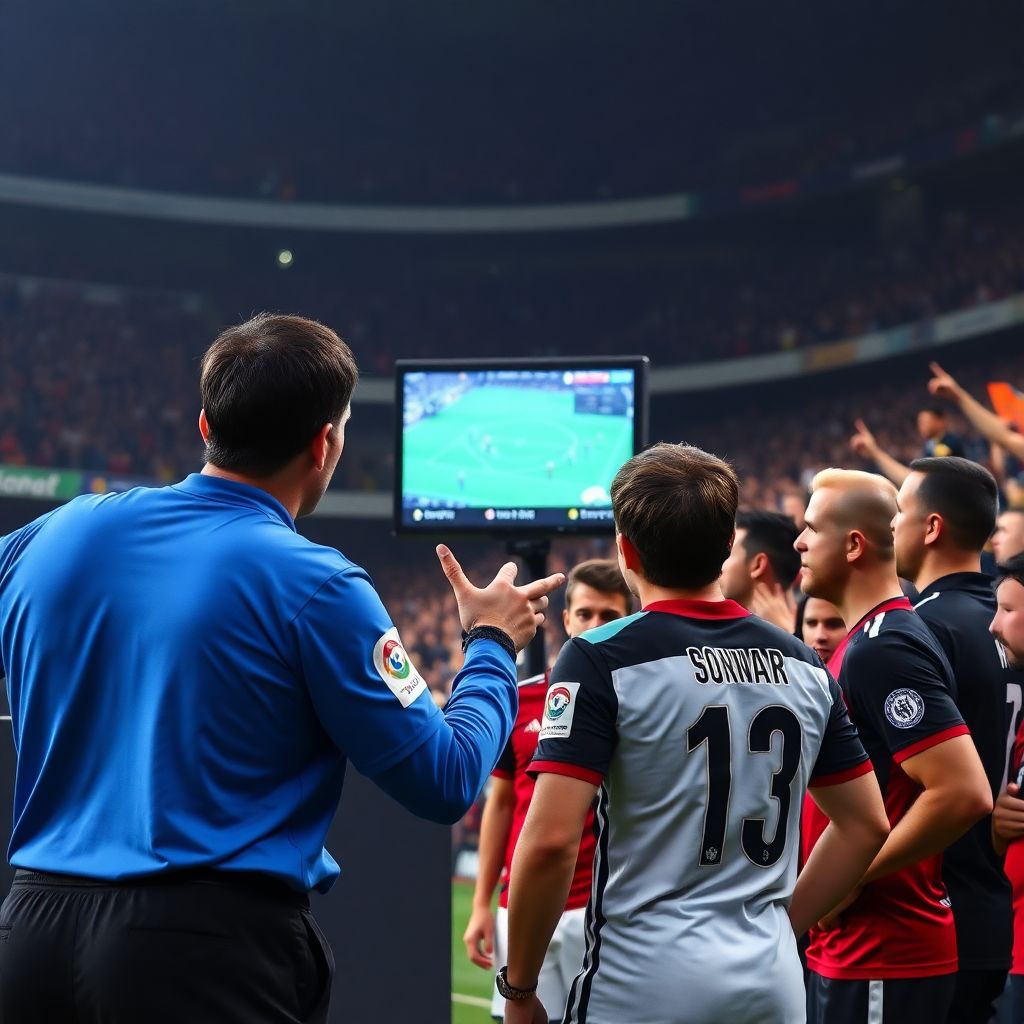
Var and the illusion of perfect justice in modern sport
Video Assistant Referee (VAR) is a support system that helps football referees correct clear and obvious errors, not a machine that guarantees perfect justice. It reduces some mistakes and controversies but introduces delays, interpretation issues and new debates about fairness, especially around marginal offsides and subjective fouls or handballs. Core conclusions about VAR’s promise and…
-
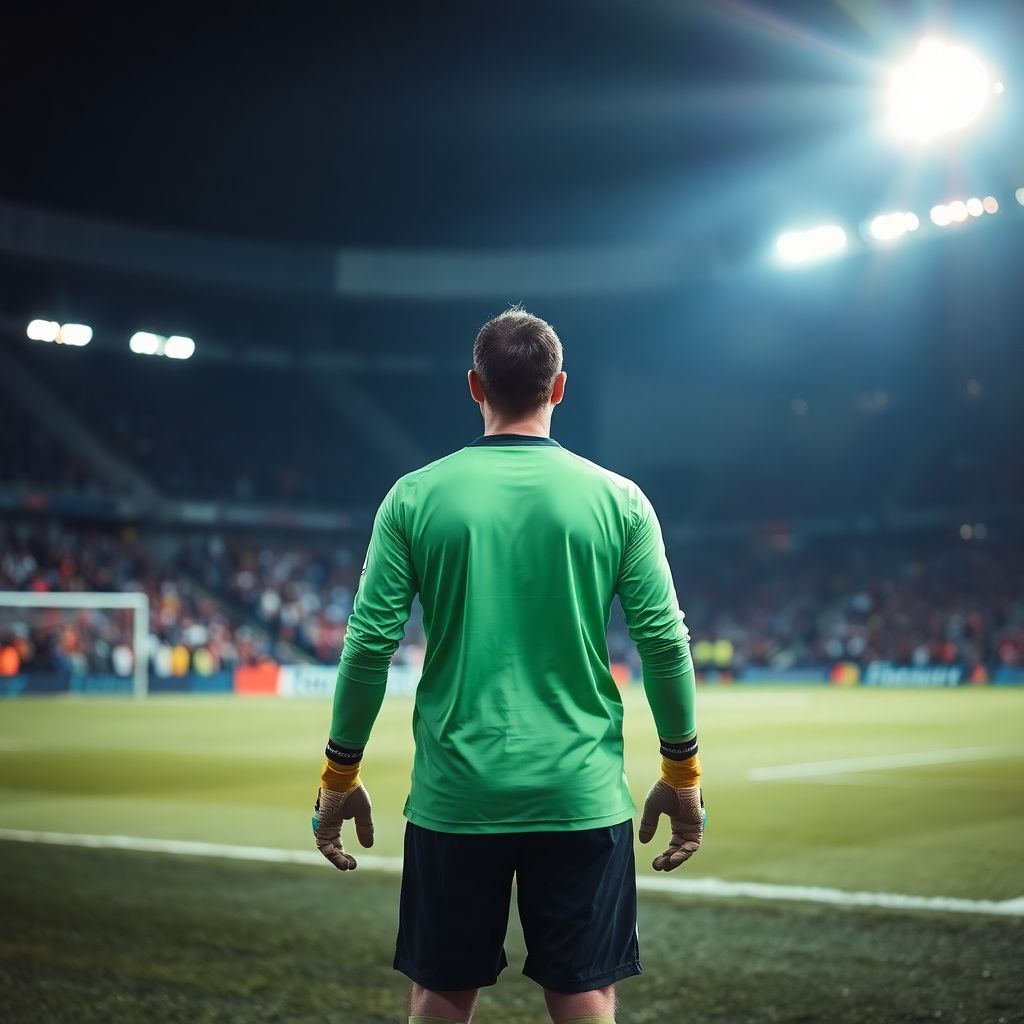
The philosophical role of the goalkeeper: solitude, responsibility and fatal error
The philosophical role of the goalkeeper combines radical visibility and deep solitude: one mistake defines the narrative, while dozens of good actions are ignored. The keeper embodies responsibility, negotiating fear of the definitive error through decision-making, courage and meaning-making, turning pressure into a personal ethic rather than a purely technical task. Core Philosophical Claims about…
-
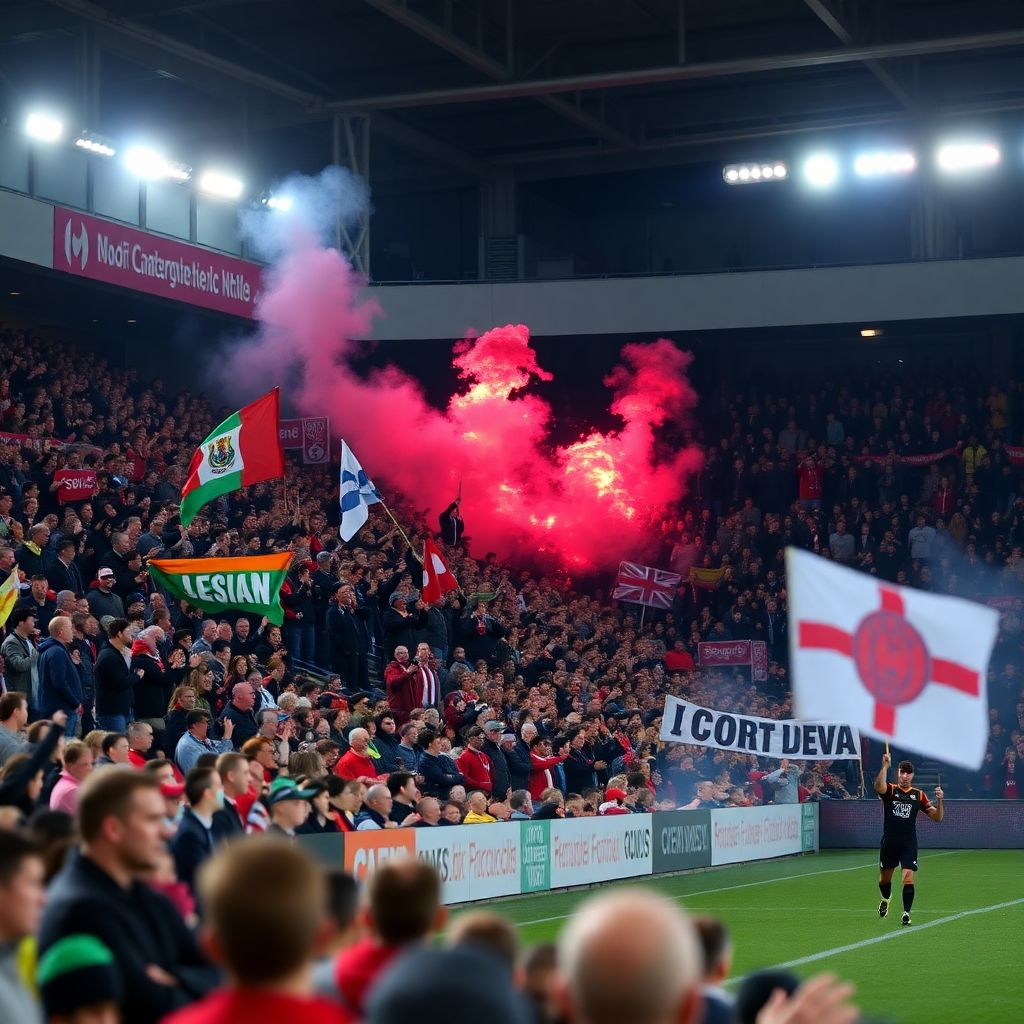
Ultras, barras and tifos: resistance movements or extensions of the spectacle market
Ultras, barras and tifos sit on a spectrum: they can be grassroots resistance to club owners, police and TV logics, but they can also become extensions of the spectacle market. The key is how groups are funded, governed and policed, and whether money, safety and legality are managed transparently and collectively. Core distinctions between grassroots…
-

Injuries, sacrifice and the body: a philosophical look at pain in professional football
Pain in professional football is not only a medical symptom but a philosophical problem about the body, sacrifice and risk. It involves how players understand their own bodies, how clubs value performance over health, and how culture turns suffering into heroism. Clarifying these layers changes decisions about training, treatment and retirement. Conceptual anchors: body, pain…
-
Football and social class: who plays, who watches and who profits
Football and social class interact through three channels: who can afford to play, who has time and money to watch, and who captures value from media, betting and sponsors. If you treat football as class-neutral, then you miss how costs, geography and institutions quietly filter talent, fans and profits. Core arguments at a glance If…