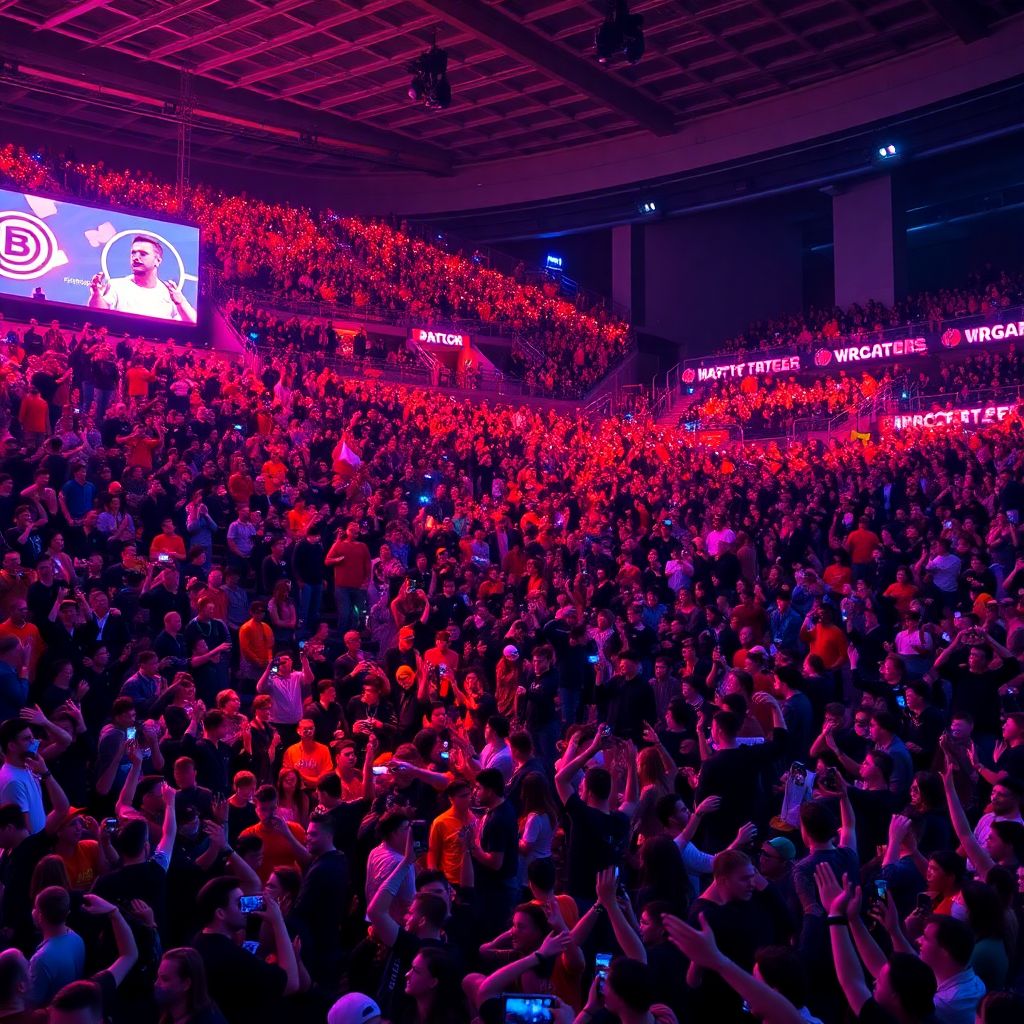
Online fanbases on social media are decentralized, always-on «digital terraces» where passion, identity and rivalry are amplified by algorithms. Managing them means balancing engagement and safety using a mix of policies, tools and workflows, each with different implementation effort and risk of backlash, escalation of toxicity or loss of organic reach.
Core misconceptions and realities
- Myth: Toxicity is the price of passion. Reality: Passion and harassment are different behaviors that require different rules, nudges and sanctions.
- Myth: Banning a few users solves it. Reality: Patterns, not individuals, drive most toxic cycles in fandoms.
- Myth: One global policy works everywhere. Reality: Context by club, sport and platform deeply shapes acceptable speech.
- Myth: More moderation always means less reach. Reality: Smart designs filter harm while preserving healthy hype and memes.
- Myth: Tools are enough. Reality: Culture, leadership and incentives decide whether tools reduce or hide problems.
Common myths about online fan communities
Myth to debunk: «Online fans are either loyal legends or dangerous trolls.» In reality, most supporters move fluidly along a spectrum from casual follower to hyper‑engaged ultra, depending on match results, scandals and how clubs communicate. Treating fandom as a binary leads to over‑reactions and clumsy policies.
Online fan communities in social networks are semi‑organized groups of supporters who gather around clubs, players, streamers or leagues. Unlike traditional stadium hinchadas, they coordinate across platforms, time zones and languages, often without formal leadership and without clear separation between official and unofficial spaces.
They operate across an ecosystem: official channels run by an agencia de social media para clubes deportivos y fanáticos, semi‑official fan pages, meme accounts, player accounts and private chats. Toxicity often flows along these connections rather than staying inside one «community», which complicates any gestión de comunidades de fans en redes sociales.
From a risk perspective, the main boundary to define is this: a fan community is any cluster of people whose identity and behavior are shaped by shared fandom, regardless of whether your organization «owns» the channel. Your responsibilities and tools change depending on ownership, but the harm to targets and brand can arise from any node.
Anatomy of the digital supporter: roles and behaviors
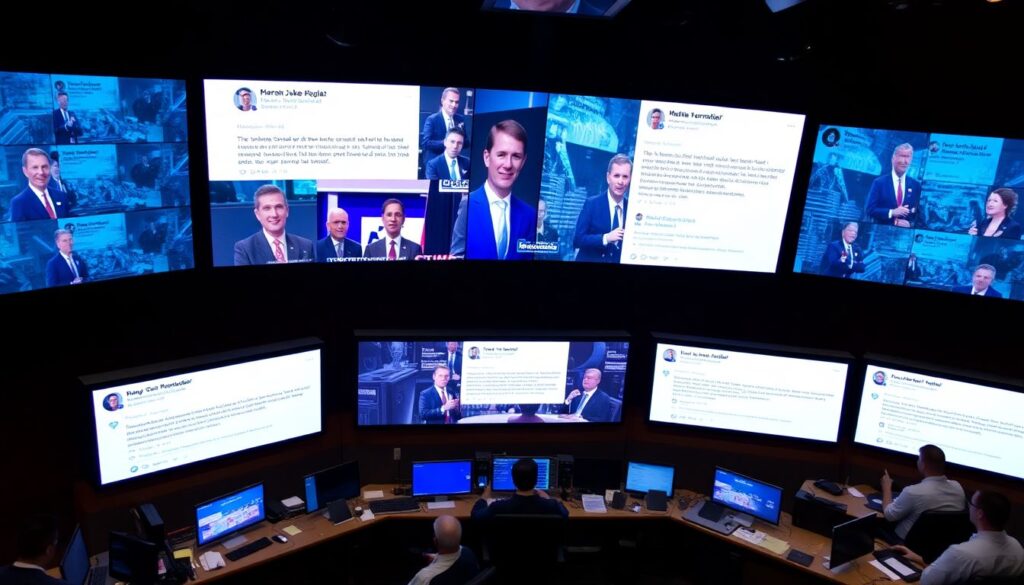
Myth to debunk: «Only anonymous accounts create trouble.» Many incidents start with highly visible fans, ex‑players or even official accounts signaling targets to a wider crowd. Understanding recurring roles helps you design realistic moderation rules and choose the right balance between human and automated interventions.
- Amplifiers (quote‑tweeters, sharers) – They spread content more than they create it. In a toxic pile‑on, they turn a local insult into a trending storm. For them, gentle friction (prompts, delays) is often more effective than hard bans.
- Shot‑callers (informal leaders) – Admins of big fan groups, popular YouTubers, podcasters. Their comments can legitimize harassment or calm tensions. Any serious gestión de comunidades de fans en redes sociales needs explicit relationships and expectations with these people.
- Memelords and ironists – They blur the line between humor and aggression. Moderation must look at patterns (who is targeted, how often) rather than isolated jokes, or you either kill the fun or normalize coded abuse.
- Defenders and upstanders – Fans who push back against hate. With the right signals (pinned posts, public support) they become organic moderators and reduce reliance on heavy‑handed policing.
- Drive‑by commenters – People who appear only after big games or scandals. Here, default safeguards, rate limits and software de monitoreo de comentarios tóxicos en redes sociales are crucial, because you cannot rely on community history.
- Official voices – Club, league and sponsor accounts, often outsourced to an agencia de social media para clubes deportivos y fanáticos. Their tone, jokes and quote‑tweets can either model healthy rivalry or legitimize harassment, especially when they quote individual players or journalists.
How toxicity emerges and propagates within fandoms

Myth to debunk: «Toxic outbreaks are random and impossible to predict.» They usually follow recognizable triggers and pathways. Understanding these scenarios helps you compare approaches by ease of implementation and risk: simple rule tweaks can sometimes prevent storms that would be hard to handle later with bans alone.
- Match‑day emotional spikes – Defeats, controversial calls or refereeing errors fuel status threats and group anger. With no pre‑set slow‑mode or temporary keyword filters, comment sections turn into walls of abuse that later become screenshots in the press.
- Scandals and off‑field incidents – Legal issues, political statements or personal life leaks often shift attention from teams to individuals (players, families, journalists). Without clear doxxing and harassment rules, «debate» quickly becomes targeted campaigns.
- Inter‑club rivalry escalations – Rival fans invade each other’s spaces with memes and insults. If you rely only on mass blocking, you risk radicalizing both sides and pushing them into less visible but more violent channels.
- Algorithmic pile‑ons – Platforms reward posts with high engagement. A controversial tweet by a player or pundit can be boosted by the algorithm into the feeds of hostile fanbases, generating quote‑tweet harassment at a scale no single moderator can review.
- Coordinated brigading from private spaces – Plans born in WhatsApp, Discord or Telegram become waves of abuse on public posts. Here, pattern‑based detection and software de monitoreo de comentarios tóxicos en redes sociales that catches velocity and repetition is more realistic than waiting for individual reports.
Platform affordances and policies that shape fan conduct
Myth to debunk: «Platforms are neutral; only people’s choices matter.» Design choices like quote‑tweets, story reactions or public follower counts nudge how fans express rivalry and anger. For practitioners, comparing approaches means looking at which levers are available and how risky they are to deploy in live, emotional environments.
Design features that can reduce or fuel toxicity
- Reply and mention controls – Limiting replies during high‑risk windows is easy to turn on but carries a risk of accusations of censorship. Using flexible controls (e.g., only followers, or followers for 24 hours) often balances convenience and backlash.
- Friction for high‑reach posts – Prompts like «Do you want to review this?» before posting or quote‑tweeting can reduce impulsive insults. The implementation cost is low if platforms provide the feature; the main risk is a slight drop in spontaneous banter.
- Visibility tuning – Tools that down‑rank harmful replies while keeping them visible to the author and their friends help de‑escalate without public drama. Risk: if overused, fans feel «shadow‑banned» and trust erodes.
- Group structure – Closed groups or communities can be easier to moderate but may create echo chambers where extreme norms harden. Open threads invite cross‑fan dialogue but also more drive‑by abuse.
Policy levers and their practical trade‑offs
- Zero‑tolerance on slurs – Clear, narrow lists are easy to implement with herramientas para moderar toxicidad en redes sociales and low‑risk legally, but they do not cover coded harassment or dog‑whistles.
- Context‑sensitive moderation – Allowing strong language within rival banter while banning attacks on protected characteristics is fairer but needs better training, more human review and stronger documentation.
- Progressive sanctions – Warnings, temporary mutes, then bans are widely accepted and easy to communicate. However, slow escalation can fail in fast, high‑profile crises where immediate, visible action is expected.
- Co‑regulation with leagues and broadcasters – Shared standards across clubs lower confusion and help agencies offering servicios de manejo de reputación online para fandoms. The trade‑off is slower change and potential lowest‑common‑denominator rules.
Practical moderation models and community governance
Myth to debunk: «You either let fans be free or you police everything.» In practice, organizations combine tools, rules and people into different models, each with its own implementation friction and risk profile. Choosing among them requires clarity on brand values, legal exposure and operational capacity.
- Centralized, staff‑only moderation – All decisions taken by club or league staff (often via an external agencia de social media para clubes deportivos y fanáticos). Easy to standardize and document; risk: slow response during spikes and perception of «the club versus the fans».
- Layered moderation with fan stewards – Trained fan reps help flag and de‑escalate before staff intervene. Implementation is socially harder (you must recruit, train and support them) but risk of blind spots is lower, because norms emerge with community input.
- Automation‑first workflows – Heavy use of filters, auto‑hides and scoring via herramientas para moderar toxicidad en redes sociales. Easy to scale; high risk of false positives, culture clashes («robots killing passion») and adversarial adaptation by toxic actors.
- Policy‑led, content‑light approach – Clear public rules, visible enforcement in a few emblematic cases, and otherwise light touch. Very convenient to run, but if you under‑invest in software de monitoreo de comentarios tóxicos en redes sociales, you risk invisible harms persisting in replies and DMs.
- Reputation‑management focus – Some servicios de manejo de reputación online para fandoms concentrate on protecting the brand image, not people. Fast at removing visible scandals, but high ethical and legal risk if abuse of individuals (e.g., journalists, minorities) is ignored.
Evaluating harms: metrics, signals, and long-term effects
Myth to debunk: «If there are no trending scandals, the strategy works.» Absence of public crises does not mean absence of harm. Silent attrition, self‑censorship and normalization of low‑grade abuse are slower signals but critical when comparing moderation approaches and deciding how much friction to accept.
For intermediate practitioners in Spain, evaluation should mix quantitative and qualitative indicators, and connect clearly to the tools and workflows you deploy: from basic manual monitoring to full software de monitoreo de comentarios tóxicos en redes sociales pipelines integrated with your CRM or alerting systems.
Practical mini‑case: comparing two moderation setups
Imagine a La Liga club choosing between two options for match‑day comment threads on Instagram and X/Twitter:
- Lightweight setup: basic keyword filters, manual review by one social media manager, occasional content deletion. Very easy to implement and cheap, but high risk that coordinated abuse against a player’s family goes unnoticed for hours, causing press coverage and internal distress.
- Structured setup: pre‑defined playbook plus tooling. This includes:
- Time‑boxed «high‑risk windows» (from 30 minutes before to 2 hours after the match) with stricter reply limits.
- Velocity alerts from software de monitoreo de comentarios tóxicos en redes sociales when similar insults spike.
- Escalation paths: social manager → legal/comms → player liaison.
The structured setup is harder to launch (coordination, training, vendor selection) but significantly lowers long‑term risks: fewer media scandals, less player burnout, clearer evidence logs for leagues and sponsors, and more predictable workloads for any partner offering servicios de manejo de reputación online para fandoms.
Concise answers to recurring practitioner questions
How is a digital hinchada different from a traditional stadium fanbase?
Digital hinchadas are always on, cross‑platform and often leaderless. Emotions spread faster, norms are less clear, and screenshots make local abuse instantly global, so your governance must anticipate scale and permanence, not just match‑day vibes.
What is the safest starting point for a small club with limited staff?
Define two or three non‑negotiable rules (e.g., no racist or violent threats), set up basic keyword filters, and document a simple escalation flow. This is easy to implement and already reduces legal and reputational risk without requiring a big moderation team.
When do I need specialized tools or monitoring software?
Once volume exceeds what one person can realistically read, you need at least basic analytics and alerts. At that point, adopting herramientas para moderar toxicidad en redes sociales or broader software de monitoreo de comentarios tóxicos en redes sociales is less risky than flying blind.
Can outsourcing social media to an agency solve toxicity problems?
An agencia de social media para clubes deportivos y fanáticos can implement workflows and tools faster, but cannot replace clear values and rules from the club or league. Without that, agencies tend to prioritize brand optics over community health.
How do I avoid over‑moderating passionate rivalry?
Separate content rules around protected characteristics and safety from looser guidelines on sports banter. Communicate this distinction publicly, use examples, and rely on pattern detection rather than punishing isolated emotional comments after big matches.
What KPIs matter beyond «number of bans»?
Track repeat incidents, time‑to‑intervention in serious cases, sentiment towards targets (players, journalists), and whether minority or critical voices stay active. Fewer bans with more upstander activity is usually a better sign than high ban counts.
How does fan community management intersect with reputation services?
Effective gestión de comunidades de fans en redes sociales protects both people and brand. Purely cosmetic servicios de manejo de reputación online para fandoms may reduce visible scandals while allowing persistent harm in comments and DMs, which eventually damages trust anyway.