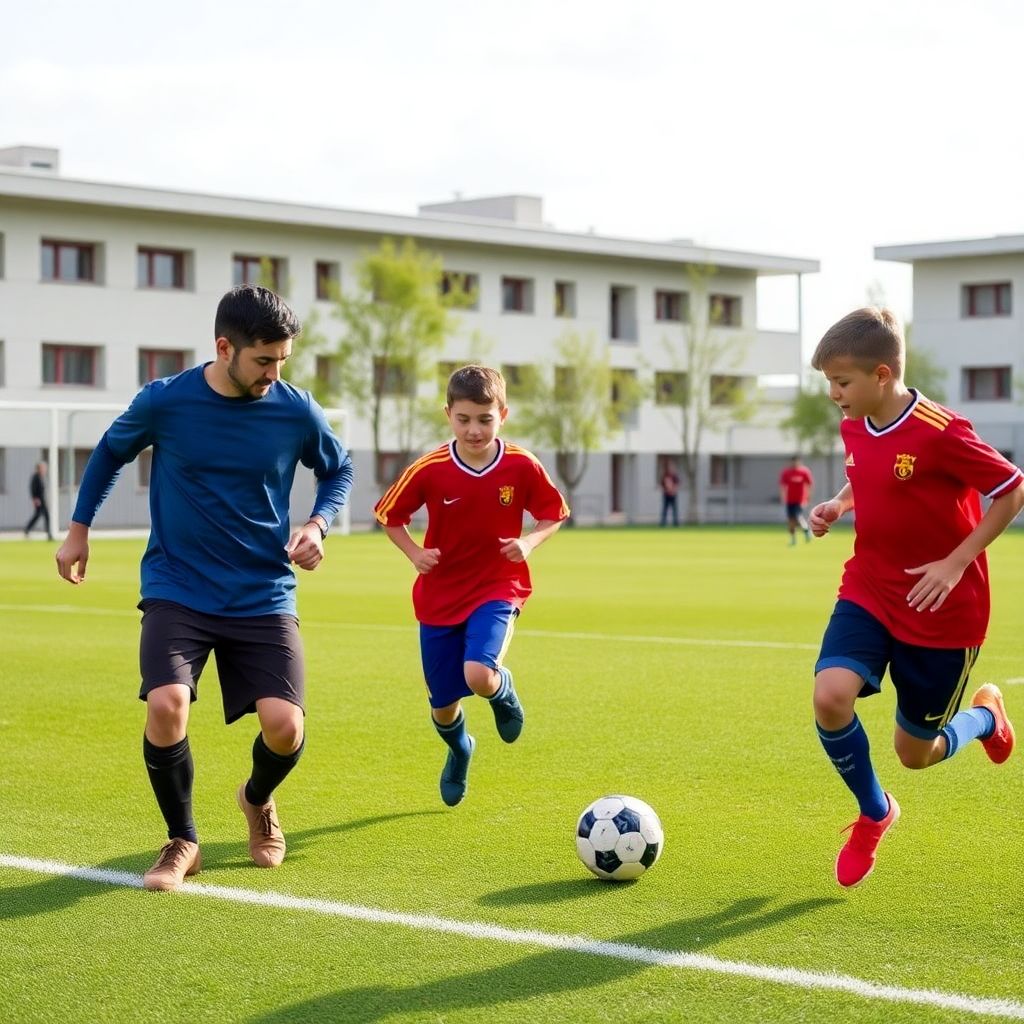
Choose values-based programs when you want balanced growth, strong academics and safe environments; choose asset-focused canteras when your priority is maximising elite performance and potential transfer value. For most families in Spain, a hybrid model that blends formación integral de futbolistas jóvenes with professional structures is optimal. Decide using goals, budget, risk tolerance and education priorities.
Core distinctions: values education versus asset-driven models

- Values-focused escuelas de fútbol para juveniles con valores prioritise education, wellbeing and character; asset-focused setups optimise scouting, performance data and market value.
- Educational academias de fútbol base con enfoque educativo integrate school support and life skills; asset factories often outsource or downplay formal education.
- Asset-driven canteras push competition intensity and early selection; values programmes guarantee minutes, rotation and long-term learning.
- Commercial models depend on transfer fees, image rights and sponsorships; values models rely more on fees, local grants and community support.
- Risk of burnout, injury and academic gaps is higher in aggressive asset pipelines than in programas de formación deportiva y valores para jóvenes.
- Hybrid systems seek to protect ethics and child welfare while still connecting talent to the mejores canteras de fútbol para desarrollo de talento.
Historical drivers: how youth programs shifted toward monetization
- Professionalisation of top leagues: Growing TV deals and sponsorships made young players clear financial assets instead of just community members.
- Transfer market inflation: High fees encouraged clubs to industrialise youth development, turning canteras into structured pipelines of saleable talent.
- Global scouting networks: International competition for prospects pushed Spanish clubs to spot and sign younger players, sometimes before solid values education.
- Private academy boom: Independent academies began to sell «pathways to pro» more than formación integral de futbolistas jóvenes, reinforcing asset logic.
- Agent and intermediary influence: Representation moved earlier into adolescence, shifting families’ decisions towards short-term exposure and trials.
- Data and performance analytics: GPS, video and metrics made it easier to quantify «upside» and justify investment, supporting asset-driven strategies.
- Municipal budget pressures: Cuts in public sports funding pushed clubs away from purely social projects toward self-sustaining, performance-focused models.
Pedagogical aims and evaluation: assessing character formation outcomes
The following options span from values-centred community schools to highly commercial asset factories. Use them to frame local choices among academias de fútbol base con enfoque educativo, club canteras and private centres in Spain.
| Variant | Best for | Advantages | Drawbacks | When to choose |
|---|---|---|---|---|
| Community values-focused school | Families prioritising education, social skills and safe local play | Strong emphasis on respect, teamwork, inclusion; moderate fees; guaranteed minutes; links with local schools and programas de formación deportiva y valores para jóvenes. | Limited exposure to elite competition; fewer professional contacts; slower tactical sophistication. | Choose when you want stable development from 6-14 and are unsure about a professional career. |
| Hybrid educational club academy | Players with good potential whose families also value academic success | Balanced training loads; academic tutoring; clear behaviour rules; some access to scouts and tournaments; typically mid-level costs. | May not match the intensity of the very mejores canteras de fútbol para desarrollo de talento; limited scholarships compared to big clubs. | Choose for long-term formation integral and to keep doors open both to higher studies and semi-professional football. |
| Elite club cantera (asset-focused) | Highly talented players ready to compete nationally and accept strong pressure | Top coaches and facilities; intense competition; regular scouting and pathway to professional contracts; most structured individual development plans. | High stress; less tolerance for late developers; some programmes expect families to accept frequent relocations and schedule sacrifices. | Choose when a club has made a concrete offer and the player already stands out clearly versus regional peers. |
| Private high-fee performance centre | Families with budget for premium services and international exposure | Small groups, specialist staff (nutrition, psychology); international tournaments; often bilingual or international schooling on campus. | Very high cost; variable quality; some centres overpromise «guaranteed trials» and focus more on marketing than formación integral de futbolistas jóvenes. | Choose only after verifying track record, academic quality and transparent placement statistics. |
| Agent-driven scouting network | Older teens already playing at good level needing visibility | Access to trials and clubs outside your region or country; performance footage and negotiation guidance. | Not a pedagogical environment; focus on short-term contracts; risk of neglecting education and values; fees or commission structures may misalign incentives. | Choose as a complement, never a replacement, to a stable club or academy with strong educational standards. |
Commercial infrastructure: how clubs, academies and agents create financial assets
Commercial setups treat youth players as potential financial returns. Understanding the infrastructure helps you decide between budget and premium options without sacrificing ethics.
- If you have a limited budget and value stability, then prioritise community clubs or escuelas de fútbol para juveniles con valores that offer clear fee structures and protection from aggressive third-party scouting.
- If your child is already in demand from big clubs, then analyse how each cantera structures training compensation, image rights and education support before signing anything.
- If a private academy pitches «European exposure», then check whether they earn mainly from tuition or also from transfer percentages; high dependence on transfer income often means more asset-driven decisions.
- If an agent offers free training or travel, then ask exactly how they recover costs through commissions or future rights; «free» often means your child is the asset underpinning their business model.
- If you are evaluating a budget-friendly municipal project, then confirm that low fees do not imply over-crowded groups, unqualified coaches or unsafe facilities.
- If you consider a premium residential academy, then ensure the higher price really funds qualified teachers, safeguarding and medical support, not just marketing and hotel-like facilities.
Budget-first cost-benefit: funding models, unit economics and ROI metrics
- Define your budget ceiling per season (travel, kits, camps, medical checks) before visiting any academy; this prevents emotional decisions during trials.
- Assign a «return» definition: it could be healthy habits, university options, semi-pro level or a realistic chance of professional football, not only transfer fees.
- Compare cost per hour of quality coaching across programmes; a slightly more expensive option with double the coaching hours and strong values may offer better ROI.
- Use a simple ROI check: if a premium academy costs twice as much, ask whether it at least doubles key benefits (technical growth, academic support, safety, exposure) compared with cheaper options.
- Evaluate indirect costs: transport time, missed school hours, injury risk and family stress can turn an apparently cheap asset-focused pathway into an expensive one.
- Reassess annually: if development stalls or school results drop while costs remain high, switch towards academias de fútbol base con enfoque educativo or hybrid models.
Regulatory, ethical and child-protection considerations in commercial setups
- Ignoring written contracts and trusting verbal promises about future trials or scholarships.
- Signing talent rights or long agent agreements for minors without independent legal advice.
- Underestimating the impact of intense travel schedules on schooling and rest.
- Accepting training environments that normalise shouting, humiliation or excessive pressure as «high performance».
- Failing to ask for safeguarding policies, background checks and emergency protocols, especially in residential programmes.
- Letting commercial interests override medical decisions on injuries or return-to-play timelines.
- Not checking whether the academy complies with local federation rules on minors and transfer compensation.
- Confusing social media visibility with real development, particularly when academies push constant posting of young players.
Operational roadmap: designing hybrid programs that preserve values and deliver returns
Values-centred community schools are usually best for most children’s wellbeing, confidence and long-term love for football, while elite, asset-focused canteras suit a small group of clearly outstanding talents ready for pressure. Hybrid, education-strong programmes offer the best compromise for families wanting development, safety and realistic pathways within the Spanish system.
Practical concerns and concise clarifications
How do I distinguish a genuine values-based school from good marketing?
Look for written educational projects, collaboration with local schools, coach training in pedagogy and clear disciplinary codes. Talk to current families about how the club handles conflicts, playing time and academic problems.
At what age should I consider an elite, asset-focused cantera?

In most cases, wait until your child stands out clearly versus regional peers and shows emotional maturity to handle selection pressure. Before that, prioritise stable programmes de formación deportiva y valores para jóvenes near home.
Is a premium private academy in another country worth the cost?
Only if it combines recognised schooling, strong safeguarding, qualified staff and a proven track record of placing graduates into realistic next steps. Compare cost per year and outcomes with top local options first.
Can a values-based community club still lead to professional football?

Yes, especially in regions with strong scouting where mejores canteras de fútbol para desarrollo de talento monitor local leagues. The key is progressive challenge and occasional exposure to higher-level tournaments.
How often should we review our child’s development plan?
Once per season is a minimum; discuss technical, tactical, physical and academic progress with coaches and teachers. Use those reviews to decide whether the current environment still matches goals and budget.
What warning signs suggest an unhealthy asset-focused environment?
Excessive focus on rankings, constant threats of deselection, pressure to skip school, lack of rest and no tolerance for mistakes. If communication is opaque or disrespectful, reconsider the programme.
How can I involve my child in the decision without overloading them?
Offer two or three realistic options, explain trade-offs in simple terms and listen to their feelings about school, friends and coaches. Make the final decision as adults, but with genuine input from the player.