
The media construction of the football «crack» is a cultural myth powered by marketing and amplified by constant exposure, which turns a talented player into a flawless hero. This label simplifies complex careers, serves commercial interests and intensifies psychological pressure, especially in Spain’s hyper‑competitive, football‑centred media ecosystem.
Myths That Sustain the ‘Crack’ Persona
- The myth that a «crack» never fails: one bad game is treated as a catastrophe instead of part of normal performance cycles.
- The idea that talent alone explains success, ignoring context, team structure, coaching and luck.
- The belief that early brilliance guarantees a legendary career, as if development and adaptation did not matter.
- The assumption that «cracks» enjoy the attention and pressure without emotional cost.
- The notion that aggressive coverage sells better than balanced analysis, which distorts gestión de la imagen de futbolistas en medios.
- The romantic story that a single saviour can fix any team, strengthening the mitificación de los ídolos deportivos en la prensa.
Origins and Cultural Roots of the ‘Crack’ Archetype
In football culture, especially in Spain and Latin America, «crack» names the player who seems to be above the game: decisive, spectacular, almost magical. It is more than a synonym for «very good player». It is a badge of exceptionality, with moral and emotional expectations attached.
This archetype mixes three layers. First, street football admiration: the kid who dribbles everyone. Second, media storytelling: commentators searching for stars who fit simple narratives. Third, marketing deportivo futbolistas estrella, which needs recognisable faces to sell shirts, subscriptions and sponsorships. Together, they turn the «crack» into a product and a symbol.
The term is also relational. A player is a «crack» because others are constructed as ordinary. That contrast shapes how fans read matches: if the star shines, the myth lives; if not, the tone can quickly flip to betrayal or disappointment. The label, once given, narrows how journalists and supporters interpret every action.
In the Spanish context (es_ES), where football dominates front pages and talk shows, the «crack» archetype becomes a daily soap‑opera character. Transfers, contract negotiations and social‑media posts are interpreted through this lens, creating a continuous storyline that can quickly overshadow the collective dimension of the sport.
How Media Narratives Manufacture Superstars: Frames and Rhetoric
-
Binary framing: hero vs. villain.
Players labeled as «cracks» are described in absolute terms. A decisive goal transforms them into saviours; a missed penalty invites moral questioning of character, ambition or loyalty.
-
Repetition and sloganisation.
Nicknames, headlines and catchphrases are repeated across radio, TV and social networks until they feel like facts. This repetition anchors the «crack» identity in public consciousness.
-
Selective highlight reels.
Clips focus on extraordinary actions while editing out context: defensive work, tactical sacrifice or team dynamics. This encourages a distorted reading of individual responsibility.
-
Moralising commentary.
Analysts attribute intentions and personality traits to simple on‑pitch events: a gesture becomes «arrogance», a quiet game becomes «lack of commitment». This moral layer glues the myth to the person.
-
Perpetual comparison.
Every «crack» is compared to past legends or rival stars. These comparisons raise the symbolic stakes of normal league matches, increasing scrutiny from the first minute.
-
Over‑personalisation of collective stories.
Team problems are narrated through the individual: «Has the crack stopped believing in the coach?» This simplifies complex tactical or institutional issues into interpersonal drama.
-
Amplification loops with fans.
Viral posts and fan channels react to mainstream narratives and push them further, creating a feedback loop where extremes get more visibility than nuance.
Marketing Systems Behind the Label: Sponsors, Social Media and Merchandising
The «crack» label becomes central in marketing deportivo futbolistas estrella. Different actors use the myth for specific purposes, from global brands to small regional clubs in Spain working with limited resources.
-
Global sponsorship campaigns.
Multinational brands associate themselves with a few high‑visibility «cracks» to give their products a heroic aura. The narrative is simple: use the product, get closer to the star’s lifestyle and success.
-
Club merchandising and ticketing.
Clubs market «come see the crack» rather than «come see our team». Shirts, posters and stadium experiences revolve around one face. This makes revenue dependent on the star’s presence and form.
-
Social‑media optimisation.
Clubs and agencies design posts around the players with the highest engagement. Algorithmic logic reinforces the focus on «cracks», whose content reaches more people, justifying even more coverage.
-
Personal branding agencies.
Specialised firms build estrategias de personal branding para deportistas de élite, turning daily life into content: behind‑the‑scenes clips, training routines, family images. The goal is to make the star feel «close» yet aspirational.
-
Low‑budget and grassroots alternatives.
Clubs and players with fewer resources can apply the same logic on a smaller scale: short local interviews, simple smartphone videos, collaboration with community media and schools instead of big campaigns.
-
Media‑sponsor alliances.
Co‑produced documentaries, branded segments and exclusive interviews shape the crack’s story in ways that also serve commercial partners, blurring the line between journalism and advertising.
Narrative Tools: Hero Stories, Statistics and the Construction of Destiny
Several narrative tools help media and marketers stabilise the «crack» identity over time. Used well, they can make football more understandable; used poorly, they turn complex people into rigid myths.
Strengths of the ‘Crack’ Narrative for Engagement
- It gives casual fans a simple entry point: follow the main character and you will understand the basic story of the season.
- It creates continuity across competitions and years: the same hero faces new tests, injuries, comebacks and rivalries.
- It helps structure content: hero journeys, «rising star» arcs and «last dance» endings provide intuitive plots for articles and documentaries.
- It turns abstract statistics into emotion: goals, assists and records become milestones in a destiny‑driven storyline.
- It can inspire young players, especially when the story includes effort, discipline and setbacks rather than only natural genius.
Limits and Risks When Over‑Relying on the ‘Crack’ Lens
- Overemphasis on individual destiny hides systemic issues: poor governance, tactical incoherence or economic inequality between clubs.
- Hero stories push players into fixed roles; a defender who improves creatively, or a crack who evolves into a leader, may be judged against an outdated script.
- Statistics selected only to confirm greatness or decline create confirmation bias and polarised debates.
- Destiny‑driven rhetoric («he was born for finals») magnifies inevitable failures, feeding harsh blame when results go wrong.
- Smaller clubs and less glamorous positions (goalkeepers, defensive midfielders) receive less attention, even if they are crucial to success.
Psychological Toll on Players: Expectation, Identity and Performance Pressure
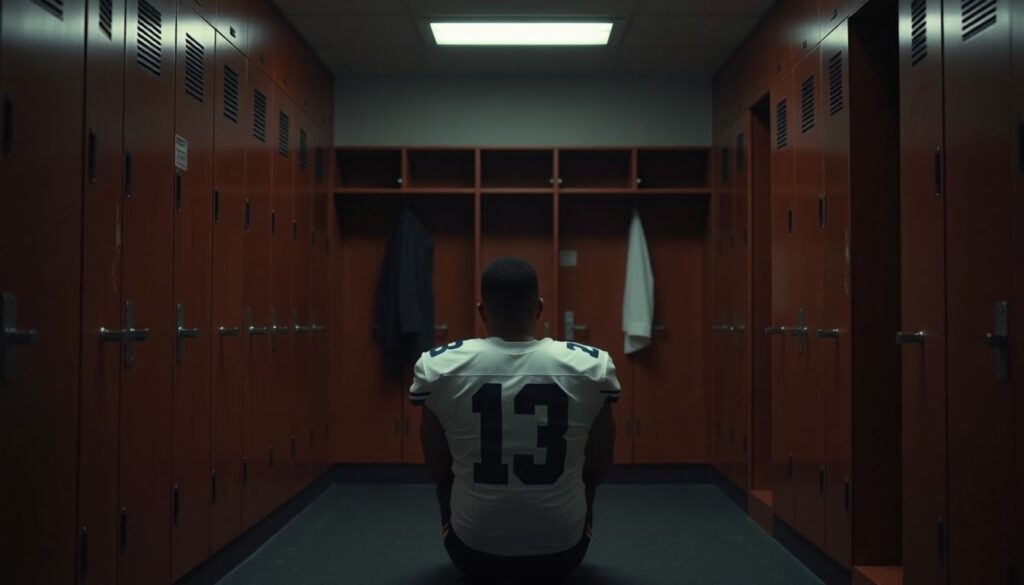
The «crack» label intensifies presión psicológica en futbolistas profesionales by fusing public identity with match outcomes. Players may start to feel they are only valuable when performing at highlight‑reel level, which makes normal form fluctuations feel like personal crises.
-
Mistake intolerance.
When myths suggest that cracks must always decide matches, any error appears unforgivable. This can trigger avoidance behaviour: safer passes, less risk, fear of taking responsibility in key moments.
-
Role confusion.
Coaches ask for tactical discipline, while external narratives demand constant showmanship. The player is torn between being a disciplined teammate and living up to the «genius» script.
-
Identity fusion with performance.
«If I do not play like a crack, who am I?» This internal dialogue increases vulnerability to anxiety and mood swings linked to each game or comment.
-
Family and entourage expectations.
Close circles may internalise the myth and push for more exposure, bigger transfers and constant visibility, sometimes against the player’s emotional needs.
-
Social‑media overload.
Comments, memes and direct messages translate every media narrative into personal attacks or adoration. This 24/7 access amplifies the weight of each performance, especially in young players.
-
Lack of psychological support in lower tiers.
While top clubs may have psychologists, many academies and semi‑professional teams in Spain operate on small budgets and cannot offer structured help, even though the same myths circulate online.
Practical Remedies: Ethical Coverage, Support Structures and Accountability
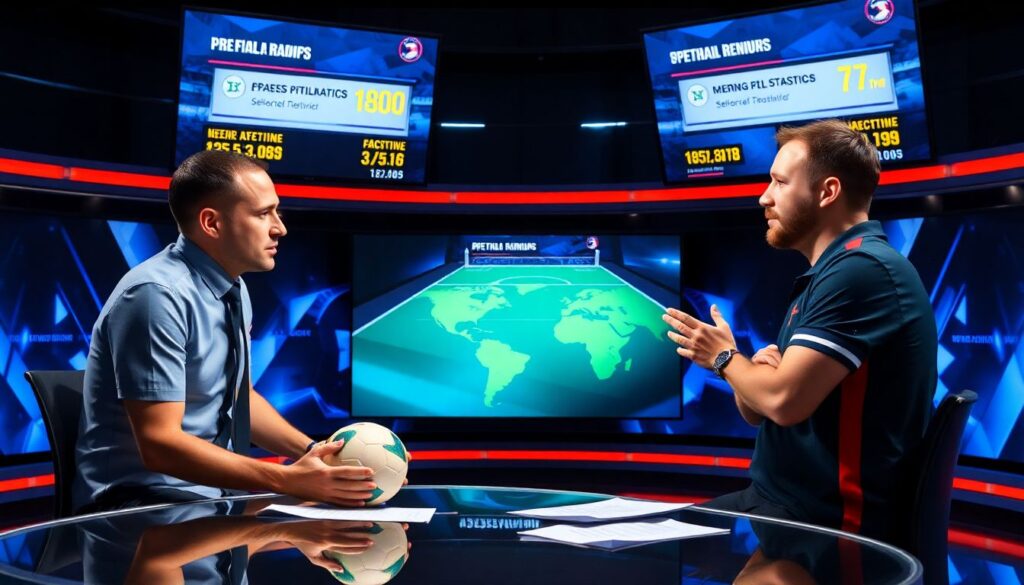
Reducing the harmful side of the «crack» construction does not require eliminating stars or emotional storytelling. It means rebalancing interests: journalism, marketing and player well‑being should coexist without sacrificing human dignity to spectacle.
Guidelines for Journalists and Media Outlets
-
Clarify when you are telling a story, not stating a fact.
Signal speculative narratives as such, especially when discussing mentality, motivation or family issues. This makes gestión de la imagen de futbolistas en medios more transparent.
-
Balance individual focus with team context.
Each time you single out a crack after a game, add at least one concrete reference to tactical or collective factors that shaped the result.
-
Avoid destiny language around young players.
For teenagers and early professionals, replace «future legend» clichés with development‑oriented framing: strengths, areas to improve, support structures around them.
-
Include mental‑health voices regularly.
Invite sports psychologists or experienced coaches to discuss pressure openly, making it normal rather than a sign of weakness.
Strategies for Clubs, Agents and Practitioners
-
Integrate mental‑skills training into daily routines.
Short, practical sessions on coping with criticism, managing expectations and dealing with social media can be included alongside physical and tactical work.
-
Co‑design public personas with players.
Instead of imposing a heroic script, agencies and clubs should involve players in decisiones sobre estrategias de personal branding para deportistas de élite, aligning image with personal values and emotional limits.
-
Set clear boundaries with media.
Define who speaks, when and about what. Protect recovery time and family spaces from constant access demands, especially after defeats.
-
Offer low‑cost alternatives for limited budgets.
For smaller clubs and players without big agencies, basic support can include peer‑led workshops, partnerships with local universities, curated guides on social‑media use and pro‑bono counselling agreements.
Mini‑Case: Reframing a Young ‘Crack’ in a La Liga Academy
Consider a 17‑year‑old forward in a Spanish academy suddenly labeled «the next big crack» after a viral goal. Media requests grow, and the player starts chasing spectacular plays instead of following tactical instructions, which hurts performance and confidence.
An integrated response can follow a simple sequence:
- The coaching staff and academy psychologist meet with the player and family to explain the risks of overexposure and agree on communication limits.
- The club’s media office shifts narratives from destiny («future star») to process («promising talent working on X and Y aspects of his game»).
- A short mental‑skills programme is introduced, focusing on handling praise and criticism, with tools the player can use before and after matches.
- Local journalists are briefed off‑record about the development plan, inviting them to cover the collective academy project instead of fixating on a single name.
This low‑cost approach, adaptable even for modest Spanish clubs, reduces the pressure peak while preserving interest and protecting the player’s long‑term growth.
Pressing Questions Around Labeling Players as ‘Cracks’
Is calling a player a «crack» always harmful?
No. The term can recognise excellence and inspire fans when used carefully. Problems appear when it becomes a rigid identity that denies normal ups and downs, or when it is used to justify invasive coverage of a player’s private life.
How does the ‘crack’ label relate to psychological pressure?
The label raises expectations to unrealistic levels, so routine mistakes feel like catastrophes. This magnifies presión psicológica en futbolistas profesionales, especially for younger players without solid support networks or experience dealing with intense scrutiny.
Can small clubs benefit from the ‘crack’ narrative without big budgets?
Yes. They can tell more grounded stories: commitment to the community, academic achievements, team values. Simple tools-local radio interviews, basic social‑media storytelling and collaboration with schools-offer an affordable alternative to high‑glamour campaigns.
What is the role of social media in creating modern ‘cracks’?
Social media accelerates the mitificación de los ídolos deportivos en la prensa by turning highlights into viral clips. Algorithms reward extreme reactions, pushing both adoration and hate, and encouraging players to curate idealised versions of themselves to fit the crack identity.
How can journalists cover stars responsibly and still attract audiences?
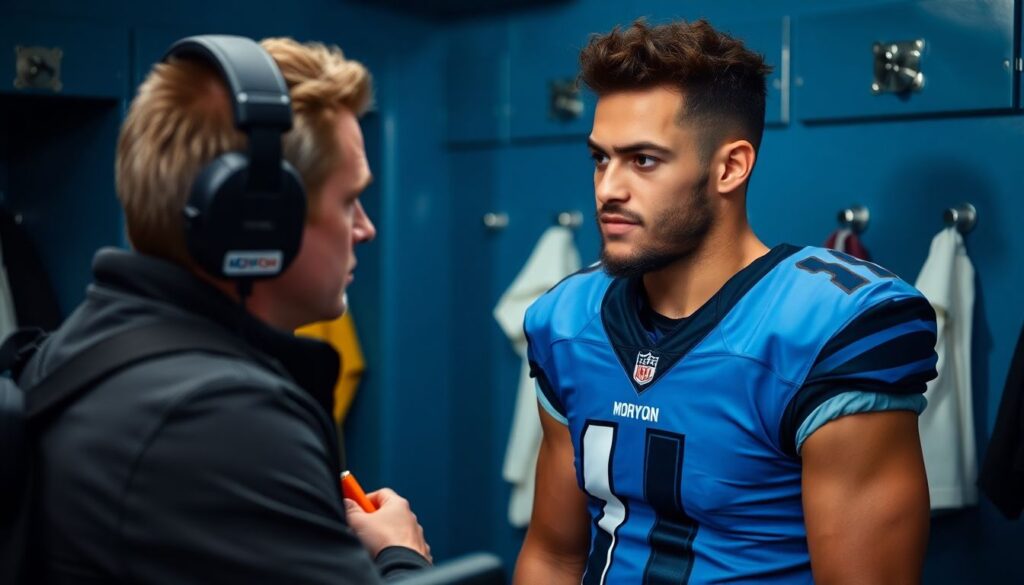
By combining emotional stories with honest context: explain tactics, share human details with consent, and avoid turning every match into a judgement on the player’s entire career. Quality storytelling can coexist with ética in gestión de la imagen de futbolistas en medios.
What should young players and their families do when media attention explodes?
They should seek expert advice where possible, set clear boundaries on interviews and social‑media exposure, and prioritise long‑term development over short‑term fame. Even with few resources, adopting simple routines-limited phone time after games, trusted adults filtering requests-helps.
Do marketing strategies around ‘cracks’ always ignore the rest of the squad?
Not necessarily, but they can. More sustainable marketing deportivo futbolistas estrella highlights the star while also presenting the team’s collective identity, making it easier for fans to stay engaged when injuries, transfers or form changes occur.