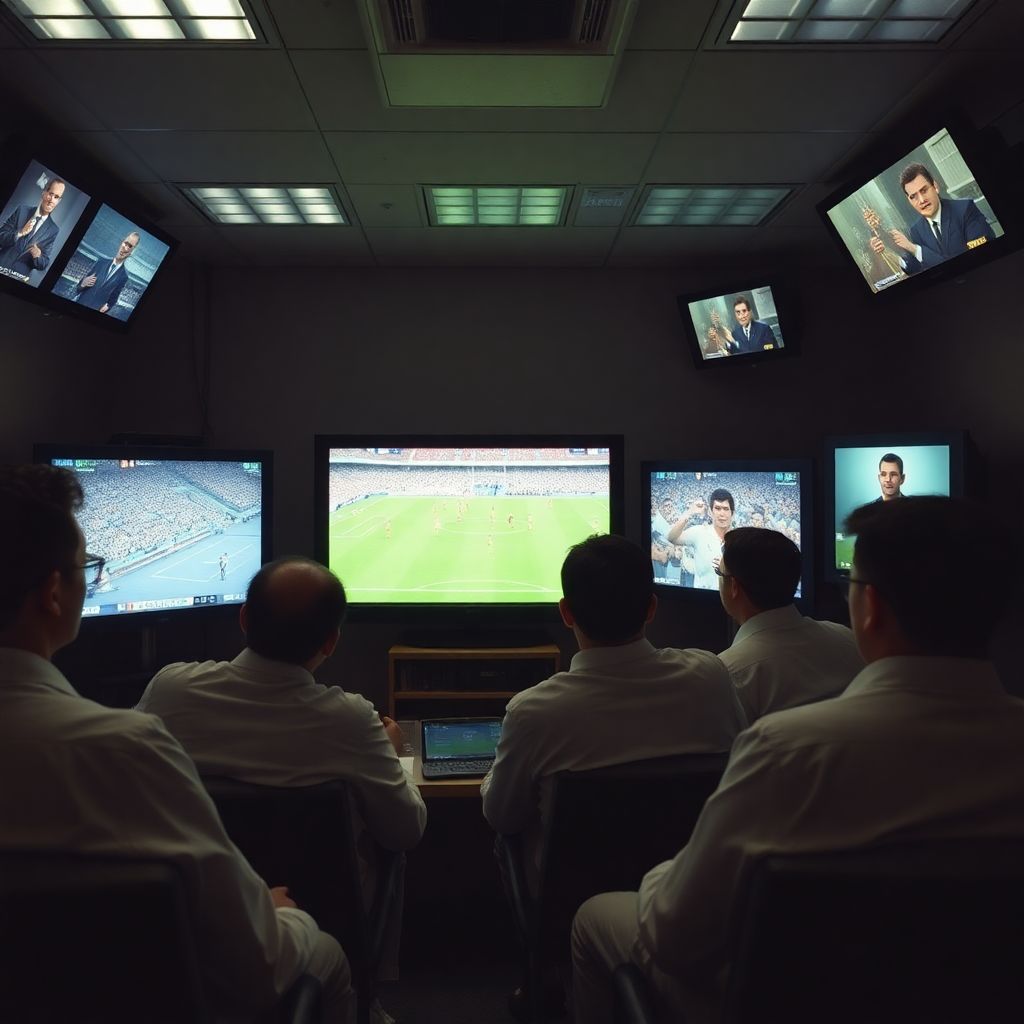
Authoritarian regimes have repeatedly used World Cups and international football to project strength, normalise repression and influence foreign opinion. To study this safely, treat tournaments as political theatre: combine match footage, propaganda material, press archives and testimonies, and always contrast official narratives with independent and victim-centred sources.
Concise analyst briefing
- View each World Cup as a staged event where the host seeks political returns, not just sporting prestige.
- Authoritarian rulers instrumentalise stadiums, symbols, security forces and media coverage to reframe their image.
- Comparative case studies (e.g., Italy 1934, Argentina 1978, Russia 2018, Qatar 2022) clarify recurring patterns.
- Always juxtapose glossy ceremony images with evidence of censorship, policing and human rights abuses.
- Prioritise non-violent, archive-based research methods and avoid actions that could endanger interviewees or yourself.
Authoritarian Playbooks: Sport as Political Theater
This guide suits students, journalists, teachers and fans who want to understand how football becomes propaganda without replicating harmful narratives or risking safety.
It is not for designing real propaganda campaigns or operational advice for security forces, parties or governments. The focus stays on critical analysis, documentation and education.
Use it when preparing articles, podcasts, classroom sessions or when selecting libros sobre mundiales de fútbol y dictaduras militares, documentaries or films for a course or reading group.
Avoid using these insights to manipulate audiences, justify repression or sanitise regimes; always foreground victims, not leaders, in your storytelling.
Case Studies: World Cups under Authoritarian Regimes
Before analysing mechanisms, assemble basic tools and materials. Prioritise legal, open and low-risk sources.
- Historical reference works
Collect books and articles on football and politics. When you comprar libros de historia del fútbol y regímenes autoritarios, prioritise academic presses or investigative journalists with clear citations.
Look for works that connect specific tournaments to documented repression patterns.
- Primary media archives
Use newspaper and television archives from host and foreign countries. Many national libraries in Spain and Latin America offer digital hemerotecas with coverage of key World Cups.
Compare state-aligned outlets with opposition or exile media when available.
- Visual and film material
Gather official films, adverts and match broadcasts. Prioritise legal access: public broadcasters, film archives, streaming platforms.
When searching mejores películas sobre dictaduras y mundiales de fútbol, check who produced them and which voices they centre.
- Testimonies and oral histories
Consult published interviews with players, fans, political prisoners and journalists. Use oral history collections from universities or human rights organisations.
Avoid contacting at-risk witnesses directly unless you have training in safe, trauma-informed interviewing.
- Academic and civic education resources
Look for cursos online de historia política del fútbol mundial that integrate human rights perspectives, not only tactics and results.
Many MOOC platforms and European universities offer modules touching on mega-events and authoritarianism.
- Documentaries and investigative pieces
Search documentales sobre cómo las dictaduras usaron el fútbol como propaganda from independent directors, NGOs or public broadcasters.
Cross-check strong claims against written sources and, when possible, archival documents.
Mechanisms of Control: Propaganda Tools and Tactics
Before diving into step-by-step analysis, keep these risk and limitation points in mind.
- Avoid glorifying leaders, uniforms or security forces; describe them analytically, not aesthetically.
- Do not share identifiable information about victims or dissidents without consent and security assessment.
- Be transparent about source limits; propaganda archives are incomplete and biased.
- Do not travel to repressive countries for research without specialised safety training.
- Define your case and guiding questions
Choose one tournament and regime, such as Argentina 1978 under the military junta or Italy 1934 under Mussolini. Formulate 2-3 questions about image-building, repression and international reactions.
Keep questions narrow enough to answer with available sources.
- Map the official narrative
Identify what the regime wanted audiences to believe. Analyse speeches, slogans, posters, stadium ceremonies and official films.
- Note recurring themes: unity, modernity, order, tradition, peace.
- Track which leaders appear most, and in which settings.
- Observe how the regime frames opponents or foreign critics.
- Study media control and censorship
Examine how television, radio and press covered the event. Look for legal tools, intimidation or ownership structures that aligned media with power.
- Compare domestic coverage with Spanish, Latin American or European outlets.
- Note topics absent from headlines: prisons, disappearances, protests.
- Analyse stadiums, security and fan management
Treat infrastructure and policing as political signals. Study stadium locations, naming, VIP boxes, military ceremonies and visible security forces.
- Check whether stadiums stood near detention centres or militarised zones.
- Document fan control measures: ticketing, surveillance, banned banners.
- Connect domestic repression to the tournament
Use human rights reports, legal cases and testimonies to see how repression evolved around the event.
- Identify whether arrests or disappearances increased near matchdays.
- Check if the regime used calm stadium images to deny abuses abroad.
- Assess international image-building efforts
Collect diplomatic cables where available, foreign press reports and public relations campaigns in Europe and Latin America.
- Note visits by foreign leaders and FIFA officials.
- Track boycotts, protests or critical campaigns by NGOs, unions or exiles.
- Synthesise patterns without normalising propaganda
Summarise how football served as theatre while repression continued offstage. Use neutral language and foreground victims’ experiences.
- Highlight contradictions: celebration inside stadiums, fear outside.
- End with open questions and research gaps, not heroic narratives.
Sports Mega-Events and State Legitimacy
Use this checklist to evaluate whether a tournament strengthened, weakened or minimally affected a regime’s legitimacy.
- The regime successfully framed itself as modern, peaceful or efficient in domestic media.
- Key international outlets repeated government talking points with little scrutiny.
- Major diplomatic partners increased cooperation or arms, trade and investment after the event.
- Visible domestic opposition (strikes, protests, boycotts) decreased or was pushed out of camera range.
- Human rights organisations reported that abuses continued or intensified despite global attention.
- Symbolic stadium or monument constructions became long-term reminders of the regime, even after transition.
- Subsequent elections or constitutional changes show whether the event fed nationalist sentiment the regime later used.
- In post-authoritarian memory, survivors and fans describe the tournament either as complicity, distraction, or a moment to expose abuses.
- For recent cases, digital traces (hashtags, videos) indicate whether counter-narratives reached large audiences.
Domestic Repression vs. International Image Management
These recurring mistakes distort analysis and can unintentionally echo propaganda.
- Focusing only on stadium aesthetics and match results, ignoring prisons, torture and censorship occurring simultaneously.
- Repeating regime slogans or visuals without critical framing, which can normalise their messaging.
- Treating FIFA and confederations as neutral actors instead of institutions with political and economic interests.
- Assuming propaganda always works; many citizens see through it or subvert it creatively.
- Projecting one case onto all others (e.g., equating any World Cup host with past military juntas).
- Over-romanticising fan resistance while neglecting risks fans faced under secret police surveillance.
- Using anonymous testimonies without verifying them or considering trauma and memory distortions.
- Ignoring gender, race and class; propaganda and policing do not affect all groups equally.
- Neglecting the role of foreign media, business and governments that often cooperate with repressive hosts.
Resilience and Resistance: Athletes, Media and Civil Society
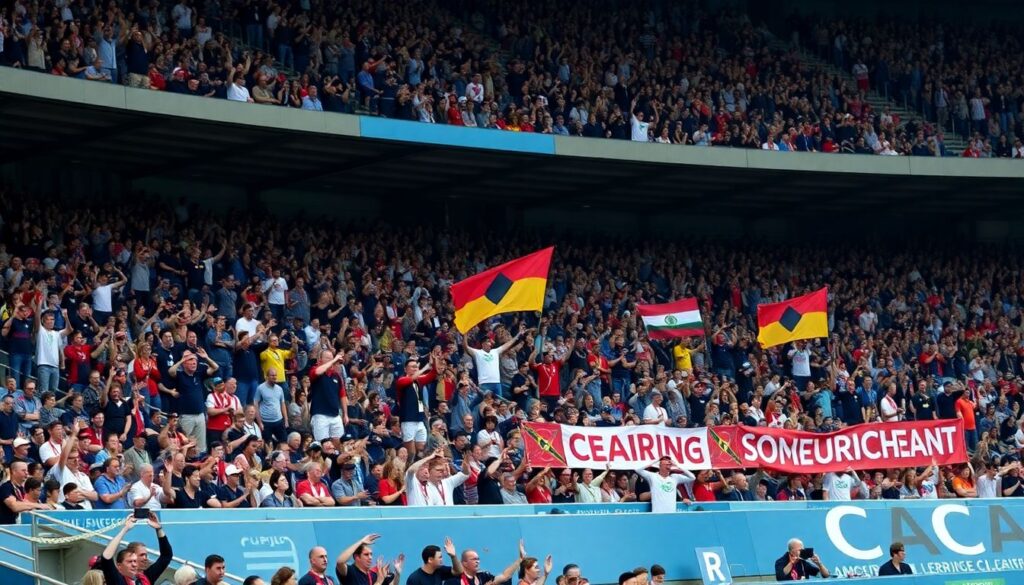
Analysis should also highlight non-violent alternatives and how different actors challenged propaganda within and beyond stadiums.
- Athlete and fan micro-resistance
Document small gestures: armband protests, refusal to salute, terrace chants, banners and boycotts. Explain context and risks, avoiding calls for unsafe imitation in current authoritarian contexts.
- Independent journalism and documentary film
Encourage critical reporting, podcasts and documentales sobre cómo las dictaduras usaron el fútbol como propaganda that foreground survivors and activists. Emphasise fact-checking, source protection and avoiding doxxing.
- Education and public history projects
Design workshops, museum exhibits or school modules linking football to human rights. Use safe materials: archives, testimonies with consent, and carefully selected libros sobre mundiales de fútbol y dictaduras militares.
- Cultural and academic collaboration
Combine research, theatre, cinema and art to question past tournaments. When you comprar libros de historia del fútbol y regímenes autoritarios or choose mejores películas sobre dictaduras y mundiales de fútbol, privilege works produced with victims and local communities.
Common practitioner concerns
How can I teach this topic without glorifying dictators or violence?
Keep the focus on structures, victims and bystanders, not on leaders’ charisma. Use critical commentary whenever you show propaganda images. Ask students to identify manipulation techniques and discuss their impact on everyday people.
Is it safe to interview former players or fans about tournaments under dictatorships?
Risk varies by country and current politics. Prefer already published interviews and oral histories collected by trained researchers. If you must interview someone, avoid sensitive questions, secure consent and anonymise data where appropriate.
Which types of sources are most reliable for studying propaganda during World Cups?
Combine multiple types: press archives, official films, human rights reports, court records and testimonies. No single source is neutral. Reliability increases when different, independent sources converge on similar descriptions or timelines.
Can football mega-events also damage authoritarian regimes instead of strengthening them?
Yes. Corruption scandals, construction accidents, protests or athlete activism can expose abuses. International coverage sometimes amplifies local grievances. Your analysis should track both attempts at image-building and unintended consequences for regime legitimacy.
How do I adapt this topic for a Spanish or European classroom?
Connect global cases to Iberian and European history, including debates around Franco-era football and later tournaments like Spain 1982. Use local archives, Spanish-language journalism and Latin American testimonies to make the subject concrete for students.
What role do films and series play in shaping memory about these tournaments?
Cinema and television strongly influence how later generations remember World Cups under dictatorships. Analyse who funds and writes these works, whose perspectives dominate, and how they portray victims, perpetrators and bystanders.
Are online courses a good starting point for non-specialists?
Yes, if they integrate political, social and ethical dimensions. Cursos online de historia política del fútbol mundial can provide structure, terminology and bibliographies, but you still need to read diverse sources and listen to voices from affected communities.