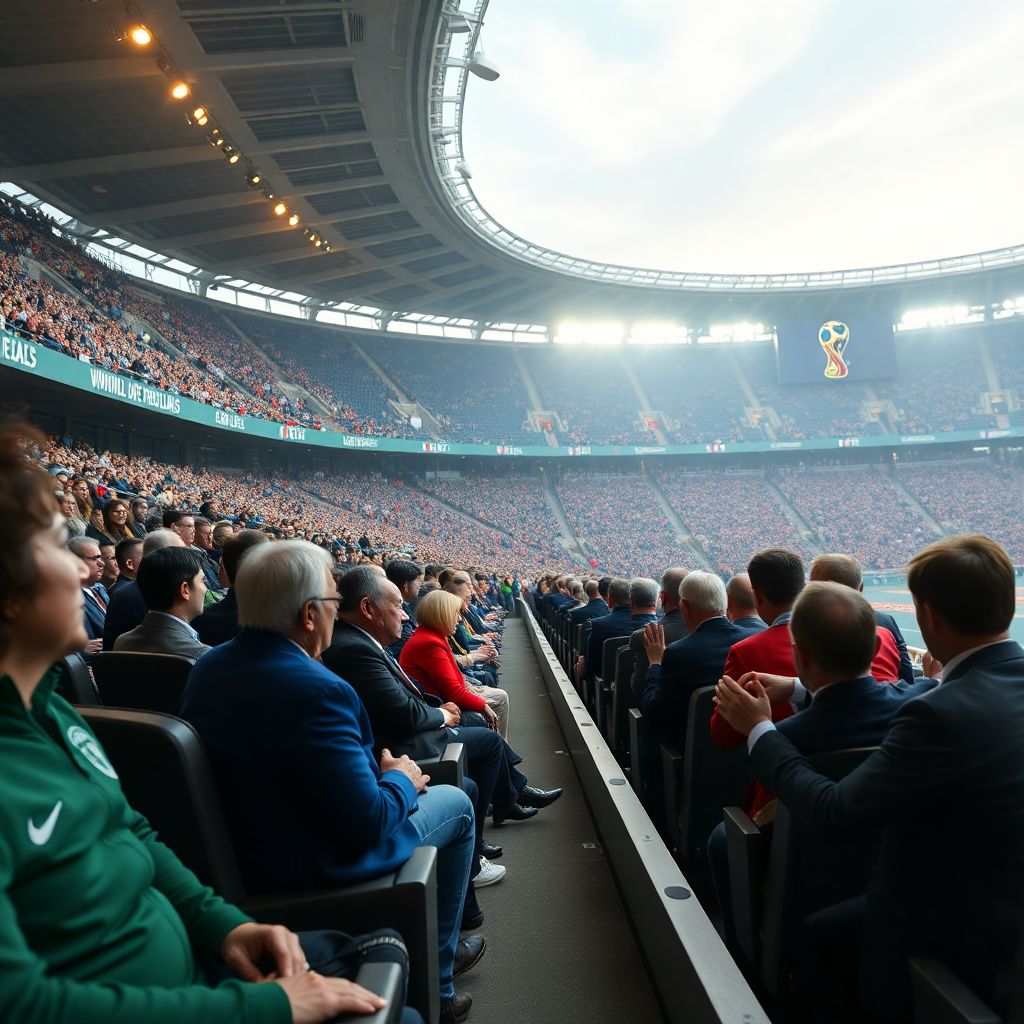
The World Cup reshapes global power by concentrating attention, money and diplomacy in one host, amplifying soft power, testing alliances and exposing conflicts. If you read tournaments as geopolitical events, not just sport, then you can detect shifts in influence, trade patterns, regional leadership and the narratives that structure world politics.
Core Geopolitical Insights from the World Cup
- If a country hosts successfully, then its soft power and regional leadership claims usually strengthen, at least short term.
- If mega-infrastructure is rushed for a World Cup, then domestic inequality and debt risks often grow alongside geopolitical visibility.
- If media narratives are tightly controlled, then the tournament becomes a tool of information power as much as of sport.
- If fan mobility and public diplomacy are well managed, then new people-to-people and business networks emerge across blocs.
- If security cooperation intensifies around the event, then intelligence-sharing and military ties may outlast the tournament.
- If post-tournament legacies are planned strategically, then sporting, economic and diplomatic benefits can reconfigure regional alignments.
Historical Patterns: How Past Tournaments Shifted Diplomatic Alignments
The geopolítica de la Copa del Mundo is the study of how World Cups redistribute prestige, alliances and bargaining power. The tournament is a recurring, visible arena where states signal status, contest narratives and test partnerships, often triggering subtle but lasting adjustments in diplomatic alignments and regional hierarchies.
If a rising power hosts or wins convincingly, then other states tend to recalibrate their stance: more high-level visits, more trade missions, more willingness to cooperate on non-sport agendas. If a regime is controversial, then activist states and NGOs may use the World Cup to spotlight human rights or environmental problems and pressure sponsors.
For a Copa del Mundo y poder global análisis, it helps to read key editions as snapshots of world order. If you compare tournaments across decades, then you can see how decolonisation, the Cold War, post-Cold War unipolarity and current multipolar competition have each shaped who bids, who wins hosting rights, and how states use the event.
Example 1 – Argentina 1978: if an authoritarian regime hosts during a human-rights crisis, then the World Cup can initially whitewash its image, but it also gives exiles and activists a global platform against it. The tournament both reinforced and undermined the junta’s international position.
Example 2 – USA 1994: if a non-traditional football power hosts at the height of its global dominance, then the event helps normalise its cultural leadership, supports commercial expansion of the sport and reinforces the perception of that country as a central node in global entertainment and business.
Example 3 – Russia 2018 and Qatar 2022: if states with contested foreign policies secure consecutive World Cups, then the FIFA system itself becomes a geopolitical arena, reflecting shifts in financial power, energy politics and alliance patterns far beyond football.
Soft Power in Play: Nation Branding, Public Diplomacy and Fan Mobilization
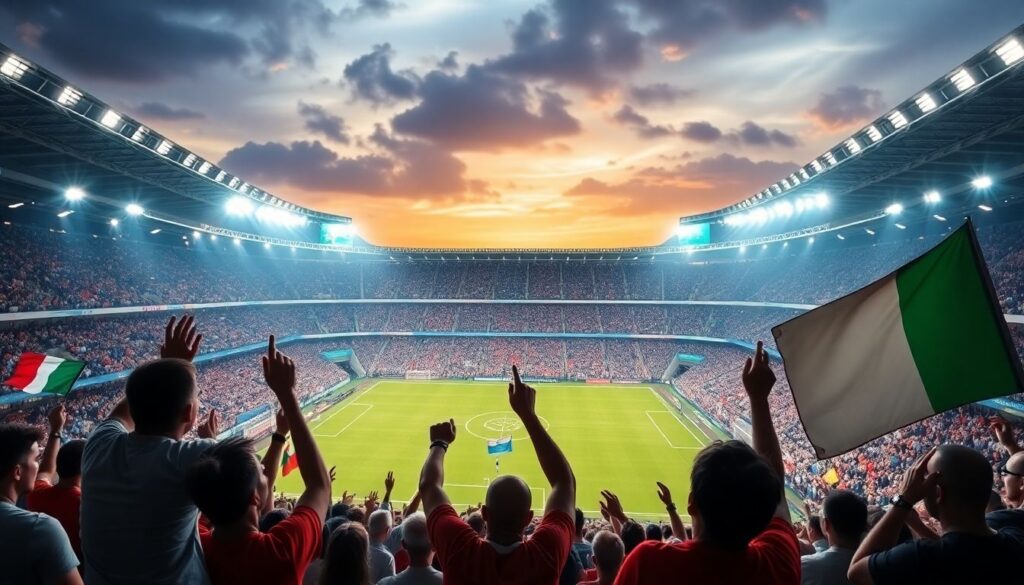
Soft power during World Cups is about shaping attraction rather than enforcing obedience. If governments treat the tournament as a long public-diplomacy campaign, then they can reposition the country’s image, test new narratives and build emotional bonds with foreign publics that later support diplomatic or economic aims.
- If a host invests in coherent nation branding (logos, stories, cultural programs), then broadcasters repeat those frames and millions associate the country with those curated images rather than older stereotypes.
- If embassies and cultural institutes coordinate fan zones, concerts and exhibitions, then fans experience the country as open and friendly, which can soften resistance to future trade or security agreements.
- If diaspora communities are mobilised through watch-parties and local events, then they become informal ambassadors, amplifying positive stories and defending their homeland in foreign media debates.
- If national teams embody inclusive, multi-ethnic identities, then they can project a narrative of modernity and diversity that supports domestic reforms and external partnerships.
- If rival states engage in symbolic gestures (joint photos, friendly matches, shared fan zones), then football becomes a low-risk channel for contact even when formal talks are frozen.
- If a country mishandles visiting fans or restricts expression harshly, then soft power can backfire, reinforcing criticism and weakening future bids for influence.
Example – Germany 2006: if a state with a heavy historical burden uses the World Cup to stage openness, humour and everyday normality, then its image can shift from rigid and serious to welcoming and relaxed, supporting its leadership role within the EU.
Example – South Africa 2010: if a post-apartheid democracy frames the tournament as «Africa’s World Cup», then it can claim continental leadership, but it also assumes responsibility for continental expectations that are hard to meet in economic and social terms.
Example – Qatar 2022: if a small state with large financial resources hosts a global event, then it can punch above its weight in diplomacy, but sustained criticism of labour and rights issues shows that soft power campaigns cannot fully override structural concerns.
Economic Levers: Investment, Infrastructure and Trade Effects Around the Tournament
The impacto económico mundial de los mundiales de fútbol is less about short-term tourism and more about how investment, contracts and visibility shift economic relationships. If you follow where capital, construction firms and sponsorships flow, then you can map how the World Cup reallocates influence among states and corporations.
- If a host relies heavily on foreign construction and security firms, then those supplier states gain leverage in bilateral relations and may secure follow-up contracts in transport, energy or defence.
- If new infrastructure (airports, ports, high-speed rail) integrates previously peripheral regions, then domestic and cross-border trade routes can reorient, boosting some neighbours while bypassing others.
- If sponsors from emerging economies dominate stadium advertising and broadcasting, then the symbolic centre of economic power in world football shifts toward those regions.
- If trade delegations and business forums are scheduled alongside matches, then the World Cup becomes a trade fair where governments and firms consolidate long-term deals.
- If local SMEs are excluded from procurement, then resentment towards globalisation and towards specific foreign partners can grow, with political consequences after the final.
Scenario – European and Asian companies: if European engineering firms win stadium contracts while Asian firms provide digital infrastructure, then the host’s future industrial standards may align more with those partners, tying it into their technological and financial ecosystems.
Scenario – Latin American hosts: if a South American country upgrades ports and customs for a tournament, then it can reposition itself as a regional logistics hub, strengthening its bargaining position in trade talks with Europe and Asia.
Scenario – Tourism and brand shifts: if a mid-sized host like a Mediterranean or Gulf state delivers a safe and smooth experience, then it can redirect global tourist flows away from competitors, with long-term implications for regional service economies.
Security and Influence: Intelligence, Military Presence and Regional Stability
Security cooperation around a World Cup creates dense, often secretive networks. If states share intelligence, deploy joint task forces or coordinate airspace and cyber-defence, then they deepen trust and dependence. This can stabilise regions, but it also exports surveillance models and reinforces certain powers’ roles as security providers.
- If external powers provide advanced surveillance tech, then the host may lock into their systems and doctrines, influencing future defence purchases and alignments.
- If neighbouring states coordinate border control and emergency plans, then regional crisis-management capacity improves, even after the tournament.
- If security forces train together, then interoperability grows, easing future peacekeeping or joint operations.
- If special legal regimes are introduced for the tournament, then they may normalise expanded policing and data collection after the event.
- If security partnerships are unbalanced (one partner controls data and tech), then the host risks dependency and loss of strategic autonomy.
- If counter-terrorism priorities dominate, then social tensions and protests may be securitised instead of addressed politically.
- If foreign troops or advisors are too visible, then domestic audiences may perceive a loss of sovereignty, fuelling nationalism.
- If emergency powers are not rolled back, then the World Cup can leave a legacy of permanent exceptional measures.
Media Ecosystem: Narrative Control, Broadcast Rights and Information Warfare
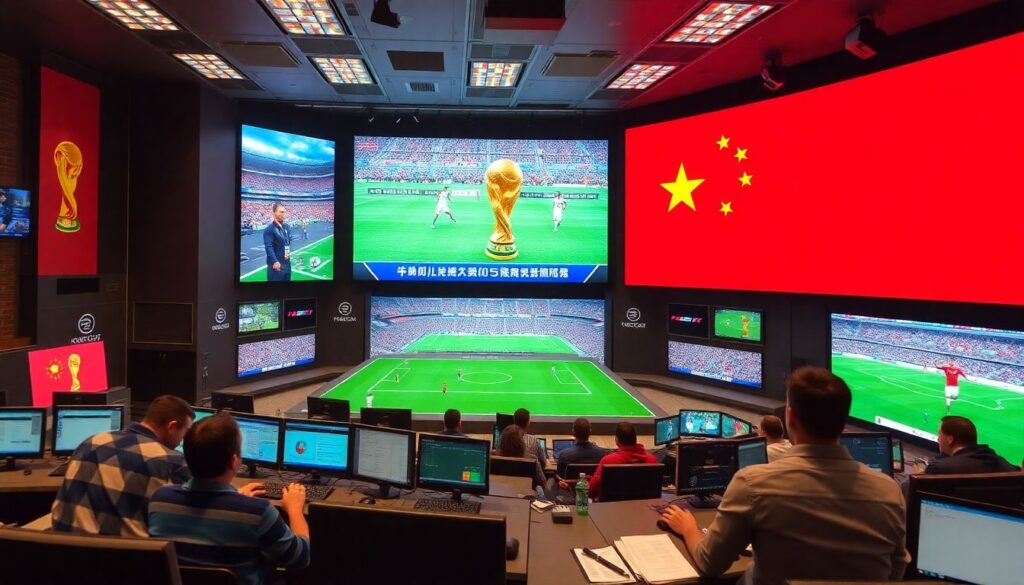
World Cup media is a battlefield of stories. If you control broadcasting rights, commentary frames and digital platforms, then you can project your preferred image globally. At the same time, opponents can exploit controversies to damage reputations, turning football coverage into a layer of information warfare.
- If you assume sport is «above politics», then you miss how commentary on tactics, crowds or ceremonies constantly encodes political messages about modernity, order and legitimacy.
- If you expect one dominant narrative, then you overlook how global social media fragments perception, allowing critical coalitions to form rapidly around labour, gender or environmental issues.
- If you think hosting guarantees positive coverage, then corruption or rights scandals can instead embed negative frames that last longer than the tournament.
- If you ignore foreign-language media, then rival powers may define the story of your World Cup for entire regions, affecting elections and policy debates abroad.
- If you equate social-media «buzz» with real soft power, then you may overestimate support that does not translate into tourism, investment or diplomatic votes.
In this relación entre mundial de fútbol y geopolítica mundial, broadcast negotiations, commentary lines and influencer campaigns are as important as stadium design. If rival powers coordinate media strategies, then the World Cup can become a proxy information conflict layered on top of the matches themselves.
Long-Term Realignments: Host Legacies, Sporting Networks and Geopolitical Coalitions
Long after the final, the real geopolitical legacy emerges. If post-tournament planning links stadiums, academies and tourism zones with foreign partners, then networks of coaches, investors and officials consolidate new blocs. These sporting coalitions often reinforce wider alignments in trade, security and multilateral voting patterns.
Mini-case – Spain and the wider European context: if Spain co-hosts a future tournament with neighbours, then Iberian and Mediterranean infrastructure, energy and transport plans can be bundled with sporting investments. That, in turn, could strengthen Spain’s role inside the EU as a bridge to Latin America and North Africa, especially if strategic partners are invited into joint training centres and youth tournaments.
Mini-case – Emerging coalitions: if a cluster of Gulf, Asian or African countries co-organise youth World Cups and qualifiers after a major tournament, then they build shared bureaucratic routines and cost-sharing habits. Over time, those habits can translate into common positions in international organisations beyond football.
Viewed over decades, cómo la Copa del Mundo influye en la política internacional is less about one month of games and more about which countries use that month as a catalyst for structural repositioning: new alliances, new trade corridors, and new stories about where global power resides.
Practical Questions about World Cups and Global Power
How exactly does a World Cup change a country’s geopolitical position?
If a country hosts credibly and safely, then its reputation as a reliable partner improves, which can support bids for leadership in regional organisations, trade deals or security arrangements. The effect is usually incremental, not transformational overnight.
Can smaller countries really gain power through hosting?
If a small state uses the tournament to showcase stability, infrastructure and openness, then it can «scale up» its visibility and become a hub for finance, air travel or diplomacy. The key is linking event investments to a realistic long-term national strategy.
Are economic benefits more important than political ones?
If you only look at short-term profits, then most hosts seem to lose. But if you include political leverage, new networks and agenda-setting power, then the balance can shift. The most successful hosts treat economic and political gains as connected, not competing.
How can citizens influence the geopolitical use of a World Cup?
If civil society and media scrutinise contracts, rights and legacies, then governments face pressure to align the event with broader social interests. Protests and campaigns can limit abuses and push for transparent, sustainable planning.
Do boycotts and protests around World Cups matter internationally?
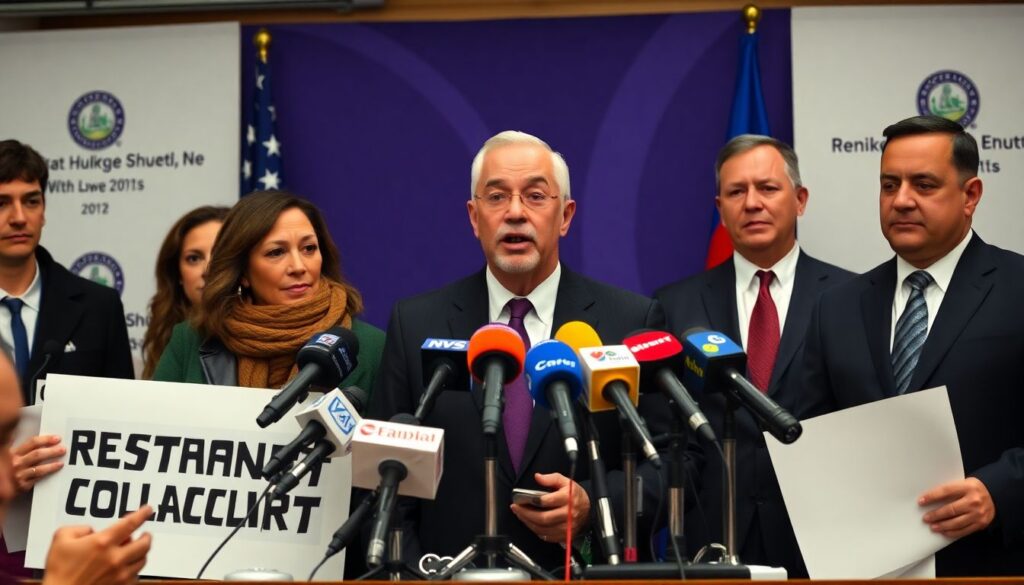
If boycotts attract wide media coverage or sponsor reactions, then they can damage a host’s image and force diplomatic responses. Even without changing the host, they can reshape public debates and future bidding rules.
What should investors watch when analysing a World Cup’s geopolitical impact?
If you track infrastructure partnerships, regulatory changes and post-tournament utilisation plans, then you can identify which regions and sectors may benefit long term. Geopolitical risk rises when event spending is opaque, politicised or linked to unstable alliances.
How does Spain fit into World Cup geopolitics from an es_ES perspective?
If Spain leverages its football prestige together with EU membership and Latin American ties, then it can act as a connector in negotiations over hosting, broadcasting and development projects, enhancing its soft power within both Europe and the Spanish-speaking world.
Комментарии