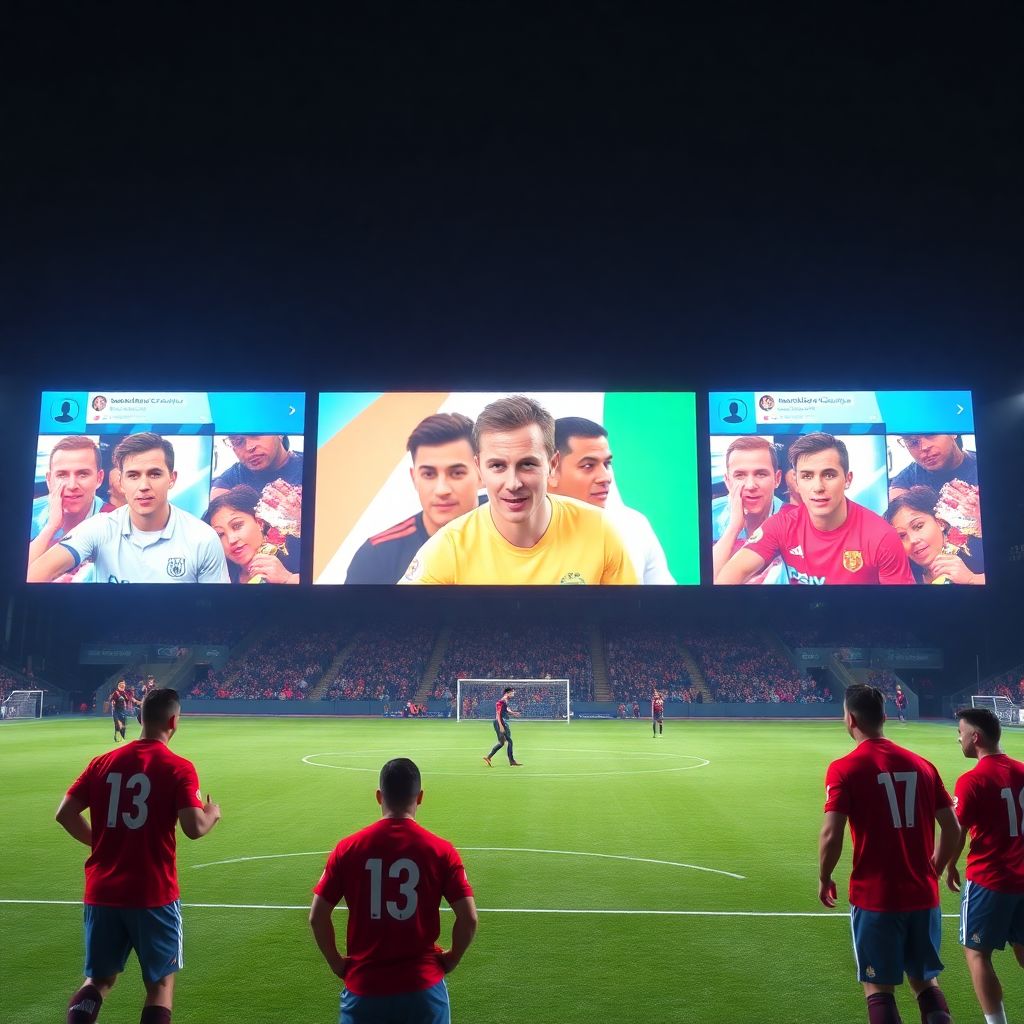
Social media, influencers and personal branding reshape how footballers train, play and relate to fans, but their impact is indirect. They affect focus, pressure, sponsorships and tactical choices more than technical quality. Managed strategically, online visibility can support performance and club culture; unmanaged, it amplifies distractions, ego clashes and unrealistic fan expectations.
Impact snapshot: social media, influencers and player branding
- Personal branding is now part of a player's career infrastructure, just like physical conditioning or nutrition.
- Influencer logic rewards visibility, not always tactical discipline, which can create tensions inside the dressing room.
- Fan identities shift from club-first to player-first, especially in younger audiences and global markets.
- Clubs, not only agents, must set rules for social media and sponsorships linked to training and matchdays.
- Data from platforms (engagement, sentiment) help scouts and marketing staff understand fan culture around players.
- Ethical limits matter: promoting risky betting or unhealthy products damages both performance culture and club reputation.
Myths vs reality: influencers and on-field performance
Myth: "Being an influencer automatically ruins a player's performance." In reality, what harms performance is not visibility itself, but unmanaged time, poor boundaries and letting online validation replace football priorities. A structured plan often turns media presence into discipline, not distraction.
For many professionals in La Liga and lower Spanish divisions, social media is already part of the job. An agencia de marketing para futbolistas e influencers might manage content, partnerships and crisis communication, while coaches focus on physical and tactical work. The key is clear separation: training and recovery time must be non‑negotiable.
Reality: online activity influences three performance zones: mental load, sleep quality and tactical concentration. Late-night content creation, constant checking of comments, or arguing with fans increase cognitive fatigue. During matches, players over-focused on cameras may seek "highlight" plays instead of the right tactical decision.
Contrast two examples from a Spanish Segunda Federación club. Player A runs his own channels, posting after midnight and reacting emotionally to criticism; his physical data and coach evaluations dropped across the season. Player B outsources content to a small team providing gestión de redes sociales para jugadores de fútbol profesionales; he rarely sees comments on matchdays, and his performance remained stable while his follower base grew.
Quick sideline tips for coaches and players
- Block "no phone" windows: 90 minutes before kick-off and 60 minutes after the final whistle.
- Agree on a maximum weekly time budget for content creation and lives, scheduled on light training days.
- Ask any agencia de marketing para futbolistas e influencers to send a 1-page summary, not raw comments or DMs.
- Use simple rules: no tactical criticism in public, no emotional posts within two hours of a defeat.
- Review one key clip per week that shows how cameras or celebrations affected positioning or transitions.
How player branding reshapes fan identities
Myth: "Fans will always stay loyal to the club over individual stars." With globalised football and social media, younger fans increasingly follow players across teams and leagues, especially attackers with strong visual brands and relatable stories.
Player branding works by turning athletes into ongoing narratives. Servicios de personal branding para deportistas de élite build a consistent story: origins, values, style of play, rituals, causes they support. Fans then identify not only with the shirt but with the perceived personality and lifestyle of the player.
- From local to global identity. A kid in Sevilla might support a Premier League club mainly because their favourite winger posts Spanish-language content and behind-the-scenes training clips, not because of historical ties.
- Highlight reels over full matches. Fans who mainly consume 15-second clips judge players by skills, celebrations and fashion rather than off-ball movement. This skews expectations and can create pressure on players to constantly "entertain."
- Club vs. player conflicts. When a club benches a star with a strong online community, fans may side with the player, seeing them as "authentic" and the club as "the system."
- Micro-communities around values. Players openly supporting social causes, veganism, or specific training methods attract niche groups that may care more about these identities than the team's long-term project.
- Merch and lifestyle extensions. Personal brands expand into clothing lines, academies and apps, pulling fan attention and spending away from official club products.
- Language bridges. In Spain, players who speak and post in Spanish and English create "hybrid" fan cultures that follow them in both La Liga and foreign leagues, softening club rivalries but also weakening traditional local identities.
Clubs that understand this shift co-design content with players rather than trying to control everything. Instead of competing with personal channels, they integrate them into the club narrative, aligning celebrations, community work and storytelling.
Mechanics of influence: algorithms, reach and engagement
Myth: "If a player plays well, algorithms will naturally reward them." Platform algorithms reward consistent content, watch time and interaction patterns, not pure football performance. A solid game without camera-friendly moments may have little algorithmic impact.
Influence in football contexts flows through a few typical scenarios, especially when clubs want to contratar influencer de fútbol para campaña en redes sociales or when players build their own channels.
- Matchday vlogs and behind-the-scenes. Players sharing pre-match rituals, dressing-room atmosphere and recovery routines satisfy curiosity and feed algorithms with "day in the life" formats. If poorly managed, this intrudes on tactical talks; if well structured, it humanises the squad without exposing sensitive content.
- Challenge-based collaborations. Influencers and players filming skills challenges or crossbar contests create viral clips. The risk: fans may start valuing show skills over tactical responsibility. The opportunity: these clips can highlight work ethic, repetition and failure, not just success.
- Live streams after matches. Spontaneous lives drive engagement spikes but are high risk for emotional comments about referees, coaches or teammates. Clubs need clear guidelines and media training before letting players go live on sensitive days.
- Product and betting promotions. Brand deals often perform well algorithmically because they are highly produced. However, constant ads for betting or controversial products erode trust and can conflict with club values and league regulations.
- Youth academies and learning content. When senior players publish technical breakdowns or training drills, young fans see them as mentors, not just celebrities. Clubs in Spain increasingly use in-house staff or external consultoría de marca personal для futbolistas y atletas to align such content with the club's coaching philosophy.
- Cross-platform storytelling. Short clips on TikTok or Reels hook fans, while YouTube or podcasts deepen the relationship. Influencers who understand this funnel help clubs nurture long-term fan engagement rather than chasing only quick viral spikes.
Tactical consequences: coach-player dynamics and preparation
Myth: "Tactics live on the pitch, branding lives online, and they do not interact." In practice, social media presence influences squad hierarchy, leadership roles and even specific in-game decisions (who takes penalties, who celebrates where cameras are).
From a coaching perspective, social media and branding bring specific advantages and constraints that must be recognised explicitly.
Benefits for coaches, players and clubs
- Stronger player confidence when they feel recognised beyond match results, supporting resilience during dips in form.
- Direct communication channels for clarifying narratives after controversial matches without relying only on traditional media.
- Better attractiveness in the transfer market: players with well-managed reputations are easier to position with sponsors, helping clubs negotiate salaries and bonuses.
- Use of shared clips and posts as teaching material about body language, leadership and emotional control.
- Opportunities for captains and role models to model constructive behaviour online, setting standards for the academy.
Constraints and risks for performance culture
- Shifts in locker-room power when the most followed player is not the best tactically or the natural leader.
- Players refusing specific roles (e.g., deeper or more defensive positions) because they fear fewer highlight clips.
- Hidden conflicts when one player appears more often in club content, leading to perceptions of favouritism.
- Strategic information leakage in photos or vlogs showing tactical boards, injury treatments or set-piece routines.
- Overload for staff forced to police player content in addition to their core tasks.
To keep balance, many Spanish clubs now integrate media staff and performance staff in the same weekly meetings, aligning content plans with training cycles and match importance. Simple internal protocols can prevent most conflicts before they appear.
Monetization, sponsorships and ethical boundaries
Myth: "Any sponsorship is good if it brings money." Misaligned deals damage credibility, dressing-room trust and fan culture. Ethical boundaries are strategic, not moralistic extras.
As consultoría de marca personal para futbolistas y atletas and agencies proliferate, several recurring mistakes appear around monetisation and influencer activity.
- Promoting products players do not actually use. Fans and teammates quickly notice inconsistencies. Authentic deals (boots, nutrition, training gear) support the performance narrative; random crypto or get-rich-quick schemes undermine it.
- Ignoring club and league rules. Some deals conflict with official sponsors or league regulations (especially betting, alcohol, and political content). This can lead to fines, bans or forced contract changes.
- Short-term cash over long-term reputation. Young players may sign low-quality deals that limit future partnerships. Clubs and agents should protect future options instead of maximising immediate income.
- Overloading content with ads. A feed dominated by sponsorship posts loses engagement and fan trust. Algorithms also punish content that users quickly skip, hurting both brand and player visibility.
- Blurring team and personal assets. Using club logos, facilities or teammates in personal ads without permission can create legal and relational problems. Clear guidelines about what is "club" and what is "player" are essential.
In Spain, smarter clubs and agencies design joint packages where a brand supports both the club and key players, coordinating messaging and matchday activations. This protects the football core while unlocking commercial value.
Measuring cultural change: metrics beyond likes
Myth: "Likes and followers tell you everything about impact." Cosmetic metrics are easy to inflate and say little about how social media affects the game or fans' deeper relationship with football.
To understand real cultural shifts, staff should combine simple quantitative indicators with qualitative observations from coaches, supporters and even families.
Consider a Spanish club that works with an agencia de marketing para futbolistas e influencers to grow its women's team visibility. Instead of only tracking follower counts, they define three levels of measurement:
- Surface metrics. Follower growth for players, average views per matchday vlog, number of branded collaborations.
- Behavioural metrics. Changes in shirt sales of specific players, percentage of fans who watch full matches instead of only highlights, number of academy girls citing those players as references.
- Cultural metrics. Fan chants including player names, local media coverage tone, survey answers about why fans attend matches or choose that club in video games.
After one season, the club sees moderate follower growth but strong increases in match attendance and youth sign-ups. This shows that well-managed gestión de redes sociales para jugadores de fútbol profesionales and carefully chosen campaigns to contratar influencer de fútbol para campaña en redes sociales can transform community behaviour more than raw vanity numbers suggest.
Common doubts resolved for practitioners
Should lower-division players in Spain invest in personal branding?
Yes, but in proportion to their career stage. Basic profiles, consistent posting and clear values help future transfers. Expensive servicios de personal branding para deportistas de élite make sense only when a player already has stable performance and media demand.
How can a coach set limits without killing player creativity online?
Co-create a short code of conduct with player representatives and, if relevant, their agencia de marketing para futbolistas e influencers. Define red lines (no tactical leaks, no emotional posts after losses) and green zones (community work, training routines, family moments).
Is it worth hiring a football influencer for a grassroots campaign?
Yes, if the influencer's audience matches your local community and the message supports your sporting values. When you contratar influencer de fútbol para campaña en redes sociales, ask for data on audience location, age and engagement, not just follower totals.
How can clubs avoid conflicts between personal sponsors and club sponsors?
Include clear sponsorship clauses in player contracts and review any new deal with the club's commercial department. Use joint meetings with agencies offering consultoría de marca персонал para futbolistas y atletas to design win-win packages instead of competing offers.
What simple indicators reveal that social media is harming performance?
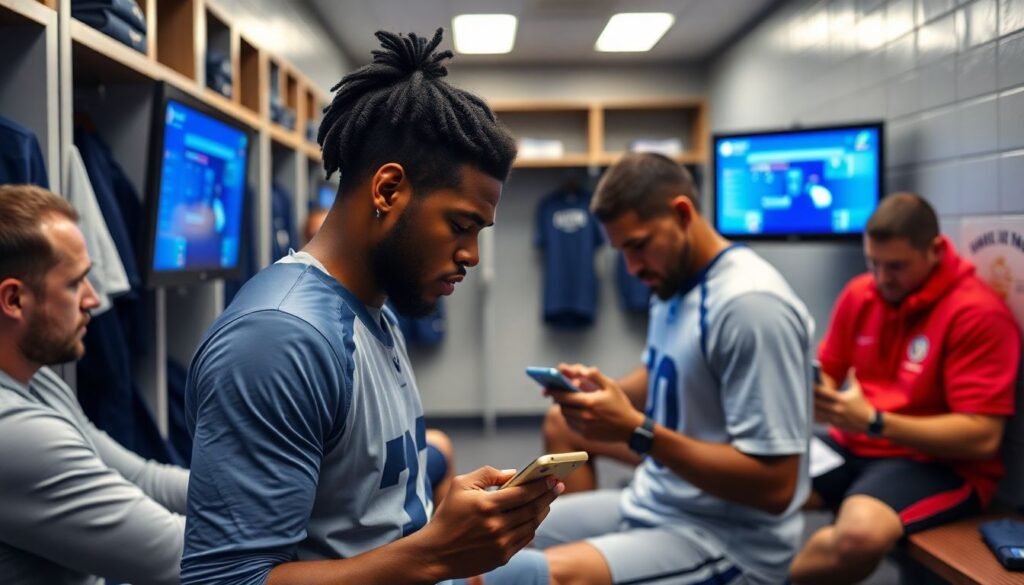
Watch for sleep issues, constant phone use in the dressing room, increased conflicts after online criticism and players prioritising camera-friendly decisions. Regular feedback from captains and fitness staff is as important as platform analytics.
Can fan culture stay "traditional" with all this digital pressure?
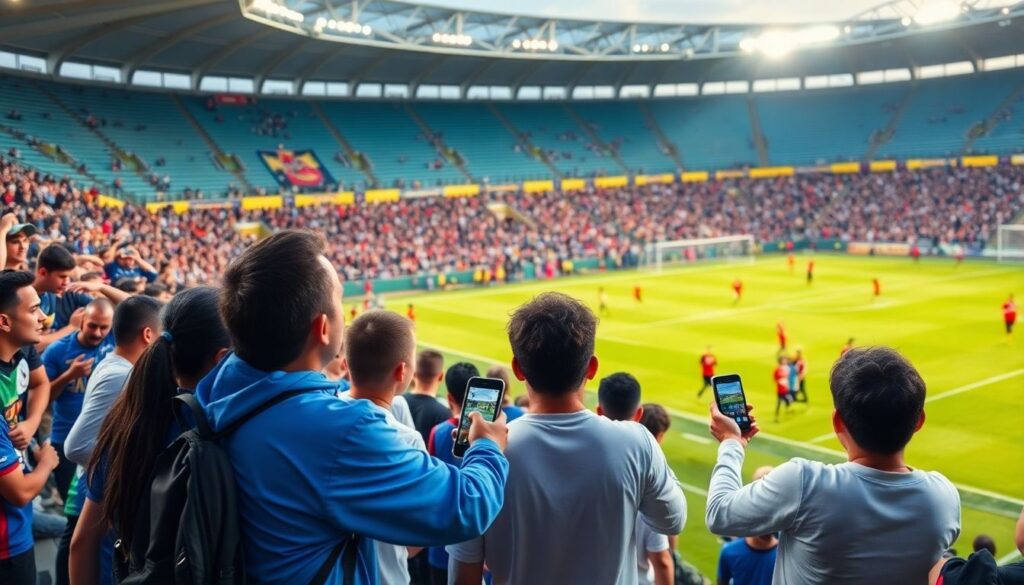
Yes, if clubs invest in live match experiences, local stories and youth programs while integrating social media as a complementary channel. The goal is to use digital tools to deepen belonging, not to replace stadium rituals or local rivalries.