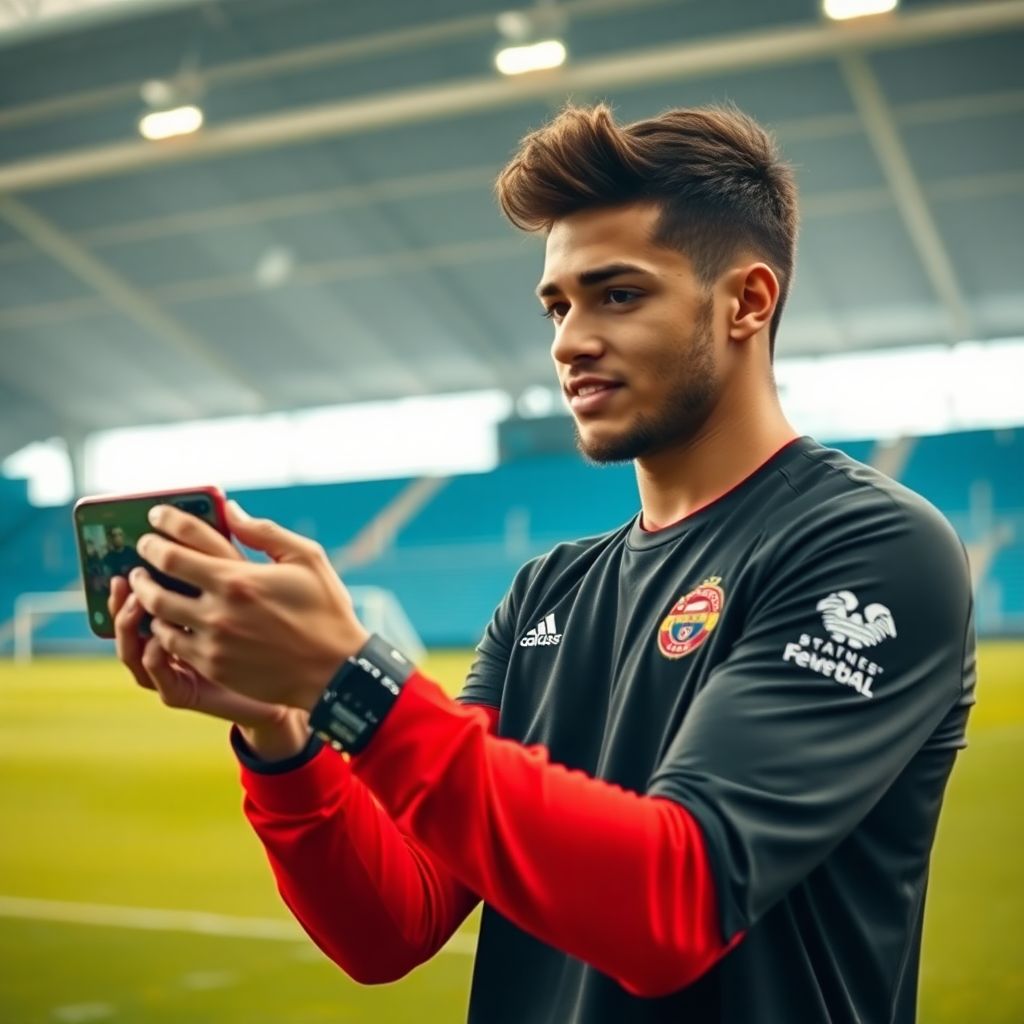
The modern footballer-influencer is a professional player who uses social media strategically to build a clear personal brand, connect directly with fans and sponsors, and generate new income. It means treating Instagram, TikTok or Twitch like a second pitch: planned content, measurable goals, basic legal protection and consistent behaviour.
Core propositions for a footballer’s personal brand
- Think of your personal brand as a long-term career asset, not as a hobby or occasional post.
- Define 1-2 clear positioning angles: playing style, personality and values that you want to be known for.
- Choose platforms where your target fans, sponsors and clubs already spend time, and focus there.
- Plan content in weekly blocks: match-related, training, lifestyle and value-driven posts.
- Use simple KPIs (reach, saves, DMs, sponsor clicks) to adjust content, not your ego.
- Protect your image rights and approval clauses in every deal, even if you work with an agency.
Defining the modern footballer-influencer: roles and expectations
A footballer-influencer is a player who combines on-pitch performance with consistent, strategic communication online. The goal is not just to gain followers, but to turn attention into trust, influence and professional opportunities while staying aligned with club obligations and personal values.
In practice, this means treating marketing para futbolistas influencers as a structured process: clear positioning, content calendar, basic media training and simple reporting. For many players in LaLiga or Segunda, this is handled with servicios de community manager para futbolistas e influencers deportivos that execute day-to-day posting under agreed guidelines.
Key roles of a modern footballer-influencer:
- Athlete: performance remains the core story; everything starts with training, matches and sporting discipline.
- Media channel: your accounts are micro-TV channels where you control narrative and access.
- Brand partner: sponsors expect measurable visibility, creative input and reliability over time.
- Community leader: fans want interaction, inspiration and a sense of belonging, not just highlights.
Example: A left-back at a mid-table LaLiga club publishes a weekly «Defensive Masterclass» reel, a short vlog on away trips and one charity-related story per week. Within months, this consistent behaviour positions him as a tactical, socially aware player, attracting an educational boot sponsor.
Strategic platforms: choosing networks that amplify performance and persona
Not every player needs to be on every platform. Effective gestión de redes sociales para jugadores de fútbol profesionales starts by picking the 2-3 networks where your strengths and your audience match.
-
Instagram
Ideal for: match photos, Reels, lifestyle, sponsors.
Practical actions:- Use a fixed Story highlight structure: Matches, Training, Behind the Scenes, Partners.
- Post 3-5 times per week; prioritise vertical videos and carousels.
- Tag club, league and sponsors; agree UGC rules with your club’s press office.
-
TikTok
Ideal for: skills, humour, trends, younger fans.
Practical actions:- Create 2-3 repeatable formats: skills challenge, locker-room fun, «a day in my life».
- Keep videos under 20 seconds when possible; strong hook in first 1-2 seconds.
- Use music and effects, but avoid anything that breaks club or sponsor image rules.
-
Twitch / YouTube
Ideal for: longer conversations, gaming, tactical breakdowns.
Practical actions:- Stream with clear themes: match analysis, career Q&A, FIFA/FC 24 with teammates.
- Cut streams into short clips for Instagram and TikTok.
- Discuss rights to use match footage with your club and league.
-
X (Twitter)
Ideal for: opinions, quick reactions, expert positioning.
Practical actions:- Prepare «safe» opinion lines on refereeing, rivals and politics; avoid reacting when angry.
- Use threads after big games: 4-6 tweets breaking down key moments.
- Pin one tweet that explains who you are and what to expect from your account.
-
LinkedIn
Ideal for: long-term networking with agents, directors, brands.
Practical actions:- Share 1-2 posts per month about leadership, teamwork, social projects.
- Connect with sponsors’ marketing managers, not just with fans.
- Use professional photos; avoid meme content here.
Example: A female striker with strong tactical insight picks Instagram and YouTube. She posts short match-analysis clips every Monday and training drills on Thursdays. Agents start sending her analyst-style sponsorship briefs instead of generic fashion deals because her platforms clearly show her expert angle.
Content architecture: balancing on-field moments, lifestyle and values
Content architecture is the structure that keeps your brand coherent. It helps an agencia de personal branding para futbolistas or an in-house team keep every post aligned with your positioning and contract obligations.
Think in content «pillars» instead of random ideas. A simple starting structure:
-
On-field content
Matchday routines, highlights clips (respecting rights), tactical insights, training drills.
Action tips:- Agree what you can and cannot record at training with club staff.
- Film simple drills that young players can copy and save.
- Add short captions explaining «why» the drill or moment matters.
Example: A goalkeeper posts a weekly Reel breaking down one key save with simple graphics and subtitles; glove sponsors love the educational angle and share it on their own channels.
-
Locker-room and travel
Human moments with teammates, trips, pre-match rituals.
Action tips:- Show personality without exposing private conversations or tactics boards.
- Ask teammates’ permission before sharing close-up or joking content.
- Use Stories for more informal, short-lived moments.
Example: A centre-back posts a «Away Game Playlist» Story series, tagging teammates; a headphones sponsor later proposes a joint playlist + giveaway campaign.
-
Lifestyle and family
Hobbies, fashion, food, family life (to the level you are comfortable with).
Action tips:- Decide hard limits: what parts of family life you never show.
- Keep locations private in real time; post after leaving.
- Align lifestyle posts with your desired sponsor category (fitness, fashion, tech).
Example: A midfielder who loves cooking posts a weekly «Recovery Dinner» recipe reel; a local healthy restaurant chain notices and offers a content + discount deal.
-
Values and causes
Charity, social causes, mental health, grassroots football.
Action tips:- Pick 1-2 causes that connect honestly with your story.
- Coordinate with NGOs before using their logos or images.
- Avoid using tragedies for engagement; focus on solutions and support.
Example: A defender who grew up in a rural area supports a local academy, sharing one story per week; a boot sponsor co-funds equipment, promoted through a shared campaign.
-
Commercial collaborations
Sponsor content, product integrations, event promotions.
Action tips:- Integrate products into existing pillars (training, lifestyle) instead of forced ads.
- Always label paid partnerships according to platform rules.
- Keep a content approval flow: draft → brand review → final post.
Example: A winger integrates a sports drink into his usual post-match recovery Reel instead of a separate ad; watch-time stays high and the brand renews the contract.
Monetisation models: sponsorships, direct-to-fan and long-term equity
Players often ask cómo monetizar redes sociales siendo futbolista profesional. The answer is to mix several income models, chosen according to your career stage, audience and risk tolerance. Keep everything in written contracts, reviewed by a lawyer or experienced agent.
Upsides of common monetisation models
- Classic sponsorship posts
- Fast to implement with existing audience.
- Predictable income per post, easy to track via promo codes/links.
- Suitable for local and regional brands, not only global ones.
- Ambassador and long-term partnerships
- More stable income and deeper story-telling.
- Better alignment with your values and long-term image.
- Often includes offline events, PR and bonus payments.
- Direct-to-fan products (merch, camps, digital content)
- Higher margin and direct relationship with your community.
- Useful after retirement, when sponsor interest may drop.
- Flexible formats: online training, meet & greet, signed items.
- Equity deals and start-up collaborations
- Potential for higher long-term upside than fixed fees.
- Positions you as a partner, not just an ad space.
- Can connect with your post-career interests (tech, fitness, education).
Limitations and practical cautions
- Over-commercialisation
- Too many ads reduce trust and engagement.
- Fans may unfollow if every post feels like a promotion.
- Clubs may react negatively if sponsors conflict with team partners.
- Contract and legal risks
- Image-rights conflicts between club deals and personal sponsors.
- Hidden exclusivity clauses blocking future opportunities.
- Lack of clear performance metrics and payment schedules.
- Platform and algorithm dependence
- Changes in reach can suddenly reduce sponsor interest.
- Demonetisation or account issues can freeze income.
- Over-reliance on one platform creates vulnerability.
- Reputation and fit
- Associating with brands that do not match your values or audience.
- Crisis at a sponsor quickly affects your own image.
- Short-term money versus long-term credibility dilemma.
Example: A veteran player replaces one-off posts with a two-year ambassador deal for a local bank focused on financial education for young athletes. He posts monthly educational Reels and appears at academy events; the long-term contract is smaller per post but more stable and aligned with his image.
Risk management: reputation, rights and a crisis playbook
Personal branding only works if your reputation is protected. This includes legal rights, club and sponsor obligations and a basic crisis plan for when something goes wrong online or offline.
-
Not understanding image rights
Many players sign deals without checking conflicts with club contracts. Always confirm:- Who can use your photo/video, where and for how long.
- Whether the sponsor can use your club shirt, logo or stadium.
- If there is exclusivity by category (boots, betting, drinks, etc.).
-
Posting in emotional moments
After a defeat, referee decision or personal issue, wait. Practical rule:- No reactive posts in the first 30-60 minutes after a match.
- Draft, review with a trusted person, then post.
- Never attack teammates, staff or fans directly.
-
Ignoring club and league guidelines
Check rules around dressing-room content, medical information and match footage. A quick call with the press officer is cheaper than a fine. -
Lack of a crisis response template
Prepare a simple three-step playbook:- Pause all scheduled posts.
- Gather facts with your agent, lawyer and club.
- Publish a short, clear statement; avoid long excuses.
-
Misinformation and fake accounts
Register your name on major platforms, even if inactive, and use verified badges when possible. Monitor mentions and report impersonators quickly.
Example: After an old controversial tweet resurfaces, a player follows the playbook: pauses campaigns, coordinates with club and sponsors, posts a concise apology and outlines specific steps he is taking. Because the response is fast and consistent, brands stay and the story fades quicker.
Measurement and growth: KPIs, audience segmentation and iterative testing
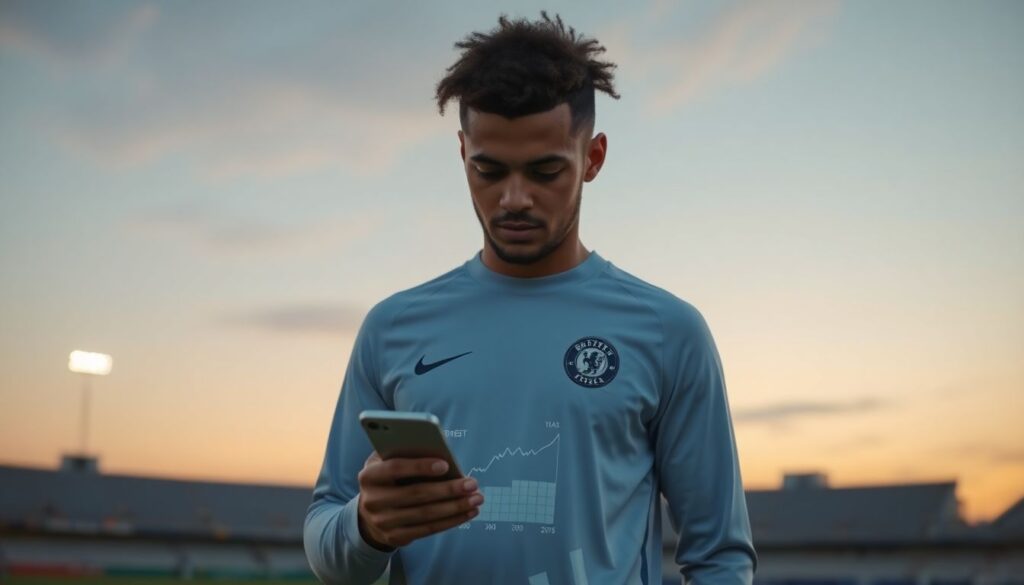
To professionalise marketing para futbolistas influencers, you need simple numbers, not complex dashboards. Measure weekly, adjust monthly and plan by season.
Basic KPIs to track:
- Reach and impressions: how many people see your content.
- Engagement rate: comments, saves, shares divided by reach.
- Growth: net followers gained per week/month.
- Conversion: clicks to sponsor links, discount-code usage, sign-ups.
Basic audience segmentation:
- By geography: Spain, Latin America, other European leagues.
- By language: Spanish-only, bilingual Spanish-English, other.
- By interest: football tactics, lifestyle/fashion, gaming, social causes.
Simple monthly test loop (pseudo-template):
- Pick one variable to test (posting time, video length, topic).
- Post 4-6 pieces with that variable over 2 weeks.
- Compare KPIs to previous similar posts.
- Keep what works; stop what underperforms.
- Document insights in a one-page «social report» for you, your agent and sponsors.
Example: A young full-back and his agency providing servicios de community manager para futbolistas e influencers deportivos test two formats: serious match analysis versus lighter «locker room jokes» reels. Data shows analysis content brings fewer views but more saves and DMs from coaches and academies. They keep both, but use analysis to position him for future coaching roles.
Quick self-audit checklist for your current presence

- Can you explain your personal brand in one clear sentence that a sponsor would understand?
- Do your last 12 posts reflect your main content pillars (performance, lifestyle, values, commercial)?
- Do you have written contracts for every paid collaboration, with image-rights and approval clauses?
- Are you tracking at least 3 basic KPIs and reviewing them monthly?
- Is there a one-page crisis plan agreed with your agent, club or agency?
Practical clarifications and concise solutions
Do I really need an agency or community manager, or can I manage everything alone?
If you play in a professional environment and post regularly, external help is usually worth it. An agencia de personal branding para futbolistas or freelance community manager can handle planning, editing and reporting while you approve key posts and protect your time.
How many platforms should a professional player focus on at the same time?
For most players, two main platforms plus one secondary is enough. Pick where your audience and sponsors are most active, then commit to a realistic schedule instead of opening every network and posting randomly.
What is the minimum content I should post during a normal competition week?

A simple baseline is three posts and several Stories: one training or educational piece, one match-related post and one lifestyle or value-driven content. Increase volume only when you can maintain quality and respond to comments.
How do I avoid conflicts between club sponsors and my personal sponsorships?
Share every proposed deal with your agent and club before signing. Check contract categories, exclusivity and use of logos. If in doubt, ask for a written confirmation from the club that the personal deal is compatible.
What metrics do sponsors usually care about most?
They focus on reach, engagement rate and concrete actions such as link clicks or code redemptions. Prepare a short one-page report after each campaign summarising these numbers and one or two learnings for the next collaboration.
How can a young player with few followers start monetising ethically?
Start with value-driven content and small local brands: academies, gyms, restaurants. Offer simple packages (one Reel + Stories) with clear deliverables and dates. Avoid betting or low-quality products that could damage your long-term image.
What is the safest way to involve my family in my content?
Decide in advance what you will never show (faces of children, locations in real time) and stick to it. Use occasional, positive moments rather than daily exposure, and keep family completely out of any controversial topics or brand deals.
Six concrete next steps to professionalise your social presence
- Write a one-sentence brand statement and 3-4 content pillars on paper.
- Choose your 2 main platforms and delete or park the rest.
- Create a simple weekly content calendar for the next four weeks.
- List current and desired sponsor categories; check for conflicts.
- Set up a monthly 30-minute review of KPIs with your agent or manager.
- Draft a one-page crisis and approval protocol for all future collaborations.