
Football is not a religion in the theological sense, but it clearly works as a secular religion: shared myths, weekly rituals, sacred spaces (stadiums), moral rules and intense belonging. Thinking this way helps analyse fan behaviour, stadium design, merchandising and even how clubs communicate policies and values.
Conceptual Framework: Football as a Secular Religion
- Secular religion = practices and beliefs that give meaning, identity and community, without reference to gods.
- Football offers weekly rituals, emotional narratives and life «vocabulary» similar to traditional faiths.
- Stadiums, shirts and crests function as sacred symbols and material anchors of devotion.
- Club stories, rivals and taboos act as unwritten dogmas and moral codes.
- Fan communities police belonging, orthodoxy and betrayal (changing clubs, criticising idols).
- Politics, business and media instrumentalise this religious-like structure for power and profit.
- For practice, this framework guides how to design experiences, content and spaces around football.
Rituals and Rites: Matchday Practices, Chants and Superstitions
Rituals in football are repetitive, symbolic actions that structure time and emotion: pre‑match beers, specific routes to the stadium, singing an anthem, touching a badge. They do not change the score directly, but they organise meaning and strengthen the bond between fan, club and community.
Rites are more formalised: tifo displays in a derby, honours for club legends, title parades or minute silences. Like religious ceremonies, they mark transitions (retirements, promotions, relegations) and encode values such as loyalty, sacrifice or resistance. In Spain, many clubs borrow explicitly religious language in these moments.
Superstitions are micro‑rituals with a magical logic: always wearing the same scarf, sitting in a «lucky» seat, refusing to watch penalties. In Buenos Aires or Naples, some fans walk the same «pilgrimage» route every matchday. In Bilbao or Seville, specific bars become quasi‑chapels for these habits.
For practice, recognising these rites matters if you design matchday experiences, tours or communications. A curso de sociología del fútbol y religión often starts by observing these small behaviours: when do songs start, where do banners appear, who leads chants, and how these elements reproduce or challenge local power structures.
Stadiums as Sacred Spaces: Architecture, Pilgrimage and Atmosphere
Stadiums behave like secular temples when at least these features are present:
- Distinct architecture and layout: clear boundaries between inside/outside, with gates, stairs and «altars» (the pitch, the locker room tunnel). Classic examples include San Mamés in Bilbao or Anfield in Liverpool.
- Pilgrimage patterns: fans travelling regularly from other cities or countries, doing a tour estadios de fútbol templos del deporte that resembles visiting cathedrals. The route, the photos and the storytelling become part of their identity.
- Codified behaviours: rules about when to stand, when to whistle, what to sing, how to welcome players. In the Sánchez‑Pizjuán or Mestalla, the collective voice transforms the stadium into a single «body».
- Artefacts and relics: trophies, old boots, historic shirts, plaques, murals. Stadium museums curate «saints» and miracles (last‑minute goals, comebacks) as if they were relics in a shrine.
- Emotional atmosphere: silence in tense moments, explosions of joy, shared mourning after tragedies. This emotional choreography is learned and transmitted across generations.
- Off‑match uses: weddings, ashes scatterings, even political rallies. Once a stadium is used to mark life milestones, its sacred status consolidates.
Designers, club managers and tour operators can use this lens to plan routes, lighting, storytelling and merchandising. If you work in tourism, you can frame a stadium visit like a secular pilgrimage: narrative arcs, key «altars» to stop at, and moments for collective reflection or chanting.
Icons and Idols: Players, Managers and Symbols of Devotion
Idols in football are people or symbols that condense the community’s dreams, virtues and traumas. They act like saints or prophets in secular form. Their stories become moral examples, warning tales or sources of consolation after defeats and crises.
- Local heroes: players born near the stadium (e.g. a Basque icon for Athletic Club, a La Masia graduate for Barça). Their biographies connect neighbourhood, academy and first team, turning individual success into collective pride.
- Global superstars: Messi, Ronaldo or Haaland function as transnational idols, followed beyond club borders. Their image is used from billboards to children’s bedroom posters, shaping what «excellence» means in this secular religion.
- Charismatic managers: Guardiola, Klopp or Bielsa are often discussed with quasi‑theological terms: «philosophy», «school», «faithful disciples». Their tactical ideas become doctrines fans defend online and in bars.
- Symbols and crests: club badges, colours, flags and scarves condense identity. When federations or leagues try to modify them for rebranding, reaction often resembles a defence of sacred icons.
- Mythical numbers and shirts: the «10», the «7» or the «9» carry a sacred aura. Retiring numbers or placing shirts in museums is equivalent to canonising a saint.
- Merchandising with devotional style: some camisetas y merchandising cultura futbolera religiosa imitate votive candles, ex‑votos or prayer cards, making the religious analogy explicit.
In practice, marketers, museum curators and content creators must treat these icons carefully. Over‑commercialising or disrespecting an idol can be perceived as blasphemy against the community and provoke strong backlash.
Dogmas and Doctrine: Club Lore, Unwritten Rules and Moral Codes
Dogmas are beliefs that fans rarely question: «we are a working‑class club», «we never leave before the final whistle», «this derby is more than a game». Doctrine is the evolving interpretation of these beliefs, negotiated by journalists, ultras, historians and ordinary fans.
Positive functions of football dogmas
- Give clear identity and narrative continuity across generations.
- Offer simple moral rules: loyalty, sacrifice, humility, anti‑violence, anti‑racism (in progressive fan cultures).
- Help newcomers understand «how things are done here».
- Protect clubs from purely short‑term decisions by owners or politicians.
- Create fertile ground for education projects and social initiatives around values.
Limitations and risks of rigid doctrines
- Freeze outdated myths (e.g. «working‑class» identity in very gentrified contexts) and block honest debate.
- Justify exclusion: gatekeeping against women, migrants or casual fans as «not real supporters».
- Encourage absolute loyalty to club or idol, even against ethical or legal norms.
- Polarise rivalries until they resemble religious wars, feeding violence and hate speech.
- Make necessary reforms (ticket prices, safety regulations) harder to implement.
For educators, journalists or anyone designing a curso de sociología del fútbol y religión, mapping these dogmas is a basic tool. You can use fan interviews, fanzines and fan forums to extract «ten commandments» of each club and analyse who benefits from them.
Communal Identity: Fan Tribes, Belonging and Social Enforcement
Fan identity functions as a secular tribe, often more stable than national or religious identification. You «inherit» a club from family or neighbourhood, and changing allegiance can be treated like apostasy. Social enforcement keeps the tribe coherent, but it also produces myths and misunderstandings.
- Myth 1 – «Real fans are always from the city of the club»: globalisation produces hybrid identities. You can be from Valencia and support Liverpool without betraying your local team, but many fan groups still enforce a territorial orthodoxy.
- Myth 2 – «Passion justifies any behaviour»: violence, sexism or racism are sometimes excused as «heat of the moment». A secular religious lens helps separate legitimate intensity from destructive cult‑like behaviour.
- Myth 3 – «Ultras speak for all fans»: vocal groups can dominate chants and displays, but silent majorities may disagree. Treating ultras as the whole «church» hides internal diversity.
- Myth 4 – «Merch buyers are plastic fans»: wearing shirts or scarves is a basic participation ritual, not automatically a sign of superficial fandom. In many contexts, buying official gear is also political support against controversial owners or leagues.
- Myth 5 – «Religion and football are separate worlds»: in Spain and Latin America, real religious processions, church blessings of shirts, or murals of the Virgin in stadiums blur boundaries. Some documentales sobre la religión del fútbol online explore exactly these overlaps.
Practically, community managers, club foundations and local authorities should map fan sub‑groups (family stands, ultras, international tourists, members) and understand their different ideas of «true» fandom before launching campaigns or regulations.
Societal Functions: Politics, Commerce and the Secularization Debate
Football-as-secular-religion helps explain why clubs and national teams are so attractive for politicians, brands and media. They provide ready‑made communities, emotional rituals and symbols that can be mobilised for legitimation, sales or soft power, especially in highly secularised societies like contemporary Spain.
Consider this mini‑case from an imaginary La Liga club in Andalusia:
- The club launches a new third kit inspired by local religious processions in Semana Santa, mixing club colours with traditional imagery.
- Local politicians attend the kit presentation, speaking about «our common faith in the city and in the club».
- Media frame the event as a «historic fusion» of tradition and modernity, while fan groups debate whether this is respectful or opportunistic.
- Sales boom because the design works as both football shirt and cultural garment, similar to devotional clothing.
- Academic observers later use the campaign in libros sobre fútbol como religión secular as an example of commodifying sacred culture.
From a practical angle, if you design educational programmes, fan projects or even camisetas y merchandising cultura futbolera religiosa, the secular religion framework helps you ask: who controls the symbols, who profits from the rituals, and how to avoid exploiting genuine devotion.
If you are planning a tour estadios de fútbol templos del deporte or a local museum, you can frame visits as critical experiences: showing not only trophies but also how stadiums relate to urban change, political events and migrations. Likewise, curating documentales sobre la religión del fútbol online for schools or fan clubs can open conversations about values, exclusion and inclusion.
Quick Practical Answers about Football’s Religious-like Features
Is football really a religion or is it just a metaphor?
It is a metaphor, but a powerful and precise one. Football is a secular religion because it organises meaning, time, community and morals without invoking gods. Using this frame clarifies behaviour; it does not claim that fans literally worship deities.
How can I use this idea in education or training?
Design a module or full curso de sociología del fútbol y religión where students map rituals, sacred spaces and dogmas of a chosen club. Then compare with traditional religions to discuss identity, conflict and social cohesion using familiar, engaging examples.
What does this change for clubs and fan engagement teams?
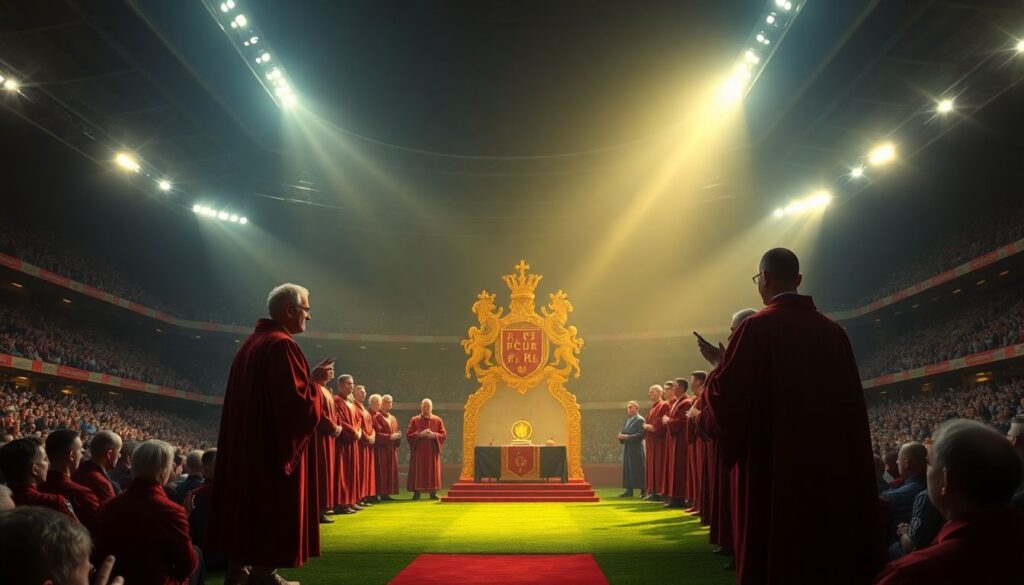
They should treat stadiums, symbols and legends as quasi‑sacred assets. Decisions about crest changes, ticket policies or sponsorships need ritual sensitivity: consult fan «clergy» (representatives), respect taboos and explain reforms using the club’s own mythic language.
How is this useful for tourism and cultural projects?
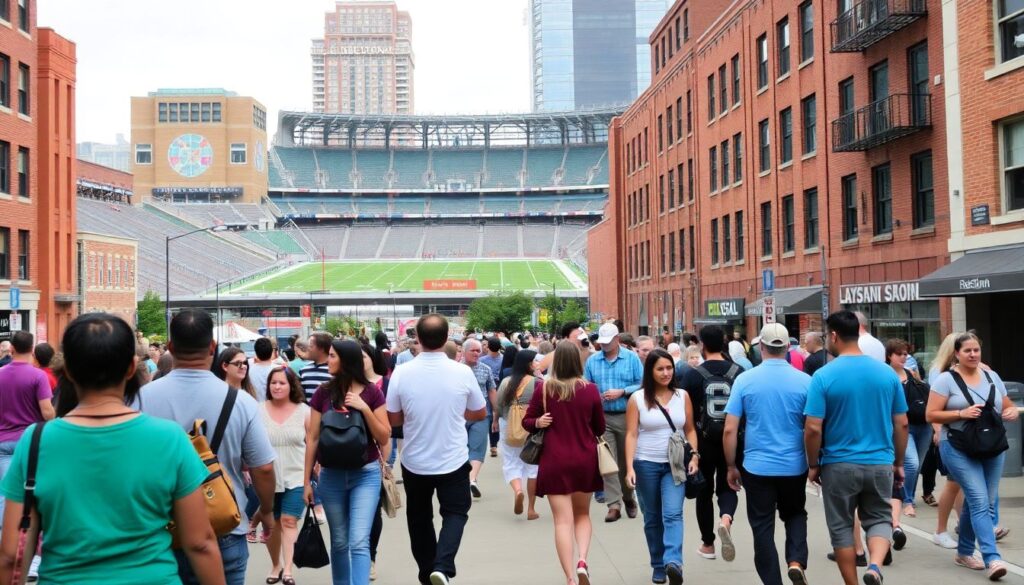
City councils and clubs can design a tour estadios de fútbol templos del deporte as a cultural route, connecting stadiums with neighbourhood stories, migration and local festivals. This attracts both fans and non‑fans by framing football as urban heritage, not only as entertainment.
Are there good resources to go deeper into this topic?
Look for libros sobre fútbol como religión secular written by sociologists and anthropologists, and curated documentales sobre la religión del fútbol online from public broadcasters or universities. Combining academic texts with visual materials helps connect theory with everyday fan practices.
Does merchandising play a role in the «religious» side of football?
Yes. Scarves, shirts and limited editions function like devotional objects. When designing camisetas y merchandising cultura futbolera religiosa, think beyond logos: reference rituals, songs and local myths to create items that fans use in their personal «altars» at home.
Can this approach help reduce violence and exclusion?
By naming dogmas, sacred symbols and taboos, clubs and educators can open dialogue about which aspects of the «faith» to keep and which to reform. This enables fan charters, anti‑violence rituals and inclusive narratives without denying passion or tradition.