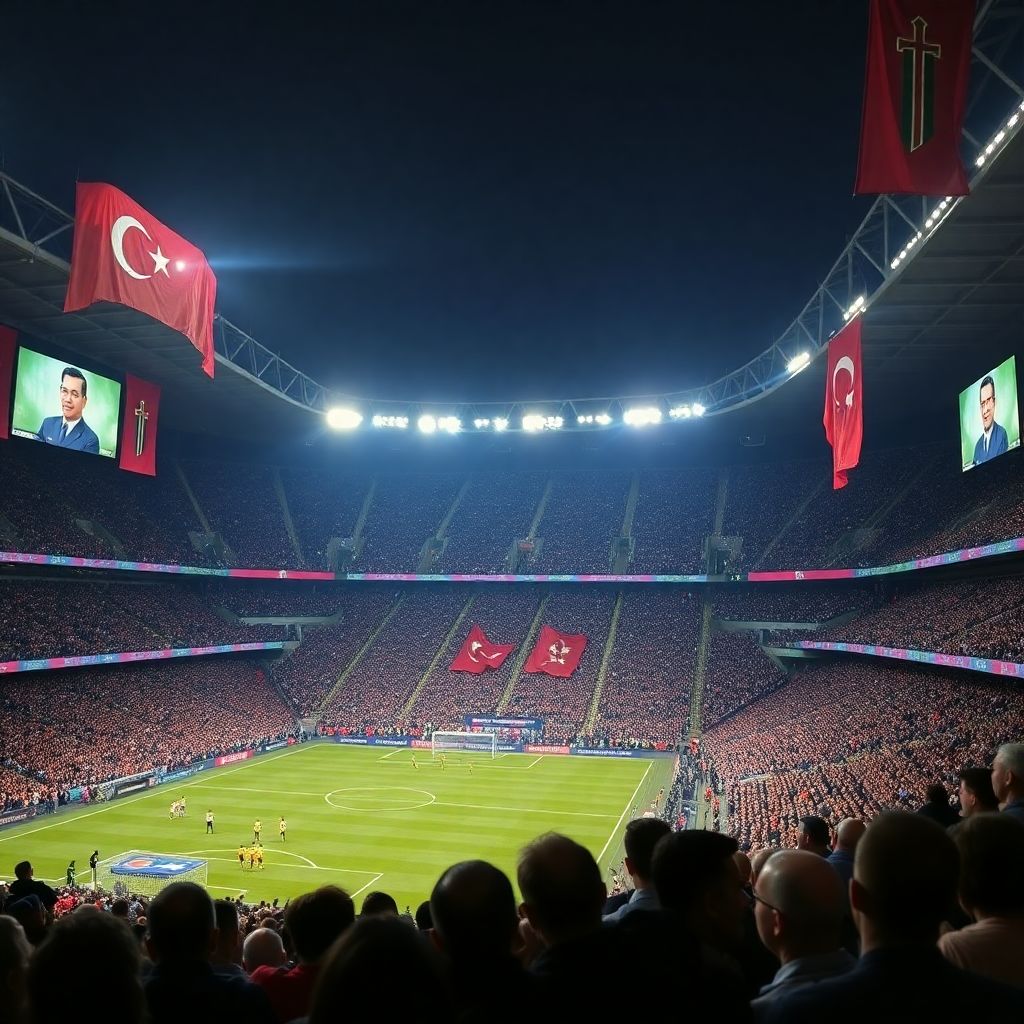
Football is a political tool because it concentrates attention, emotion and identity. States, parties and movements use it for propaganda, soft power and resistance by framing matches, tournaments and clubs as symbols of the nation or of a cause. Misuse usually stems from crude messaging, lack of safeguards and ignoring fan agency.
Core Concepts: Football’s Political Functions
- Football can legitimise governments through success, mega-events and controlled celebrations.
- It operates as soft power when states project an attractive image via clubs, leagues or tournaments.
- Supporters also mobilise football to express dissent, memory and resistance.
- Political influence moves through media narratives, symbols, ownership and regulation.
- Most failures come from over-manipulation, disrespecting local culture or underestimating backlash.
- Clear red lines, transparency and plural fan representation reduce harmful politicisation.
Historical Cases: Football as State Propaganda
Using football as state propaganda means deliberately staging games, tournaments, images and narratives to glorify a regime, ideology or leader. It goes beyond normal patriotism: the sport is framed as proof of moral or historical superiority and dissenting voices are marginalised or silenced.
Classic futbol y politica ejemplos historicos include dictatorships polishing their image through national team triumphs, or hosting tournaments while repressing opponents. More recently, governments have used club takeovers or stadium inaugurations as televised showcases, blending entertainment with carefully scripted political messages.
The boundary between legitimate celebration and propaganda politica en el futbol moderno usually lies in three elements: 1) degree of state control over messaging; 2) space for alternative views; 3) disproportionate public spending or security measures justified by the event. When these are excessive, football becomes a propaganda vehicle rather than a shared cultural ritual.
Frequent mistakes when governments instrumentalise football are:
- Over-personalising success: presenting victories as a leader's personal achievement. This triggers cynicism, especially if everyday conditions do not improve.
- Visible repression around games: heavy-handed policing or silencing protesters near stadiums makes the political use obvious and delegitimises both regime and event.
- Ignoring football memory: using symbolic clubs or stadiums without respecting their historical meanings (e.g. worker, regional or minority identities) generates backlash.
Quick prevention measures include: keep political speeches and imagery minimal on match days; share credit widely (players, staff, fans); publish transparent budgets for football projects; and allow independent media access, even if criticism is expected.
Soft Power Strategies: Hosting, Branding and Diplomacy
Soft power deportivo futbol y relaciones internacionales refers to using football to attract rather than coerce: states seek admiration, trust and strategic partnerships through the game. Mechanically, this happens through image-building, relationship-building and agenda-setting.
- Mega-event hosting: bidding for World Cups or continental tournaments to showcase infrastructure, security and hospitality, hoping to rebrand the country and stimulate tourism and investment.
- Club ownership and sponsorship: state-linked entities buying or sponsoring elite clubs to associate the nation with success, innovation and global stars.
- League and academy projects: exporting domestic leagues via TV rights, preseason tours and academies abroad to normalise the country's presence and narratives.
- Football diplomacy: using friendly matches, joint bids and high-level visits around fixtures to open conversations on trade, security or culture.
- Cultural storytelling: documentaries, series and museum exhibitions that link football to national heritage, emphasising diversity, resilience or creativity.
Common errors in soft power design include:
- Short-termism: expecting immediate political gains from a tournament without planning post-event legacies and sustained engagement.
- Image-reality gap: promoting a modern, inclusive brand while domestic policies contradict it; this invites "sportswashing" accusations.
- Over-centralised messaging: scripts written far from local football cultures, resulting in sterile ceremonies and forgettable campaigns.
- Ignoring player and fan speech: assuming athletes and supporters will stay apolitical, then being surprised when they voice critical positions.
To prevent these problems, align football narratives with realistic policy commitments (e.g. on labour, inclusion or sustainability), invest in grassroots facilities not just stadiums, share narrative-building with local clubs and communities, and plan communication for ten years, not just for a final.
Application Scenarios: Quick Blueprints for Practitioners
Before moving to mechanisms and limits, it helps to visualise simple, concrete uses that avoid obvious pitfalls:
- City rebranding through a mid-size tournament: a Spanish city co-hosts a youth European championship. Instead of plastering leader portraits, the campaign highlights local neighbourhood clubs, public transport improvements and fan festivals designed with supporter groups. Evaluation tracks tourism, resident satisfaction and participation, not propaganda reach.
- Embassy-led football exchanges: an embassy organises annual coaching clinics with a La Liga club in a partner country. Coaches are briefed to avoid partisan messages; workshops include sessions on fair play and inclusion. Success indicators are long-term school partnerships and student exchanges rather than social media vanity metrics.
- Club partnership with a development agency: a top club collaborates with an international organisation on refugee inclusion through football. The project communicates joint goals clearly, discloses funding, and gives refugee communities real decision-making power, limiting risks of instrumentalising vulnerable groups.
Grassroots Resistance: Fan Culture, Boycotts and Dissent
While elites often control official football narratives, supporters and local communities use the sport to resist, criticise and organise. Here, football becomes a stage for counter-propaganda, memory work and social demands rather than top-down messaging.
- Stadium choreography and chants: banners, tifos and songs denouncing corruption, authoritarianism or discrimination. These may target club owners, federations or governments, often visible worldwide via broadcasts.
- Boycotts and walkouts: coordinated refusal to attend games, purchase merchandising or watch broadcasts to pressure decision-makers. Boycotts can address ticket pricing, ownership models or political repression around matches.
- Alternative tournaments and community clubs: supporters forming clubs or leagues run democratically as a response to hyper-commercial or politically controlled structures, experimenting with new governance models.
- Memory and human-rights activism: match-day actions remembering victims of violence or dictatorship, or campaigns against racism, sexism and homophobia, often inspired by documentales sobre futbol resistencia y movimientos sociales.
- Digital mobilisation: online campaigns, investigative blogs and podcasts exposing opaque deals between clubs, sponsors and public authorities, and coordinating transnational solidarity between fan bases.
Typical mistakes by activists include over-personalising conflicts (focusing on one villain instead of structural issues), neglecting security and legal risk, and using exclusionary or violent tactics that alienate potential allies. Quick safeguards: diversify leadership, consult legal support early, adopt a clear non-violence and anti-discrimination code, and segment goals into achievable steps.
Operational Mechanisms: Media, Symbols and Institutional Capture
Football's political effects move through concrete channels. Understanding them helps practitioners design ethical interventions and avoid naive assumptions about "keeping politics out" of the game.
Advantages of Using Football Politically
- Mass reach and attention: matches and tournaments attract audiences that political rallies rarely reach, including apolitical or disenchanted citizens.
- Emotional intensity: victories, defeats and rituals create strong memories, making narratives stick longer than regular campaigns.
- Symbolic plasticity: flags, anthems, shirts and stadiums can be reinterpreted for nation-building, reconciliation or progressive causes.
- Transnational networks: clubs, fan groups and federations create cross-border connections useful for dialogue and cultural diplomacy.
- Media amplification: sports media multiplies stories, giving small gestures (armbands, statements) disproportionate visibility.
Structural Limitations and Risks
- Uncontrollable narratives: once the ball rolls, fans and journalists reinterpret events; attempts at rigid control usually backfire.
- Polarisation spillover: importing party-political conflicts into club rivalries can increase social division and violence.
- Institutional capture: when federations and leagues are tightly bound to ruling parties, governance quality and trust decline.
- Ethical trade-offs: accepting dubious sponsors or hosts can support harmful practices, damaging credibility.
- Player vulnerability: athletes face pressure to conform, speak or stay silent, with career and safety consequences.
Preventive measures: keep federation governance independent with term limits and conflict-of-interest rules; separate security decisions from political cycles; require transparent disclosure of sponsorship and hosting criteria; and ensure players and fans have protected channels for complaint without retaliation.
Legal, Ethical and Institutional Limits on Political Uses
Misunderstandings about what is allowed or wise in combining football and politics are widespread. Clarifying them avoids both overreaction and complacency.
- Myth: football can ever be fully apolitical. In practice, stadium names, anthems, public funding and police presence are already political choices. The realistic aim is fair, transparent and plural governance, not total depoliticisation.
- Error: mixing partisan campaigning with official competitions. Allowing parties to campaign inside stadiums or on national-team shirts undermines neutrality and can violate electoral rules. Quick fix: explicit regulations banning party logos and slogans in official competitions.
- Myth: any political expression by players must be sanctioned. Many leagues allow human-rights or anti-discrimination messages while prohibiting party propaganda. Clear guidelines and pre-season briefings reduce arbitrary punishment.
- Error: opaque public spending on football infrastructure. Hidden contracts and over-budget stadiums fuel distrust. Preventive steps: mandatory publication of contracts, independent audits and fan representation in oversight bodies.
- Myth: all state involvement equals "political interference" barred by international federations. In reality, states can regulate labour, safety and anti-corruption; problems arise when governments directly appoint or remove football officials.
- Error: ignoring knowledge and critical literature. Policymakers often improvise instead of consulting experts or accessible libros sobre futbol politica y poder, leading to repeated mistakes.
From Theory to Practice: Designing Football-based Engagement Interventions
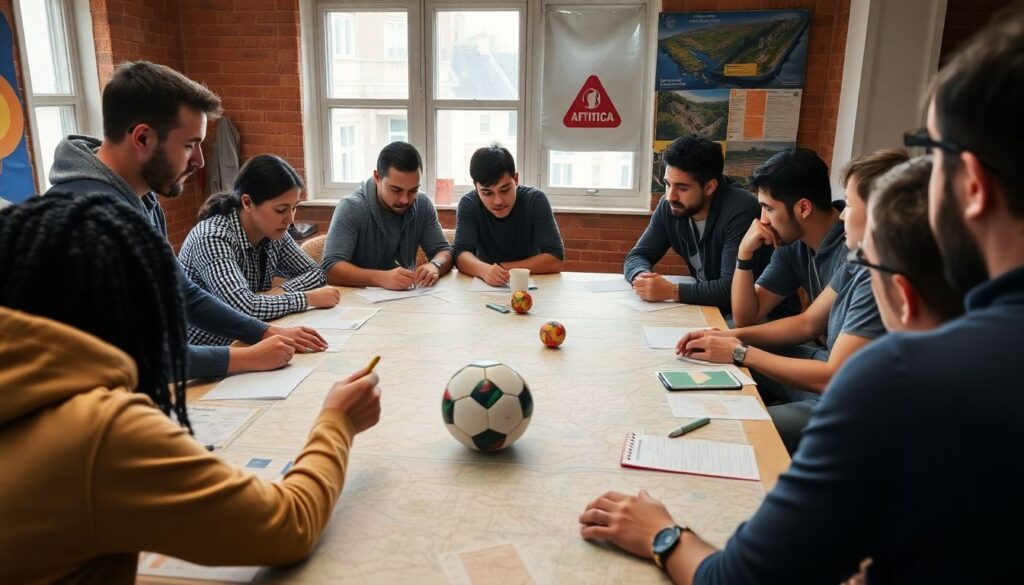
Translating these concepts into action means designing football projects that are politically aware, ethically robust and operationally realistic. Below is a compressed "pseudo-playbook" that can be adapted to different contexts.
- Define the political objective precisely. Examples: promote local social cohesion, improve a city's international image, support integration of a minority group. Exclude hidden partisan goals at this stage.
- Map stakeholders and power relations. List clubs, fan groups, federations, media, NGOs, ministries and sponsors. Identify who benefits or loses influence from the project.
- Assess legal and ethical constraints. Review election laws, federation rules, advertising standards and human-rights obligations. Mark "red lines": no party logos, no discriminatory content, no opaque funding.
- Co-design with affected communities. Run workshops with supporters, local residents and player representatives. Integrate their priorities and warnings before fixing the format.
- Choose low-risk football formats. Community tournaments, mixed-gender games, school leagues, coach education or joint training camps often carry fewer propaganda risks than national-team spectacles.
- Plan communications with humility. Avoid triumphalist slogans; be clear about limits and challenges. Prepare for critical questions and potential protests; design listening mechanisms instead of just "counter-messaging".
- Set measurable, non-propaganda indicators. Track participation diversity, dialogue quality, facility use and perceptions of fairness, not love for a leader or party.
- Document, evaluate, adjust. Publish reports and invite independent review. Use findings to correct excess politicisation and refine soft power tools.
Practical Clarifications and Common Misconceptions
Is it realistic to keep politics completely out of football?
No. Public funding, security policy, urban planning and national symbols are inherently political. The practical goal is transparent, fair and plural governance, plus clear limits on partisan campaigning, rather than an impossible wall between football and politics.
When does patriotic celebration become state propaganda?
The line is crossed when authorities tightly script celebrations, monopolise credit for success, punish dissenting views and massively overspend for image gains. Spontaneous, plural celebrations with space for criticism and independent media are usually not propaganda.
Can soft power through football backfire on a country?
Yes. If promoted values clash with domestic realities, or abuses linked to tournaments emerge, international backlash can damage reputation. Minimising this risk requires aligning football projects with real reforms and maintaining credible oversight, not just polished campaigns.
How can fan groups resist politicisation without escalating conflict?
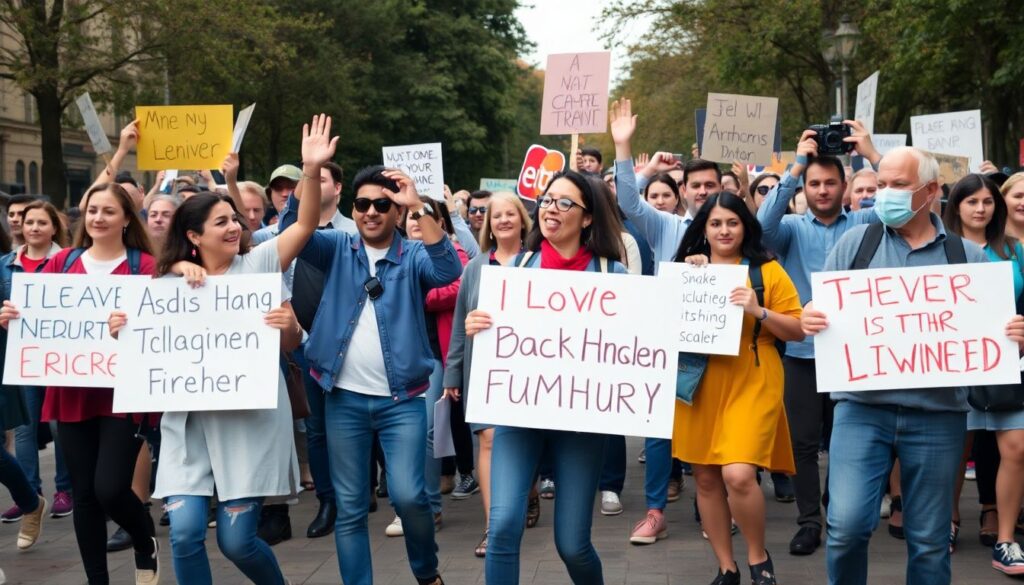
They can use humour, creative choreography and transparent arguments rather than dehumanising rhetoric. Building broad coalitions, setting non-violence rules and documenting abuses calmly helps attract allies and makes it harder for authorities to justify repression.
Are players obliged to make political statements?
No. Players have the right to speak or remain silent. Clubs and federations should protect freedom of conscience, offering guidance on rules and potential consequences but avoiding pressure in either direction.
What is the quickest way for a city to avoid "sportswashing" accusations?
Link any major football event to concrete, verifiable commitments: labour standards, accessibility, environmental measures and independent monitoring. Communicate these clearly, involve local civil society and be open about shortcomings as well as achievements.
How can policymakers learn quickly without repeating past mistakes?
Start by reviewing rigorous case studies, including critical films and academic work, and consult cross-disciplinary experts. Short, focused roundtables with fan representatives, players’ unions and urban planners reveal blind spots that traditional political advisers may miss.