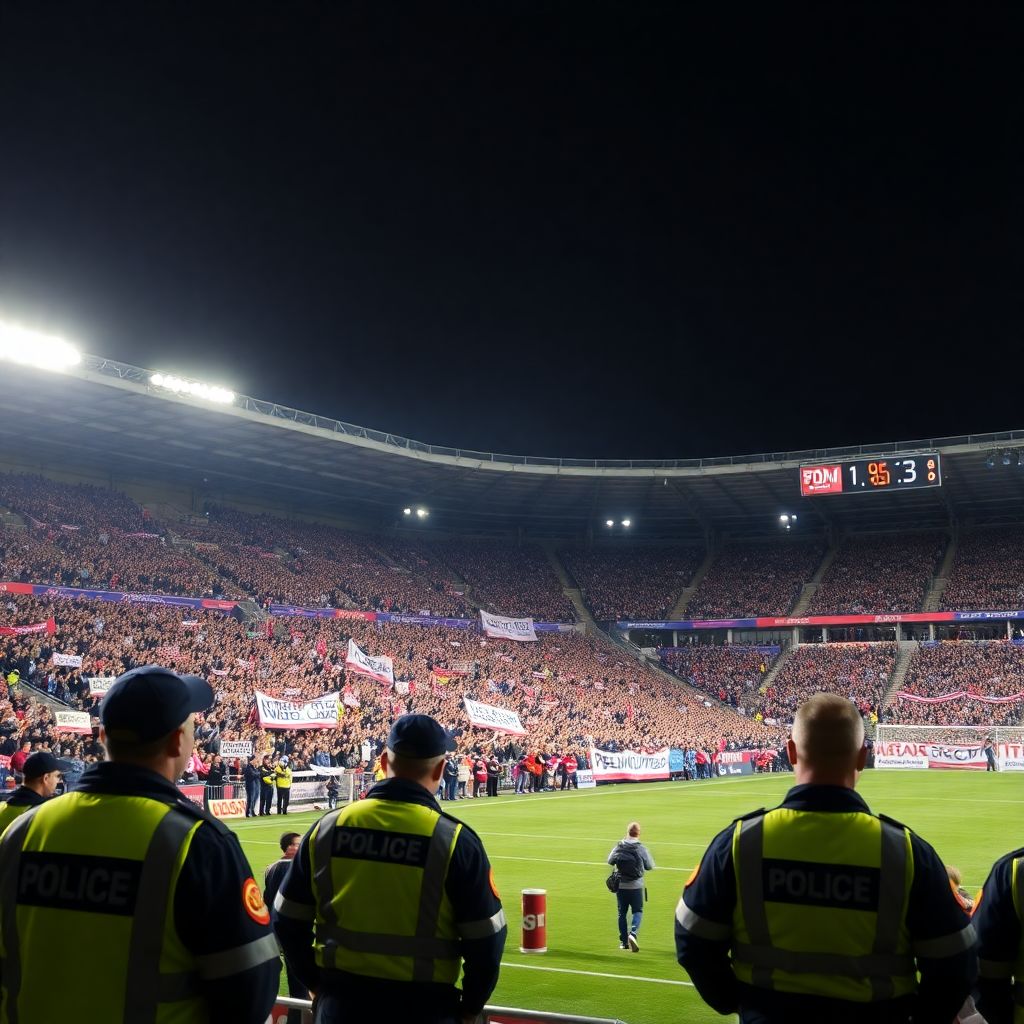
Football stadiums become political spaces when crowds, symbols, and media attention turn a match into a de facto public square. This is powerful but risky: clubs, fans, and authorities must balance freedom of expression, safety, and legal limits through clear rules, de‑escalation, and respect for rights.
Core Concepts: Football as Political Space
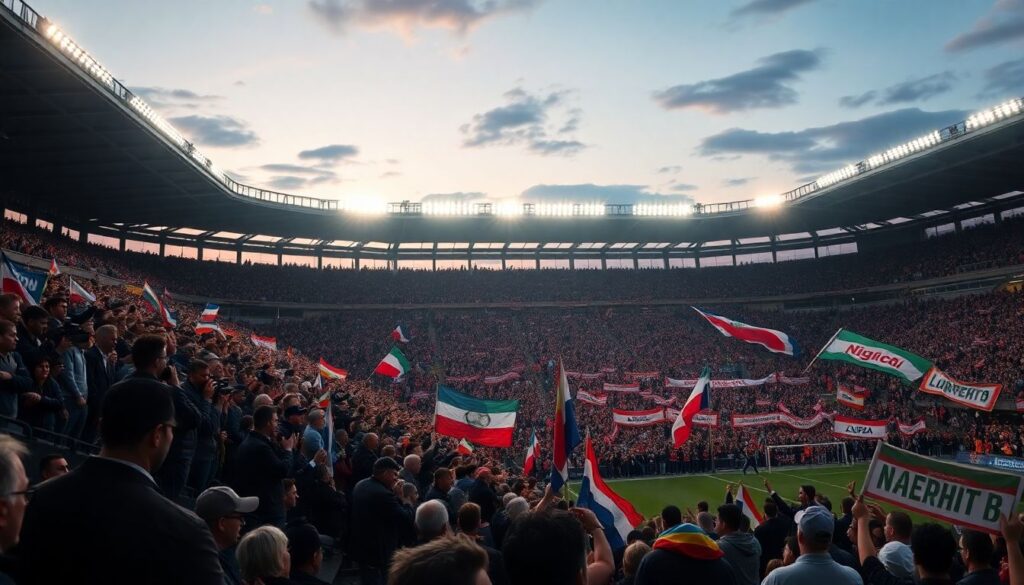
- Stadiums can temporarily function like city plazas, concentrating thousands of people, emotions, and cameras in one controlled environment.
- Politics enters through chants, banners, colours, and collective rituals that broadcast messages beyond sport.
- Legal frameworks in Spain and elsewhere treat stadiums as semi-public spaces with specific safety and hate-speech regulations.
- Clubs, fan groups, security forces, and media each shape how visible and acceptable political expression becomes.
- Peaceful symbolism is often tolerated; incitement to violence, hate, or discrimination usually triggers sanctions.
- Safer political expression in football depends on preparation: codes of conduct, liaison with fan groups, and rapid response to flare-ups.
Historical Moments When Stadiums Shaped Politics
A persistent myth says «football and politics do not mix». In practice, major stadiums have repeatedly amplified political tensions, hopes, and conflicts, even when clubs or governments tried to keep matches «neutral». The field may be regulated, but the stands often behave like a loud urban plaza.
«Stadium as public square» means that the venue temporarily plays the role of a plaza where collective identities are affirmed and contested. The difference is control: tickets, surveillance, and private rules limit access and expression. Yet, when emotions peak, these controls can be challenged or overwhelmed.
Another myth claims that only national-team games are political. In reality, local derbies, regional rivalries, and continental competitions can all carry political meaning: debates about independence, migration, inequality, or state violence surface through songs, tifos, and boycotts, especially in countries with strong football culture like Spain and much of Latin America.
Understanding stadiums as potential political spaces helps clubs, fan groups, and authorities plan ahead. Instead of denying the political dimension, they can design safer channels for expression and clearer red lines around hate speech, violence, or explicit calls to insurrection.
Mechanisms: How Matches Become Political Events
Many assume that politics only appears when someone «organises a protest match». Usually it happens more subtly, through mechanisms that transform normal fixtures into charged public events.
- Mass visibility and media focus: Television, social media, and press coverage turn a banner or chant into a national talking point within minutes, making stadiums attractive stages for symbolic protest.
- Collective emotion and identity: Shared colours, songs, and rituals generate group identity; political messages «hide» inside this emotional wave, spreading faster and feeling more legitimate to participants.
- Symbolic opponents: Rival clubs or national teams are reframed as stand-ins for governments, elites, or foreign powers, so sporting victory or defeat is narrated as political triumph or humiliation.
- Pre-existing conflicts: Ongoing social tensions-regional autonomy, policing, labour disputes-enter the stadium via fan groups, unions, or activist networks who already use the matchday as a coordination space.
- Security decisions as political signals: Heavy policing, flag bans, or sanctioning specific chants are perceived by fans as political acts, often escalating the sense that the stadium is a contested public arena.
- Commercial and institutional endorsements: Sponsors, leagues, or federations promote campaigns (anti-racism, human rights, national unity), transforming pre-match ceremonies into soft political statements.
- Digital amplification: Clips of choreographies or clashes circulate online detached from match context, re-edited to support particular narratives and mobilising people who never attended the game.
Actors: Clubs, Fans, Media, and the State
A common myth is that «only ultras politicise football». In reality, multiple actors-often with conflicting agendas-shape how stadiums become public squares and how safe or dangerous that process is.
-
Clubs and league organisers
They set the basic rules: ticketing policy, acceptable banners, sanctions for abuse. Their main aim is usually commercial and reputational stability, not political impact, but every ban or permission they grant has political consequences. -
Fan groups and supporter associations
From ultras to family-oriented peñas, fans decide which messages dominate the stands. Some groups coordinate with social movements or parties; others focus on local pride or anti-rival narratives that still carry political overtones. -
Security forces and private stewards
Police and stewards control entrances, searches, and ejections. Their interpretation of «public order» determines which flags, slogans, or gestures are tolerated. Poorly calibrated interventions can turn minor symbolic acts into full confrontations. -
Media outlets and commentators
Media decide whether to frame an incident as «isolated hooliganism» or «symptom of deeper conflict». By choosing camera angles and storylines, they can cool down tensions or feed a narrative of polarisation and moral panic. -
Local and national authorities
Governments shape the legal environment: public-safety laws, anti-violence in sport regulations, and hate-speech provisions. They also negotiate with clubs and police about risk matches, fan travel, and political symbolism inside stadiums. -
Activist networks and NGOs
Anti-racist platforms, human-rights groups, and community organisations use football’s visibility to promote campaigns, while also pressuring institutions to sanction discrimination and protect vulnerable groups inside and around the stadium.
Symbols and Spectacles: Chants, Banners, and Rituals
Many people believe that all political symbolism in football is dangerous. In practice, some forms of expression can strengthen democratic culture if they remain peaceful and inclusive, while others clearly cross legal and ethical lines.
Constructive Uses of Stadium Symbolism
- Chants and tifos promoting anti-racism, anti-violence, or solidarity with victims of disasters or repression, when they avoid targeting specific groups with hate.
- Displays of regional or local identity-flags, anthems, colours-that affirm cultural diversity without inciting hostility against minorities or migrants.
- Coordinated gestures (minute of silence, joint banners by both sets of fans) that call for dialogue, peace, or respect for human rights.
- Player and club participation in educational campaigns that link fair play on the pitch with civic values off it, reinforcing non-violent conflict resolution.
Limits and Problematic Forms of Expression
- Chants, banners, or gestures that glorify political violence, terrorism, or authoritarian regimes, especially when they intimidate or exclude other fans.
- Racist, xenophobic, sexist, or homophobic messages directed at players, referees, or supporters, which often fall under hate-speech regulations.
- Pyrotechnics and pitch invasions used as political spectacle, turning symbolic protest into concrete physical risk for players, staff, or families in the stands.
- Forced political displays-situations where fans or players feel obliged to participate in a message imposed from above by state or club authorities.
- Commercial appropriation of serious causes, where sponsors use «political» or social justice campaigns mainly as marketing, eroding trust and provoking cynicism among supporters.
Risks and Legal Responses: Security, Repression, and Rights
A frequent myth is that «more police and more bans automatically mean more safety». In reality, disproportionate repression inside or around stadiums can backfire, deepening mistrust and pushing political expression into more confrontational forms.
-
Ignoring early warning signs
Clubs and authorities sometimes dismiss rising tensions in chants, social media, or small clashes because «it is just football». Early dialogue with fan groups and targeted communication often prevent escalation better than last-minute crackdowns. -
Confusing all politics with extremism
Treating any political banner or chant as dangerous can radicalise moderate supporters who feel censored. Clear distinctions between peaceful opinion, offensive speech, and illegal incitement help maintain legitimacy and compliance. -
Unequal application of rules
Sanctioning some fans or clubs harshly while tolerating similar behaviour elsewhere feeds perceptions of bias (political, regional, or club-based) and can transform security policies into another arena of political struggle. -
Over-militarised security operations
Excessive force, invasive searches, and aggressive crowd-control tactics may reduce short-term incidents but increase long-term resentment, especially in communities that already experience tense relations with police. -
Lack of legal literacy among fans and clubs
Many participants do not know which expressions are protected and which are punishable. Without clear communication of rules and consequences, sanctions look arbitrary and fail to change behaviour sustainably. -
Neglecting exits for de-escalation
Security plans that only foresee punishment, not dialogue spaces, apologies, or restorative measures, miss chances to transform conflict into learning moments for clubs and supporter groups.
Comparative Case Studies from Spain, Latin America and Beyond
Another myth is that the politicisation of football is unique to one country. Patterns repeat across Spain, Latin America, and other regions, with local variations in symbols, laws, and risk levels.
In Spain, stadiums often mirror debates about regional identity and centre-periphery tensions. Regional flags, anthems, and language use in chants can become points of contention between supporters, clubs, and state institutions. The safest experiences appear where clubs and fan groups negotiate clear lines: identity expressions allowed, hate speech and glorification of violence actively discouraged.
In several Latin American countries, barra brava groups and political parties have sometimes intertwined, turning matchdays into platforms for clientelism or confrontation. Efforts to separate organised crime from supporter culture show that real safety requires more than banning symbols; it needs long-term community work, transparent club governance, and accountable policing.
Elsewhere in Europe and beyond, stadium-based protests against corruption, authoritarianism, or inequality show similar dynamics: football offers visibility and emotion, but also legal and physical constraints. The most sustainable approaches combine three elements: precise legal frameworks, independent monitoring of abuses by both fans and authorities, and structured spaces for supporters to participate in policy-making about stadium rules.
Clearing Common Myths and Practical Questions
Is it realistic to keep politics completely out of football stadiums?
No. Collective identity, flags, and anthems inevitably carry political meaning. The realistic goal is not «no politics» but safe, non-violent expression with clear limits against hate, discrimination, and incitement to violence.
What can a club in Spain do to manage political expression more safely?
Define a transparent code of conduct, consult supporter groups, train stewards to distinguish between opinion and illegal speech, and communicate decisions early. Cooperation with local authorities and fan liaisons reduces surprises on matchday.
Are all political banners or chants illegal in Spanish stadiums?
No. Laws generally target incitement to violence, terrorism, or hatred against protected groups, not every political opinion. However, leagues and clubs can impose stricter internal rules, so fans should check club regulations before displaying messages.
How can fans express political views without escalating tensions?
Focus on positive values (rights, anti-racism, peace), avoid personal insults and dehumanising language, coordinate with supporter associations, and respect rival fans’ safety and dignity. Staying within these limits reduces the risk of sanctions and clashes.
Do media always exaggerate political incidents in football?

Not always, but sensational framing is common. To understand an incident, compare different outlets, look for context from fan groups and local observers, and distinguish isolated episodes from long-term patterns in a club or league.
What role can players take without putting themselves at legal risk?
Players can support broadly recognised causes-anti-racism, anti-violence, inclusion-within club and league guidelines. They should avoid messages that could be interpreted as endorsing hate, terrorism, or criminal organisations, and seek legal advice for sensitive statements.
Are heavier security measures always the safest option for high-risk matches?
No. Visible security is often necessary, but proportionality matters. Combining targeted policing with dialogue, staggered exits, and clear information to supporters usually produces safer and less tense environments than sheer force.