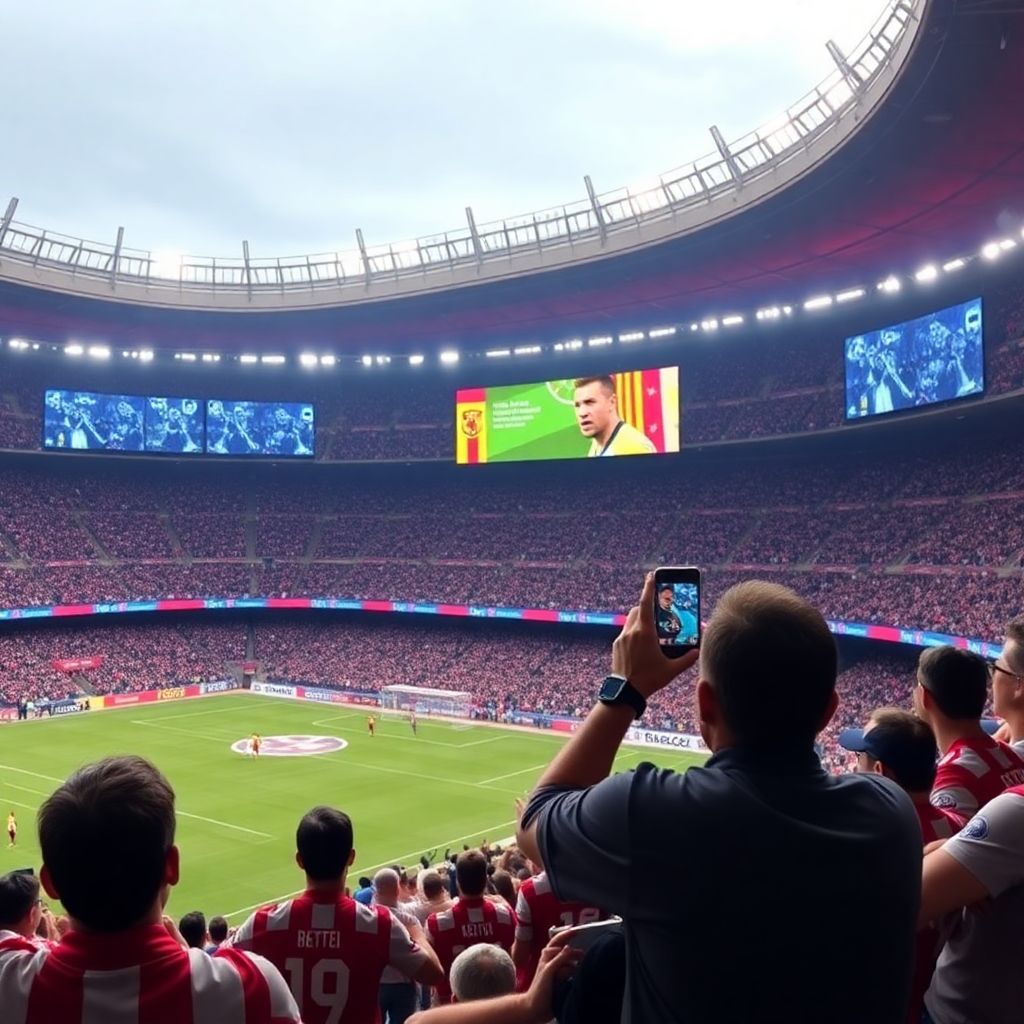
The fan-consumer is a supporter treated not only as a socio or hincha, but as a customer of the broader sports entertainment product: matchday, media, digital and lifestyle. For Spanish clubs, it means designing marketing deportivo para fidelizar hinchas consumidores while protecting belonging, identity and the social role of football.
Core shifts driving the emergence of the fan‑consumer
- Move from lifetime club membership culture to flexible, tiered access and pay-per-experience.
- Revenue focus shifting from local matchday tickets to global media, data and partnerships.
- Fans relating to clubs through multiple platforms, not only the stadium and the penya/peña.
- Clubs using plataformas CRM para clubes deportivos y aficionados to personalise offers and content.
- Hinchas seeing themselves both as community members and buyers of an entertainment experience.
- Professionalisation of servicios de consultoría en fan engagement deportivo guiding strategy and operations.
From membership culture to marketized attendance: a concise history
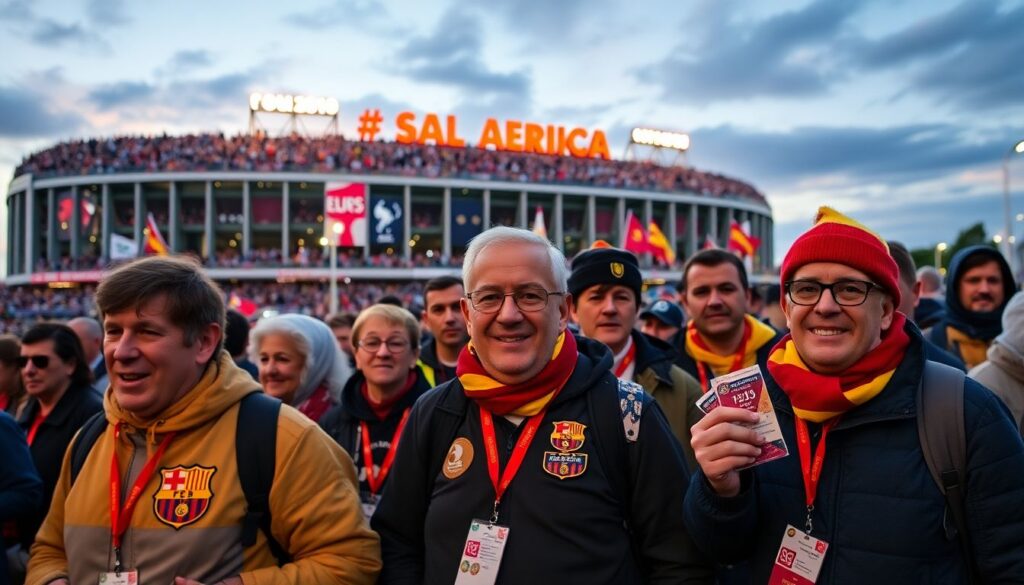
Historically in Spain, the central unit was the socio: a voting member, emotionally tied to the badge, often inheriting membership across generations. Payment was mainly the annual membership fee plus a season ticket, seen as a duty towards the club more than a classic transaction.
As football commercialised, clubs needed new income sources: differentiated seating, hospitality areas, branded experiences and international tours. The same person remained a hincha but was now exposed to multiple paid touchpoints: match, museum, store, streaming, fantasy games, paid content on apps.
The term fan-consumer describes this hybrid role. The supporter belongs to a community, yet behaves like a demanding client of the espectáculo deportivo. For management, this means applying customer logic without breaking the social bond that makes fandom unique.
In practice, the shift is visible in estrategias para convertir socios del club en clientes del espectáculo deportivo: moving from «one size fits all» season passes to segmented products for families, tourists, ultras, international fans and corporate buyers.
Commercial drivers: broadcasting, sponsorship and platform monetization
The fan-consumer emerges from combined commercial pressures rather than a single decision. Key mechanisms are:
- Centralised broadcasting rights. TV and streaming deals make remote audiences financially critical. Fans become viewers across devices, and clubs must manage attention and content, not only stadium capacity.
- Sponsorship activation. Brands demand measurable engagement, not just logos on shirts. Clubs design campaigns, data capture and experiences that turn passive hinchas into traceable, targetable audiences.
- Owned digital platforms. Apps, membership portals and loyalty programs are built on plataformas CRM para clubes deportivos y aficionados. These systems track behaviour, segment fans and trigger tailored offers.
- Matchday as an entertainment product. Pre-game shows, fan zones, VIP lounges and post-match content expand the time window where spending is possible, framing attendance as a full-day leisure purchase.
- Licensing and merchandising. Jerseys, fashion collaborations and lifestyle products push the club brand into everyday life. The fan is both a walking billboard and a recurrent buyer.
- Internationalisation. Tours, academies and digital content in multiple languages turn local clubs into global properties, forcing a scalable model where fan relations are managed as customer portfolios.
Understanding these drivers helps clubs design coherent marketing deportivo para fidelizar hinchas consumidores, aligning business needs with fan expectations instead of improvising campaign by campaign.
Behavioral changes: consumption patterns, loyalty and microtransactions
The fan-consumer behaves differently from the traditional season-ticket holder, especially in how loyalty shows up across channels. Typical scenarios include:
- Multichannel fandom. A supporter might attend two matches per season, stream most games, follow players on social media and buy digital content. Engagement is high, but stadium presence is only one expression.
- Occasional tourist fans. In cities like Barcelona or Madrid, many spectators attend one match in their life. They behave as tourists: high spending on experiences, low long-term loyalty unless captured and nurtured via CRM.
- Microtransaction-heavy fans. Some younger hinchas spend small amounts frequently: in-game items, stickers in apps, votes in fan polls, paid premium content. Each purchase is minor, but the pattern is sustained.
- Hybrid socios-clients. Long-term socios might renew out of identity, yet increasingly expect service levels: clear communication, seat upgrades, flexible payment, exclusive content and superior gestión de experiencia del fan en clubes de fútbol.
- Global digital supporters. Fans in Latin America or Asia may never visit the stadium but invest time and money in streaming, merchandise and digital communities. For them, the club is a media brand more than a local institution.
- Switching and multi-club following. Some fans follow a local team and a «big» European club. Loyalty is split, and value depends on the quality of ongoing experiences, not only on childhood allegiance.
Recognising these patterns allows tailored estrategias para convertir socios del club en clientes del espectáculo deportivo, optimising both revenue and real, lived loyalty.
Club strategies: pricing, segmentation and fan engagement models
Managing fan-consumers requires structured strategy, not isolated tactics. Two dimensions are especially relevant: benefits and risks.
Operational advantages of the fan-consumer model
- More granular pricing (family stands, youth tickets, premium hospitality) aligning perceived value with willingness to pay.
- Data-driven segmentation through plataformas CRM para clubes deportivos y aficionados, enabling personalised communication and offers.
- New inventory to sell: memberships, digital passes, behind-the-scenes experiences, meet-and-greets, museum bundles.
- Better justification for investment in fan zones, Wi‑Fi, content creation and matchday production quality.
- Ability to design structured marketing deportivo para fidelizar hinchas consumidores, with clear journeys from awareness to advocacy.
Structural limitations and risks to manage
- Alienating traditional socios if they feel treated as mere customers instead of co‑owners of the club story.
- Overcomplicating ticket and membership structures, confusing fans and creating perception of unfairness.
- Dependence on third-party platforms that own the relationship data and limit direct monetisation.
- Short-term revenue temptation (e.g., tourist pricing) that erodes the local core fan base over time.
- Excessive focus on transactional metrics, ignoring intangible value such as community cohesion and volunteer support.
Balanced design often requires external servicios de consultoría en fan engagement deportivo to challenge assumptions and align commercial innovation with club identity.
Economic and social impacts: local ecosystems and fan identity
The rise of the fan-consumer has consequences beyond club balance sheets. Several recurring errors and myths appear in Spanish and European contexts:
- Myth: «More revenue always means stronger community.» In reality, aggressive pricing or tourist focus may damage local attendance, small businesses around the stadium and grassroots projects that used to rely on member support.
- Error: Ignoring neighbourhood stakeholders. Matchday policies affect transport, bars, street vendors and residents. Redesigning the espectáculo deportivo without dialogue can create opposition and reputational damage.
- Myth: «Fans only care about winning and entertainment.» Many hinchas value tradition, club governance and social projects. Treating them as pure consumers underestimates their political and emotional agency.
- Error: Underinvesting in fan representation. When clubs professionalise commercial areas but keep fan liaison roles weak, tensions grow. Structured forums, surveys and participatory bodies are needed.
- Myth: «Digital engagement replaces physical presence.» Online communities amplify fandom but do not substitute shared rituals at the stadium, in bars or supporters’ clubs. Over-virtualisation can thin the sense of belonging.
- Error: One-size-fits-all strategies across countries. Importing models from the Premier League to La Liga without adapting to local income levels and cultural expectations risks backlash and underperformance.
A thoughtful fan-consumer approach integrates economic goals with social responsibility, recognising that football clubs in Spain are civic actors as well as entertainment providers.
Designing sustainable experiences: balancing sport integrity and revenue
A sustainable fan-consumer model means generating income while protecting competitive integrity and emotional authenticity. One way to think about it is as a design problem across three layers: core sport, surrounding experience and long-term relationship.
Imagine a mid-table La Liga club from a medium-sized Spanish city. Stadium is often half full, socios feel ageing and young people engage more on TikTok than in the terraces. The board wants extra revenue but fears «selling out».
The club maps journeys for three priority segments: local families, hardcore ultras and international digital fans. With light servicios de consultoría en fan engagement deportivo support, it redesigns matchday, digital content and membership structures.
Changes include a family-friendly stand with bundled pricing, improved Wi‑Fi and live stats in the stadium app, pre- and post-match content on social channels, and a low-cost digital membership for foreign fans with exclusive content, discounts and early access to tickets.
Applied mini-pattern: experience design pseudocode
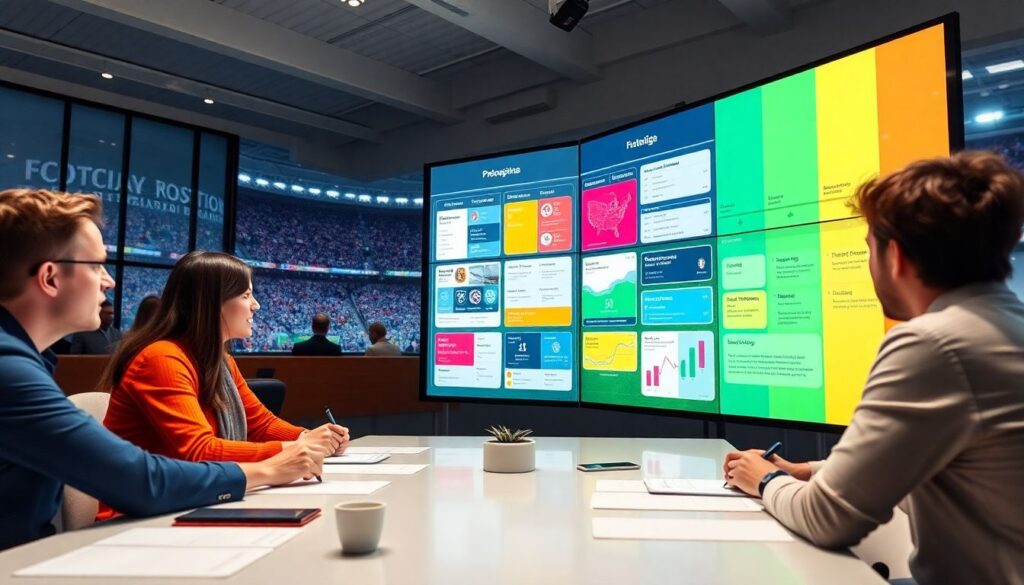
Conceptually, the club’s approach can be described like this:
Identify_segments = ["Local families", "Hardcore fans", "Digital internationals"]

For each segment in Identify_segments:
    Map current touchpoints (stadium, TV, social, store, community)
    Define desired emotions (belonging, pride, access, recognition)
    Design 2-3 paid experiences + 1-2 free value elements
    Connect everything into CRM with clear KPIs beyond revenue
This mindset shifts from selling isolated products to orchestrating journeys. It blends gestión de experiencia del fan en clubes de fútbol with rigorous business logic, grounded in data from plataformas CRM para clubes deportivos y aficionados.
Six-step actionable checklist for clubs
- Define your fan segments and write short profiles mixing emotional needs and spending patterns.
- Audit all current touchpoints and classify them as core sport, experience layer or long-term relationship.
- Design at least one new value-added experience per segment that they would genuinely miss if removed.
- Implement or refine a CRM workflow that consolidates data from tickets, store, digital platforms and memberships.
- Set non-financial KPIs (e.g., renewal rates, satisfaction scores, participation in community events) alongside revenue targets.
- Review pricing and communication annually with fan representatives to adjust before problems escalate.
Self-check before scaling your fan-consumer model
- Can you explain in one sentence what each key segment gets beyond the match itself?
- Do socios feel consulted on major changes, or merely informed after decisions?
- Is any group being priced out or pushed out of traditional spaces in the stadium?
- Are your digital initiatives deepening real fandom, or just adding shallow clicks?
- Could an external observer see coherence between your stated values and your commercial practices?
Manager’s quick-reference on common operational dilemmas
How do we monetise more without alienating long-term socios?
Protect some benefits as «sacred» (e.g., voting rights, priority access, stable prices in certain areas) and add new paid layers on top. Communicate clearly that socios are the reference community and involve them in testing new products.
What is a realistic first step into CRM for a medium Spanish club?
Start by centralising ticketing, membership and online store data in a single database, even if basic. Use it to send segmented emails: different messages for families, international buyers and local season-ticket holders. Expand later with automation.
How can we measure the success of fan experience initiatives?
Define 3-5 indicators per initiative, mixing quantitative and qualitative: attendance patterns, spending per head, dwell time in fan zones, satisfaction surveys and social media sentiment. Review each matchday and adjust small details quickly.
Should we prioritise tourist fans or local supporters in pricing?
Design separate offers. Use premium pricing for scarce, high-demand games attractive to tourists, while maintaining accessible options and stable season pricing for locals. The key is transparency and visible protection of the local base.
When does it make sense to hire fan engagement consultants?
Bring in servicios de consultoría en fan engagement deportivo when you are redoing stadium areas, launching new membership tiers, or facing fan tensions. External experts provide benchmarks, facilitate dialogue and help avoid costly trial-and-error.
How do we align sporting and commercial departments?
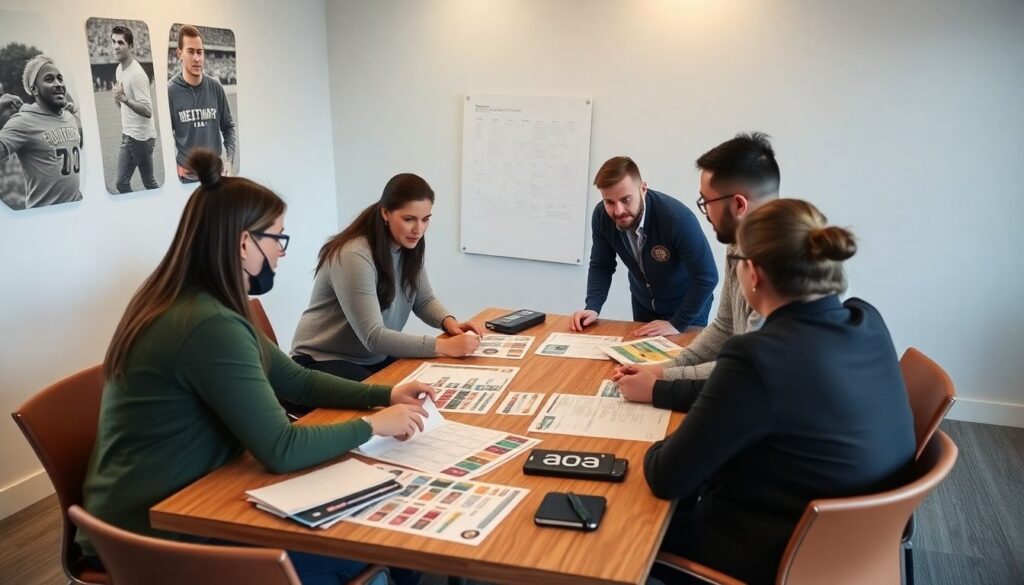
Create a cross-functional working group including sporting, marketing, ticketing and supporter liaison staff. Review calendars, campaigns and communications together so that team news, player stories and commercial offers reinforce each other.
What role should supporters’ groups play in experience design?
Involve them early as co-creators, not just as critics. Invite representatives to workshops on matchday design, atmosphere, flags and songs, and ensure their contributions are visible in the final plan.