
Authentic football can exist with sponsors and legal betting if three conditions hold: competition remains uncertain, decisions are not secretly bought, and supporter culture stays independent. Money shapes contexts (kick-off times, kits, broadcasts), but authenticity survives in how matches are played, governed and lived by fans, not in the absence of commercial logos.
Core claims about authenticity in today’s sponsored game
- Authenticity is about integrity of competition, not about playing without sponsors or TV cameras.
- Patrocinios and apuestas only destroy authenticity when they distort decisions on the pitch or in the boardroom.
- Transparent regulation of betting and broadcasting can protect, not ruin, fair play.
- Supporters keep cultural authenticity alive through rituals, memory and resistance to pure consumerism.
- Simple post‑match checks (result, refereeing, odds, context) help detect when something smells wrong.
- Clubs can accept money from sponsors while ring‑fencing sporting decisions from commercial pressure.
Debunking myths: is authentic football ruined by money
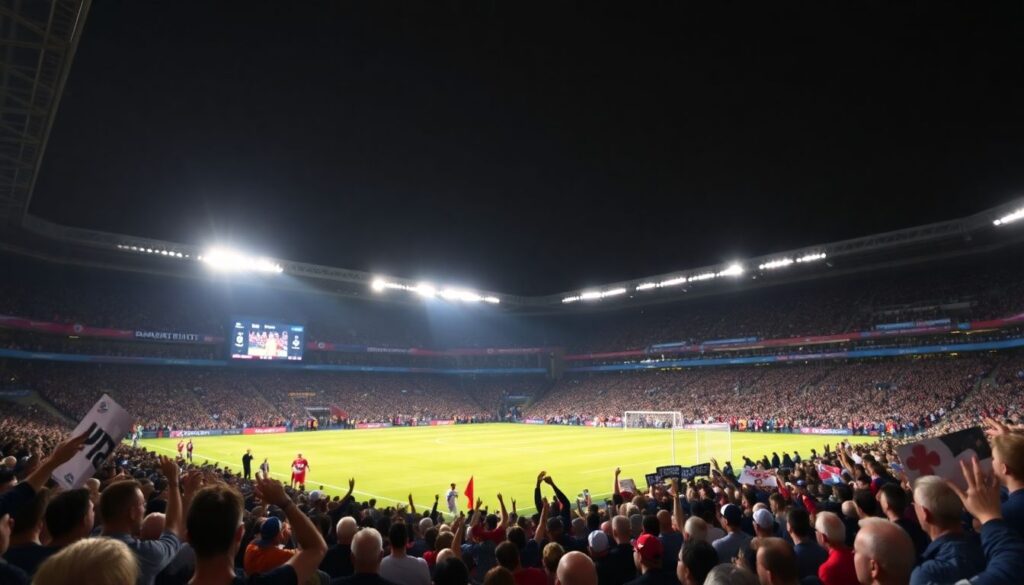
«Authentic football» is best defined as football where results are decided by sporting merit under clear rules, with visible, living supporter cultures. Whether shirts show betting brands or airlines, the core test is: is the competition unpredictable, and are key actors free from hidden financial manipulation?
Myth one: authenticity requires poverty. Historically, clubs accepted local business support, municipal help and TV income. What changed is scale and distance of money, not the mere presence of it. A small community club with one sponsor on the kit can be more authentic than a rich club run as a pure marketing asset.
Myth two: any link to betting kills purity. The existence of legal apuestas deportivas around football does not automatically imply fixed matches. The issue is opaque relationships: unregulated operators, conflicts of interest, or insiders using information to manipulate odds and performance. Well‑designed rules can separate betting markets from sporting decisions.
Myth three: streaming and global audiences erase local identity. Broadcasting can flatten atmospheres, but it can also amplify real supporter culture when clubs choose to highlight fans rather than only sponsors. Authenticity is elastic: it can adapt to modern conditions as long as the hierarchy remains clear-sport first, commerce second.
Sponsorship’s imprint: branding, kits and club identity
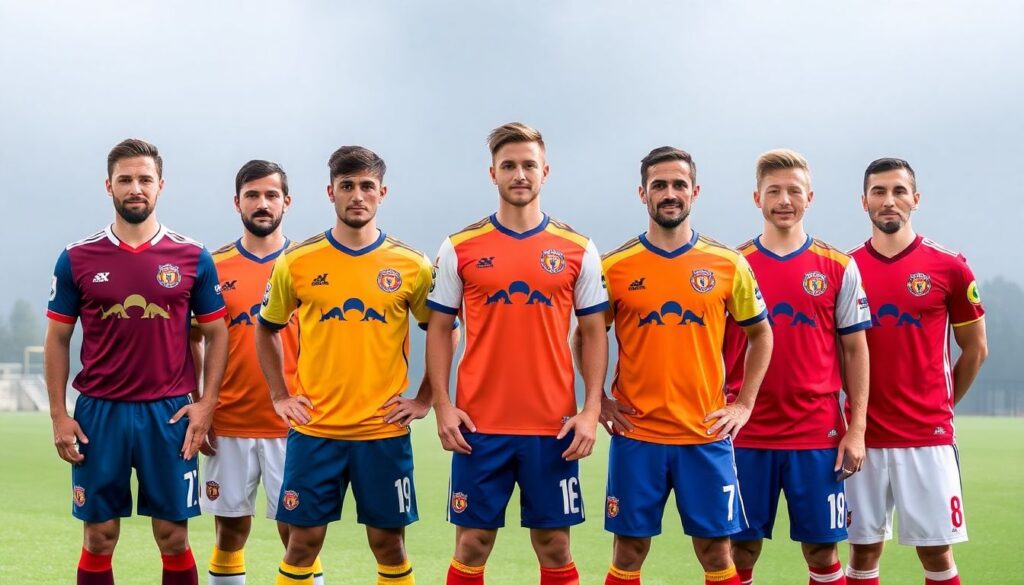
Sponsorship affects how clubs look, sound and are perceived. It does not have to erase identity if managed with limits and dialogue.
- Kits and visual symbolism. Camisetas de fútbol oficiales con patrocinio can respect traditional colours and symbols if clubs negotiate placement, size and rotation of brands instead of selling full design control.
- Stadium naming and sense of place. Rebranding historic grounds can hurt authenticity when names with deep local meaning vanish overnight. Hybrid formulas that keep the traditional name alive alongside a sponsor label protect memory.
- Broadcast presence and sponsor inventory. When supporters ask dónde ver fútbol online legal con patrocinadores, they also see perimeter LED ads, branded halftime shows and virtual overlays. Clubs choose how much of the storytelling centres on sponsors versus community, history and tactics.
- Youth development and grassroots. Sponsors sometimes fund academies or local pitches. Visible branding in exchange for long‑term, non‑invasive investment can actually strengthen authenticity by connecting money to real football experiences rather than pure exposure.
- Message alignment and ethical filters. Clubs can reject sponsors whose values clash with supporter identity even when money is attractive. Authenticity increases when fans see that some offers are turned down for reasons beyond income.
- Time horizon of deals. Short, opportunistic deals endlessly changing shirt or stadium branding can feel plastic. Longer‑term partnerships that grow with the club feel more like part of the story than a sticker on top of it.
Betting dynamics: corruption risks vs market signals
Legal betting can both illuminate and endanger authentic football. It generates price signals about expectations, but also incentives for manipulation.
- Pre‑match odds as expectation markers. Markets integrate public information (form, injuries, tactics). When you compare cuotas across apuestas deportivas fútbol mejores casas, you see a consensus about likely outcomes. Authenticity is intact as long as teams still try to win regardless of odds.
- Live‑betting and micro‑events. Bets on corners, cards or specific minutes can tempt individual players or officials. The more granular the market, the easier it becomes to fix small events without changing the final score, silently damaging integrity.
- Suspicious odds movements. Sudden, unexplained shifts in odds before or during a match can signal insider information or coordinated manipulation. Monitoring these patterns is one of the most practical tools integrity units use to detect possible fixing.
- Advertising pressure. When betting brands dominate shirts, TV breaks and stadium ads, players and staff can feel indirect pressure to «generate excitement». Drawing a hard line-no influence on line‑ups, tactics or injury decisions-is essential.
- Bonuses and customer acquisition. Even bonos de bienvenida apuestas fútbol legal en España are regulated, but aggressive promotions may normalise constant betting among younger fans. Clubs that rely heavily on these campaigns risk aligning their identity more with gambling volume than with the sport itself.
- Data sharing and integrity cooperation. When operators share suspicious betting data with leagues and police, betting markets become early warning systems instead of black boxes, helping to protect authentic competition.
Laws, oversight and enforcement: what actually works
Regulation in Spain and Europe tries to channel money from sponsors and betting without destroying fair play. Understanding its strengths and limits helps define where authenticity is protected and where it still depends on culture.
Regulatory strengths that support authenticity
- Licensing of betting operators, with conditions on transparency, responsible gambling and technical security.
- Restrictions on certain types of advertising, time slots and messages, especially around minors.
- Integrity agreements between leagues, federations and betting houses to exchange data on suspicious patterns.
- Financial fair play and club reporting obligations that reduce the space for hidden side‑payments.
- Disciplinary procedures for match‑fixing, including sanctions for players, officials and clubs.
Limitations and remaining vulnerabilities
- Regulation usually lags behind new products (micro‑bets, in‑app features, cross‑border platforms).
- Enforcement capacity is limited; not every suspicious odds move can be fully investigated.
- Informal pressure from sponsors may not violate any law while still distorting club priorities.
- Smaller leagues and lower tiers often have weaker controls, lower wages and higher temptation.
- Education for players, referees and staff about corruption risks is still inconsistent.
Supporter culture: rituals that sustain authenticity
Supporters cannot control TV deals or betting regulation, but they strongly influence which parts of football feel authentic. Misconceptions about their own role often weaken that power.
- Myth: «Real fans only go to the stadium.» Many genuine supporters follow mejores plataformas streaming fútbol en directo because of distance or price. Authenticity lies in engagement, knowledge and contribution, not only in physical presence.
- Myth: «Consumer choices do not matter.» Choosing not to buy a heavily rebranded third kit, or cancelling a subscription after an extreme scheduling change, sends signals that clubs and broadcasters track.
- Myth: «Protests are pointless.» Coordinated, peaceful actions-banners, silent minutes, boycotts of specific products-have already forced clubs to drop certain sponsors or adjust kick‑off times in multiple leagues.
- Myth: «Only ultras defend authenticity.» Families, older members, women’s groups and international supporters can all articulate demands for integrity and tradition. Broad coalitions are often more persuasive than noisy small groups.
- Myth: «You must reject all money to be pure.» Supporting transparent, locally rooted sponsors can align economic survival with identity. The goal is not zero commerce but balanced relationships where football’s logic stays on top.
Concrete steps clubs and fans can take to reclaim essence
Authenticity becomes practical when clubs and fans apply simple rules in everyday decisions. Below is a compact, repeatable way to check whether a specific match result or decision feels legitimate, followed by a brief club‑level example.
Quick algorithm to sanity‑check a match result
- Context check. Before accusing anyone, note form, injuries, tactical experiments and schedule congestion. Upsets happen naturally.
- Performance coherence. Ask whether players’ body language, effort and tactical discipline match the context. Look for systematic, unpressured errors in key moments.
- Refereeing pattern. Separate normal human mistakes from one‑sided, repeated decisions without plausible explanation. Consider assistant and VAR behaviour as well.
- Odds and market signals. After the game, review whether odds moved unusually at times unrelated to public news. Check if betting volumes spiked on unlikely micro‑events.
- Information triangulation. Compare observations with independent reports, analyst comments and, when available, integrity alerts from leagues or federations.
- Bias filter. Finally, ask yourself: «Would I suspect the same if teams were swapped?» If not, you may be projecting frustration rather than detecting real manipulation.
Expressed as simple pseudo‑logic:
if (context_has_plausible_explanation
    && performance_makes_sense
    && refereeing_within_normal_error
    && no_strange_odds_movements) {
    verdict = "Result probably authentic, even if painful.";
} else {
    verdict = "Red flags: note details, await more information.";
}
Mini club‑level illustration
Imagine a mid‑table Spanish club facing financial stress. It signs a regulated betting company as main shirt sponsor but publicly commits to three rules: supporters approve kit designs, sporting staff report only to the sporting director, and a joint fund with the sponsor finances local youth football. The club clearly explains why this partner was chosen over alternatives and publishes basic contract principles (duration, ethical clauses). Even with logos and TV ads around matches, many fans will recognise this as a good‑faith attempt to keep the sport, community and transparency above pure commercial exploitation-an example of «authentic football» adapted to modern realities.
Recurring supporter concerns and short answers
Does betting sponsorship automatically make my club less authentic?
No. Authenticity depends on whether sporting decisions remain independent and transparent. A regulated betting sponsor with clear limits can coexist with fair competition, while opaque, manipulative relationships can corrupt identity even without a betting logo.
Are dramatic upsets usually a sign of match‑fixing?
Not necessarily. Football is naturally unpredictable. Use the quick algorithm: examine context, performance, refereeing and odds movements. Only when several red flags appear together does it make sense to suspect manipulation.
Should I stop watching if my league is dominated by sponsors?
It is a personal choice. You can keep watching while supporting supporter groups that demand better governance, more respectful scheduling and ethical sponsorship criteria, rather than abandoning the space entirely.
Is streaming football less authentic than going to the stadium?
No. Many fans worldwide only access their clubs via TV or online platforms. Authenticity comes from how you engage, learn and contribute, not from the medium. However, visiting the stadium when possible deepens your understanding of the club’s culture.
What can my supporters’ group realistically change?
You can influence sponsor choices, kick‑off times, ticket pricing and communication tone. Persistent, well‑argued campaigns, especially when coordinated with other groups, have already altered club and league decisions in many contexts.
How do I balance enjoying betting with protecting the game?
Bet moderately, avoid chasing losses, and separate fandom from betting decisions. Support clubs and leagues that publish integrity reports and maintain visible distance between sporting staff and betting operators.