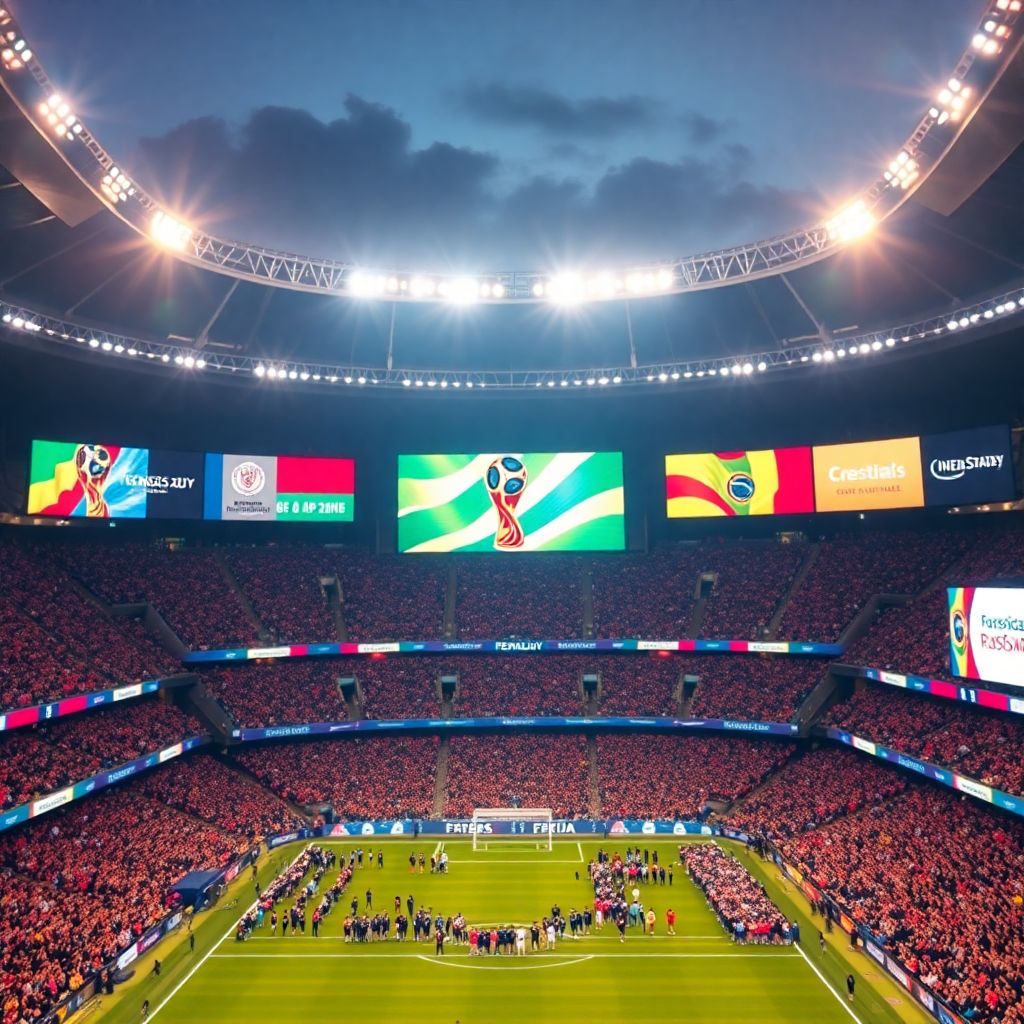
The World Cup works as a recurring global ritual that compresses nationhood, belonging and propaganda into ninety minutes. It is not just sport, but a highly staged sequence of symbols, media narratives and commercial practices. Understanding its mechanics helps fans enjoy it more safely, and citizens recognise both its power and its limits.
Core Ritual Functions of the World Cup
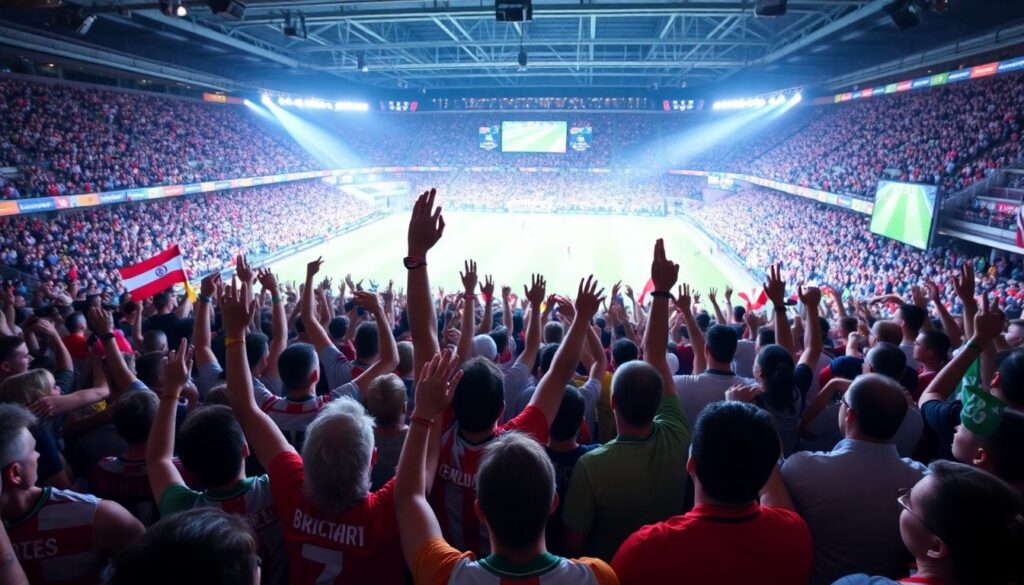
- Condenses national identity into visible, repeatable symbols on and off the pitch.
- Creates temporary communities of belonging across homes, bars, fan zones and digital platforms.
- Offers governments and brands a vast stage for publicity and soft power projection.
- Channels emotions through choreographed media coverage and algorithmic amplification.
- Leaves political, economic and social traces that outlast any ninety-minute match.
- Generates consumer rituals around entradas mundial de fútbol 2026, viajes y paquetes turísticos para el mundial and team merchandising.
Debunking Myths: What the World Cup Really Ritualizes
The first myth is that the World Cup is only a football tournament. In practice it is a global ritual: a repeated script of opening ceremonies, national anthems, flags, chants, match schedules, highlight shows and closing images that billions recognise, anticipate and emotionally invest in.
A second myth is that this ritual is spontaneous and «organic». Most key elements are designed and negotiated: hosting rights, stadium architecture, anthem performances, sponsor visibility, fan zones, even camera angles. From the 2010 vuvuzelas in South Africa to the light shows in Qatar, atmospheres are engineered, then experienced as «natural».
A third myth says the ritual is politically neutral. In reality, it ritualizes narratives about nations (who belongs, who wins), global hierarchies (traditional powers vs «outsiders»), acceptable protest (armbands, banners) and commercial dominance (main sponsors on screens and shirts). The ritual does not determine politics, but it sets a powerful stage where politics is framed.
For fans in Spain planning entradas mundial de fútbol 2026 or comparing viajes y paquetes turísticos para el mundial, the safe step is to see both sides: the joy of shared celebration, and the scripted nature of the spectacle. Enjoy the drama, but stay aware of who designs the script and what messages it normalises.
Nationhood on the Pitch: Symbols, Anthems and Collective Identity
The common misconception is that nationhood «just appears» when the referee blows the whistle. In fact, it is carefully performed through layers of symbols that repeat from match to match.
-
Anthems as emotional choreography
Players line up, cameras capture close-ups, fans sing. In Germany 2006, Spain 2010 or Russia 2018, anthem renditions became viral clips that condensed national pride, fear or defiance into ninety seconds before kickoff. -
Flags and colours everywhere
From the mosaics in South Korean stadiums in 2002 to Argentine flags flooding streets in 2022, colour codes turn crowds into visible nations. Camisetas y merchandising selecciones mundial act as portable flags, worn in bars, plazas and living rooms for weeks. -
Heroes and villains in commentary
Broadcasters label teams «giant killers», «dark horses» or «sleeping giants». Spanish coverage of matches against historic rivals often frames them as symbolic replays of older conflicts, reinforcing collective memory rather than just describing tactics. -
Language choices in media
Speaking of «we» and «they», «our» defence, «their» aggression, turns tactical analysis into national storytelling. This is evident whether you watch Spanish television, Latin American channels or dónde ver el mundial online legal en streaming from international platforms. -
Host nation as ritual centre
From Brazil’s beach imagery in 2014 to Qatar’s desert and skyline aesthetics in 2022, the host is framed as the world’s temporary capital. Stadium names, intro videos and graphics repeatedly present one country as the stage for everyone else’s stories.
Safe interpretation means recognising that these symbols are partial narratives. They include some histories and silence others. Enjoy the anthem and the flag, but remember they are curated stories, not neutral mirrors of an entire nation.
Belonging and Fan Practices: From Streets to Living Rooms
A widespread myth says belonging only happens inside stadiums. In reality, World Cup rituals of belonging extend to streets, bars, fan parks, offices and private homes, especially for fans who never travel but still live the tournament intensely.
-
Street gatherings and bar cultures
In Madrid or Barcelona, outdoor screens, bars and peñas recreate stadium atmospheres. Chants, collective celebrations and even coordinated dress codes turn ordinary streets into temporary national spaces. -
Home viewing rituals
Families repeat fixed routines: lucky seats on the sofa, specific food, watching with the same people. These patterns transform the living room into a personal stadium, especially for those using dónde ver el mundial online legal en streaming after cutting traditional TV. -
Digital second-screen communities
Group chats, Twitter threads and Twitch watch-alongs allow fans to experience matches together even when physically alone. Memes spread in seconds, creating inside jokes that signal who is «in» the community. -
Consumer rituals around tickets and travel
Planning entradas mundial de fútbol 2026 or evaluating viajes y paquetes turísticos para el mundial becomes a months-long ritual: comparing packages, booking with friends, sharing itineraries and posting airport photos. The match is just the peak of a much longer experience of belonging. -
Merchandise as identity armour
Jerseys, scarves and banderas are worn to work, to class and in neighbourhoods. Camisetas y merchandising selecciones mundial turn everyday spaces into micro-fan zones and publicly signal allegiance, even when no match is being played.
To keep this sense of belonging safe and healthy, it helps to set limits: separate fandom from hostility to other groups, avoid debt or risky travel decisions, and remember that identity is richer than any ninety-minute result.
Statecraft and Spectacle: How Governments Leverage Matches
A key myth is that governments are just passive spectators. In almost every tournament, states use the World Cup for symbolic gains. Another myth says this always «works»; in practice, political benefits are limited, and sometimes the ritual backfires.
Instrumental Uses and Opportunities
-
Legitimisation through hosting
Hosts from Argentina 1978 to Russia 2018 and Qatar 2022 have used stadiums, ceremonies and urban projects to present an image of modernity, competence and hospitality, sometimes in contrast to external criticism. -
Agenda distraction and mood management
Governments may schedule announcements during tournaments, hoping that victories dominate headlines. Public celebrations can momentarily relieve social tension, offering images of unity that officials quickly recycle in their own media. -
Security and control experiments
Mega-events justify new policing tools, surveillance systems and legal measures that sometimes persist afterwards. Fan zones and transport hubs become test sites for crowd-management strategies. -
Soft power and diplomatic networking
Opening matches and finals attract world leaders. Bilateral meetings, trade discussions and photo opportunities piggyback on the tournament, folding football into broader foreign-policy agendas.
Constraints, Risks and Ethical Boundaries
-
Uncontrollable match outcomes
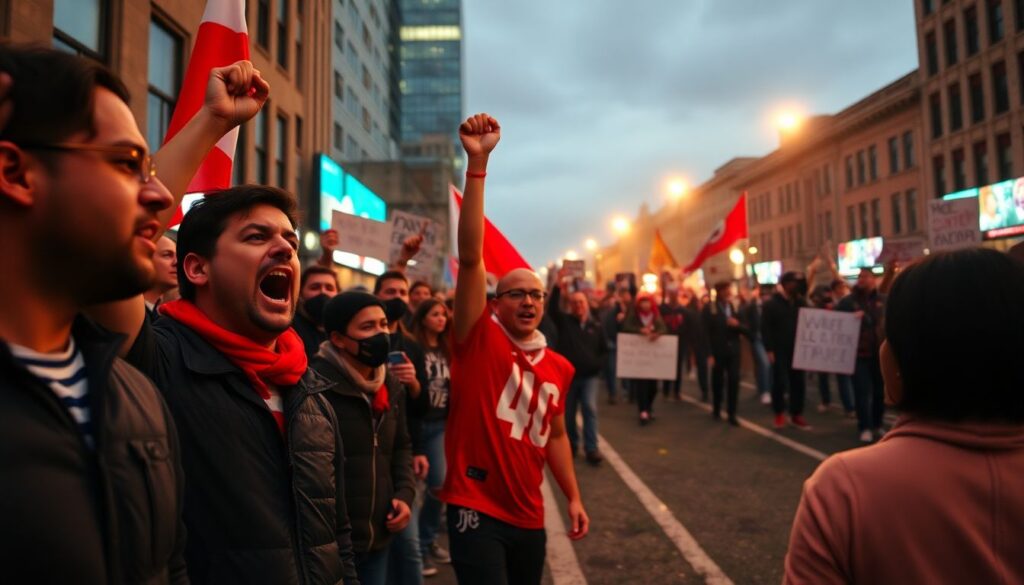
A government cannot script a penalty shoot-out. Unexpected defeats may fuel frustration instead of unity, as seen when early exits lead to protests or sharp criticism of football federations and political leaders. -
Media plurality and counter-narratives
Even with tight control over state TV, alternative outlets and social networks can highlight corruption, displacement or labour issues linked to stadiums and infrastructure projects. -
Economic and social backlash
Cost overruns, evictions or broken promises about post-tournament benefits can trigger long-term resentment. The ritual of construction and inauguration ends; unfinished projects remain visible reminders. -
Ethical red lines for citizens
Fans and voters can enjoy the event while still questioning abuses, refusing propaganda that equates criticism with a lack of patriotism. Drawing that line is a practical way to protect both democracy and the joy of the game.
For citizens, a safe approach is to separate support for the team from unconditional support for any government messaging. Celebrate goals, but keep asking who pays, who benefits and who is left outside the frame.
Global Media Ecosystem: Narratives, Algorithms and Attention
A recent myth claims that fans now «control the narrative» thanks to social media. In reality, traditional broadcasters, platforms and advertisers still set much of the agenda, even as fan voices become more visible.
-
Myth: more cameras mean more transparency
Multiple angles and replays suggest full visibility. Yet editorial choices decide which controversies to highlight and which slow-motion shots to repeat. Some on-pitch protests or banners receive seconds of airtime; others are never shown. -
Myth: streaming bypasses old power structures
Choosing dónde ver el mundial online legal en streaming can increase personal control over devices and schedules, but rights deals, geo-blocking and sponsor integrations still shape what is visible and how. Access remains regulated, not fully open. -
Myth: advertising is just background noise
Publicidad y marketing deportivo en el mundial de fútbol are built into the broadcast itself: graphic overlays, half-time analysis «brought to you by» a brand, and product placement in studio sets. These elements subtly define what counts as the main story. -
Myth: algorithms only show what fans already want
Recommendation systems on video platforms and social networks favour emotionally intense and easy-to-monetise content: spectacular goals, controversies, nationalist reactions. Nuanced analysis or local grassroots stories often get buried. -
Myth: fan content is free from propaganda
Influencers, betting partners and brand ambassadors may present sponsored opinions as spontaneous passion. Some travel vloggers promoting viajes y paquetes turísticos para el mundial or unboxings of camisetas y merchandising selecciones mundial work within commercial scripts that are not always obvious.
A safer media practice is to diversify sources, check who funds the content you watch, and consciously limit how much your emotions are steered by highlight packages and outrage-driven clips.
After 90 Minutes: Lasting Political and Social Consequences
The strongest myth is that «when the final whistle blows, everything goes back to normal». Many consequences-symbolic, political and material-continue long after the trophy ceremony.
Consider a hypothetical but realistic mini-case set in a medium-sized Spanish city during a future tournament. Local authorities support a central fan zone, heavily branded through publicidad y marketing deportivo en el mundial de fútbol and linked to sponsors selling official camisetas y merchandising selecciones mundial. Fans gather there to watch matches on a giant screen because they do not have entradas mundial de fútbol 2026 or cannot afford viajes y paquetes turísticos para el mundial.
During a high-stakes match, the national team wins in dramatic fashion. Spontaneous street celebrations follow, mixing joy with some property damage and confrontations. In the weeks after, city officials point to the fan zone images as proof of «unity» and justification for future mega-events. Residents, meanwhile, debate noise, policing, public spending and who really benefited-local communities or external sponsors.
The practical lesson is simple: the World Cup as a ritual does not end at minute ninety. Safe engagement means asking, even in moments of euphoria, how decisions taken in the name of football will shape urban spaces, public budgets, media habits and social relations for years to come.
Concise Clarifications and Practical Definitions
What does it mean to call the World Cup a global ritual?
It means the tournament follows a repeated script of symbols, emotions and media practices that people expect and recognise. This script helps organise how nations, brands and fans present themselves to each other during the event.
How is national identity constructed during World Cup matches?
National identity is built through anthems, flags, jerseys, commentary and collective reactions. Together they create a story about «who we are» that is repeated every match day, in stadiums, public spaces and private living rooms.
In what ways do governments try to use the World Cup politically?
Governments use hosting, ceremonies, public celebrations and security operations to project competence, unity and modernity. They try to link team success to national strength, though they cannot fully control how citizens interpret events.
How do media and algorithms influence my experience as a fan?
Broadcast editors and recommendation systems decide which moments you see most, which controversies dominate and which stories disappear. They tend to reward emotional, simple narratives, so it helps to seek alternative sources and slower analysis.
What are safe personal limits when following the World Cup?
Set boundaries on spending for travel, tickets and merchandising, and be cautious with betting. Emotionally, enjoy the drama but avoid letting team results justify aggression, discrimination or blind acceptance of political or commercial messaging.
Is it wrong to enjoy the World Cup if I disagree with some politics around it?
No. You can enjoy the matches and community while remaining critical of specific decisions, such as hosting choices or public spending. Separating support for football from support for all surrounding politics is a responsible position.
How can I recognise propaganda linked to the tournament?
Look for messages that present support for the team as identical to support for a government, party or sponsor. When criticism is framed as betrayal of the nation or of football itself, you are likely seeing propaganda dynamics at work.