
Women’s football today is the result of a historical struggle for space, recognition, and safety on and off the pitch. It combines professionalisation, new tactical ideas and changing media narratives, while still facing structural limits in funding, governance and cultural stereotypes. Understanding these tensions helps design safer, realistic steps for sustainable growth.
Essentials: Defining the Current Landscape of Women’s Football
- Women’s football is a professional and grassroots ecosystem shaped by past exclusion and current institutional reforms.
- Access to quality pitches, safe environments and fair scheduling is as decisive as technical skill or tactics.
- Media, merchandising and fan culture now build alternative narratives, but legacy stereotypes remain strong.
- Economic models are fragile, often dependent on men’s clubs, volatile sponsors and limited broadcast deals.
- Safe progress requires realistic planning: gradual investment, protection of player welfare and transparent governance.
- In Spain, the evolution of the women’s league interacts with local cultures, public policies and EU equality frameworks.
Historical Trajectory: From Marginalization to Professionalization
Women’s football can be defined as the organised practice, competition and culture of football played by women and girls, from informal games to fully professional leagues. Its boundaries are not only regulatory (federations, leagues and clubs) but also social: family support, media visibility and access to safe spaces.
Historically, the sport was marginalised through explicit bans, lack of facilities and cultural narratives that treated football as a male-only activity. This marginalisation limited not just participation but also technical development, coaching pathways and long-term careers. Many current inequalities are direct legacies of this period, even when regulations now appear neutral.
Professionalisation describes the process of granting players labour rights, formal contracts, minimum working standards and stable competitions. In Spain, debates around the liga de futbol femenino españa calendario y resultados show that professional status is not only about salary but also about match scheduling, medical coverage, travel conditions and access to prime stadiums.
Today, professional women’s football operates inside a hybrid ecosystem: some clubs are fully professional, others semi-professional or amateur, often competing in the same competitions. Safe development requires recognising these asymmetries instead of assuming all teams have equal structures, doctors, training time or financial margins.
Spatial Politics on the Pitch: Access, Infrastructure, and Scheduling
Spatial politics in women’s football refers to how physical spaces, times and conditions of play are allocated and contested. It is not only a question of which pitch is used, but at what hour, under which safety and quality standards, and with which symbolic visibility.
- Allocation of pitches and training slots
Clubs often prioritise men’s teams for main stadiums and prime-time slots, while women’s squads train in peripheral fields or late-night hours. Safer planning means negotiated calendars, clear internal rules and minimum standards for lighting, security and pitch quality. - Visibility in matchday experience
When women’s teams are moved to secondary grounds or remote kick-off times, they become harder to reach for families and new fans. Integrating them into main stadium schedules, and promoting futbol femenino entradas partidos hoy alongside men’s fixtures, signals institutional commitment. - Safe access for girls and families
Spatial politics also include how girls access grassroots football. Escuelas de futbol femenino para niñas precios and locations determine who can actually participate. Transparent fee structures, scholarships and safe, well-lit facilities reduce barriers and risks, especially for younger players. - Training infrastructure and medical support
Weight rooms, recovery spaces and medical areas are often designed with male players in mind. Women’s teams need adapted workloads, menstrual health considerations and dedicated staff; otherwise, spatial inequality translates into higher injury risk and shorter careers. - Digital spaces and broadcasting windows
Where and when matches are streamed is also spatial politics. Negotiations on donde ver futbol femenino en vivo online shape which audiences are reached. Safer strategies avoid over-fragmentation in too many platforms and ensure basic access without excessive extra costs for fans. - Urban planning and transport
Stadium location, public transport schedules and safe walking routes influence whether women, children and older fans feel comfortable attending games. Clubs and municipalities can coordinate to extend transport options after evening fixtures involving women’s teams.
Breaking Stereotypes: Media Narratives, Representation, and Fan Dynamics
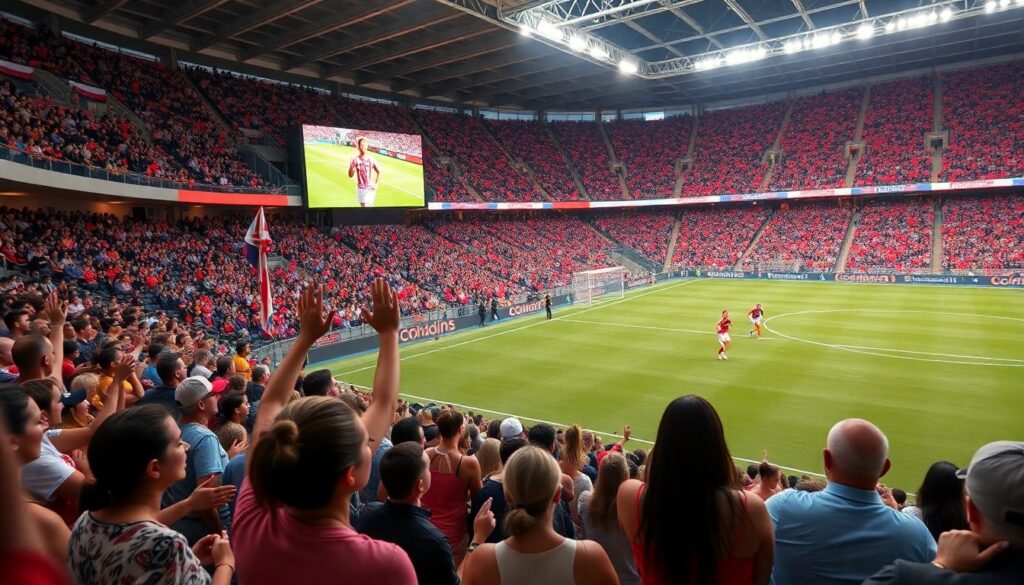
Women’s football challenges long-standing gender stereotypes about who can play, watch and speak about football. Media narratives and fan culture can reinforce or dismantle these ideas. Several recurring scenarios show how new narratives emerge, and where their limits lie.
- Broadcast choices and commentary style
When commentators treat women’s matches as technical, tactical events rather than as novelties, they normalise women as footballers, not exceptions. However, persistent references to appearance or family roles reproduce stereotypes, even in otherwise positive coverage. - Marketing and merchandising strategies
Campaigns around camisetas de futbol femenino oficiales comprar online reveal whether clubs see women’s football as an add-on or as a core product. Equal design quality, player-specific collections and availability in children’s and adult sizes help break the idea that women’s teams are secondary. - Fan base composition and matchday rituals
Women’s games often attract more families and mixed-gender groups, creating different atmospheres. Safe steps include visible protocols against harassment, anti-discrimination messages and trained stewards who understand gender-based risks in stands and access routes. - Social media storytelling
Players and clubs use social platforms to share training, tactics and daily routines, countering reductive narratives. Limitations appear when algorithms reward controversy and personal drama more than sporting content, pushing players into risky exposure or online abuse. - Journalistic frameworks and language
Using terms like "football" rather than always "women’s football" in headlines helps avoid othering, provided the context is clear. At the same time, erasing the word "women" can hide specific inequalities. Safe language choices must balance visibility with normalisation. - Education through coverage of youth football
Showing girls’ tournaments and school leagues on local media teaches young audiences that football is open to everyone. A limitation is scarce resources: many outlets cannot cover both men’s and women’s grassroots structures in depth.
Tactical Evolution: Playing Models, Coaching Trends, and Skill Development
The tactical evolution of women’s football involves the gradual adaptation and creation of playing models, training methodologies and role specialisation suited to current physical, technical and competitive contexts. Many trends mirror men’s football, but others emerge from distinct constraints and opportunities.
Coaches integrate positional play, high pressing, fluid front lines and structured set pieces, while considering different squad depths, fixture congestion and international calendar structures. Tactical sophistication depends not only on coaching quality, but also on access to video analysis, data staff and sufficient training time.
Advantages of Current Tactical and Coaching Trends
- Increased tactical variety (high press, mid-block, three-at-the-back systems) makes competitions more unpredictable and attractive to neutral audiences.
- More specialised coaching staff (goalkeeper coaches, analysts, fitness experts) raises the overall quality and safety of training loads.
- Data-informed decisions help manage minutes, avoid overuse injuries and plan safe rotation across club and national team duties.
- Exposure to international tournaments accelerates learning, as teams internalise new structures through repeated high-level competition.
Constraints and Structural Limitations in Tactical Development
- Many squads still train fewer hours per week than men’s professional teams, limiting the implementation of complex collective automatisms.
- Insufficient youth academies and escuelas de futbol femenino para niñas precios that are unaffordable for some families reduce the pool of tactically educated players.
- Lower budgets constrain access to detailed performance analysis, tracking technologies and diverse specialist staff.
- Calendar congestion, especially for top players in clubs and national teams, increases fatigue and reduces time for tactical refinement.
- Some federations adopt tactical trends without adapting them to local realities, leading to rigid models that do not fit available player profiles.
Institutional Barriers: Governance, Regulations, and Pathways for Reform
Institutional barriers operate through federations, leagues, clubs and public bodies that regulate who plays, under what conditions, and with which protection. Misconceptions about how these systems work can slow progress or create unintended risks for players and clubs.
- Myth: "Professional" status solves all problems
Recognition of professional leagues is a crucial milestone, but without enforcement and monitoring, contracts may still be precarious. Safe reform requires minimum standards on contracts, healthcare, maternity rights and dispute resolution, not just a formal label. - Myth: Equal rules automatically lead to equal outcomes
Using the same competition rules for men and women does not erase historical disadvantages. Without compensatory measures (development funds, facilities plans, coach education), "neutral" regulations can freeze existing gaps. - Error: Ignoring players’ voices in decision-making
When federations design calendars or disciplinary codes without player unions, risks increase: overloaded schedules, inadequate maternity protocols or unsafe travel requirements. Structured consultation is a key safe step. - Myth: Visibility alone guarantees sustainability
Media exposure is important, but without parallel governance reforms (transparent finances, independent oversight), rapid growth can hide abuses or mismanagement, damaging credibility long term. - Error: Treating grassroots and elite policies as separate worlds
Limitations in youth structures, such as lack of nearby clubs or unclear escuelas de futbol femenino para niñas precios, directly affect the future talent pool. Policies that ignore this pipeline create long-term structural shortages. - Myth: Importing models from other countries is always safe
Copy-pasting foreign league structures or salary caps without local adaptation can destabilise existing clubs. Safer reform tests models in pilot competitions and evaluates impact before full implementation.
Economic Models: Funding, Sponsorship, Broadcasting and Commercial Sustainability
The economics of women’s football involve ticketing, sponsorships, broadcasting, public subsidies and merchandising. Current models often depend on cross-subsidies from men’s football, while trying to build independent revenue streams from fans, brands and media partners. Safe growth depends on realistic budgeting and diversified income.
Ticketing strategies must balance affordability with revenue. Clubs that promote futbol femenino entradas partidos hoy at accessible prices can attract new audiences, especially families and students, but need medium-term plans to avoid normalising unsustainably low prices. Similarly, broadcast contracts must answer basic fan questions like donde ver futbol femenino en vivo online without over-fragmenting access across too many platforms.
A simple mini-case illustrates both opportunities and limits:
Mini-case: A mid-table Spanish women’s club
- The club shares a brand with a successful men’s team, benefiting from marketing infrastructure and sponsors interested in the whole entity.
- To consolidate its women’s section, it defines three low-risk priorities:
- Integrated matchday promotion for both teams, so fans naturally see offers for futbol femenino entradas partidos hoy when visiting the men’s ticketing page.
- Targeted campaign around camisetas de futbol femenino oficiales comprar online, including player-specific designs and bundles for families.
- Negotiations with broadcasters to ensure that information on donde ver futbol femenino en vivo online is clearly visible on the club website and in social media posts.
- Limitations appear quickly:
- The club cannot rely solely on short-term sponsor enthusiasm; contracts need renewal clauses, escalation paths and contingency reserves.
- Merchandising growth depends on stock management and quality control; overproduction of shirts can create unsold inventory risks.
- Broadcast income may remain modest for several seasons, so the club must avoid building wage bills on optimistic revenue forecasts.
Embedding these lessons, the club adopts safe financial steps: multi-year budgeting, conservative revenue projections, clear spending priorities (medical care, travel, youth structures) and transparent reporting to stakeholders.
Practical Checklist for Safe, Realistic Progress in Women’s Football
- Audit current access to pitches, training times, medical staff and safety measures for women’s and girls’ teams.
- Define a gradual financial plan that does not depend on best-case scenarios in ticketing, broadcasting or sponsorship.
- Establish channels for players and coaches to participate in governance decisions, especially calendars and working conditions.
- Align media, merchandising and digital strategies to emphasise sporting quality while protecting players’ privacy and wellbeing.
- Review youth structures, including location and cost of programmes, to ensure that girls from different backgrounds can enter and stay in the game.
Clarifications and Practical Answers for Common Doubts
What exactly is meant by the "dispute of spaces" in women’s football?
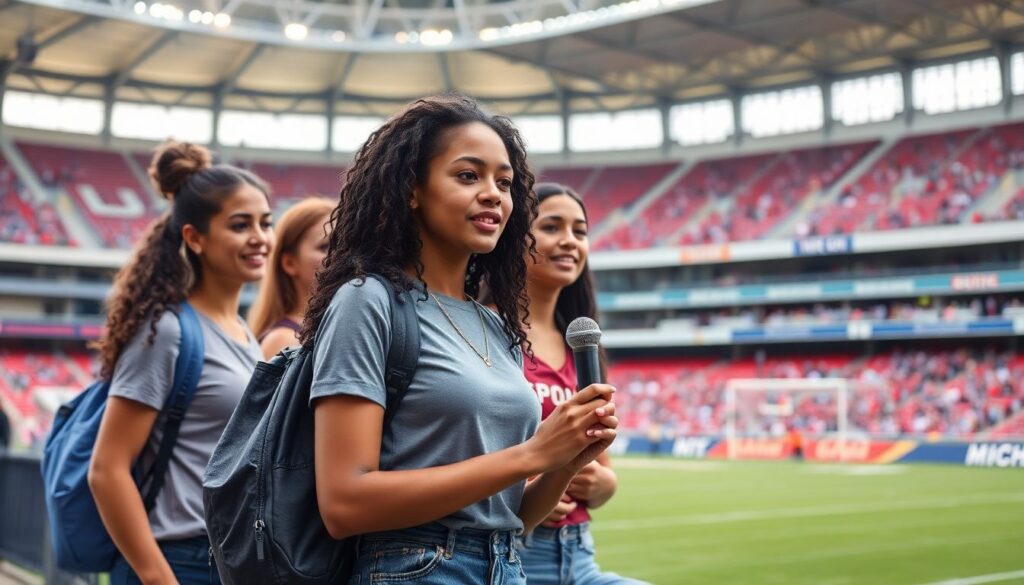
It refers to how women and girls negotiate access to pitches, training slots, stadiums, media platforms and decision-making forums traditionally dominated by men. It includes physical, symbolic and digital spaces, as well as who feels safe and welcome in them.
How can clubs in Spain support women’s football without taking excessive financial risks?
They can start with low-cost, high-impact steps: shared marketing campaigns, integrated ticketing for women’s and men’s matches, clearer information about liga de futbol femenino españa calendario y resultados, basic medical standards and transparent internal rules for facility allocation. Large wage increases should follow stable revenue, not precede it.
What are safe first steps for parents considering a girls’ football school?
Check the club’s policies on safeguarding, coach education, medical protocols and communication with families. Ask about training frequency, travel distances and escuelas de futbol femenino para niñas precios to ensure the programme is sustainable for your time and budget.
How do merchandising and official shirts influence women’s football development?
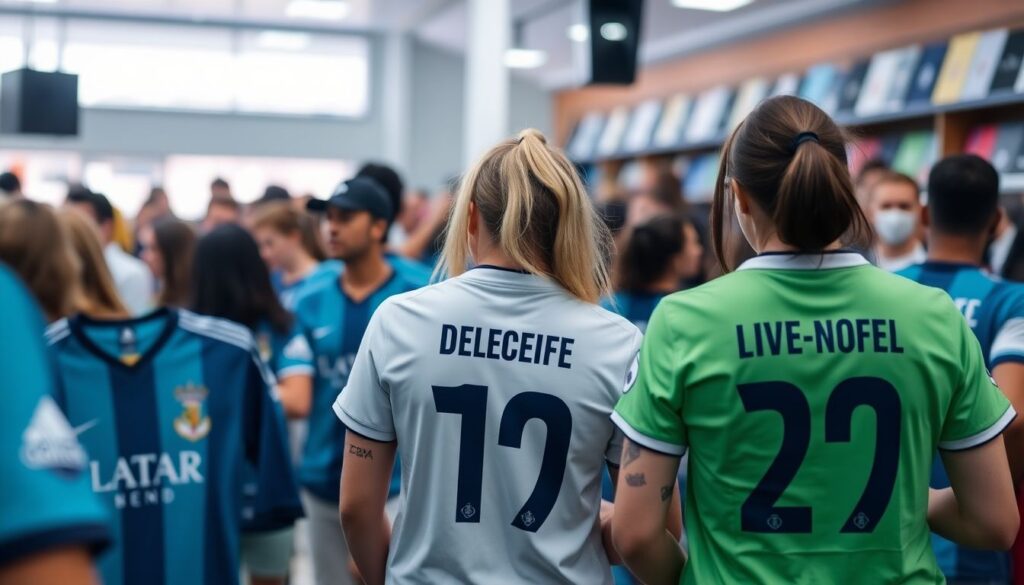
Sales of camisetas de futbol femenino oficiales comprar online generate revenue and signal demand to clubs and sponsors. However, they should complement, not replace, investments in player welfare, coaching and facilities. Over-reliance on shirt sales can create unstable budgets.
Where can fans usually watch women’s football live or online in Spain?
Access varies by competition and season, but information from clubs, league websites and broadcasters typically clarifies donde ver futbol femenino en vivo online and in stadiums. Fans should rely on official channels to avoid illegal streams that risk malware and undermine the sport’s revenues.
Are tactical trends in women’s football simply copied from the men’s game?
Many concepts are shared, but coaches adapt them to specific squad profiles, calendar constraints and resource levels. The safest approach combines global tactical knowledge with local realities, rather than mechanically importing models designed for richer leagues.
Can rapid professionalisation harm women’s football?
Rapid change without safeguards can produce burnout, financial instability or unbalanced competitions. Professionalisation should follow clear standards on contracts, health, governance and youth development, ensuring that players and smaller clubs are not exposed to unsustainable pressures.