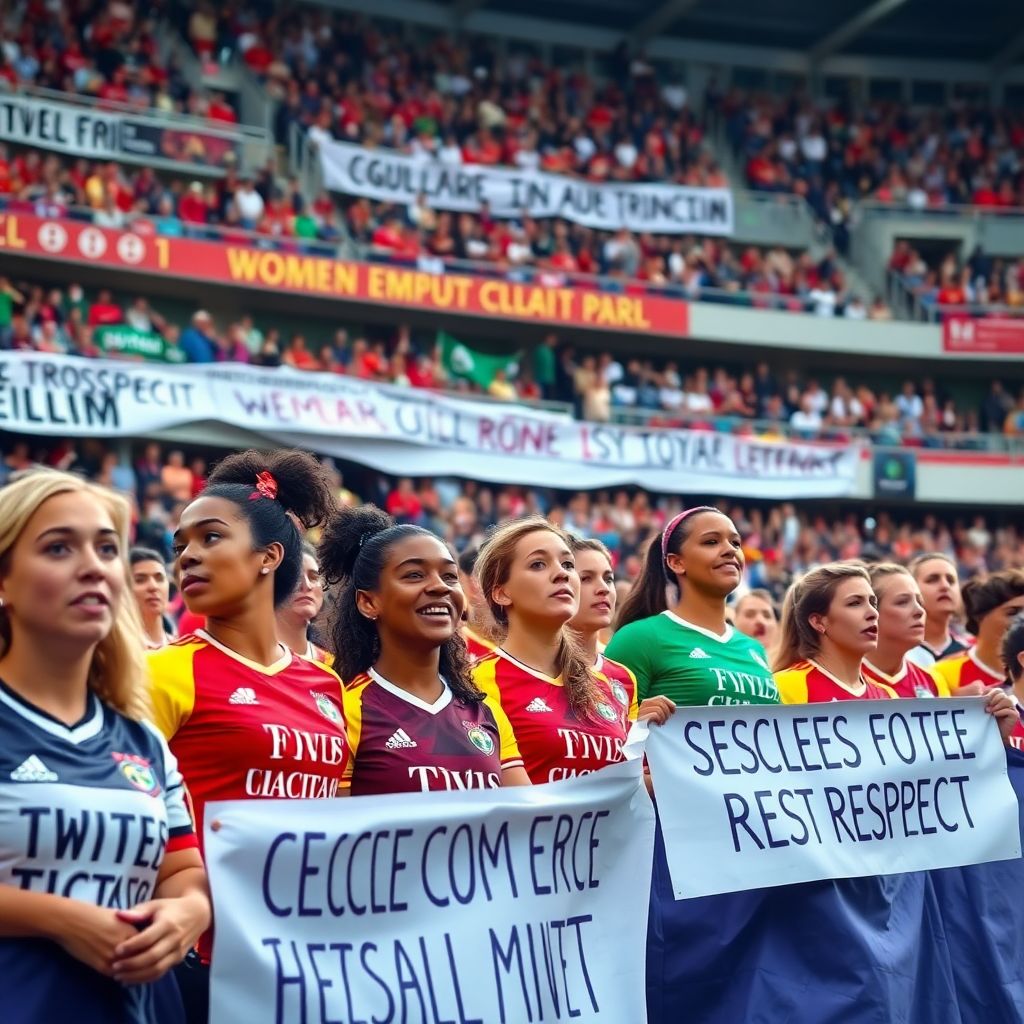
Women’s football is the organised practice, competitions and culture of football played by women and girls, from grassroots to elite, governed by the same Laws of the Game as men. Its struggle for recognition in Spain and globally centres on equal rights to play, fair pay, visibility, safety and cultural respect.
Defining women’s football: scope, terms and metrics
- Women’s football covers all female and girls’ competitions, from grassroots clubs and escuelas y academias de fútbol femenino to fully professional leagues and national teams.
- It is governed by the same rules as men’s football; differences are economic, cultural and structural, not sporting.
- Recognition is measured through attendance, media coverage, investment, professional contracts and conditions, not only trophies.
- Equality means equal access, fair employment standards, non‑discrimination and safe environments, not necessarily identical salaries everywhere.
- Cultural change is visible in language used by media, fan behaviour, merchandising like camisetas fútbol femenino oficiales and treatment of women in decision‑making roles.
- In Spain, the liga profesional fútbol femenino España is a key benchmark for professionalisation, visibility and labour rights.
Quick practical tips to support women’s football now
- Buy fútbol femenino entradas partidos and attend matches regularly; consistent attendance is a clear signal to clubs and broadcasters.
- When you buy kits, choose camisetas fútbol femenino oficiales with players’ names from women’s teams to show demand.
- Enrol girls in local escuelas y academias de fútbol femenino and ask about mixed‑gender options to normalise participation.
- On social media, follow women’s clubs, players and the liga profesional fútbol femenino España; like, share and comment on their content.
- If you bet on sports, avoid apuestas fútbol femenino online markets that sexualise or trivialise women’s competitions; demand respectful coverage.
- In your club, school or company, propose internal tournaments or viewing events that include women’s matches on equal footing with men’s.
Common myths and misconceptions about women’s football
Women’s football is often misrepresented by myths that minimise its quality, economic potential and social impact. Clarifying what women’s football is and is not is essential to understand why recognition, equality and cultural change matter.
A first myth claims that women’s football is a recent invention or a niche hobby. In reality, it has a long history with periods of official prohibition and informal resistance. Visibility may be newer, but the practice is not. Reducing it to a passing trend hides past struggles and current structural barriers.
A second myth says that women’s football is objectively slower or less entertaining and therefore naturally less valuable. The Laws of the Game are identical and tactical, technical and physical demands are high. Entertainment depends on context: packed stadiums, good pitches, media storytelling and competitive balance drive excitement, not gender.
A third misconception is that equality means immediate identical salaries with no transitional steps. Equality in women’s football primarily refers to equal opportunities to play, train and work as professionals, safe workplaces, non‑discrimination, access to resources and transparent pathways from grassroots to elite-salaries then follow from fair, well‑regulated markets.
Historical milestones that shaped today’s women’s game
- Early informal and organised matches: From the early 20th century, women formed teams and played exhibition games, often facing ridicule and hostile regulations.
- Periods of bans and restrictions: Many federations restricted or outright banned women’s football, pushing it to marginal fields and informal competitions.
- Creation of national teams and tournaments: The establishment of national women’s teams and international tournaments provided legitimacy and visibility.
- Integration into national federations: Women’s football moved from separate or marginal committees into official structures, gaining access to funding and resources.
- Recognition of professional status: Leagues like the liga profesional fútbol femenino España mark turning points where players gain labour rights, contracts and collective bargaining.
- Mass‑audience broadcasts and sponsorships: Televised tournaments and major sponsors shifted public perception from «amateur pastime» to high‑level sport and business.
- Grassroots development programmes: Expansion of escuelas y academias de fútbol femenino has created sustainable player pipelines and community support.
Structural barriers: access, funding and media visibility
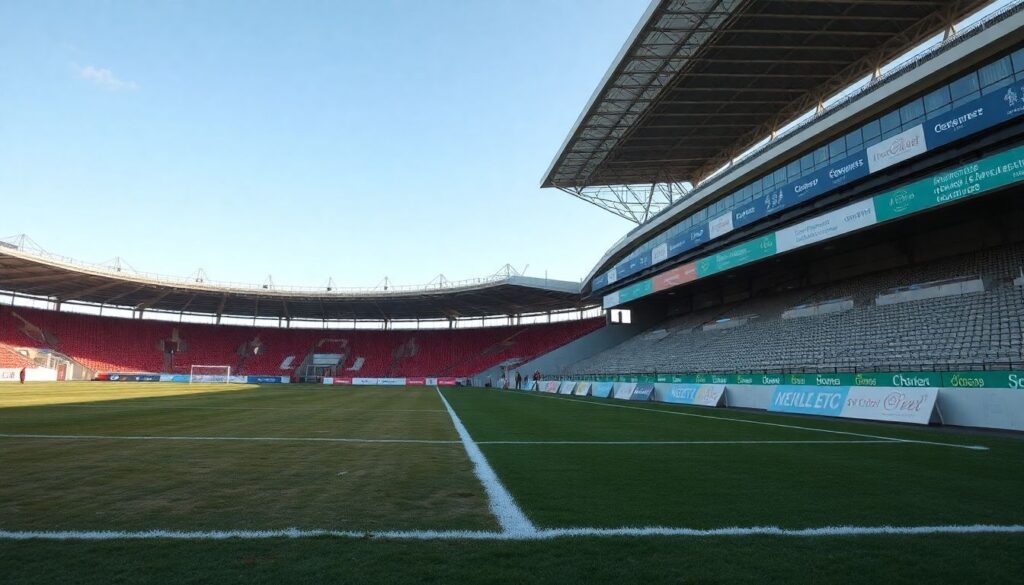
Structural barriers limit women’s football long before elite competitions. They appear in facilities, funding models, scheduling and communication choices that prioritise men by default.
Restricted access to pitches and training resources
Many girls and women still face limited access to quality pitches, changing rooms and gym facilities. Training slots are frequently at inconvenient hours and in worse conditions than men’s teams. This affects performance, retention and the perceived seriousness of women’s football.
Unequal funding and professional pathways
Budgets for women’s teams, including youth, are often smaller and more precarious. Scholarships, travel, medical staff and scouting concentrate around men’s sides. Without clear, funded pathways from grassroots clubs and escuelas y academias de fútbol femenino to professional squads, talented players drop out.
Media coverage gaps and narrative framing
Women’s matches receive fewer live broadcasts, shorter highlights and less analytical commentary. When coverage exists, it may focus on appearance rather than performance. Even aspects like promoting fútbol femenino entradas partidos are often neglected, reducing attendance and reinforcing a circle of invisibility.
Commercialisation and merchandising asymmetries
Merchandising for women’s teams-especially camisetas fútbol femenino oficiales with players’ names-is frequently limited or poorly distributed. Sponsors may see women’s football as «extra» instead of a core product, which constrains long‑term planning and investment.
Legal, governance and policy levers for equality
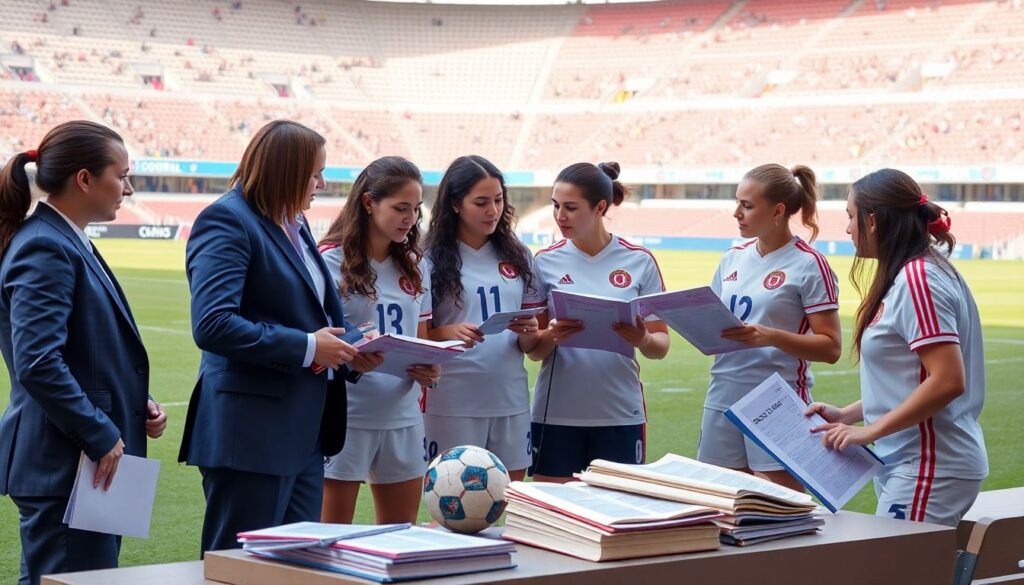
Law, federation rules and club policies can accelerate or delay equality in women’s football. Understanding their strengths and boundaries helps design realistic strategies.
Advantages of legal and policy tools
- Minimum standards for contracts, salaries and insurance protect professional players from exploitation and unstable conditions.
- Anti‑discrimination and equality laws give players and staff mechanisms to challenge unequal treatment or harassment.
- Licensing requirements can oblige clubs to invest in women’s sections, youth teams and facilities as conditions to compete.
- Transparency rules on budgets, prize money and resource allocation expose gaps between men’s and women’s programmes.
- Educational mandates can integrate mixed training, safe sport protocols and gender‑sensitive coaching in escuelas y academias de fútbol femenino.
Limitations and risks of relying only on regulation
- Paper equality without enforcement leaves players dependent on individual goodwill instead of predictable rights.
- Over‑regulation without funding support can burden small clubs and slow organic growth of local women’s teams.
- Rules do not automatically change fan behaviour, commentary style or betting markets such as apuestas fútbol femenino online.
- Quotas and obligations may trigger resistance if not accompanied by communication, education and visible success stories.
Cultural resistance, stereotypes and shifting public attitudes
Cultural change in women’s football is about what people believe, say and normalise in stadiums, homes and media. Misconceptions can be persistent even when laws and structures improve.
- «Women’s football is not real football»: This stereotype ignores identical rules and similar tactical complexity. It often appears in casual jokes, commentary and online comments and discourages girls from starting or continuing.
- «There is no audience»: Fans exist but face barriers: poor scheduling, little promotion of fútbol femenino entradas partidos and lack of transport or family‑friendly conditions. When matches are accessible and properly marketed, attendance commonly grows.
- Sexualisation and trivialisation: Some media or apuestas fútbol femenino online content reduces players to looks or off‑pitch lives, framing them as «content» rather than athletes and professionals.
- Family and school expectations: Girls are often steered towards «feminine» sports. Schools and families that support football for boys but not girls reinforce the idea that women’s football is secondary.
- Resistance inside clubs: Staff or volunteers may see investment in women’s sections as a cost with no return, without understanding long‑term brand value, community engagement and new revenue like camisetas fútbol femenino oficiales.
Concrete interventions clubs, federations and media can apply
Change becomes tangible when organisations adapt their daily practices. The following mini‑case shows how a medium‑sized club in Spain could use simple steps to improve recognition and equality in its women’s section.
Mini‑case: aligning structures around women’s football
- Diagnosis: The club has a men’s team in a regional division and a women’s team with little visibility. Pitches, staff and communications default to men’s schedules and stories.
- Set clear objectives: In two seasons, double average attendance at women’s matches, create one new girls’ youth team and increase women’s‑team related merchandise sales.
- Operational actions:
- Reserve at least one prime‑time slot per week for women’s training and one weekend slot for home matches.
- Publish a unified calendar highlighting both men’s and women’s games equally, including links to buy fútbol femenino entradas partidos.
- Work with local escuelas y academias de fútbol femenino to organise joint training days and ball‑kids programmes for women’s matches.
- Launch a small line of camisetas fútbol femenino oficiales featuring two leading players and promote them on matchdays.
- Adopt an internal code that bans sexist chants and content, and trains staff on respectful language around women’s football.
- Media and partnerships:
- Negotiate local radio or streaming coverage for at least one women’s match per month.
- Ask sponsors to include women’s players in campaigns on the same footing as male players.
- Set clear rules that any collaboration with apuestas fútbol femenino online operators must avoid sexist imagery or trivialisation.
- Monitoring and adjustment: Track attendance, social media interactions and sales. Collect anonymous feedback from players about facilities and respect in the club and adjust policies yearly.
Concise clarifications and practical answers
Is women’s football really the same sport as men’s football?
Yes. Women’s football uses the same Laws of the Game, pitch sizes, ball, match duration and basic competition formats. Differences lie in historical investment, media attention and cultural treatment, not in the rules or legitimacy of the sport.
Why does women’s football receive less media coverage?
Legacy practices favour existing men’s competitions, and editors often underestimate the audience for women’s matches. Limited promotion of fixtures and poor production values can then be misread as «lack of interest», reinforcing a cycle of low visibility.
How can fans in Spain support the professional women’s league?
Follow and attend matches of the liga profesional fútbol femenino España, buy fútbol femenino entradas partidos in advance, interact with broadcasts and demand better coverage from your usual media sources. Purchasing official merchandise and sharing content also strengthens the league’s position.
Are official women’s team shirts and merchandise important?
Yes. When clubs see strong sales of camisetas fútbol femenino oficiales, they recognise commercial potential and allocate more resources to women’s teams. Merchandise also makes women’s players visible in streets, schools and stadiums, normalising their status as top athletes.
What role do schools and academies play in equality?
Schools and escuelas y academias de fútbol femenino create the first contact with the sport for many girls. Inclusive programmes, mixed training options and clear pathways to clubs and professional environments are essential to long‑term equality.
Is betting on women’s football good or bad for the game?
Betting, including apuestas fútbol femenino online, can increase visibility but also carries risks of match‑fixing and sexist marketing. The key is strict regulation, integrity programmes and communication that treats women’s competitions with the same seriousness as men’s.
What is the most immediate action a local club can take?
Guarantee equal access to quality pitches and training times for women’s and girls’ teams, then promote their matches alongside men’s events. These visible changes send a strong message to players, families and sponsors.