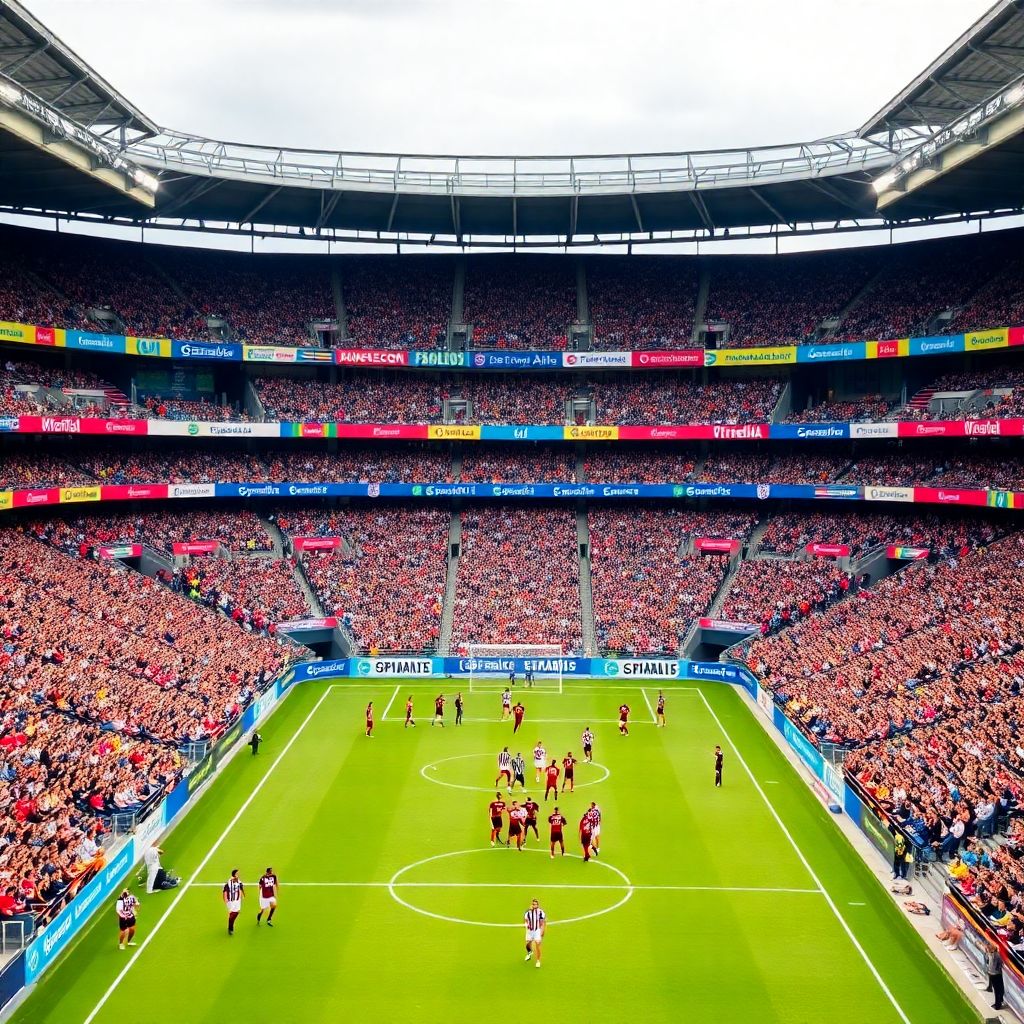
Women’s football is reshaping traditionally male football culture by opening stadiums, tactics, business models, and fan rituals to more inclusive and modern practices. To use this shift in Spain, structure changes around three axes: mixed participation, shared infrastructure, and unified storytelling across media, sponsors, and matchday experiences.
Core insights on how women’s football reshapes the game
- Historic milestones in women’s football forced federations and clubs to question exclusion and update rules, contracts, and facilities.
- Training methods and playing styles now circulate in both directions, with women’s teams pioneering ideas later adopted in men’s football.
- Supporter culture is changing as families and younger fans fill stadiums and switch to more inclusive chants and rituals.
- Media, patrocinios y marketing para equipos de fútbol femenino, and merchandising are testing lighter, more community-driven campaigns.
- Regulation around contracts, academias y escuelas de fútbol femenino para niñas, and licensing is converging with men’s football standards.
- Commercial assets such as fútbol femenino entradas partidos profesionales, shirts, and derechos de transmisión y suscripción a ligas de fútbol femenino are becoming central to club strategy.
- Clubs that integrate women’s football into their identity gain resilience: broader fan base, new narratives, and reputational protection.
Historical turning points that opened male-dominated football to women
Who benefits from using these milestones
This roadmap is useful for club directors, federation staff, community organisers, and coaches in Spain who want to modernise a traditionally masculine football culture. It also helps media, sponsors, and municipalities decide where to invest, what to promote, and how to communicate change to skeptical audiences.
When not to rely only on history
Do not hide behind history to justify inaction. Celebrating past milestones without changing budgets, staff structures, or access to facilities creates cynicism. Avoid long nostalgic campaigns that position women’s football as a side project instead of a core part of the club’s present and future.
Key turning points to anchor your strategy
Instead of exhaustive timelines, select a few turning points that you can translate into concrete policies and campaigns:
- Legal recognition and federation backing: Use the moment when women’s leagues were officially recognised to argue for equal access to pitches, medical services, and professional contracts.
- First professional contracts at your club or region: Link them to HR policies, maternity protection, and transparent salary structures for both men and women.
- Breakthrough tournaments and full stadiums: Use big attendances at women’s games to renegotiate stadium access, kick-off times, and priority dates with city councils and men’s teams.
- Landmark media deals: When women’s leagues sign new derechos de transmisión y suscripción a ligas de fútbol femenino, use this leverage to demand better scheduling, production quality, and integrated marketing.
Each turning point should end in a specific internal rule, new budget line, or shared infrastructure agreement, not just a commemorative post.
How playing styles and training methods cross-influence both genders
What you need before you start
To make cross-influence real rather than symbolic, you need basic structures and tools that are safe, realistic, and easy to understand for staff and players.
- Shared technical framework
- A written game model that applies to the whole club, with room for variation but common language on pressing, build-up, and transitions.
- Agreed performance indicators (not only physical metrics) used across men’s and women’s teams.
- Open-access training environments
- Permission and calendar space for coaches to observe each other’s sessions weekly.
- At least a few shared gym slots and analysis rooms so interaction happens naturally.
- Video and data tools
- Basic video recording of all teams, with a simple tagging tool or analyst support.
- Safe storage and permissions protocols so clips from women’s games can be shown in men’s team meetings and vice versa.
- Integrated coach education
- Regular in-house clinics where women’s coaches present case studies on topics like compact defending or build-up under high press.
- Joint attendance to external coaching courses to avoid knowledge silos.
- Player pathway links
- Academias y escuelas de fútbol femenino para niñas formally connected to the club’s game model and sports science support.
- Mentor programmes where senior players from both teams share routines on nutrition, recovery, and match preparation.
- Governance support
- Board-level mandate that women’s and men’s technical departments report within the same performance structure.
- Clear incentives for staff who can demonstrate cross-team knowledge transfer.
Shifts in supporter behavior: attendance, chants, and matchday rituals
Step-by-step approach to transform fan culture safely
- Map your current supporter base and pain points
Gather basic information: who attends men’s vs women’s matches, how many families, how many organised groups. Use steward feedback and simple post-match surveys. Identify incidents of sexist chants or unsafe behaviour and where they occur in the stadium. - Redesign ticketing to invite mixed audiences
Adjust pricing and packaging for fútbol femenino entradas partidos profesionales so they reward families, youth teams, and mixed gender groups. Offer combined season tickets for men’s and women’s games and clear, simple online purchase flows. - Align merchandising with inclusive identity
Ensure camisetas oficiales fútbol femenino comprar online is as visible and simple as buying the men’s shirt. Use the same design lines, but highlight women’s players in store displays, social media drops, and limited-edition releases. - Work with fan groups on chants and rituals
Invite peñas and ultras to co-create new chants that celebrate both teams without sexist language. Propose safe, visible rituals: joint player walkouts, mixed tifo designs, and shared post-match acknowledgment of stands by men’s and women’s squads. - Coordinate family-friendly matchday zones
Design specific sectors where alcohol is limited and stewards trained in de-escalation are present. Place these near pitch-side experiences for kids, such as flag-bearing and penalty shootouts at half-time in women’s games. - Synchronise calendars and cross-promotion
Whenever possible, link a high-profile men’s fixture with a women’s match in the same week. Use men’s crowds to promote ticket offers, rights information, and streaming access for the women’s side. - Measure change and adjust
Track attendance differences between men’s and women’s games, percentage of families, and incident reports. Use simple dashboards to share progress with staff and fan representatives, and adapt policies without blaming any specific group.
Fast-track mode for quick implementation
- Introduce combined season tickets that include several women’s home games and make online purchase of women’s match tickets highly visible.
- Launch a short campaign to promote equal visibility of men’s and women’s shirts in the club shop and e-commerce.
- Agree with main fan groups on a code of conduct and two or three inclusive chants promoted on social media and in-stadium screens.
- Assign a small cross-department team (ticketing, marketing, security) to review fan metrics monthly and propose one quick adjustment each cycle.
Media narratives, sponsorship patterns, and commercial consequences
Checklist to confirm your strategy is working
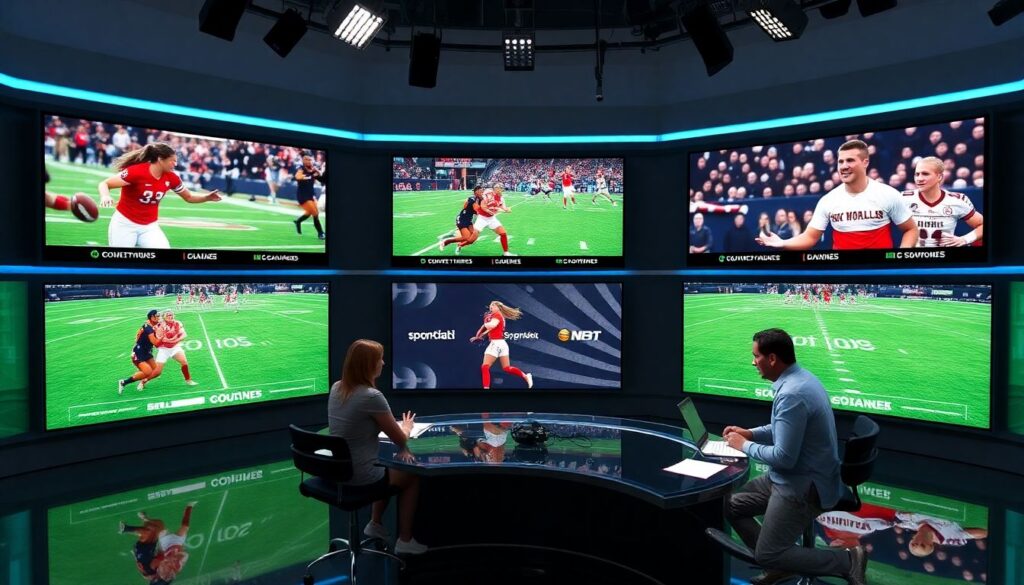
Use this checklist to evaluate whether media and sponsorship structures around women’s football are genuinely changing the wider football culture in your club or city.
- Media coverage of women’s games appears on the same platforms and time slots as men’s games, not only in niche sections.
- Editors and commentators use consistent language when describing tactical quality and intensity in both competitions.
- Key sponsors activate campaigns around women’s matches, not just place logos; patrocinios y marketing para equipos de fútbol femenino include community events and content series.
- Revenue from women’s commercial assets (tickets, merchandising, content) is included in main club reports and discussed at board level.
- Digital campaigns selling fútbol femenino entradas partidos profesionales and merchandise achieve similar or rising click-through and conversion rates compared with men’s campaigns.
- Official online store navigation makes camisetas oficiales fútbol femenino comprar online reachable in one or two clicks from the homepage.
- Broadcast plans for women’s matches include pre-game shows, tactical analysis, and post-match interviews comparable to men’s coverage.
- Contracts related to derechos de transmisión y suscripción a ligas de fútbol femenino contain clear commitments to promotion, production quality, and scheduling.
- Internal sponsorship documents treat women’s team assets as central properties, not as free add-ons to men’s packages.
- Fan sentiment on social media shows more positive engagement and less gendered abuse in posts about women’s football.
Policy and governance: club structures, youth development, and league reforms
Frequent mistakes that slow or block progress
- Keeping women’s football under a separate foundation or community arm, instead of integrating it into the main club governance and budget.
- Failing to align youth development for boys and girls, so girls lack access to similar coaching, facilities, and competition calendars.
- Creating symbolic leadership roles (ambassadors, committees) without decision-making power over finance, scheduling, and facilities.
- Designing academias y escuelas de fútbol femenino para niñas as isolated projects rather than genuine pathways into club teams.
- Negotiating TV and streaming rights for women’s leagues as short-term experiments with unclear visibility commitments.
- Ignoring maternity, parental leave, and dual-career policies in player and staff contracts, which pushes women out of the system.
- Using regulations from men’s football without adapting them to specific needs of women’s competitions, such as calendar, medical care, and travel conditions.
- Allowing local federations and leagues to delay licensing and professionalisation standards for women’s clubs indefinitely.
- Not involving players in governance discussions, missing practical insights on safety, scheduling, and workload.
- Underestimating the reputational risk of discrimination cases and failing to build clear, trusted reporting and sanctioning processes.
Concrete actions for coaches, clubs, and federations to harness the impact
Alternative pathways and when to use them
- Club-led integration strategy
The club drives integration of men’s and women’s football: shared branding, facilities, and staff structures. Use this when your ownership and board are supportive and can influence local politics, sponsors, and media partners directly. - Federation-driven regulatory push
The federation sets minimum standards for professionalisation, youth pathways, and commercial treatment across clubs. This is suitable when individual clubs are resistant but public opinion and national policy support equality. - Community and grassroots first approach
Local schools, amateur clubs, and fan groups build strong women’s competitions and supporter culture before professional clubs fully commit. Use this where big clubs are slow, but municipal support and volunteer energy are high. - Media and sponsor anchored transformation
Broadcasters and major sponsors invest in storytelling, rights, and events around women’s football and push clubs to modernise. This path fits markets where media groups control fan attention and can experiment quickly with new products and bundles.
Typical implementation questions and concise answers
How can a club in Spain start integrating women’s football without a huge budget?
Begin with shared training facilities, unified branding, and cross-promotion on existing channels. Offer combined ticket packages for a few matches and rotate staff between men’s and women’s teams on specific tasks such as analysis or physical preparation.
What is a safe way to address sexist chants in the stadium?
Co-create a code of conduct with fan groups and communicate it clearly via tickets, signage, and announcements. Train stewards to intervene calmly, use warnings before sanctions, and offer fans alternative inclusive chants prepared with supporters.
How should we market women’s matches to traditional male fans?
Focus on tactical quality, club identity, and access to players, not only on families and children. Use men’s team channels to promote specific players and matches, and include women’s highlights in regular content formats, not as special exceptions.
What first steps can a small town take to support girls in football?
Start academias y escuelas de fútbol femenino para niñas using existing pitches and volunteer coaches with basic training. Partner with nearby professional clubs for clinics and organise mixed-gender tournaments that normalise girls playing football in public spaces.
How do broadcasting rights for women’s leagues affect local clubs?
Derechos de transmisión y suscripción a ligas de fútbol femenino can provide income, visibility, and leverage for better kick-off times and facilities. Clubs should negotiate clear clauses on promotion and production standards and ensure matches are easy to find on platforms fans already use.
Is it necessary to have separate marketing teams for men’s and women’s football?
Not usually. A single marketing team with dedicated time and clear objectives for women’s football avoids duplication and ensures consistent brand identity, while still allowing tailored campaigns when needed.
How can we measure whether women’s football is changing club culture, not just adding games?
Track shared resources, joint campaigns, fan demographics, and staff structures over time. Look for indicators such as mixed attendance, common game model, women in leadership roles, and sponsors activating around both teams in an integrated way.