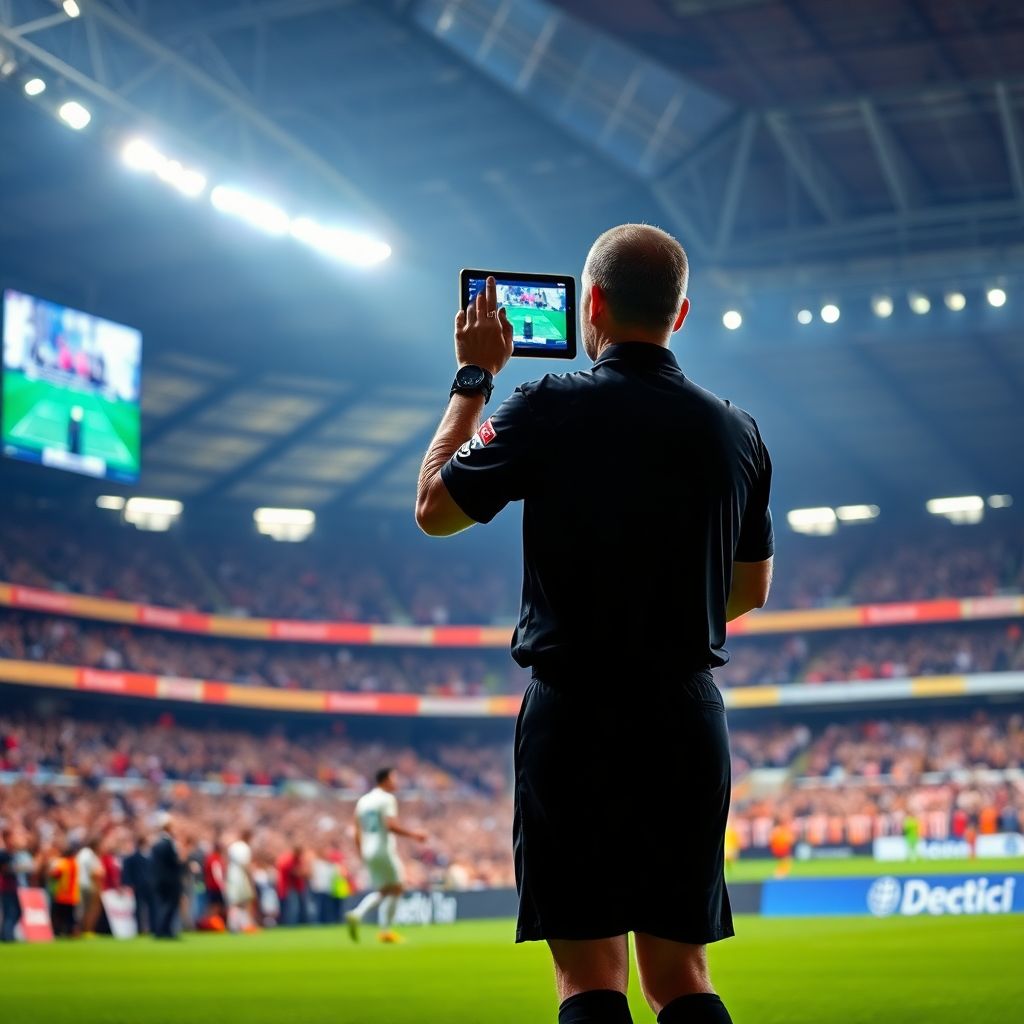
VAR is a video-assistance system that lets referees re‑review key incidents to reduce clear errors without fully automating decisions. It improves accuracy for goals, penalties, red cards and mistaken identity, but can slow matches, create new controversies and, if misused, threaten the spontaneous, human essence of football.
Core Assertions on VAR and the Pursuit of Perfect Justice
- VAR is a human-technology hybrid: it supports referees but does not replace their authority on the pitch.
- The aim is not mathematical perfection, but reducing clear and obvious mistakes in specific types of incidents.
- Excessive pursuit of perfect justice risks harming rhythm, emotion and the intuitive flow that define football.
- Transparent protocols and communication are essential to prevent VAR from becoming a source of new injustices.
- Fans adapt: from entradas partidos con VAR fútbol to suscripción streaming fútbol con VAR en vivo, expectations about justice and spectacle change together.
- Leagues and broadcasters shape perception through camera quality, replays and rules, from mejores televisores 4k для ver fútbol y VAR to editorial choices.
- The future of VAR in Spain depends on policy: how LaLiga, árbitros, clubs and canales de pago para ver liga con VAR balance justice against the spirit of the game.
How VAR Operates: Technology, Protocols, and Decision Pathways
Video Assistant Referee (VAR) is a system where a team of officials, located in a video operation room, use multiple camera angles and replay tools to help the on‑field referee correct clear mistakes. VAR does not check every action, only defined situations and only with a limited intervention philosophy.
According to the protocol used in top competitions, including the Spanish league, VAR may intervene in four types of incidents: goals, penalty decisions, direct red cards and cases of mistaken identity. The on‑field referee keeps the final word and can accept the information from the video room or review the action on the pitch-side monitor.
Technologically, VAR depends on a robust broadcast infrastructure. High frame‑rate cameras, calibrated offside lines and clean replay feeds are essential. That is why broadcasters and fans invest in mejores televisores 4k para ver fútbol y VAR: the same detail that helps the referee helps viewers judge decisions from home or a bar.
In practice, the decision pathway is stepwise and constrained. For example, after a goal in LaLiga, the VAR team does a silent check for possible offside, foul or handball. If they see a potential clear error, they recommend a review. Otherwise, the game restarts quickly and the intervention remains invisible to fans at the stadium or using suscripción streaming fútbol con VAR en vivo.
What ‘Perfect Justice’ Means for Competitive Football
The idea of perfect justice in football is the dream that every decision could be objectively correct, independent of human error or context. VAR is often sold as a path toward that dream, but in reality it can only approximate justice within strict limits.
- Objective‑seeming measurement: Offside lines and freeze‑frames create the impression of mathematical truth, even though frame selection and body‑part interpretation still involve judgement.
- Consistency across matches: Centralised protocols aim to ensure that a handball in Sevilla is judged similarly to one in Bilbao, which is crucial for competitive integrity in long tournaments.
- Correction of extreme errors: VAR is justified most clearly when it turns an obviously wrong decision into a clearly right one, such as overturning a missed violent conduct red card.
- Retrospective fairness over live flow: The system prioritises getting the big decision right, even if it means breaking the rhythm and emotional build‑up of the game.
- Shifting risk and responsibility: Referees know their decisions will be checked, so they may delay whistles or lean on VAR, changing how they position themselves and manage risk.
- Legalistic reading of the Laws: Slow‑motion replays invite hyper‑technical interpretations (for example, minimal contact in the box) that may differ from the intuitive, «football» sense of justice.
- Perceived fairness for stakeholders: Clubs, fans, TV partners and even opiniones casas de apuestas fútbol con VAR all want a predictable environment; perfect justice becomes a commercial as well as sporting argument.
Concrete Benefits: Errors Corrected and Matches Rescued
VAR’s strongest defence comes from concrete match situations where it obviously improves fairness. These examples make clear why most professional competitions in Europe, including the Spanish context, are not going back to a world without video assistance.
- Offside goals correctly disallowed or awarded: A striker scores in a tight offside position. The assistant referee keeps the flag down, the goal is checked, and calibrated lines reveal a clear offside. The goal is cancelled, preserving the integrity of a title‑deciding match that millions follow via canales de pago para ver liga con VAR.
- Penalties corrected both ways: In one case, a soft penalty initially given is overturned after replays show minimal contact; in another, a clear trip missed in real time is awarded as a penalty. Over a season, such corrections can decide European spots or relegation, directly affecting club finances and fan emotions.
- Serious foul play upgraded to red card: A dangerous studs‑up tackle is only booked at first. VAR shows the full force of the contact from a reverse angle, and the referee upgrades to a red. This protects player safety and signals to youth categories that certain behaviours are unacceptable, reinforcing educational and ethical aspects of the sport.
- Mistaken identity fixed: In a crowded box, the wrong defender is shown a yellow that would cause suspension. VAR identifies the correct player. This is a small, clean win for justice that everyone accepts, with minimal interference to the flow of the game and no impact on the emotional narrative for fans who bought entradas partidos con VAR fútbol.
- Objective time to judge incidents: For ultra‑fast actions such as handballs in the box, replay allows referees to see deflections and distances that are impossible to process in real time, leading to more accurate interpretations in line with competition guidelines.
Concrete Drawbacks: Interruptions, Ambiguity, and Managerial Gaming
For all its benefits, VAR introduces costs that are hard to ignore in Spain and elsewhere. These costs are not only about seconds lost, but about how players, coaches and spectators experience the match and how controversies evolve around new grey areas.
Advantages Introduced by VAR Adoption
- Reduces the most extreme, game‑deciding errors in goals, penalties, red cards and mistaken identity.
- Offers visual evidence that can convince initially sceptical players and coaches after emotional incidents.
- Improves the sense of competitive fairness over a season, especially in tight title races and relegation battles.
- Creates educational material for referees in training, allowing them to study positioning and decision‑making with video support.
- Aligns top‑level football with other elite sports where video review has become the norm, aiding international consistency.
Structural Limitations and Side‑Effects
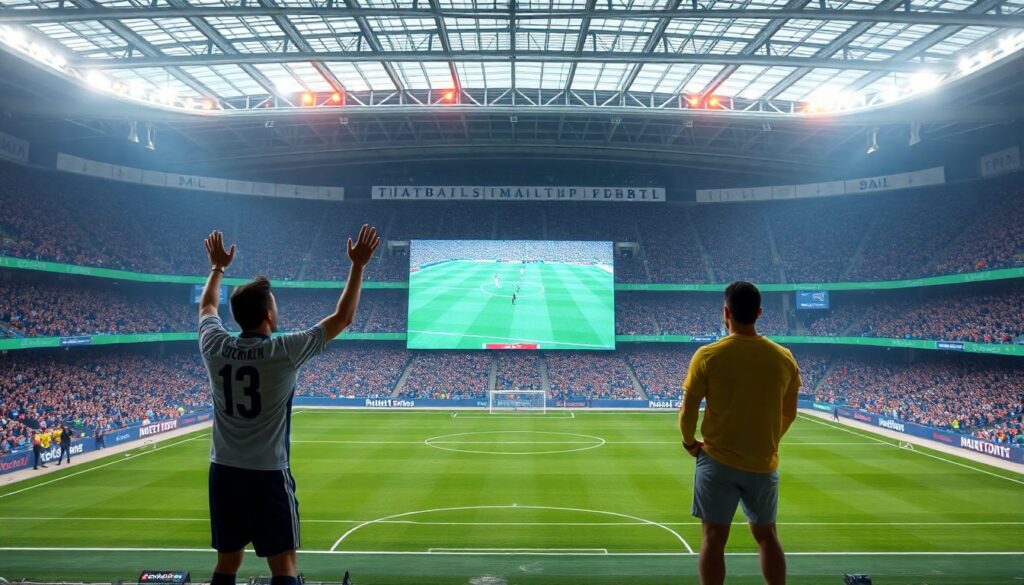
- Rhythm interruptions: Long checks break celebrations, delay kick‑offs and turn emotional peaks into awkward pauses, especially visible on big screens in modern stadiums and on high‑definition broadcasts.
- Persistent ambiguity: Even with replays, handball, holding and small contacts remain interpretative, so arguments simply move from the pitch to the screen.
- Managerial and player gaming: Coaches push for VAR checks on almost every contact in the box, and players act theatrically, hoping to produce a replay‑worthy incident.
- Unequal camera coverage: Not all matches have the same number or quality of cameras, which can create perceived inequalities, especially in early Copa rounds or lower‑profile fixtures.
- Over‑centralisation of power: The video room can subtly shift authority away from the on‑field referee, affecting their confidence and the way players treat them.
- Fan experience distortion: For spectators in the stadium, with no commentary and sometimes limited replays, decisions may feel arbitrary, unlike the clearer TV explanations that come with suscripción streaming fútbol con VAR en vivo.
Cultural and Ethical Impacts on the Spirit of the Game
Beyond individual decisions, VAR changes how we understand luck, error and emotion. For Spanish football culture, where injustice has always fed bar debates and sports radio, this shift is profound.
- Mistake as part of football’s myth: Historically, controversial goals and offsides were part of club identity and shared memory. VAR removes some of that randomness, which can make narratives cleaner but also flatter and more controlled.
- Trust in technology versus trust in people: When fans instinctively believe the line on the screen over the human they see on the pitch, the referee becomes an executor of a system rather than its central moral authority.
- Commercial influence on justice: Camera placement, slow‑motion selection and graphic presentation are controlled by broadcasters and leagues. In a world of canales de pago для ver liga con VAR, justice is partially mediated by TV production decisions.
- New pressure on referees: Knowing that every decision is dissected in UHD on mejores televisores 4k para ver fútbol y VAR adds psychological pressure. Referees face criticism not only from fans but also from frame‑by‑frame punditry and social media.
- Betting and perceived manipulation: With live odds and streaming, decisiones VAR become high‑stakes events for apuestas. This fuels opiniones casas de apuestas fútbol con VAR, some arguing that more technology equals less manipulation, others fearing new forms of influence around timing and interpretation.
- Re‑definition of fair play: If players know that small fouls, shirt pulls or handballs may later be penalised by video, they may adapt behaviour. Over time, this could make the game cleaner, but also more legalistic and less spontaneous.
Policy Design: Balancing Accuracy, Flow, and Stakeholder Trust
Because VAR affects justice, spectacle and business models, leagues must design clear policies. Spain offers a useful example: LaLiga, RFEF, TV operators and clubs negotiate not only how VAR works technically, but also how it is communicated to fans in stadiums and to viewers at home and abroad.
One practical way to see VAR policy is as a short decision algorithm that referees and video officials must follow for every potential intervention. This algorithm tries to maximise justice while protecting the flow of the match and respecting the referee’s authority.
A Compact Algorithm to Check a VAR‑Sensitive Result
- Trigger: A goal is scored or a potential penalty / red card incident occurs.
- Silent check: VAR quickly reviews the play in the background while the referee manages players and prepares for restart.
- Incident classification: VAR asks: is this one of the four allowed categories (goal, penalty, direct red, mistaken identity)? If not, play continues.
- Error threshold test: If yes, VAR decides: is there a clear and obvious error or serious missed incident? If the answer is no, the on‑field decision stands.
- Recommendation: If the answer is yes, VAR recommends either (a) factual correction (for example, offside line) or (b) on‑field review at the monitor.
- Final decision: The referee either accepts the factual information or watches replays and confirms or changes the original decision.
- Communication: Decision and reason are signalled clearly to players and spectators; broadcasters show replays with graphics where possible.
This simple pathway can be refined with time limits, communication rules and training. For example, a league might fix a maximum review duration before defaulting to the original decision to protect rhythm. Another might give stadiums mandatory replays to align the experience with TV.
In Spain, the evolution of VAR policy will likely continue to reflect fan expectations, from how people buy entradas partidos con VAR fútbol to how they choose suscripción streaming fútbol con VAR en vivo. The central question is not whether technology kills the essence of the game, but how we design its use so that justice and emotion coexist.
Quick Self‑Check for Healthy VAR Use in a Competition
- Are intervention criteria narrow and well‑understood by referees, players and fans?
- Is there a realistic time limit for checks to minimise rhythm disruption?
- Do stadium and TV audiences receive clear, consistent explanations of decisions?
- Is referee authority preserved, with VAR acting as support rather than master?
- Are policies regularly reviewed with input from clubs, referees, fans and broadcasters?
Practical Concerns Coaches, Referees and Fans Ask Often
Does VAR really eliminate big refereeing mistakes?
VAR substantially reduces the most obvious, game‑changing errors, especially in offsides, red cards and clear penalties. It does not eliminate all controversy, because many decisions still involve subjective interpretations of contact, intention and advantage.
Why do some VAR checks in LaLiga take so long?
Checks take time when angles are limited, the incident is complex or the protocol requires multiple replay speeds. Leagues can shorten reviews by limiting the number of replays, setting soft time caps and improving communication between the video room and the referee.
Is VAR fairer for big clubs than for small ones?
The protocol is the same for everyone, but perception can differ. High‑profile matches often have more cameras and better angles, which can make decisions feel more precise. Transparency about camera plans and consistent application of the rules helps protect smaller clubs.
How should a coach adapt tactics and behaviour to VAR?
Coaches can train defenders to avoid risky holds and late tackles in the box, knowing that subtle fouls may be detected on replay. They should also manage players’ reactions, discouraging mass protests that waste time and rarely change VAR‑based decisions.
Does VAR change how I should watch matches on TV or streaming?
Yes. Pauses for checks mean more time to analyse tactics and body language. If you watch via canales de pago para ver liga con VAR or an international platform, you will see replays and graphics that help you understand decisions better than fans in the stadium.
What does VAR mean for live betting and risk?
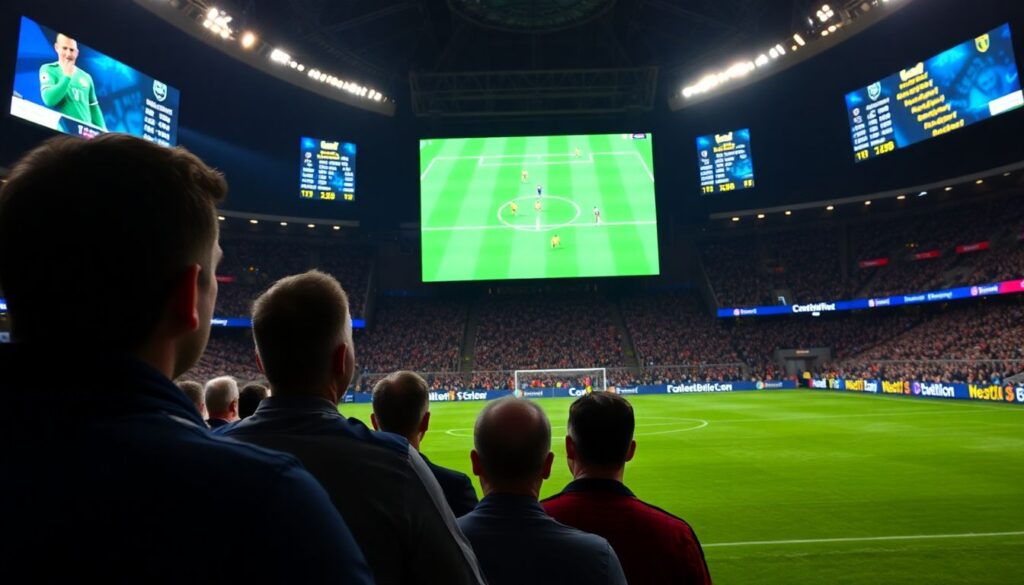
For live bettors, VAR adds a source of volatility: goals and penalties can be cancelled or awarded after odds have moved. This is why opiniones casas de apuestas fútbol con VAR are mixed; some welcome extra fairness, others dislike the unpredictability around reviews.
Will lower divisions and grassroots football eventually use VAR?
Probably only in limited forms, such as goal‑line technology or simplified replay, because full VAR is expensive and logistically complex. The key challenge is ensuring that differences between professional and amateur levels do not undermine perceptions of fairness.