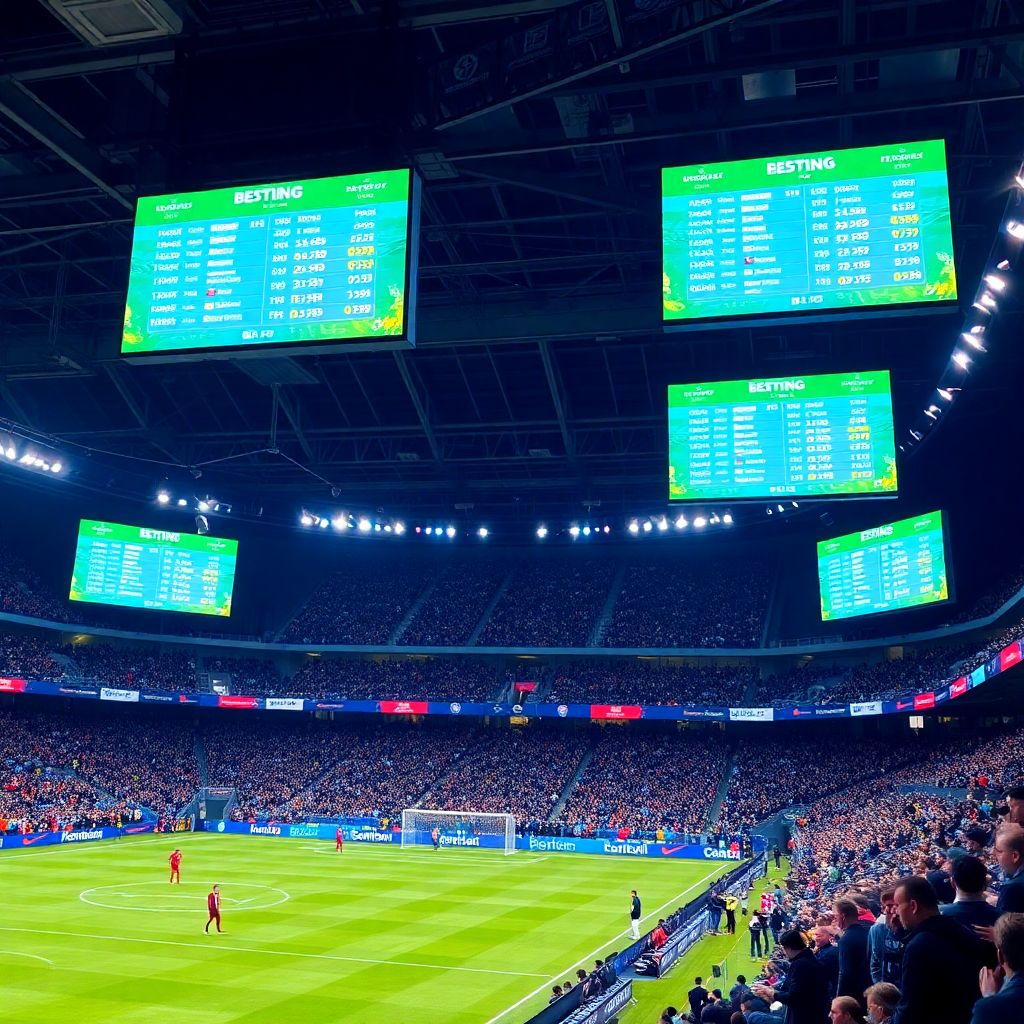
Match times and formats in modern football are decided mainly by TV contracts, betting-linked interests and league scheduling algorithms, with clubs and fans adapting around them. In Spain and Europe, kick-offs are placed into global TV windows, data-friendly slots for bookmakers, and optimised calendars that balance travel, rest, and competing broadcast demands.
Who sets match times: broadcast deals, betting interests and scheduling algorithms
- Domestic leagues formally approve calendars, but major broadcasters effectively choose the most valuable kick-off windows.
- Big streaming and pay-TV contracts for derechos de transmisión fútbol en televisión define how many games must be shown and at what times.
- Betting partners and casas de apuestas deportivas fútbol online push for staggered, nearly nonstop action to maximise live markets.
- Scheduling algorithms turn all these preferences into a detailed fixture list under travel, security and fairness constraints.
- Fans, players and smaller clubs mainly react to these decisions, with limited influence unless regulators step in.
How TV evolved into the primary calendar-maker for football
Originally, football calendars were built around local supporters, daylight and tradition. Saturday afternoon or Sunday morning defined when people could physically go to the stadium. Television simply pointed cameras at those existing habits, without fundamentally changing when the ball was kicked.
The shift came when broadcast money overtook gate receipts. Once TV became the main income source, leagues started shaping matchdays to fit television needs. To sell more games, they opened new kick-off windows across the weekend and weekdays, gradually breaking the single traditional slot.
From the 2010s, multi-game packages, international audiences and mobile viewing accelerated the trend. Broadcasters wanted matches spread out so that viewers could watch several full games in a row. This is why you now see highly fragmented horarios de partidos de fútbol en vivo hoy por TV, from early afternoon to late at night.
Streaming platforms then added another layer. Global plataformas para ver fútbol en streaming legal look for times that serve multiple time zones and avoid clashes with other premium sports. In practice, this has turned TV and streaming into the de facto calendar-makers, with leagues negotiating but rarely ignoring their demands.
Money flows that determine kick-off windows: TV rights and betting revenue

To understand who really sets match times, follow the money linked to each potential slot on the calendar.
- Domestic TV rights packages. Contracts for derechos de transmisión fútbol en televisión specify how many matches must be shown live, exclusivity conditions and preferred time bands. Leagues then distribute matches into those bands to fulfil contractual obligations.
- International rights and time zones. For top leagues, overseas audiences can be as valuable as local ones. Early or late kick-offs are placed to reach Asia or the Americas, even if they are less convenient for fans in Spain.
- Advertising and subscription peaks. Broadcasters prefer kick-offs when they can sell more ads or retain subscribers in prime time. This pushes high-profile matches into late evening slots or away from competing entertainment events.
- Betting turnover cycles. When many leagues play at the same time, betting turnover rises. Casas de apuestas deportivas fútbol online favour a global grid of staggered games to keep live betting markets active almost continuously.
- Data and trading needs. Bookmakers want predictable, well-spaced kick-offs so their models and traders can manage risk efficiently. That interacts directly with how scheduling algorithms group or separate matches.
- Secondary competitions and overlap. Domestic cups, European competitions and national teams all compete for TV windows. Money flowing from each competition’s rights package determines who gets priority on specific dates and times.
How scheduling algorithms work: inputs, constraints and objective functions
Modern fixture lists are usually produced with optimisation software, not by hand. The league defines the rules, the broadcasters express their preferences, and algorithms calculate calendars that try to satisfy everyone without breaking hard constraints like stadium availability or police limits.
First, algorithms collect inputs: club lists, stadium locations, historical attendances, TV audience data, international match calendars and commercial commitments. They also ingest requirements from plataformas para ver fútbol en streaming legal, such as avoiding clashes between their own properties or respecting minimum gaps between televised matches.
Then they apply constraints. Typical rules include minimum rest days, limits on consecutive away games, avoiding two clubs from the same city playing at home simultaneously, and preventing big derbies from overlapping. Understanding cómo funcionan los algoritmos de apuestas deportivas helps, because many of the same data and modelling techniques are reused for scheduling.
Finally, algorithms optimise objective functions. These measure things like expected TV audience, stadium occupancy, travel distance and fairness indicators. The software tests thousands of possible calendars and selects those that maximise commercial value while staying within sporting and logistical constraints.
In practice, humans still intervene. Leagues may override some outputs for political reasons, clubs lobby for changes, and security authorities can force kick-off adjustments. But the baseline solution is algorithmic, influenced heavily by the value of each slot to broadcasters and betting operators.
Power map: comparing influence of leagues, broadcasters, streaming platforms and bookmakers
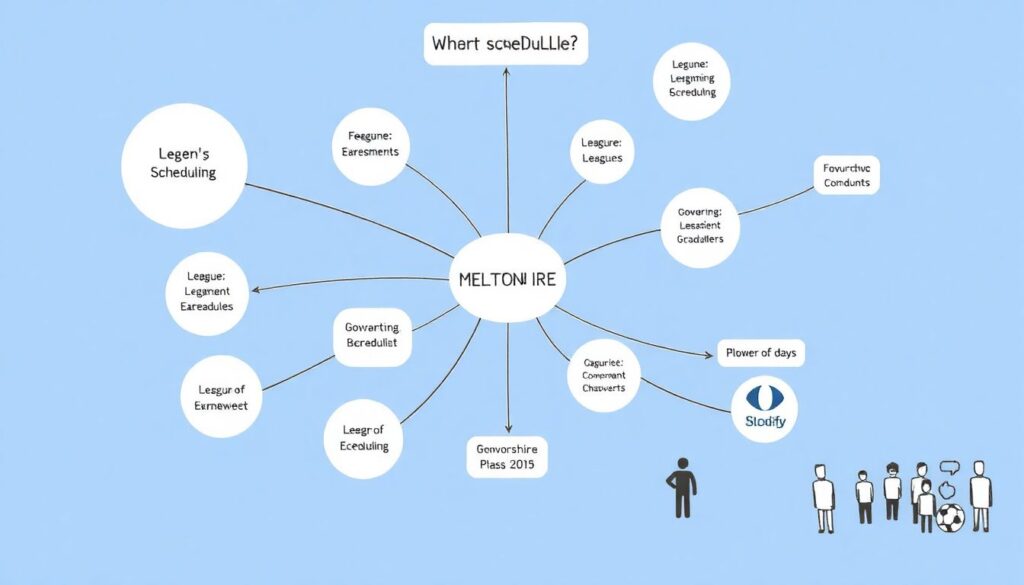
Different actors have different degrees of control over football scheduling. Understanding this power map helps clubs and fans see where pressure and dialogue can realistically change things.
Where each actor is strongest
- Leagues and federations. Own the formal competition rules, approve the official calendar and decide how many matchdays and formats (play-offs, extra tournaments) exist.
- Broadcasters. Choose which matches they buy, define preferred kick-off windows and threaten to pay less if their demands are not met.
- Streaming platforms. Focus on global reach, app engagement and flexible start times, often pushing for Friday and Monday matches or unusual kick-offs.
- Bookmakers. Indirect but real influence via sponsorships, partnerships and their importance to broadcasters who sell ads to betting companies.
- Clubs. Can negotiate small changes, lobby collectively through league associations and influence public opinion when schedules become extreme.
What limits their control in practice
- Leagues and federations. Limited by existing TV deals, international calendars and legal or political pressure regarding fan welfare and labour law.
- Broadcasters. Constrained by competition from other sports, national regulations and the risk of alienating viewers with too many fragmented slots.
- Streaming platforms. Need to coordinate with existing contracts and user churn; they cannot freely rearrange traditional derby dates without backlash.
- Bookmakers. Depend on regulatory approval and public perception; too obvious an influence on scheduling can trigger stricter gambling rules.
- Clubs and players. Bound by collective agreements, but can use unions and fan alliances to resist kick-offs that repeatedly fall at anti-social hours.
Real-world impacts: player welfare, fan access and competitive balance
When TV and betting interests dominate scheduling, predictable problems appear on and off the pitch. Several common mistakes and myths keep repeating in public debates.
- Myth: More time slots always mean more fans served. Fragmentation helps TV audiences but can damage in-stadium attendance, especially for families and long-distance supporters.
- Mistake: Ignoring recovery windows. Squeezing matches into TV-friendly slots without respecting rest periods increases injury risk and reduces match quality.
- Myth: Scheduling is neutral for sporting fairness. Teams playing late on Thursday and early on Sunday are at a real disadvantage, even if the calendar is legally fair.
- Mistake: Overloading «prime» fixtures. Placing every major game in the same late slot may maximise revenue short term but saturates fans and devalues other matches.
- Myth: Algorithms guarantee objectivity. Algorithms only optimise the goals they are given. If revenue is the main objective, fan access and player welfare become side constraints at best.
- Mistake: No feedback loop. Many leagues do not systematically measure the impact of horarios de partidos de fútbol en vivo hoy por TV on local fans, travel costs or youth attendance.
Policy, transparency and technical fixes to rebalance scheduling power
Rebalancing power in scheduling does not require abandoning TV money. It means hard-coding limits and priorities so that revenue is compatible with welfare and fairness. This can be done through policy rules, transparent data and smarter algorithms.
On the regulatory side, leagues and federations can set non-negotiable boundaries: maximum number of late-night kick-offs per team, minimum rest days, protected traditional windows and caps on moving fixtures at short notice. Governments can add labour and consumer protections around travel and working hours.
Technically, the same optimisation tools used today can be reprogrammed with different objective functions. For example, a simplified pseudo-rule for a league scheduler might look like:
maximise (TV_audience_score + streaming_score + stadium_occupancy_score)
subject to:
  rest_days >= agreed_minimum
  late_kickoffs_per_team <= season_cap
  unfair_recovery_differential <= threshold
  fan_travel_burden_index <= target_value
This kind of approach makes explicit that platforms for ver fútbol en streaming legal and broadcasters still matter, but not at the cost of systematically abusing certain fan bases or squads. It also creates a basis for public reporting: clubs and unions can see how many constraints were binding and who was affected.
As betting oversight tightens, leagues should also separate clearly between scheduling data and betting product design. Understanding cómo funcionan los algoritmos de apuestas deportivas helps regulators detect subtle manipulations of match timing designed mainly to stimulate high-risk betting behaviour.
For a quick self-check, leagues and clubs can use this practical checklist when evaluating a proposed calendar:
- Does every team enjoy the agreed minimum rest days around TV-heavy matchweeks, including long-distance away trips?
- Are late or midweek kick-offs evenly distributed across clubs, not concentrated on those with weaker commercial power?
- Can season-ticket holders reasonably attend most home games without excessive travel or late-night returns?
- Is the primary optimisation target balanced between revenue, sporting fairness and welfare, not just short-term TV money?
- Are schedule changes communicated with enough notice and clear justification, backed by transparent data rather than vague «TV requirements»?
Practical concerns fans and clubs ask about schedule control
Can clubs refuse a TV-imposed kick-off time?
Clubs can object, but broadcast contracts usually give leagues the final say. Refusal is rare and can trigger financial penalties. Collective resistance through club associations or player unions is more effective than isolated opposition.
Why do big clubs seem to get better schedules?
Matches featuring major clubs generate higher audiences, so broadcasters push to place them in the best windows and with more rest around European games. Leagues often accept this because overall rights values depend heavily on those clubs’ popularity.
Do betting companies directly choose match times?
Betting companies rarely choose specific times directly, but their needs influence broadcasters through sponsorship and advertising deals. Leagues then adapt to broadcast demands, so the betting influence is indirect but structurally present.
How can fans realistically influence scheduling?
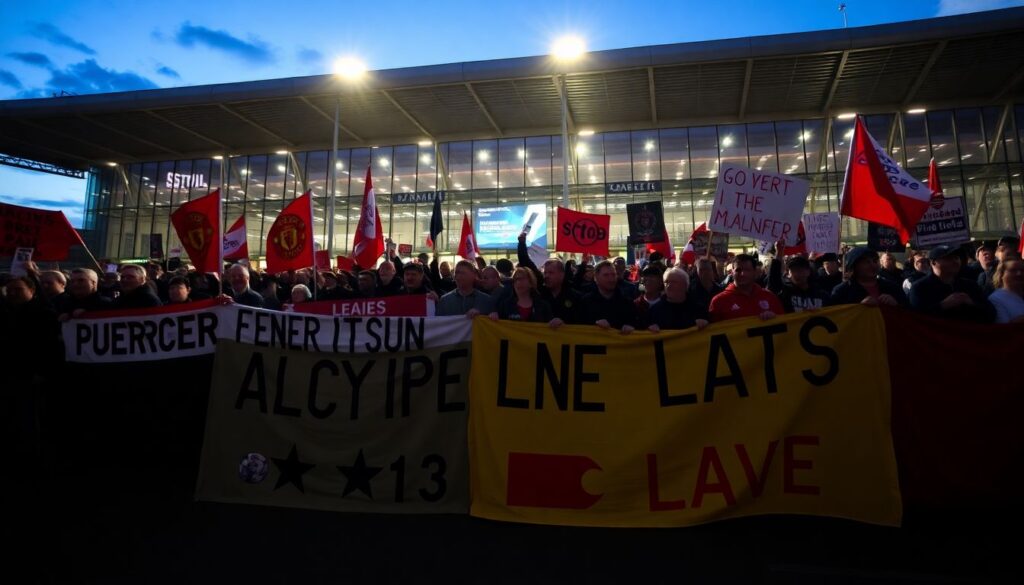
Fans gain leverage when they organise collectively, track data on travel and attendance impacts, and coordinate with player unions. Visible campaigns, boycotts of extreme kick-offs and political pressure can push leagues to change rules for future seasons.
Are streaming platforms better or worse than traditional TV for fans?
Streaming can widen access and offer flexible viewing, but it also encourages more fragmented scheduling and subscription fatigue. The impact depends on how contracts are structured and whether fan-friendly rules limit anti-social kick-offs.
Why are fixtures moved at short notice?
Short-notice changes usually happen to avoid clashes with other events, accommodate TV or streaming requests, or respond to security advice. Stronger regulations or contract clauses can force leagues to freeze times earlier in the season.
Could technology ever give fans a vote on match times?
In principle, leagues could run controlled experiments where fans choose between a few pre-filtered slots generated by the algorithm. This requires clear rules so commercial partners accept fan input without destabilising long-term contracts.