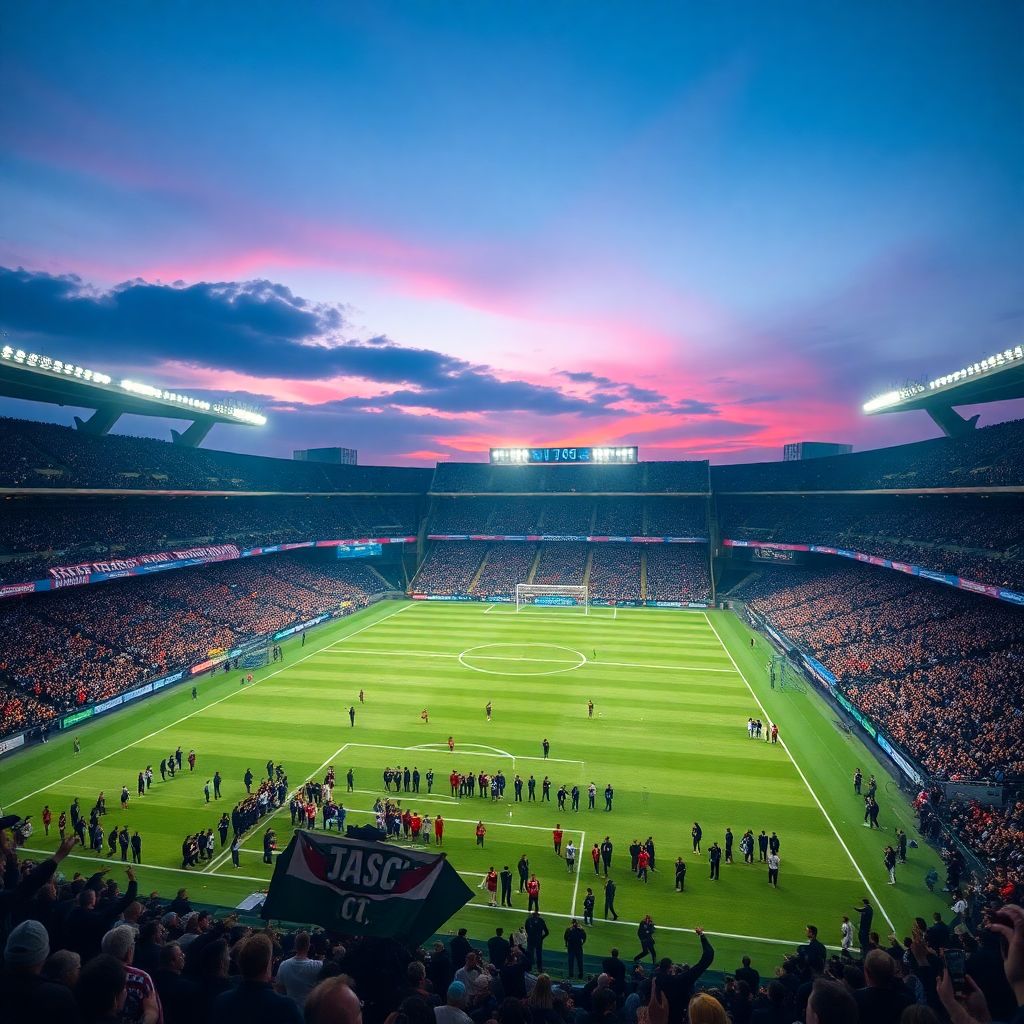
The modern football stadium functions like a contemporary temple: a designed space where collective rituals, shared liturgies and intense emotions produce community. Chants, banners, routes to the ground, seating choices and even how fans buy entradas estadio de fútbol partidos importantes follow patterned, almost religious logics that shape identity and belonging.
Essential Concepts
- The «stadium as temple» is a metaphor highlighting ritual, emotion and collective meaning, not literal religion.
- Architectural design, sound and sightlines encourage ritualised behaviours and shared liturgies.
- Fan practices before, during and after matches stabilise community identity over time.
- Commercial offers-from paquetes hospitality fútbol en estadio to VIP tours-reshape traditional rituals.
- Power, security and commercialization can both protect and erode the stadium’s sacred aura.
- Mini-scenarios help planners and clubs design experiences for different fan profiles and moments.
Debunking Myths: Origins of Stadium Worship
Calling the stadium a «modern temple» does not mean football fans confuse clubs with gods. The metaphor points to how people use football spaces to experience transcendence, continuity and community, much like traditional religious sites. Emotion, repetition and shared symbols turn one-off games into a meaningful, ongoing story.
Historically, stadiums grew from practical needs: accommodating larger crowds, improving visibility and managing safety. Over time, however, supporters layered their own rituals-songs, banners, meeting points-on top of these structures. What began as concrete and steel for mass entertainment became a place where birthdays, grief, friendships and local pride are performed collectively.
Another myth is that «true worship» only happens in the curva or ultra section. In reality, ritual intensity varies across the ground: families observing match-day routines, older socios in the same seats for decades, tourists planning which are the mejores asientos estadio para ver fútbol all participate in the wider liturgy, even if in different registers.
Finally, stadium worship is not purely spontaneous. Clubs, leagues, broadcasters and sponsors actively curate the atmosphere: pre-match music, light shows, coordinated tifos, and the way entradas estadio de fútbol partidos importantes are allocated all influence who is present, how they behave and what forms of devotion are amplified.
Architectures of Reverence: Design that Encourages Ritual
Stadium architecture silently organises how people move, see, hear and feel-shaping what kinds of rituals are possible and likely.
- Entrances and processions
Grand stairways, narrow tunnels or iconic gates structure the «pilgrimage» to the stands. Fans repeat routes over years, greeting the same vendors and neighbours, turning access flows into embodied rituals. - Seating bowls and proximity
Steep stands and short distances to the pitch increase acoustic energy and a sense of co-presence with players. Where the diseño favours proximity, songs and choreographies spread faster and feel more obligatory. - Acoustics and sound pockets
Roof shapes, gaps and materials create loud and quiet zones. A home ultras section often occupies a spot where sound rebounds, acting as a «liturgical choir» that leads chants the rest of the stadium follows. - Symbolic focal points
Club crests, historic trophies, memorials and murals channel attention. Fans may touch certain emblems on the way in, mirroring religious habits around icons and relics. - Circulation spaces and thresholds
Concourse areas, ramps and vomitories mark transitions: street to inner sanctum, everyday to extraordinary. Clubs can reinforce this with lighting, audio and imagery to underline the sense of entering a special realm. - Premium and VIP zones
Hospitality lounges, skyboxes and areas linked to paquetes hospitality fútbol en estadio create alternative ritual paths: suited hosts, plated catering, curated views. These spaces often segment the community, producing «micro-temples» with different liturgies. - Retail and memory zones
Megastores and kiosks selling camisetas y merchandising oficial de clubes de fútbol transform commemoration into consumption: buying a shirt, scarf or match scarf becomes a ritual of belonging, often scheduled into every visit.
Mini-scenario (architectural planning): A Spanish club redesigning one stand analyses how current fans arrive, where they stop, what they photograph and when they sing. The project team adjusts entrances, standing areas and roof angles to amplify songs from the home curva without drowning out family sections.
Pre-match Liturgies: Chants, Symbols, and Choreography

Pre-match periods are dense with symbolic actions that prepare bodies and emotions for the encounter on the pitch.
- Neighbourhood approach and gathering
Fans meet in the same bars or plazas, repeating routes to the stadium. For important derbies, people plan days in advance, from securing entradas estadio de fútbol partidos importantes to coordinating scarves, flags and banners among friends. - Gate rituals and checkpoints
Ticket scans, bag checks and steward greetings become predictable sequences. Season ticket holders greet the same staff; children learn where to place their scarf while their parent shows the abono, turning bureaucracy into a learned liturgy. - Collective singing and anthems
Club songs before kick-off work like hymns: people stand, raise scarves, time their voices to the stadium audio. The impact varies by seat; fans who carefully chose the mejores asientos estadio para ver fútbol often also choose areas with stronger singing culture. - Tifo and coordinated choreography
Supporters’ groups prepare mosaics, banners or card displays. Instructions spread via social media and word-of-mouth; on the day, a capo or drum leads the timing, transforming thousands of individuals into a single, choreographed body. - Team entrance and ceremonial gestures
Handshake lines, club banners in the centre circle, captains exchanging pennants and pre-kick-off photos form a predictable liturgy broadcast globally. Local twists-traditional songs, regional flags, light shows-localise this global ritual. - Mini-scenario (VIP fan journey): A corporate guest uses a tour estadio de fútbol experiencias VIP that includes a behind-the-scenes walk to the pitch edge before taking their place in a hospitality box. Their «pre-match liturgy» foregrounds exclusivity, backstage access and curated storytelling rather than street gatherings.
Ritualized Behaviors: Fan Practices, Codes, and Enforcement
Once the match starts, specific behaviours mark who is «inside» the community and who remains a mere spectator. These codes regulate noise, movement, gestures and even when it is acceptable to use a phone or leave early.
Supporters continually negotiate what is legitimate: intense chanting versus insults, coordinated jumping versus safe standing, flares versus light shows. Enforcement comes from stewards, club rules and-crucially-peer pressure, which rewards some acts (singing, displaying colours) and punishes others (mocking your own players, leaving early in a tight game).
Benefits and strengths of ritualised fan behaviour
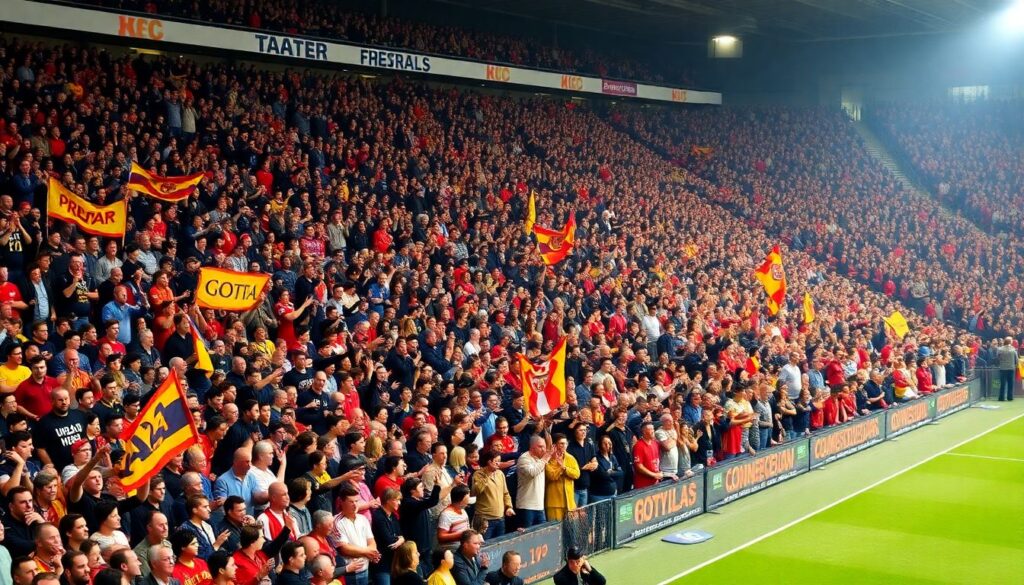
- Creates a strong sense of belonging, especially for newcomers who can quickly learn the «script».
- Transforms the stadium into a recognisable emotional home across seasons and generations.
- Amplifies home advantage through coordinated noise, visual displays and emotional pressure.
- Provides structure for grief, celebration and protest within a familiar framework.
- Offers clubs a base on which to design tailored experiences, from family sections to paquetes hospitality fútbol en estadio.
Limits, tensions and risks of over-ritualisation
- Rigid norms can exclude occasional visitors, tourists or fans who do not know local chants or unwritten rules.
- Ultra-dominated cultures may silence diverse fan expressions, including women, LGBTQ+ supporters or families.
- Commercial overlays-constant sponsor prompts, in-seat services, premium-only entrances-can fragment the shared experience.
- Security practices may suppress organic rituals (flags, drums, certain banners), weakening the sense of agency.
- Overemphasis on consumption (buying more camisetas y merchandising oficial de clubes de fútbol) risks reducing devotion to a shopping habit.
Mini-scenario (fan code in practice): A young supporter in a fondo learns when to stand, what gesture to use during corners, and why certain songs are reserved for specific rivals. Older fans correct them gently at first, then more firmly if norms are repeatedly ignored.
Community Formation: Identity, Networks, and Social Capital
The stadium-temple metaphor helps explain how football generates identity and social capital, but it can also obscure important nuances. Several persistent misunderstandings limit how clubs and planners think about community.
- Myth: community is automatic wherever crowds gather.
Regular attendance and shared colours help, but meaningful ties require interaction: conversations in the same row, mutual support in online groups, joint away trips. Mere co-presence in the stands is not enough. - Myth: local identity is homogeneous.
Even within a single stadium in Spain, fans differ by neighbourhood, class, origin and political attitudes. Assuming a single «voice of the stadium» ignores internal diversity and can marginalise quieter groups. - Myth: ultras = whole fanbase.
While vocal groups drive atmosphere, many fans relate to the club primarily through family tradition, media consumption or occasional visits combined with digital engagement. Their rituals-like unboxing new camisetas y merchandising oficial de clubes de fútbol at home-are less visible but still meaningful. - Myth: premium hospitality always weakens community.
Well-designed paquetes hospitality fútbol en estadio can incorporate club history, supporter narratives and charitable initiatives, connecting corporate guests to the wider fan culture instead of isolating them in a neutral business bubble. - Myth: online fandom is separate from stadium worship.
Fan forums, WhatsApp groups and social media choreograph offline behaviour: organising tifos, coordinating songs, sharing maps of mejores asientos estadio para ver fútbol, even exchanging entradas estadio de fútbol partidos importantes within trusted circles.
Mini-scenario (community-building decision): A club launches a «neighbourhood match-day» aimed at local residents who rarely attend. Instead of just discounted tickets, they co-create rituals: local bands pre-game, kids’ flag parades, and shared stories on the video screens featuring long-term socios.
Modern Pressures: Commercialization, Security, and Authenticity
Contemporary stadiums balance safety regulations, revenue goals and supporters’ quest for authenticity. This tension shapes how «sacred» or «plastic» the temple feels.
On the commercial side, clubs rely on multiple revenue streams: tiered tickets, club stores, rights to tour estadio de fútbol experiencias VIP, and layered paquetes hospitality fútbol en estadio. Each decision-dynamic pricing for entradas estadio de fútbol partidos importantes, exclusive entrances, or pitch-side Michelin-style dining-can either integrate with or undermine the collective liturgy.
Security introduces another layer. Pyrotechnics bans, strict bag policies, surveillance cameras and highly controlled away-fan zones may reduce risks but can also neutralise spontaneous expressions. If every banner must be pre-approved and every chant timed around broadcast schedules, fans may experience the temple as over-managed rather than sacred.
The key challenge is co-governance: involving supporter groups, disability advocates, local residents and hospitality clients in designing match-day protocols. Authenticity grows when different ritual paths-from ultras to families, from tourists to VIPs-are recognised and given coherent, respectful spaces inside the same ground.
Mini-case: balancing temple and marketplace in a La Liga stadium
1) A club plans a new stand with more hospitality boxes and a larger club store pushing camisetas y merchandising oficial de clubes de fútbol.
2) Supporters fear a «shopping mall» effect and loss of traditional singing areas.
3) The club co-designs with fan groups: one tier is kept as a safe-standing singing section; hospitality guests are invited to join pre-match tifo preparation; VIP packages include a short talk by a historian-socio instead of only sponsor messaging.
4) On match day, fans access the ground through diverse routes-street bars, fan marches, private lounges-but converge in synchronized rituals for the anthem and key chants. The stadium functions both as temple and marketplace without fully sacrificing either dimension.
Concise Clarifications
Is it accurate to call a football stadium a «modern temple»?
It is a metaphor, not a literal claim. The phrase highlights how stadiums host repeated rituals, intense emotions and shared meanings similar to religious spaces, while remaining secular, commercial and regulated environments.
How do match-day rituals differ between regular games and big derbies?
For derbies or decisive fixtures, planning starts earlier: fans chase entradas estadio de fútbol partidos importantes, coordinate tifos and extend pre-match gatherings. Security is tighter, emotions higher and choreographies more elaborate, but the underlying ritual structure stays similar.
What role do VIP and hospitality areas play in stadium rituals?
VIP zones reshape rituals around exclusivity and curated experiences. Guests might use separate entrances, enjoy gourmet food and join a tour estadio de fútbol experiencias VIP. When integrated with club history and supporter narratives, these spaces can complement rather than replace traditional fan practices.
Do premium seats always offer the best experience for atmosphere?
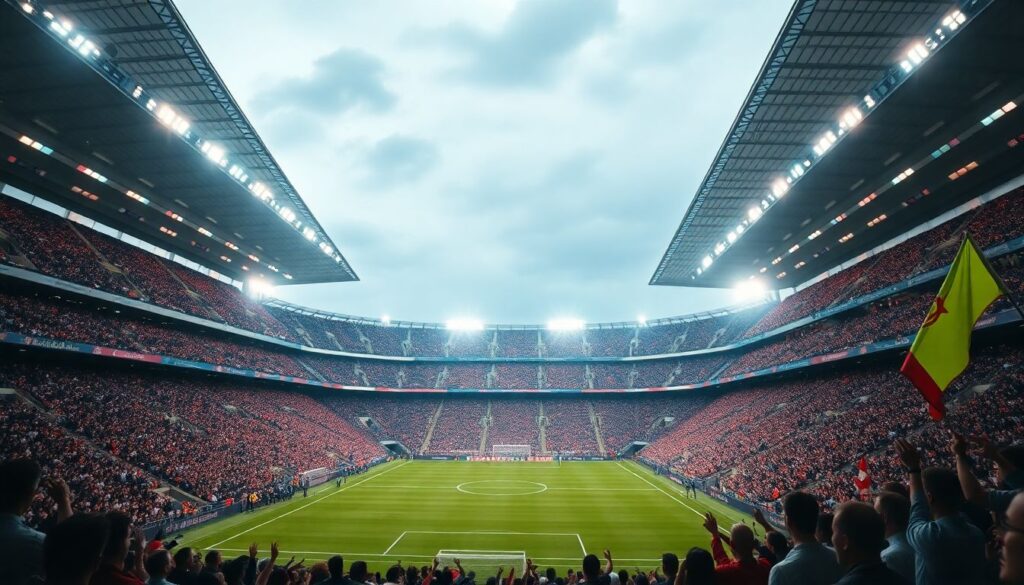
Not necessarily. The mejores asientos estadio para ver fútbol from a tactical perspective are not always the loudest or most emotional. Some fans prefer central, high seats for analysis; others favour ends or curvas where chants, flags and collective jumps are strongest.
How does merchandising relate to the idea of the stadium as temple?
Buying and wearing camisetas y merchandising oficial de clubes de fútbol is a form of embodied ritual, signalling belonging inside and outside the stadium. Over-commercialisation, however, can make devotion feel like a shopping obligation if not balanced with non-commercial expressions.
Can hospitality packages help newcomers feel part of the community?
Yes, if paquetes hospitality fútbol en estadio include storytelling about club culture, visits to fan sections and guidance on chants and norms. When hospitality is purely corporate, newcomers risk staying in a bubble, disconnected from the wider liturgy.
What practical lessons should stadium planners and club managers take?
Study existing informal rituals before redesigning spaces, co-create codes with supporter groups, and map different «ritual paths» for families, ultras, tourists and VIPs. Small design choices around sound, circulation and shared focal points can dramatically strengthen the temple-like experience.