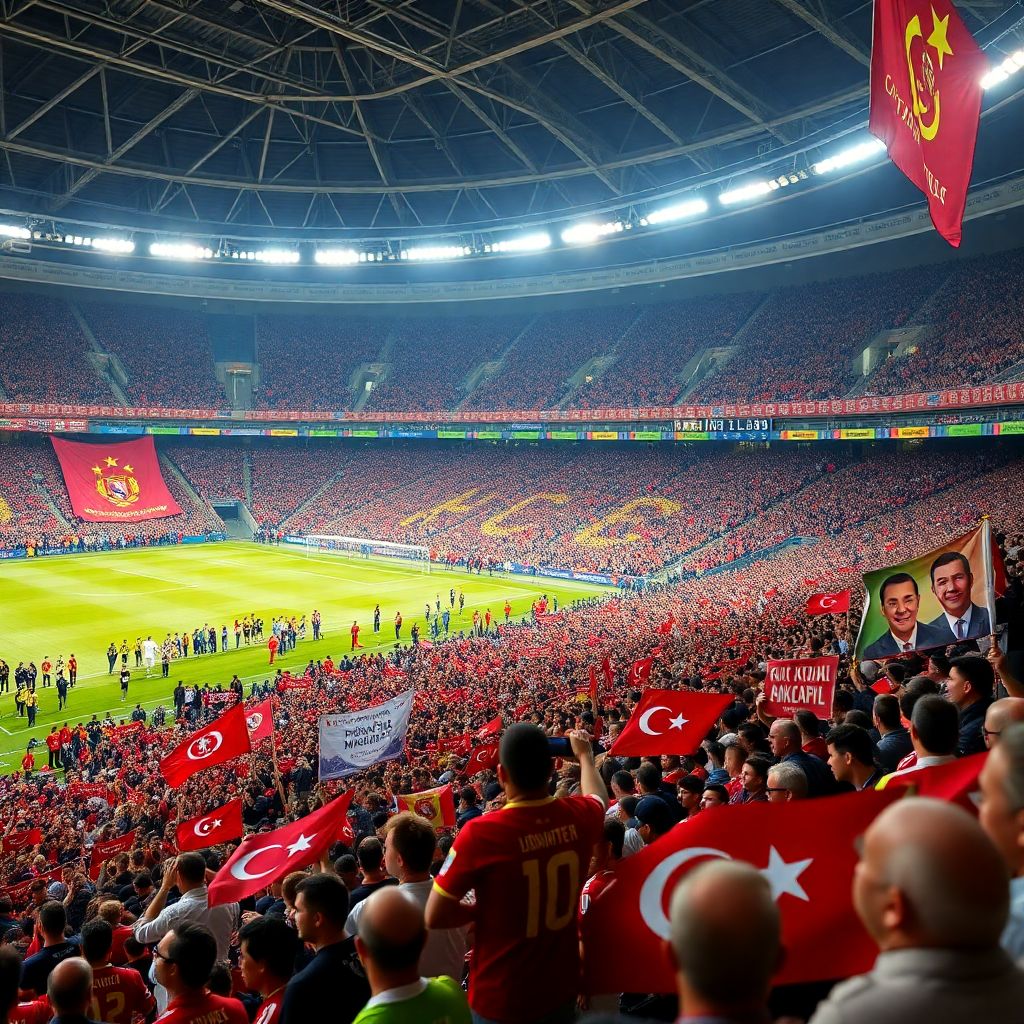
Political history of world football studies how states, parties and movements use the game for power, control and resistance. It covers dictatorships staging World Cups, propaganda in stadiums, and players as dissidents. Understanding this history helps analyse present mega-events, human-rights debates and media narratives around football beyond results and tactics.
Political turning points in global football
- Interwar Europe showed how early stadium rituals and national teams could normalise authoritarian rule.
- World Cups under dictatorships transformed football into a tool of fear, censorship and nationalism.
- Cold War tournaments turned matches into symbolic battles between political blocs.
- Televised mega-events expanded football as global propaganda and soft power.
- Players, ultras and clubs created spaces for resistance, memory and human-rights activism.
- Scandals around abuses in host countries pushed FIFA and confederations toward human-rights policies.
How football became a political tool: historical roots
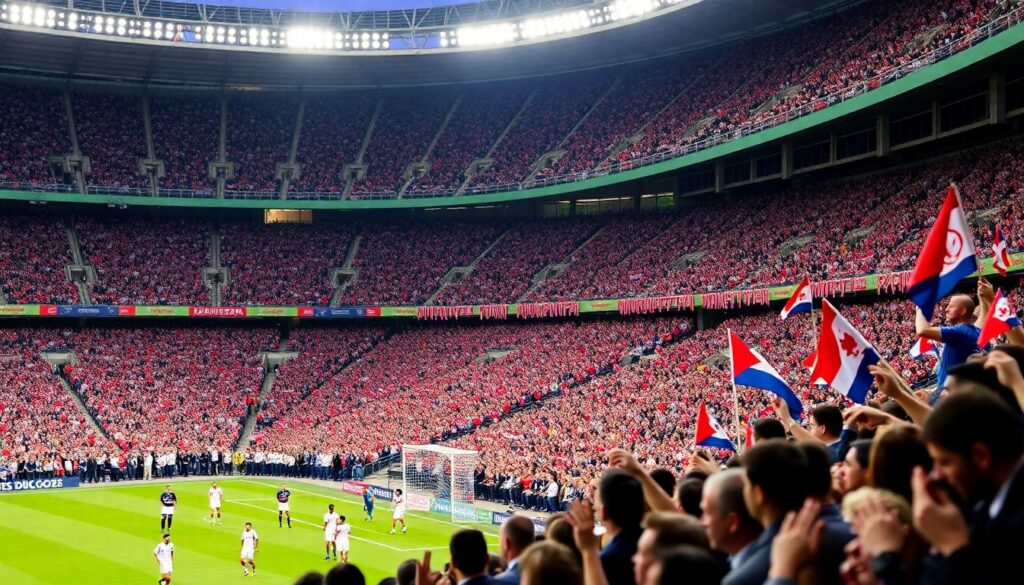
Political use of football began when governments realised that mass leisure could be organised, watched and narrated. A national team, a stadium and a flag create an emotionally charged space where authorities can promote unity, obedience or specific ideologies using rituals, speeches, media and selective memory.
Already in the early World Cups, leaders used football to present their regimes as modern, peaceful and strong. Armed forces marched before matches, heads of state greeted players, and newspapers framed victories as proof of national superiority. Over time, this evolved into subtler strategies of soft power and branding.
To study these processes systematically, many historians use case-based approaches similar to those in ensayos académicos sobre fútbol, dictaduras y resistencia. They compare regimes, look at laws around sport, and analyse visual culture and fan testimonies, often linking football to wider histories of labour, media and nationalism.
For readers searching libros sobre historia política del fútbol mundial, it is useful to keep in mind this broad definition: not only dictators and World Cups, but also trade unions, fan groups, feminist movements and anti-racist campaigns that contest power on and around the pitch.
Authoritarian regimes and the capture of the pitch
Authoritarian regimes typically «capture» football through coordinated steps that reshape institutions, symbols and narratives. The logic is simple: control the federation and major clubs, and you gain a direct channel to millions of citizens’ emotions and daily conversations.
- Institutional takeover of federations. Regimes place loyal officials in national associations, rewrite statutes, and align calendars with state holidays, turning football governance into an extension of the ruling party.
- Security and surveillance in stadiums. Police and security services use matches to monitor crowds, deter protest and sometimes infiltrate fan groups; banners and chants are restricted when they clash with official messages.
- Symbolic rebranding. Club names, crests and stadiums are changed to reflect ruling ideologies, and national-team kits or anthems are redesigned to project a desired identity at home and abroad.
- Media framing and propaganda. State-controlled media exaggerate victories, minimise defeats and turn star players into icons of loyalty; defeats can be blamed on «enemies» or internal traitors.
- Selective inclusion and exclusion. Opposition figures are barred from leadership in clubs, while compliant officials and businessmen receive privileges; some fan groups face bans, others are co-opted as regime fans.
- Repression behind the spectacle. While cameras focus on celebrations, arrests and intimidation can take place around stadiums or in rival neighbourhoods, using the event as cover.
Mini-scenarios: using this mechanics analysis in practice
- University course design. In cursos online de historia política del fútbol y derechos humanos, use these six mechanisms as a checklist for students to map how any given regime approached football.
- Club history projects. Supporters researching their team can review old statutes, crests and press clippings to see which of these mechanisms appeared during authoritarian periods.
- Human-rights advocacy. NGOs monitoring new hosts can compare contemporary security plans and media narratives to past patterns to anticipate risks and propose safeguards.
Mega-events, spectacle and state propaganda
Mega-events like World Cups, continental championships or global club finals give governments an extraordinary communication platform. The state can compress architecture, ceremonies, policing and media narratives into a single story about national pride, modernity or stability aimed both at citizens and foreign audiences.
- Image laundering and «normality». Regimes with poor human-rights records use tournaments to showcase infrastructure and hospitality, encouraging foreign media to talk about stadiums and tourism instead of prisons or censorship.
- Forced unity and depoliticisation. Ruling elites depict the event as «above politics», pressuring opposition groups to remain silent and painting dissent as unpatriotic or anti-football.
- Controlled celebrations and rallies. Victory parades and fan zones are carefully managed, often with heavy security, so that mass gatherings appear spontaneous but remain under surveillance and direction.
- Selective memory and storytelling. Official opening ceremonies and documentaries highlight heroic episodes while erasing labour abuses, police violence or displaced communities affected by stadium construction.
- Exported narratives through global media. International broadcasters reproduce local storylines, especially when access or advertising depends on cooperation with the host state, amplifying propaganda beyond national borders.
Researchers and journalists interested in documentales sobre propaganda política en el fútbol frequently focus on these mega-event strategies, contrasting glossy official films with independent footage and testimonies from workers, fans and activists.
Players, clubs and grassroots resistance movements
While states can instrumentalise football, players, clubs and fan communities can also create spaces of resistance. They use symbolic gestures, community work and alternative media to challenge official narratives, preserve memory and connect local struggles to global audiences.
Strengths of football as a space of resistance
- Visibility and audience. Popular clubs and star players have access to mass media and social networks, so small gestures can reach millions and spark debate.
- Shared identity. Club colours, chants and banners give movements recognisable symbols that travel easily across borders and generations.
- Transnational solidarity. Supporters can coordinate actions with fans abroad, turning local abuses into international issues, especially when linked to global competitions.
- Everyday presence. Matchdays, training grounds and local bars create regular meeting points where information and ideas circulate beyond official channels.
Limitations and risks of football-based resistance
- Co-optation by clubs or sponsors. Management might support causes that fit brand strategies while silencing more radical or uncomfortable demands.
- Fragmented fan bases. Political divisions among supporters can weaken campaigns or turn stadiums into arenas of internal conflict rather than unified resistance.
- Repression and sanctions. Authorities may punish activists through stadium bans, arrests or disciplinary actions from federations against players and clubs.
- Media simplification. Complex struggles are often reduced to individual heroes or isolated incidents, obscuring deeper structural issues and collective organising.
For deeper case studies, many ensayos académicos sobre fútbol, dictaduras y resistencia show how small local clubs, supporter groups and player unions kept memory of disappearances and torture alive even when official histories remained silent.
International diplomacy, Cold War rivalries and soft power
When discussing football and geopolitics, several recurring mistakes and myths tend to appear. Clarifying them helps distinguish serious historical analysis from sensationalism and conspiratorial thinking.
- Myth of total control. It is often assumed that states fully control outcomes when they host events. In reality, teams can lose, fans can protest and scandals can erupt, undermining carefully planned soft-power campaigns.
- Overreading every match as a proxy war. Cold War games and derbies between rival states did carry symbolic weight, but not every foul or refereeing decision reflected grand geopolitical strategies.
- Ignoring local agency. Analyses sometimes treat countries only as battlegrounds for superpowers, overlooking how local actors – clubs, unions, fan groups – shaped decisions and resisted pressure.
- Equating soft power with propaganda. Soft power also involves genuine attraction to culture and style of play; not all admiration of a national team is a sign of manipulation or ideological conversion.
- Forgetting economic structures. Transfers, sponsorships and broadcasting deals influence diplomatic relations; focusing only on flags and anthems can hide how money flows shape alliances and dependencies.
Good fútbol y dictaduras latinoamericanas análisis histórico often corrects these errors by linking stadium events to trade, military cooperation and human-rights debates within international organisations.
From past abuses to present safeguards: policy and practice
Historic abuses around football have pushed federations, NGOs and some governments to promote safeguards. These include human-rights bidding criteria, independent monitoring of stadium construction, and protections for players and fans who speak out. Implementation remains uneven, but the language of rights is now part of football governance.
For practitioners and students in cursos online de historia política del fútbol y derechos humanos, a simple «policy translation» exercise helps connect past to present: take one historical case of abuse and ask which modern safeguard, if applied seriously, might have limited the damage.
One practical mini-case:
Case: Stadium built with forced labour under a dictatorship.
Step 1: Map actors (state, federation, contractors, clubs, fans).
Step 2: Identify current safeguards (labour standards, audits, whistleblower rules).
Step 3: Check gaps (who monitors? who can complain?).
Step 4: Propose one realistic reform for the next tournament.
This concept-to-practice approach makes the political history of world football directly useful for journalists, activists and fans who want to assess new events, not only study the past.
Clarifying common doubts about football and political power
Is football always political, or only under dictatorships?
Football is not automatically political, but it is always available for political use. Authoritarian and democratic governments alike can try to use it, though methods and constraints differ. The key is to examine institutions, laws, media narratives and fan practices in each context.
Can mega-events bring real democratic change to a country?
Mega-events rarely transform regimes on their own. They can open windows for mobilisation, expose abuses and pressure governments, but outcomes depend on local movements, international scrutiny and post-tournament organising, not on the football event itself.
Are players responsible for everything their federation or government does?
Players operate within contracts, legal risks and social expectations. While some have used their visibility to criticise abuses, others may stay silent out of fear or lack of support. Responsibility should be analysed case by case, without turning athletes into scapegoats.
How can fans study their club’s political history without academic training?
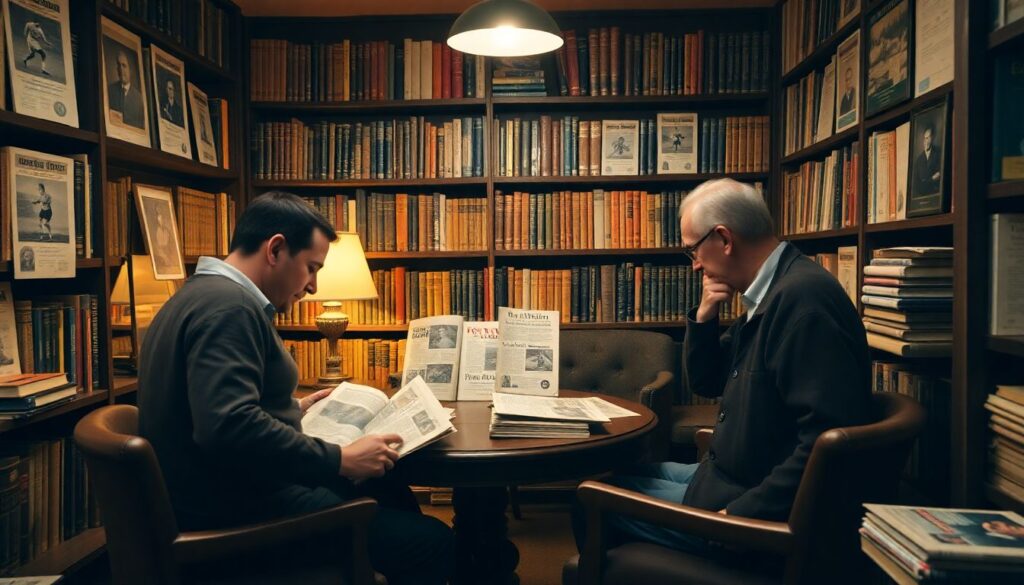
Fans can start with match programmes, old newspapers, fan-zine archives and oral histories from older supporters. Comparing these sources with broader libros sobre historia política del fútbol mundial helps situate club stories in national and global contexts.
Do documentaries about political football usually tell the full truth?
Documentaries are interpretations shaped by directors, funding and access. Those about propaganda or resistance in football can be powerful, but viewers should cross-check with independent research, especially when films rely heavily on state archives or federation sponsors.
What is a good way to begin researching football under a dictatorship?
A practical path is to combine local sources with broader studies such as fútbol y dictaduras latinoamericanas análisis histórico or other regional works. Identify key clubs, tournaments and laws, then look for testimonies from players, workers and fans affected by the regime.
How can journalists or students use political football history in current reporting?
They can draw parallels carefully, using past abuses as reference points rather than easy analogies. Historical cases help formulate concrete questions about labour, policing and propaganda when covering new tournaments or controversies.