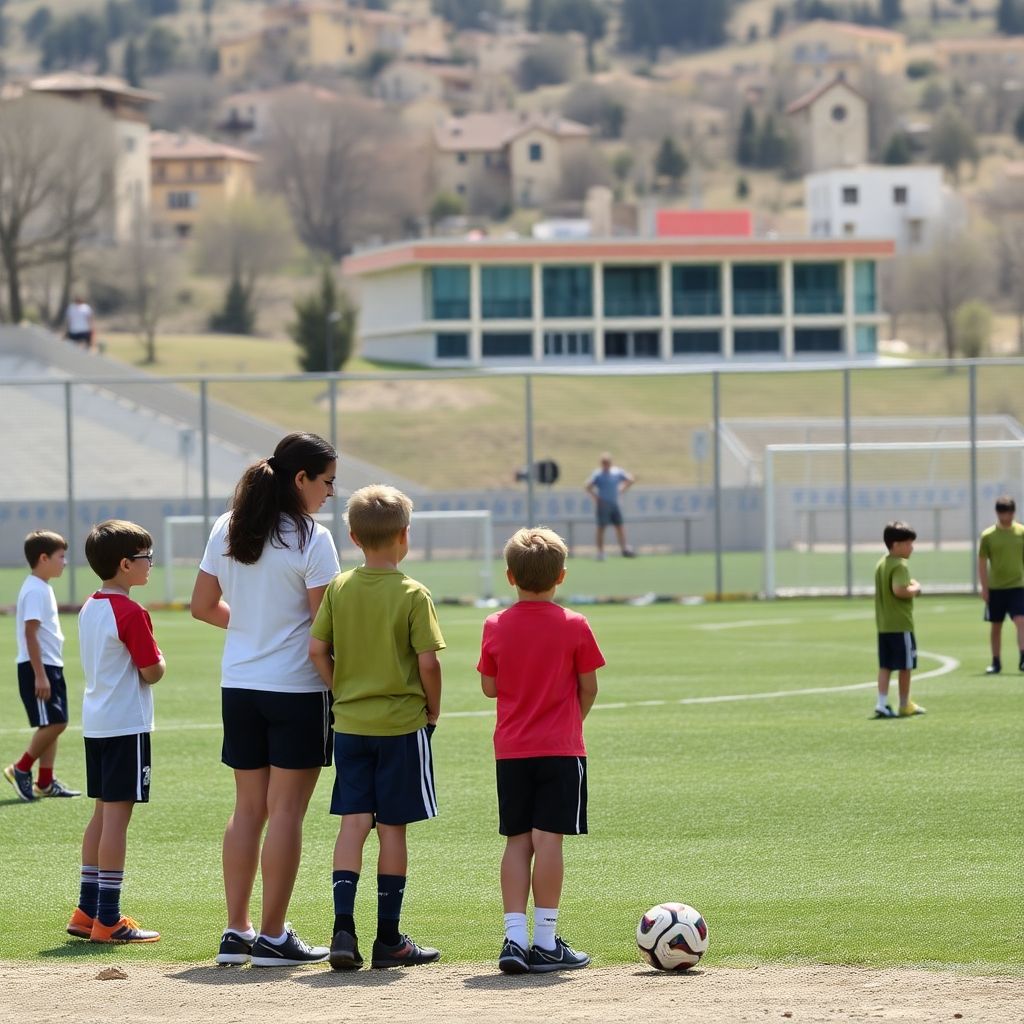
For most families and semi‑pro clubs in Spain, person‑centred grassroots or mixed models are the best balance: solid football, education and mental health at a reasonable cost. Highly asset‑driven, high‑pressure academies only make sense for a tiny percentage of players with exceptional potential, strong support and clear risk awareness.
Core contrasts: player development versus asset production
- Person‑centred models prioritise education, values and long‑term wellbeing; asset‑centred models focus on short‑term performance and potential transfer value.
- Grassroots and municipal programmes usually have a lower precio escuela de fútbol infantil but less exposure; elite academies offer visibility at much higher financial and emotional cost.
- In person‑centred settings, all players are «projects»; in asset‑driven academies, only the top prospects consistently receive individual attention.
- High‑performance residencias y academias de fútbol de alto rendimiento can accelerate development but increase burnout and schooling risks if not well managed.
- Success in holistic models is measured in life outcomes and community impact; in market‑driven systems it is measured mainly in debuts, sales and trophies.
- For tight budgets, local clubs and public initiatives are usually better than chasing brand‑name badges; scouting for good coaches matters more than famous logos.
- Mixed pathways are possible: start in community football, then selectively test professional environments once your child is physically, emotionally and academically ready.
Philosophy and objectives: holistic education versus market-driven output
The first decision is value‑based: what do you want football to be in your child’s life, and what can your family realistically support in Spain’s ecosystem of academias de fútbol base en españa?
| Focus | Typical costs, benefits and risks in Spain |
|---|---|
| Person‑centred (education and wellbeing first) |
Costs: Usually lower fees, shorter travel, fewer hidden expenses. Benefits: Stronger link with school, friends and local community; more balanced weekly schedule; less pressure and drop‑out risk. Risks: Slower exposure to top scouting networks; facilities and sports science support may be limited. |
| Asset‑centred (talent as a tradable asset) |
Costs: Higher tuition, travel and equipment; possible boarding fees and private tutoring. Benefits: Daily high‑intensity training, specialised staff, better visibility for cómo entrar en una academia de fútbol profesional and reach pro clubs. Risks: Early specialisation, injuries, academic neglect, emotional stress if the «investment» does not pay off. |
Use the following criteria checklist to decide which philosophy fits you best:
- Educational priority: If school performance and university options are non‑negotiable, favour person‑centred models or mixed programmes that formally coordinate with schools.
- Time and travel load: Calculate realistic weekly logistics. If daily long commutes to elite academies will damage family life or homework time, keep development local for now.
- Child’s personality: Highly self‑driven, emotionally robust players may cope with asset‑centred pressure; more sensitive or late‑maturing children usually thrive in holistic environments.
- Financial sustainability: Choose a model your family could maintain for several years without debt; overextending finances for a badge is rarely justified.
- Club transparency: Ask how they define success. If everything is about trophies and transfers and nothing about people, treat it as a red flag.
- Exit pathways: Check what happens to players who are released. Good systems help them transition to other clubs, studies or roles in football.
- Community and identity: Decide whether your child’s sense of belonging should be with a neighbourhood club, a school, or a professional brand.
Curriculum and pedagogy: technical, psychosocial and academic integration
Below is a practical comparison of common pathways available around the mejores canteras de fútbol para niños and across regional structures in Spain.
| Variant | Best for | Pros | Cons | When to choose |
|---|---|---|---|---|
| Local grassroots club (barrio or village) | Families with tight budgets and children starting between 6-12 years | Low precio escuela de fútbol infantil; short travel; strong social ties; flexible for school and other sports. | Variable coaching quality; limited sports science; slower exposure to pro scouts. | Choose when you want an affordable, fun introduction to football, prioritising enjoyment and basic habits over elite performance. |
| Municipal or school‑linked football programme | Players who need structured activity after school with minimal extra cost | Subsidised fees; convenient schedule; direct communication with teachers; easy to combine with studies. | Sessions may be less intense; large groups; fewer competitive matches. | Choose when academics are the focus and football is an essential but secondary tool for health and social skills. |
| Federated club academy (regional competition) | Committed players 10-16 years seeking higher level without moving city | Licensed coaches; regular competitive leagues; more structured seasonal planning. | Higher costs than pure grassroots; more travel at weekends; pressure increases. | Choose when the player stands out locally and is ready for a step up, but boarding schools or long commutes are not possible. |
| High‑performance residential academy | Teenagers with strong motivation and family support ready to live in residence | Integrated daily schedule: training, study, nutrition and recovery; intensive individual work; strong peer environment. | Expensive; living away from home; risk of academic imbalance; emotional pressure to «justify» the investment. | Choose only if the academy proves solid academic results and has clear, humane policies for players who do not go pro. |
| Professional club academy (LaLiga or similar) | Top talents already outstanding in regional competition | Best facilities and staff; direct pathway toward professional football; high‑level competition. | Highly selective; constant competition for places; early cuts; identity tied to football success. | Choose when the invitation arrives naturally through performance and scouting, not because you chased trials at all costs. |
When comparing these variants, ask specifically how they integrate:
- Technical and tactical curriculum: Is there a clear progression from fundamentals to complex game concepts by age?
- Psychological support: Are there activities on resilience, teamwork, managing mistakes and social inclusion?
- Academic monitoring: How do coaches react to falling grades? Do they adapt load or coordinate with teachers?
- Injury prevention and health: Even on a budget, basic warm‑up routines, injury education and simple screening should be standard.
- Communication with families: Regular feedback meetings help ensure you are not the last to know about problems or decisions.
Talent ID and recruitment: scouting for potential against ROI-driven selection
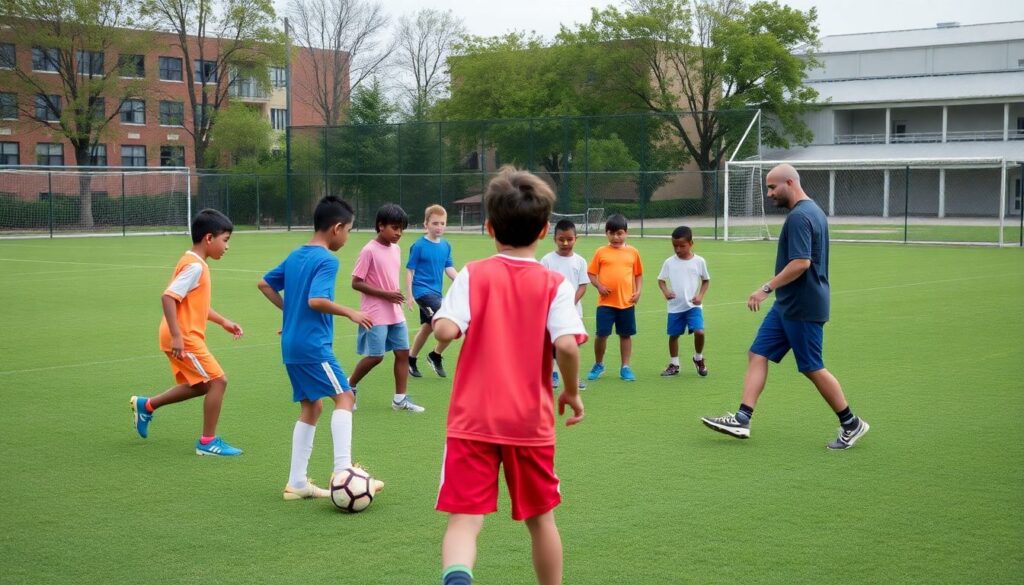
Recruitment style reveals whether a programme develops people or mainly selects assets. Use the following scenario‑based guide, with both budget and premium angles.
- If your child is average now but loves playing, choose a grassroots or municipal setting that promises equal minutes and patient coaching. Avoid trials where selection is mainly based on current physical dominance or early maturity.
- If your child is clearly above peers in local leagues, explore federated academies or the mejores canteras de fútbol para niños in your region. Favour clubs that evaluate game intelligence and attitude, not just speed and size.
- If a professional club or high‑end residence invites your child, ask how many players per year move to higher squads and what happens to those who are cut. In premium, ROI‑driven systems, ensure they still commit to academic and psychological support.
- If the offer requires immediate, high payment to «guarantee visibility», be sceptical. Many budget‑driven families are pressured into expensive «showcase» events with little real scouting impact.
- If your budget is limited but the potential is high, prioritise well‑run federated clubs close to home, and selectively attend free or low‑cost talent ID days instead of multiple paid camps.
- If you are specifically targeting cómo entrar en una academia de fútbol profesional, build a CV through consistent match performance in regional competition, then use targeted trials recommended by coaches or regional federations, not mass open‑trial businesses.
Training regimes and workload: individualized progression versus standardized throughput
Use this quick checklist to choose an appropriate training load without overpaying or risking burnout.
- Count total weekly hours: Add all football (club, school, private sessions) plus travel. For most school‑age players, if football plus travel leaves no time for homework and sleep, the model is unsustainable.
- Check individualisation: Ask how the coach adapts tasks for late maturers, goalkeepers or returning‑from‑injury players. Person‑centred setups adjust; asset‑centred ones often do not.
- Monitor enjoyment: If the child regularly dreads training, consider reducing level or frequency, regardless of how prestigious or expensive the academy is.
- Assess multi‑sport options: Especially under 12, favour programmes that tolerate or encourage other sports; this reduces overuse injuries at no extra cost.
- Look at coach‑to‑player ratios: Very large groups with one coach give little individual feedback; sometimes a cheaper but smaller local group beats a big brand academy.
- Plan recovery and exams: Check if training is adjusted in exam periods or after tournaments. Programmes that ignore this are more asset‑driven than educational.
- Review match vs training balance: Too many games and too little practice is common in lower levels; extremely high training volumes with few games can happen in elite centres. Seek a middle ground aligned with age.
Financing models and sustainability: grassroots, low-cost pathways versus commercial academies
Money shapes philosophy. Avoid these frequent mistakes when deciding how to pay for development.
- Equating price with quality: A higher precio escuela de fútbol infantil does not automatically mean better coaching. Observe sessions, talk to parents and players before committing.
- Ignoring hidden costs: Include transport, kit, tournament trips and medical checks in your calculation. Some «low‑fee» models become expensive once extras appear.
- Paying for status, not service: Big‑name residencias y academias de fútbol de alto rendimiento can be excellent, but some sell lifestyle and brand more than real development.
- Underestimating academic support costs: If the schedule limits school time, you may end up paying for tutors. Ask how previous players handled studies.
- Not reading contracts: Clarify refund rules, injury policies and what happens if your child is released mid‑season, especially in private or semi‑professional setups.
- Over‑centralising spending: Many families invest all budget into fees and travel and nothing into nutrition, eye tests or simple home equipment (ball, wall, cones) that give big returns for little money.
- Skipping community options: Some municipalities and federations in Spain subsidise academias de fútbol base en españa with reduced costs for low‑income families. Ask at your local town hall or regional federation.
- Assuming scholarships guarantee balance: Even with a scholarship in elite academies, check that the environment is healthy. «Free» does not always mean «good fit».
- Chasing multiple camps and showcases: A quiet season of stable team football is usually more valuable than many short, expensive events promising quick routes to pro clubs.
Measuring success: life outcomes, community impact and player welfare versus transfer metrics
Person‑centred, community and mixed academies are usually best for children who need balance, affordable costs and a broad education, even if they are talented. Highly selective, asset‑centred structures suit only those with exceptional ability, resilience and informed families ready to accept high risk that the professional dream will not materialise.
Practitioner questions answered: concise, evidence-based responses
Is it worth moving my child to a professional academy very early?
Only if the offer comes naturally, the child is clearly thriving competitively, and the academy proves strong educational and welfare support. For most under‑12s, staying local with good coaching and school balance is a safer and cheaper option.
How can I evaluate coaching quality in a grassroots or municipal club?
Watch at least one full session and one match. Look for organised exercises, lots of ball contact, positive communication, and all players being involved. Chaos, constant shouting and long lines of children waiting are warning signs.
What is a sensible budget approach for youth football in Spain?
Start with the lowest sustainable cost that offers safe facilities and qualified coaches. Only increase spending (travel, private sessions, elite academies) when the player’s commitment and performance clearly justify the step and family finances comfortably allow it.
Do high-performance residences damage school performance?
They can, but not always. Ask for data on recent graduates: exam results, completed studies and non‑football careers. A serious academy will proudly show how many former players succeed in life beyond football.
How often should children train if they also play matches on weekends?
For most school‑age players, several moderate, well‑planned sessions per week plus one or two matches are enough. If fatigue, injuries or falling grades appear, first reduce intensity or frequency before blaming motivation.
What if my child wants a professional career but we cannot afford private academies?
Focus on federated clubs with good coaches, consistent performance in regional leagues, and occasional low‑cost trials or federation programmes. Many professionals have come through modest environments combined with strong home support.
How do I know if pressure is too high for my child?
Warning signs include sleep problems, constant worry about mistakes, loss of enjoyment and fear of coaches or parents. If this happens, review the environment and your own expectations, and consider stepping back to a more supportive level.