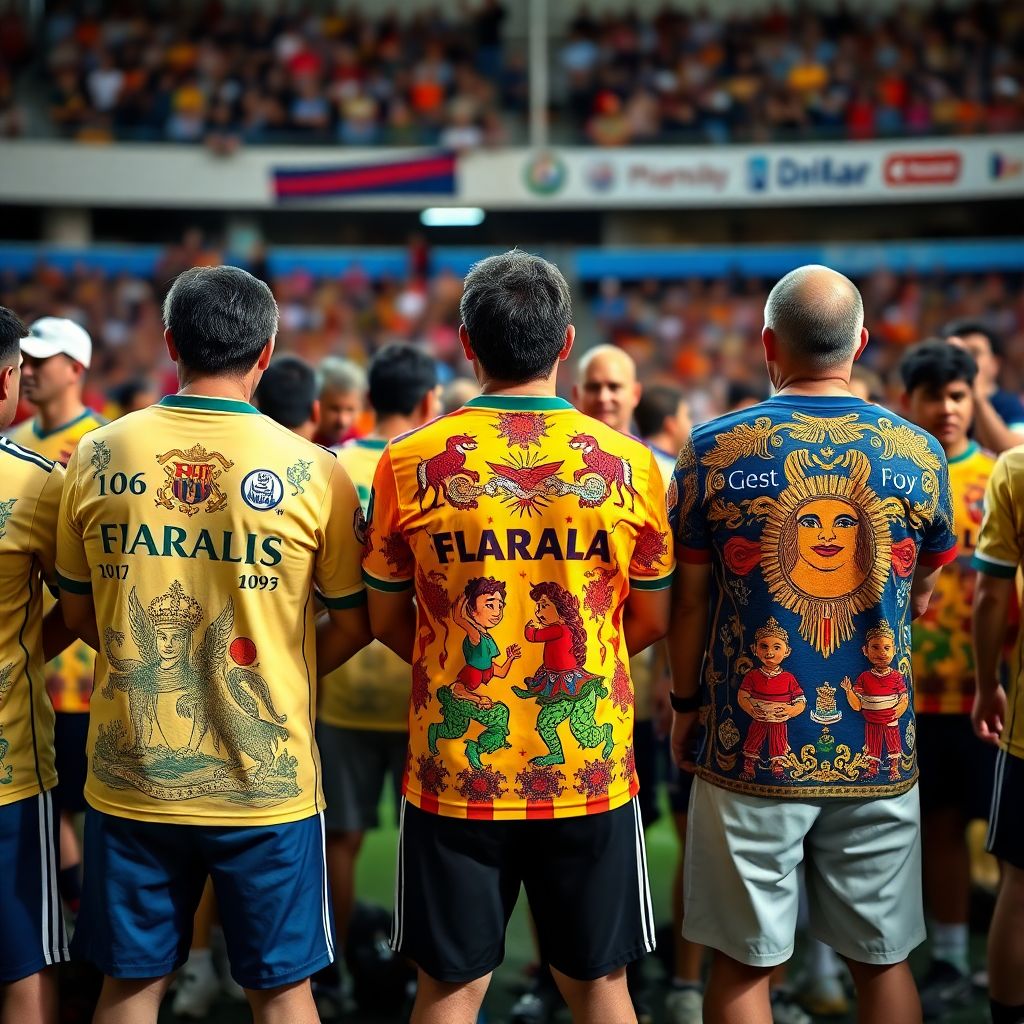
Football globalization means you can wear almost any club shirt anywhere, yet local identity in kits is fading. The same brands, templates and sponsors repeat across leagues. To protect local character, clubs and fans must push for designs rooted in community symbols, colors, stories and fair production choices.
Core concepts: how jerseys became global symbols
- Modern kits are products of global supply chains, dominated by a few multinational brands and factories.
- Standardized templates make production cheaper but erase regional design quirks and local tailoring traditions.
- Commercial pressures (sponsors, TV, merchandising) push clubs toward globally «sellable» looks.
- Player migration and global fandom reward recognisable brand styles over unique local aesthetics.
- Online retail (from a tienda online de camisetas de fútbol personalizadas to resellers) turns any jersey into a world-travelling object.
- Fans can still reclaim identity through retro designs, local collaborations and demanding fair, transparent production.
Global supply chains and the rise of standardized kits
Global supply chains in football shirts link design studios in Europe or the US, fabric suppliers in Asia and shipping networks that reach fans worldwide. A few big brands control most elite clubs, setting common templates that must work for dozens of teams across countries and competitions.
This system makes it easy to find camisetas de fútbol originales envío internacional for almost any major club. The same factory might produce kits for sides in Spain, Japan and Africa, differing mainly in colors, crest and sponsor. Local textile industries and small workshops that used to produce kits for modest clubs become marginal.
Standardization reduces costs and risk for brands but also reduces space for local storytelling in design. Where a club might once have chosen stripes inspired by a local flag or a neighborhood, now it often chooses from a catalog of pre-approved patterns that fit brand guidelines and TV visibility requirements.
A practical example is a small team in a Spanish provincial league that signs a deal with a global supplier: they gain professional-quality fabrics and online exposure, but their traditional sash or unusual color combination disappears because it does not fit the current template cycle.
| Actor | Main interest | Typical impact on local identity |
|---|---|---|
| Global sports brands | Efficient production, strong visual brand | Promote templates and consistency, often diluting local quirks |
| Clubs | Revenue, performance, fan loyalty | Balance between tradition and commercial demands from sponsors and brands |
| Sponsors | Visibility and association with success | Push for clean space for logos, can override subtle local design elements |
| Manufacturers/factories | Large, predictable orders | Favour mass templates, little incentive to produce niche local styles |
| Fans and local communities | Identity, memory, belonging | Defend traditions, buy retro or custom designs, pressure clubs to respect heritage |
Commercialization: sponsors, merchandising and brand homogenization
Commercialization transforms jerseys into moving advertising spaces and core products in a global entertainment industry. Identity remains important but is often treated as a marketing tool rather than a community value. To understand why shirts look similar everywhere, follow the money that flows around the crest.
- Shirt sponsors shape visibility: Companies pay to place their logo front and center, influencing colors, contrast and even pattern simplicity so that their brand is instantly recognisable on TV and social media.
- Kit supplier contracts reward template use: Global brands push clubs into shared template cycles because designing, testing and producing unique cuts and graphics for each team is expensive and slow.
- Merchandising priorities: Clubs push designs that will sell not only to locals but to tourists and online buyers. Safer, cleaner looks are believed to be easier to sell worldwide than designs full of specific local references.
- Seasonal refresh logic: New shirts each year keep revenue high. This «permanent novelty» logic encourages experimentation with fashion trends over long-term local symbols.
- Special drops and limited editions: Camisetas de fútbol edición especial coleccionista are designed to create hype and scarcity. Some celebrate local culture, but many repeat generic luxury or streetwear aesthetics that could belong to any club.
- Retail and licensing networks: From large chains to a tienda online de camisetas de fútbol personalizadas, retail partners prefer clear, strong designs that can be sold quickly without needing to explain local stories.
A concrete example is a mid-table La Liga club that replaces its traditional broad stripes with a thin-striped template shared with clubs in other countries. The decision follows advice from a sponsor and supplier who want a lighter background for logos and easier replication across markets.
Player migration and the dilution of local club aesthetics
Player migration connects leagues across continents. Star signings arrive with global fanbases, social media followings and sponsor deals, which can overshadow local narratives. Kits often adapt to these new audiences, softening local references in favor of a more cosmopolitan look.
One scenario is a South American veteran joining a Spanish club with strong local colors and patterns. To market the player’s shirt globally, the club launches an alternate kit in more neutral, globally fashionable colors, used heavily in marketing, while the traditional home shirt appears less in international campaigns.
Another scenario: a Japanese player joins a small European team. To boost shirt sales in Japan, the club simplifies the crest and introduces a cleaner design that fits better with the image expected in that market. The local community feels proud of the signing but notices their historical details disappear from the most promoted jersey.
For grassroots and semi-professional clubs, migration means relying on templates that are already associated with famous teams. New arrivals recognise the style, fans see it on TV, and nobody questions why the shirt looks like many others: what is lost is the chance to build a visual language specific to the town or neighborhood.
Player agents and sponsors sometimes request that a new star appears in a kit that highlights their personal brand colors or that matches planned boot and glove collections. In subtle ways, the player’s commercial identity can override the club’s historical visual identity on key occasions.
Everyday purchasing scenarios in Spain and beyond
Consider a fan in Madrid who wants to comprar camisetas de fútbol retro de clubes locales: they often search online marketplaces instead of official club stores because new kits ignore traditional designs. Another example is a supporter in Latin America using a global site to ask dónde comprar camisetas de fútbol de equipos locales auténticas from Spain; they frequently find modern, standardized versions rather than shirts that reflect the club’s roots.
Fan culture: tensions between global fandom and local traditions
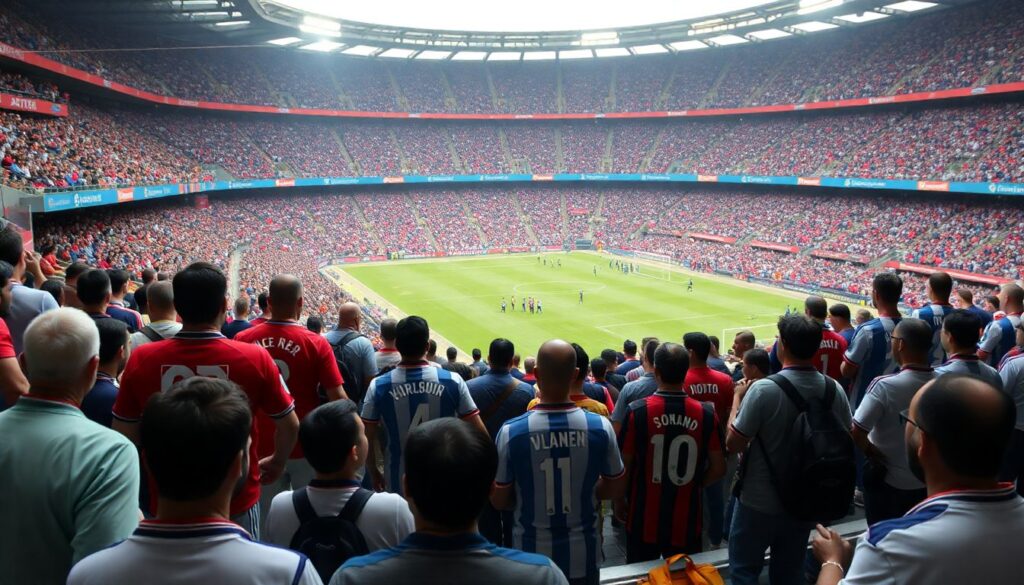
Global fandom brings visibility and revenue to clubs but puts pressure on local ways of living football. Shirts sit at the center of this tension, functioning as souvenirs for tourists, collectibles for international fans and markers of belonging for locals who attend every match.
Advantages of global jersey culture
- Clubs earn more money from shirt sales, allowing investment in academies, facilities and women’s teams.
- Fans abroad can follow and support clubs they love, easily finding camisetas de fútbol originales envío internacional that previously were impossible to buy.
- Heritage elements can be exported: a Basque or Andalusian pattern on a kit can spark curiosity about local culture among fans in Asia or North America.
- Collaborations with artists, designers and NGOs can create special kits that combine global attention with local causes.
Limitations and risks for local identity
- Local fans may feel that kits are designed for TV audiences and foreign buyers, not the people in the stadium.
- Ticket and shirt prices can rise when clubs chase international revenue, excluding working-class supporters who built the club’s identity.
- Traditional colors, stripes or sashes can be abandoned for fashion trends, breaking visual continuity across generations.
- Fake or unlicensed shirts flood markets, especially outside Europe, spreading low-quality versions of the crest detached from club projects or community work.
- Fans who care about ethical production may struggle to verify where and how their shirts are made, especially when buying from resellers rather than official channels.
Case studies: Argentina, Japan and West African jersey economies
Football jersey economies in Argentina, Japan and West Africa show different ways globalization can erode or support local identity. Each region combines local creativity with imported brands, fan expectations and informal markets, producing distinctive dynamics around shirts.
- Argentina: tradition vs export markets – Clubs with strong historical colors and patterns (halves, sashes, distinctive stripes) use them as non-negotiable symbols. Yet third kits and international marketing campaigns often feature neutral designs aimed at foreign buyers, creating a gap between what locals wear in the stands and what appears in global ads.
- Japan: precision branding and fan discipline – J-League clubs carefully manage visual identity, but some adopt European-style templates to appeal to global fans and sponsors. Limited «festival» shirts, designed for local events, may be worn only once, turning potential community symbols into short-lived collector’s items rather than long-term identity markers.
- West Africa: informal markets and creative remixes – In many cities, unofficial markets sell adapted versions of European and local club shirts. Sellers mix colors and patterns, creating hybrid designs that speak to local taste more than to official club style. Identity survives, but clubs capture little revenue, and there is minimal control over labor conditions.
- Shared myth 1 – «Global brand equals lost identity» – In practice, some clubs negotiate strong protection of colors and crests inside global contracts; others surrender too much. The brand itself is less decisive than the quality of the agreement and the pressure fans apply.
- Shared myth 2 – «Retro always means authentic» – Retro releases sometimes rewrite history, exaggerating or inventing past designs to sell nostalgia. Without clear communication, fans may celebrate «heritage» elements that never actually belonged to the club.
Policy and practice: reclaiming local identity in kit design
Reclaiming local identity does not require rejecting globalization; it requires clear rules and consistent practices from clubs, brands and fans. The objective is to ensure that every new kit says something real about the place and people behind the crest, while still working in a global market.
Clubs can define non-negotiable identity elements (core colors, crest placement, key symbols) before signing contracts. They can reserve one kit line for deep local collaboration, for example co-designing with neighborhood artists or supporter groups. Fans can support these efforts by prioritising such designs when choosing where to comprar camisetas de fútbol retro de clubes locales or modern shirts.
A practical micro-case: a regional Spanish club negotiates with its supplier to keep its historical sash on the home shirt, while using away and third kits for bolder experiments. It partners with a local designer to create a limited-run shirt sold through a small tienda online de camisetas de fútbol personalizadas linked from the club’s site, ensuring that part of the income funds youth teams.
Supporters who care about authenticity can also reduce identity loss by asking clear questions before buying: whether they are searching dónde comprar camisetas de fútbol de equipos locales auténticas or browsing camisetas de fútbol edición especial coleccionista, they can look for transparency about design decisions, local symbols used and production conditions, not just price and rarity.
Practical questions about preserving local identity
How can a small club in Spain protect its traditional colors and patterns?
Write them into club statutes or internal regulations, then include them as non-negotiable clauses in kit supplier contracts. Communicate these rules openly so fans know what to defend when new designs are presented.
What can individual fans do when they dislike a new globalized kit?
Express criticism respectfully but visibly: contact the club, use supporter associations, and focus on clear requests (restoring stripes, crest position, local symbols). Support retro reissues or community-designed shirts instead of simply skipping purchases.
Is it better to buy official shirts or cheaper unofficial versions?
Official shirts usually return money to the club and sometimes to community projects, but they can be expensive. Unofficial shirts may be cheaper but rarely support the club or guarantee ethical production. Decide based on your priorities: club support, ethics, price and design fidelity.
How do retro shirts help keep local identity alive?
Retro shirts reconnect younger fans with past designs, colors and sponsors that shaped club memory. When done honestly, they educate supporters about history and provide a concrete alternative to generic modern templates.
Can special-edition collector shirts strengthen local identity?
Yes, if they are rooted in real local stories, charities or anniversaries, and not just random luxury designs. The problem appears when clubs launch many limited editions that feel disconnected from place and are aimed mainly at resellers.
What should I check before buying a shirt from an online store?
Verify whether the store is official or licensed, check for clear information on materials and sizing, and look for signs that the design respects club history. When possible, prioritise sellers that explain how revenue supports the club or local initiatives.
How can diaspora fans support local identity from abroad?
Follow local supporter groups online, buy from official club channels when possible, and share the stories behind shirts with friends. When you wear a kit abroad, explain its local symbols and history so the shirt becomes a conversation about place, not just a brand.