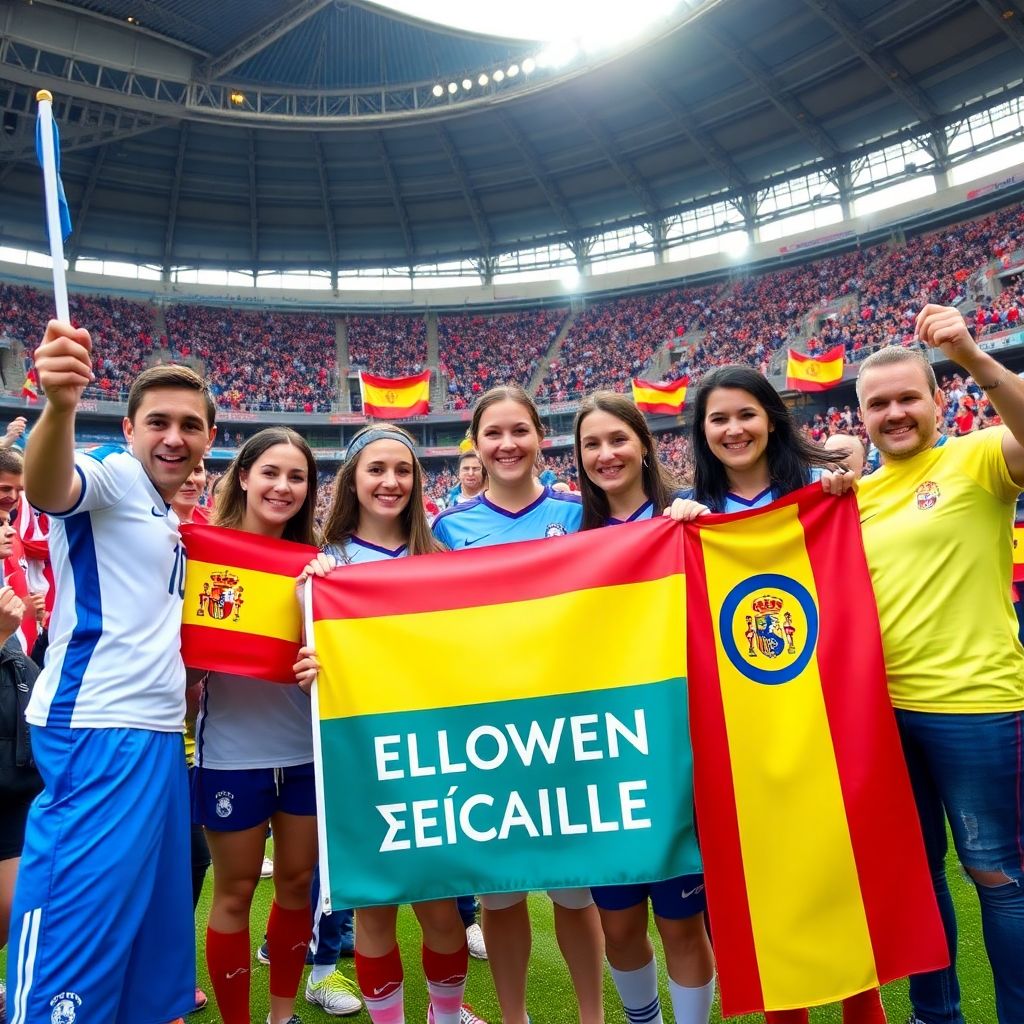
Women’s football in Spain is a long-term project of visibility, equality and cultural change that mixes legal reforms, professional leagues, media strategies and grassroots work. The most sustainable approach combines three fronts: institutional pressure, commercial innovation and community engagement, balancing ease of implementation against political resistance, economic risk and backlash from conservative fan segments.
Core Premises: Why Women’s Football Deserves Strategic Focus
- Women’s football is an independent economic, social and cultural asset, not a side-product of men’s football.
- Visibility and equality require coordinated work: regulation, media, grassroots and commercial innovation.
- Short-term visibility campaigns are easy to launch but fragile without legal and financial backing.
- Professionalisation reduces inequality but can create new gaps between elite and grassroots if poorly designed.
- Changing fan culture is slower than changing laws, yet crucial to make reforms stick.
- In Spain, aligning the professional league, regional federations and clubs is the key governance challenge.
Historical Trajectory: From Suppression to Competitive Growth
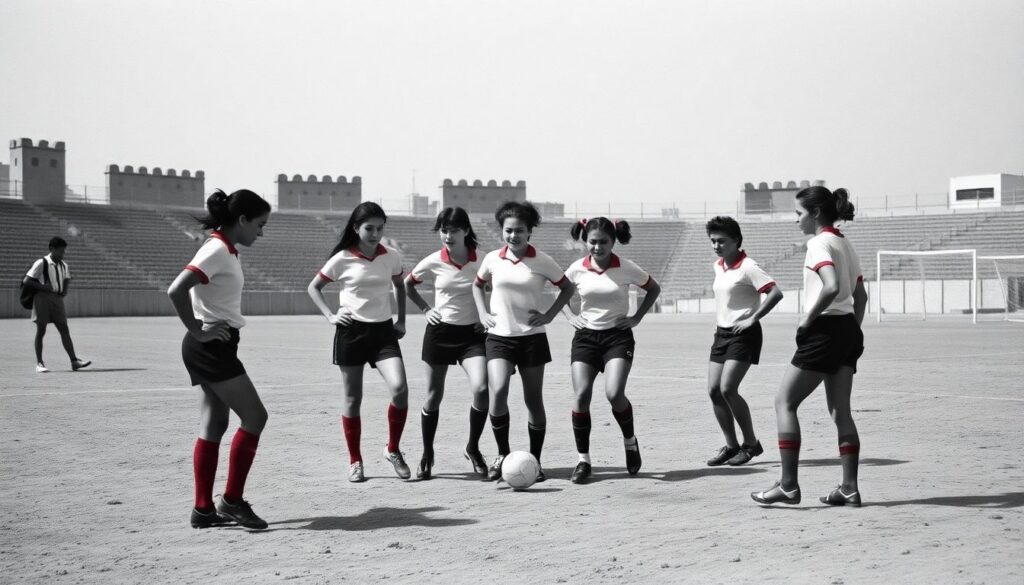
Women’s football in Spain evolved from informal, often banned activity to a recognised professional sport, with the current top division legally defined as professional. Historically, federations either ignored or directly limited women’s access to pitches, licences and competitions, so early teams survived thanks to local organisers rather than institutional support.
Understanding this trajectory matters because it explains today’s gaps in budgets, media attention and infrastructure. When fans compare the visibility of the men’s La Liga with the women’s liga profesional fútbol femenino España horarios y precios, they often forget that the latter is building in a few years what took decades on the men’s side, but with fewer resources.
In practice, three phases are visible: tolerance (women allowed to play but marginalised), integration (women’s sections inside traditional clubs) and professionalisation (collective agreements, TV contracts, centralised marketing). Each phase opens new opportunities but also new conflicts, such as disputes over who controls TV rights or how revenue is shared between league, federation and clubs.
A concrete example in Spain is the shift from scattered kick-off times with little promotion to coordinated matchdays where fans can actually plan fútbol femenino entradas partidos for a full weekend, mirroring men’s football scheduling logic but adapted to different audiences, such as families and girls’ teams.
Institutional Barriers: Federation Policies, Funding Gaps and Legal Frameworks
Institutional barriers explain why progress is uneven and why some strategies are easier to implement yet carry hidden risks.
- Fragmented governance. National federations, professional leagues, players’ unions and clubs often compete for control of women’s competitions. Short term, creating a new league structure is administratively simple, but the risk is legal disputes over authority, which can delay calendars and confuse fans checking liga profesional fútbol femenino España horarios y precios.
- Unequal resource allocation. Even when women’s football is legally recognised, training facilities, medical staff and travel budgets remain weaker. Redirecting some federation funds towards women’s teams is technically easy but politically sensitive, as it may be framed as a loss for men’s lower divisions or futsal.
- Regulatory gaps in contracts. Without clear labour regulations, players face unstable salaries, maternity issues and unsafe working conditions. Passing minimum standards and collective agreements is a high-impact step, but federations and clubs fear cost increases, so negotiations can be lengthy and conflictual.
- Licensing and competition criteria. Strict licensing (stadium size, academy structure) can raise quality but may exclude smaller historic women’s clubs. Lenient criteria are easier to adopt yet risk poorly organised competitions that discourage fans and sponsors.
- School and university integration. Coordination between education authorities and federations to recognise women’s football as a priority sport can expand participation quickly. The obstacle is bureaucratic: different ministries, regions and school networks must align timetables and funding.
- Weak enforcement mechanisms. Even where equality clauses exist, federations may not monitor or sanction non-compliance. Introducing audits and sanctions is straightforward on paper but politically risky, as it exposes powerful clubs and regional bodies.
Media Dynamics: Coverage Patterns, Story Framing and Visibility Metrics
Media strategies are comparatively easy to launch, but their long-term impact depends on how they frame women’s football and how they complement deeper structural reforms.
- Free-to-air broadcasting. Putting key matches on public or open TV boosts short-term visibility with minimal cost to fans. The risk is locking women’s football into low-value deals that later limit negotiation power. For example, streaming a cup final on an open platform can generate huge interest, but if contracts undersell rights, future revenues suffer.
- Story framing around merit, not sacrifice. Media often highlight players’ personal struggles instead of sporting excellence. It is easy to promote inspirational stories, yet overuse reinforces the idea that women’s football is a social project rather than high-performance sport. Balanced coverage should celebrate tactical innovation and rivalries, not only adversity.
- Integrated club content. Clubs can embed women’s teams in all social channels, behind-the-scenes videos and merchandising stories. This is low-cost and simple to execute, but if men’s team narratives always dominate, women’s content becomes tokenistic, reducing credibility among serious fans.
- Targeted promotion to families and girls. Campaigns that invite school teams or equipos fútbol femenino academias y escuelas para niñas to matches are easy wins: they fill stands, create atmosphere and convert young spectators into regular fans. The risk is over-reliance on this segment while neglecting adult ultras, peñas and mixed-gender fan cultures.
- Data-driven scheduling and cross-promotion. Adjusting kick-off times to avoid clashes with big men’s games, while bundling tickets and TV promos, is operationally simple and fan-friendly. However, constantly moving women’s matches to «secondary» windows reinforces the message that they are less important.
Economic Ecosystem: Salaries, Sponsorships and Commercial Sustainability
Economic models for women’s football vary in ease of implementation and exposure to financial risk. Below, three typical approaches used in Spain and Europe are compared by operational difficulty and main dangers.
| Strategic approach | Ease of implementation | Core advantages | Key risks |
|---|---|---|---|
| Cost-control model (slow growth) | Relatively easy: tight salary caps, shared staff with men’s section | Limits financial losses; acceptable for cautious clubs; compatible with modest patrocinios y marketing deportivo en fútbol femenino | Underinvestment in talent; players migrate to more ambitious leagues; perception that club is not serious about equality |
| Aggressive investment (flagship strategy) | Complex: requires board buy-in, long-term budgeting and dedicated commercial team | Rapid performance improvement; strong brand differentiation; drives sales like camisetas oficiales fútbol femenino comprar worldwide | High financial exposure; if results or audiences stagnate, critics label women’s project a failure and push for cuts |
| Partnership-driven model | Medium: negotiation with multiple sponsors, media and municipalities | Spreads risk; aligns women’s team with social responsibility and local development goals | Dependence on political cycles; fragmentation of brand; complex reporting requirements for sponsors |
From the players’ perspective, salaries and working conditions improve fastest under aggressive investment, but this is also where instability hits hardest if a sponsor withdraws or a TV deal fails. Cost-control models are easier to justify to conservative boards, yet they can normalise semi-professional standards and delay true equality.
Sponsorship design is a critical lever. Structuring patrocinios y marketing deportivo en fútbol femenino around clear assets (shirt space, content series, community projects) allows clubs to prove value without direct comparison to men’s figures. Bundled deals that force brands to buy both men’s and women’s rights are administratively simple, but they obscure the real market value of the women’s product.
Talent Pipeline: Grassroots Access, Coaching Quality and Development Pathways
Building a sustainable talent pipeline for women’s football is less visible than signing star players but carries lower financial risk and higher long-term return. Misconceptions and design errors often undermine this work.
- Myth: girls will naturally find their way to clubs. Without proactive outreach, many girls never see women’s football as an option. Relying purely on «organic» interest is convenient but reproduces old inequalities. Structured links between schools, municipal sports and equipos fútbol femenino academias y escuelas para niñas are essential.
- Error: copying boys’ development models without adaptation. Training loads, social pressures and dropout ages differ. Simply mirroring boys’ calendars and competition formats is administratively easy yet can cause burnout or early exits from the sport.
- Myth: elite clubs alone can secure the pipeline. Top clubs attract attention, but regional and small-town teams provide first contact with the sport. If investment flows only to professional academies, entire regions become talent deserts.
- Error: neglecting coaches’ education in gender-aware practice. Many technically strong coaches lack training in managing mixed expectations from parents, schools and teenage girls. Federation coaching licences that ignore these aspects are simpler to deliver but fail in practice.
- Myth: once a girl enters an academy, the pathway is solved. Transitions between age categories, studies and senior football are fragile moments. Without mentoring, study support and flexible schedules, even top prospects abandon elite pathways.
Cultural Reframing: Fan Cultures, Gender Norms and the Future Identity of Football
Transforming fan culture is slower than adjusting budgets, but it is the most robust way to protect gains in visibility and equality. The central task is to expand what fans imagine when they hear «football»: not automatically men, but the sport as a shared space where women’s competitions are normal, intense and respected.
One practical example from Spain imagines a club with significant female fan base but low attendance at women’s matches. Instead of just lowering prices or pushing fútbol femenino entradas partidos in isolation, the club runs a season-long programme: combined tickets, joint choreography with ultras, and special days where kids from local equipos fútbol femenino academias y escuelas para niñas walk onto the pitch with women’s players, all promoted alongside campaigns showing families proudly wearing camisetas oficiales fútbol femenino comprar of the women’s team.
Over time, fan songs, bar conversations and TV debates incorporate women’s teams naturally. This reduces the risk that an economic crisis or board change reverses progress: even if one sponsor leaves or league structures shift, a culturally embedded fan base will demand continuity for women’s football as part of the club’s identity, not a temporary CSR project.
Implementation Self-Check: Strategic Priorities for Clubs and Federations
- Have you mapped who controls calendars, TV rights and regulations for the women’s competitions you care about?
- Do your media and ticketing plans for women’s matches include specific goals beyond generic visibility?
- Is there a documented pathway from school football to senior level for girls in your territory?
- Can you name at least three independent revenue lines linked directly to your women’s team?
- Are women’s matches integrated into your club’s core fan rituals, not treated as separate events?
Concise Answers to Frequent Reader Questions
What makes women’s football in Spain structurally different from men’s football?
Women’s football has a much shorter history of institutional support, weaker legacy infrastructures and more fragile commercial deals. This means governance conflicts, unstable calendars and uneven professional conditions are more common, even when sporting quality on the pitch is comparable.
How do ticket prices and access affect the growth of women’s football?
Accessible pricing and clear information about liga profesional fútbol femenino España horarios y precios lower barriers for new fans. However, extremely low tickets may signal that the product has little value, so clubs must balance affordability with a narrative of quality and competitiveness.
Are sponsorships in women’s football mainly corporate social responsibility?
Some deals still focus on social messaging, but serious patrocinios y marketing deportivo en fútbol femenino increasingly demand measurable brand exposure, audience growth and content value. The strongest partnerships treat women’s football as a performance product, not only as a social cause.
Why should academies invest specifically in girls’ programmes?
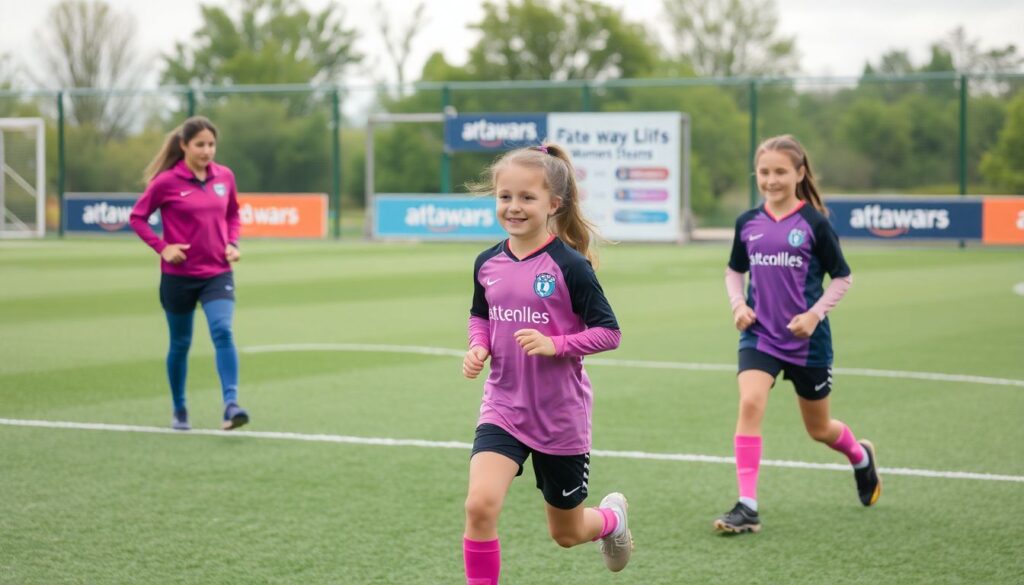
Dedicated programmes for girls create safer, more welcoming environments and reduce dropout rates. Mixed training has benefits, but without tailored pathways, many girls never reach the level where they can join elite women’s teams or national selections.
How can fans practically support women’s football beyond attending big finals?
Fans can buy season tickets, follow clubs’ digital channels, purchase camisetas oficiales fútbol femenino comprar, and bring friends or family to regular league matches. Consistent, everyday engagement is more valuable than occasional support during high-profile events.
Do lower salaries in women’s football make it less professional?
Professionalism depends on contracts, training environments and competition standards, not only on salary size. However, without living wages and secure conditions, many players cannot devote full energy to the sport, which ultimately limits competitive quality.
Is it better to grow women’s football through big clubs or independent projects?
Both approaches have strengths: big clubs offer reach and resources, while independent women’s clubs often innovate culturally and organisationally. A balanced ecosystem that supports both models reduces risk and diversifies opportunities for players and fans.