
Women’s football is a fully professional, highly tactical version of the game that faces extra structural and cultural barriers: underfunding, poor visibility and persistent prejudice. Transforming it means changing how we invest, schedule, broadcast, coach and talk about the sport, so girls and women access equal pathways, conditions and recognition.
Essential shifts in women’s football
- Move from charity-based support to long‑term, performance‑driven investment in women’s clubs and leagues.
- Design fan experiences around clear information: fútbol femenino entradas partidos, horarios, precios and TV channels.
- Professionalise youth pathways, especially academias de fútbol femenino para niñas connected to clubs.
- Reframe media language to treat women’s matches as mainstream, not a «special» side event.
- Align facilities, medical care and staff standards with men’s professional teams.
- Use governance rules and sponsorship contracts to lock in equity, not just campaign slogans.
Debunking persistent myths about women’s football
Many decisions in federations, media and clubs are still guided by myths rather than by what actually happens on the pitch or in the stands. These myths then justify weak schedules, low marketing budgets or limited youth programmes, which in turn slow the growth of the game.
A first myth claims that «there is no audience.» In practice, interest grows where people can find clear information about fútbol femenino entradas partidos, liga de fútbol femenino profesional horarios y precios and canales para ver fútbol femenino en vivo. When tickets are easy to buy, schedules are fan‑friendly and games are promoted, attendance and viewership increase.
A second myth says that women’s football is «technically worse» or «less tactical.» In reality, game models, analysis tools and physical preparation are converging with the men’s side wherever investment and coaching are comparable. What fans usually compare is not gender, but budget and professionalism.
Another myth treats women’s football as only a social project, not a performance space. This leads to underpaid players, amateur infrastructures and weak scouting. Framing it as high‑performance sport does not erase its social impact; it strengthens it, by giving girls visible role models and serious professional goals.
Structural barriers: funding, leagues and facilities
Structural barriers are the invisible architecture that makes progress slow, even when there is goodwill. They sit in how money, calendars and spaces are organised.
- Fragmented funding models. Many women’s clubs depend on short sponsorships or small municipal grants. Without multi‑year budgets, they cannot plan squads, academies or marketing, and remain stuck in survival mode.
- League design and scheduling. If the liga de fútbol femenino profesional horarios y precios are unstable, games move at short notice or clash with major men’s matches, fans struggle to follow teams and broadcasters deprioritise coverage.
- Access to quality facilities. Women’s teams often train at worse hours, on poorer pitches, and have limited access to gyms or analysis rooms, which directly lowers performance and increases injury risk.
- Unequal medical and performance support. Physiotherapists, doctors and analysts are sometimes part‑time or shared with several teams, which affects recovery, load management and tactical preparation.
- Ticketing and merchandising systems. When buying fútbol femenino entradas partidos or equipaciones fútbol femenino comprar online requires different platforms from the men’s club, many casual fans simply give up.
Practical moves for clubs and leagues:
- Negotiate at least medium‑term (3+ season) funding frameworks tied to clear sporting and audience targets.
- Stabilise calendars early; avoid unnecessary overlaps with huge men’s events and communicate changes in one central channel.
- Integrate women’s ticketing and merchandising into the club’s main digital ecosystem, not a separate «B» platform.
- Audit training slots, pitch quality and medical access; adjust to match the men’s professional standards as closely as possible.
Cultural prejudice: media framing, fandom and gender norms
Cultural prejudice shows up not only in explicit insults, but also in how the game is described, packaged and valued over time.
- Media tone and story selection. Coverage often focuses on emotions, personal lives or «first woman to…» milestones, instead of tactical analysis, data and rivalry narratives that are standard for men’s competitions.
- Fandom expectations and behaviour. Some fans still view attending women’s games as charity, not genuine passion for high‑level sport. That lowers pressure on clubs to improve the matchday product and delays the creation of strong supporter cultures.
- Gender norms around «who belongs on the pitch». Parents may encourage boys to join academies while girls are guided to other activities, especially where there are no visible academias de fútbol femenino para niñas with clear professional bridges.
- Broadcast packaging. When canales para ver fútbol femenino en vivo show matches with lower production quality, poor commentary or last‑minute channel changes, it sends a signal that the product is secondary.
- Online harassment and stereotyping. Players and fans face sexist comments that discourage participation, especially in smaller communities and digital spaces.
Concrete interventions:
- Train commentators and journalists to apply the same analytical vocabulary to women’s and men’s games, with focus on tactics and performance.
- Include women’s fixtures in the main promotional campaigns and season launches, not as separate «add‑ons».
- Support fan groups that build positive, inclusive atmospheres and work with clubs on family‑friendly, yet passionate, stands.
- Adopt strong anti‑harassment policies in stadiums and online platforms; communicate reporting channels clearly to supporters.
Player development pathways: youth, coaching and scouting
Development pathways in women’s football have grown quickly but remain inconsistent and fragile compared with the men’s game. This limits the talent pool and makes performance dependent on a few strong clubs or regions.
Strengths and opportunities in current pathways
- Lower entry barriers in some regions. In many cities, talented girls can quickly reach senior squads because the pathway is less crowded than the boys’ side.
- More holistic coaching cultures. Coaches in women’s programmes are often more open to collaborative, player‑centred methods, which can improve learning and long‑term motivation.
- Emerging specialist academies. Dedicated academias de fútbol femenino para niñas and mixed‑gender schools with women’s sections are creating clearer structures for progression.
- Growing visibility of top players. Stars from clubs and national teams provide concrete role models, making dreams of a professional career more realistic for girls.
Limitations and gaps that still block progress
- Patchy geographic coverage. Many regions lack local clubs or academies for girls, forcing families to travel far or drop out of the pathway.
- Underdeveloped scouting networks. Scouting is often informal and focused on a few tournaments, so late‑developing or remote players are missed.
- Limited professional coaching opportunities. Fewer full‑time roles in women’s football discourage qualified coaches from committing long‑term to the pathway.
- Weak transitions between age groups. Jumps from youth to senior teams can be abrupt, with big gaps in physical and tactical demands and little structured support.
Actionable steps for clubs, federations and schools:
- Map the local and regional pathway: where can a girl start, train at 12, 15, 18, and how does she reach the top league?
- Formalise scouting by assigning clear regions and match types to each scout, including school and grassroots competitions.
- Invest in coaching education with modules specific to women’s football, including long‑term athlete development for girls.
- Create «bridge» squads (U21, B‑teams) to smooth the transition from youth to senior football.
Governance and investment: federations, sponsors and policy levers

Governance is where many myths are turned into rules. Poorly designed policies can lock inequality into contracts, calendars and budgets for years.
- Myth: «Women’s football should pay for itself before we invest.» In practice, every professional competition receives initial, strategic investment. Waiting for equal revenues before providing basic conditions guarantees that equality never arrives.
- Myth: «One‑off campaigns are enough.» Sponsors sometimes launch inspiring ads with women’s players but do not back them with long‑term agreements that secure salaries, staff and grassroots programmes.
- Myth: «Separate governance protects the women’s game.» Creating parallel structures without real power or budget can isolate women’s departments and make them dependent on individuals rather than on stable rules.
- Myth: «Equal prize money alone solves inequality.» While symbolic, prize money affects only the top. The real transformation happens through everyday contracts, infrastructure and youth investment.
- Myth: «Market demand alone should decide schedules and coverage.» When decision‑makers use current audience as the only criterion, they ignore how much demand depends on previous exposure, promotion and accessibility.
Policy levers and governance tools that work:
- Include specific, measurable commitments for women’s football in federation statutes, league regulations and public funding agreements.
- Negotiate broadcast deals that guarantee a minimum number of women’s matches in prime or accessible slots on major canales para ver fútbol femenino en vivo.
- Design sponsorship packages that bundle men’s and women’s assets, ensuring brands support the whole club, not just its most visible team.
- Use transparent criteria for facility allocation, medical resources and staff positions across men’s and women’s programmes.
Cultural transformation in action: case studies and measurable outcomes
Cultural change becomes credible when it shows up in everyday details: how fans buy tickets, how kids choose their idols and how clubs present their teams.
Case sketch 1: Integrating the matchday product. A Spanish club decides that all ticket sales follow one simple rule: same platform, same process, clear visibility. Fútbol femenino entradas partidos appear side‑by‑side with men’s fixtures. Liga de fútbol femenino profesional horarios y precios are published months in advance and updated in real time on the main app.
Resulting shifts: more mixed‑gender group attendance, easier planning for families, and fewer situations where fans discover only at the stadium that the women’s team is playing.
Case sketch 2: Building a local pathway. A city hall, a professional club and local schools co‑create academias de fútbol femenino para niñas. Training schedules avoid conflict with key school hours, and coaches coordinate with physical education staff. The club guarantees annual visits from first‑team players.
Resulting shifts: parents see football as a viable route for their daughters; the club gets a broader talent base; community media start covering girls’ tournaments as regular sports news, not just «special events».
Case sketch 3: Aligning brand, broadcast and merchandise. A broadcaster and club treat women’s games as hero content for a full month: main canales para ver fútbol femenino en vivo promote double‑headers, commentary teams prepare tactical breakdowns, and equipaciones fútbol femenino comprar online are highlighted on the homepage on matchdays.
Resulting shifts: fans start associating the club’s colours with both teams equally; children ask for women’s player names on their shirts; and sponsors see concrete value in long‑term, whole‑club partnerships.
For practitioners, the pattern is clear: choose one or two leverage points in your context, redesign them with women’s football at the centre, and measure not just numbers (tickets, viewing minutes) but also behaviours and language around the game.
Concise answers to practitioners’ common doubts
How can a small club start promoting its women’s team without a big budget?
Use the same channels you already control: website, social media, newsletter and stadium announcements. Publish clear information about fútbol femenino entradas partidos, match stories and player profiles, and coordinate schedules so fans can attend both women’s and men’s games when possible.
What information do fans most need to follow the professional women’s league?
They need stable liga de fútbol femenino profesional horarios y precios, updated quickly when changes happen, and a simple place to buy tickets and see standings. Combine this with easy lists of canales para ver fútbol femenino en vivo for each matchday.
How can we make it easier for girls to stay in football through their teens?
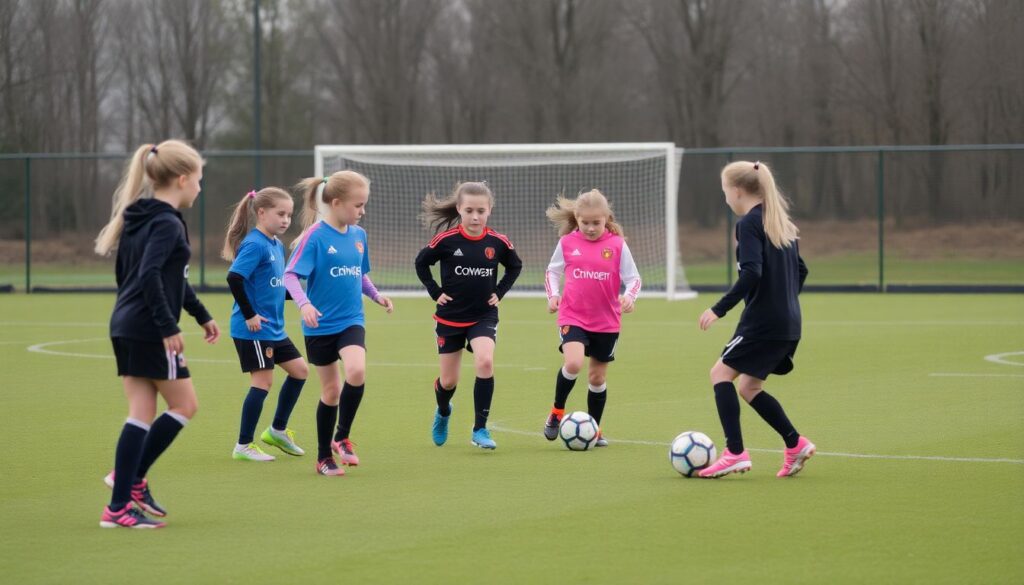
Create or support local academias de fútbol femenino para niñas with clear age categories and links to senior teams. Provide flexible training times that respect school demands, and communicate long‑term pathways to families so they see a real future in the game.
Does merchandising really matter for cultural change in women’s football?
Yes. When equipaciones fútbol femenino comprar online are as visible and easy to buy as men’s shirts, it signals that players are equally important. Merchandise also creates daily visibility of women’s idols in schools, streets and social media.
What should broadcasters prioritise to support women’s football growth?
Offer consistent, easy‑to‑find canales para ver fútbol femenino en vivo, with quality production and informed commentary. Integrate women’s highlights into general sports news, not only into «special» programmes, and promote key fixtures in advance like you do for major men’s matches.
How can sponsors avoid tokenism when entering women’s football?
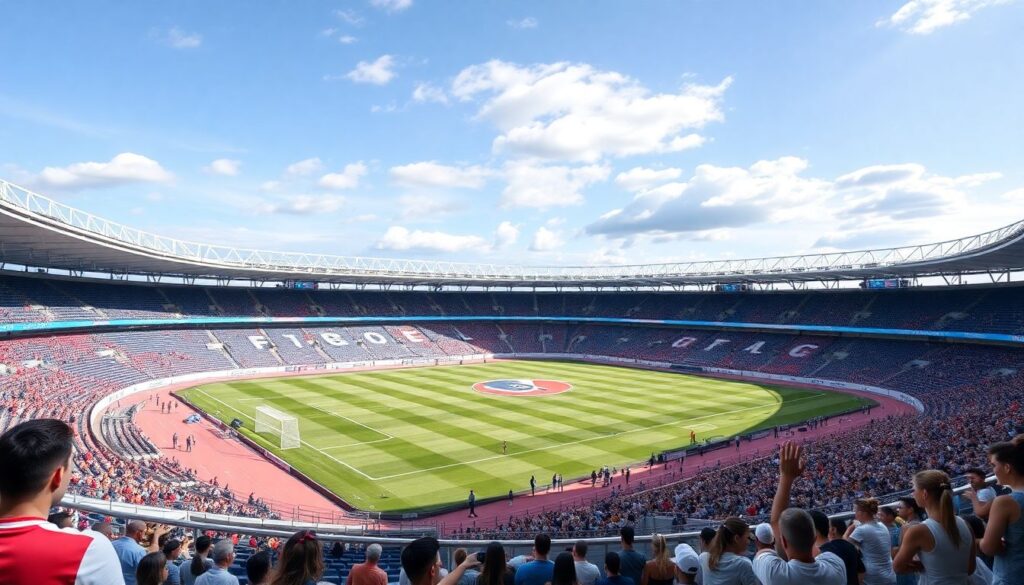
Link campaigns to concrete, long‑term commitments: multi‑year deals, support for youth academies, and visible integration of women’s players into mainstream branding. Measure success by structural improvements and fan engagement, not just by one‑off visibility peaks.