
When a football club stops acting mainly as a local sporting community and behaves as a global brand, decisions prioritise worldwide visibility, commercial partners and entertainment formats over members, local culture and grassroots sport. This club-to-brand shift can be managed, limited or even reversed if trade-offs are recognised early.
Core hypotheses on club-to-brand shifts
- Brand-driven strategies solve short-term revenue pressure but usually deepen long-term dependence on global entertainment markets.
- The more a club behaves like a content platform, the weaker its member democracy and local accountability tend to become.
- Globalisation benefits a small group of dominant clubs, while most others merely imitate branding tactics without capturing similar value.
- Marketing deportivo clubes de fútbol a marcas globales often ignores the social function of clubs, treating fans mainly as segmented consumers.
- There are viable alternatives: modest, community-first models can scale sensibly without a full conversion into a pure global brand.
When clubs pursue brand status: definitions and boundaries
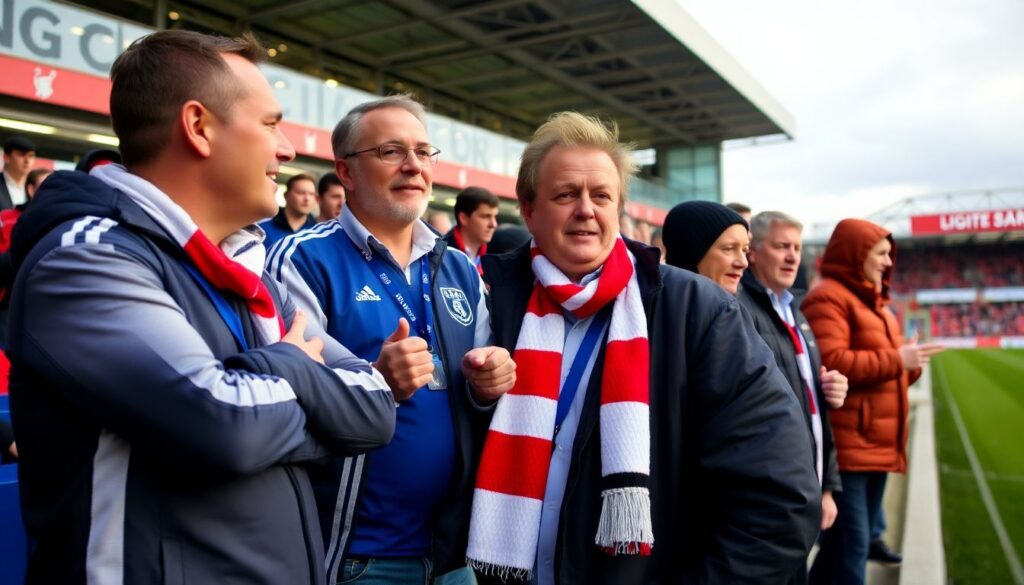
Public debate often assumes that every modernisation step equals selling the soul of the club. That is inaccurate. A club can professionalise marketing and governance without fully turning into an entertainment brand detached from its local base.
A club becomes a global brand when three elements align: its main audience is international rather than local; core income comes from commercial assets (media, sponsors, merchandising) instead of members and stadium; and strategic decisions are optimised for brand equity, not for sporting or social objectives.
This is not just about having a logo or social media. Estrategias de branding para clubes de fútbol convertidos en marcas include productising everything: kits as fashion drops, pre-season tours as content shows, players as influencers, and even historical symbols as marketing storytelling. The club becomes a platform for experiences rather than a democratic institution.
Boundaries matter. A club can intentionally limit its brand logic: caps on ticket prices, member voting on key decisions, and non-negotiable protections for colours, badge and stadium naming. These guardrails allow growth while recognising that not all value is financial.
Historical drivers behind club commercialization
A common myth is that greedy owners suddenly decided to convert clubs into brands. In reality, a long chain of structural pressures pushed clubs in that direction, especially in Europe and particularly visible in LaLiga and the Premier League.
- Media rights inflation: As broadcasting became the main income source, clubs started optimising for screen attractiveness, global schedules and content formats more than for match-going supporters.
- Regulatory changes: Requirements such as financial fair play and stadium safety upgrades favoured clubs already able to attract sponsors and investors, accelerating company-style transformations.
- Global fan bases: International TV and streaming created millions of distant followers. Clubs reoriented communication and branding to these audiences, often at the expense of local language, pricing and traditions.
- Investor entry: Private equity, sovereign funds and multinational sponsors brought a different logic: maximising asset value, standardising brand architecture and seeking predictable cash flows.
- Digital platforms: Social networks turned clubs into 24/7 content producers. The metric of success migrated from trophies and atmosphere to followers, views and engagement rates.
- Copycat strategies: As a few clubs monetised their brand globally, others believed the only way to compete was replicating that shift, even without comparable scale or resources.
Understanding these drivers helps smaller clubs in Spain and elsewhere avoid blind imitation and instead design realistic, resource-aware models.
Business models: from membership economies to global revenue engines
The dominant narrative claims that the only sustainable path is radical globalisation. That overlooks multiple business models available to professional clubs with different resource levels and risk appetites.
-
Traditional membership-led club
Income relies on member fees, local sponsorships, matchday and limited merchandising. Governance is democratic, and brand decisions must pass local scrutiny. This model can still work in mid-sized cities if sporting expectations remain realistic and cost control is strict. -
Hybrid community-brand model
The club keeps socios or member assemblies but develops international tours, bilingual communication and selective global partnerships. Servicios de gestión de marca para clubes de fútbol profesionales focus on protecting identity (badge, stadium, colours) while expanding commercial reach. -
Full global brand platform
The club behaves like a media and lifestyle company: academies on several continents, entertainment content beyond games, and joint ventures in fashion or gaming. Aquí es clave cómo monetizar la marca de un club de fútbol a nivel global, pero the local community becomes one segment among many, not the central reference point. -
Regional specialist club
Instead of chasing world fame, the club becomes the dominant brand in a specific region or diaspora. Marketing deportivo clubes de fútbol a marcas globales is adapted: languages, partnerships and content focus on this niche rather than the entire planet. -
Talent-accelerator and selling club
For limited resources, the rational strategy may be to invest in youth academies, data scouting and coaching excellence, selling players as main income. Global brand building is modest and functional: enough visibility to place talent, without big lifestyle campaigns. -
Alliance-based ecosystem
Smaller clubs can pool resources with others: shared digital platforms, joint sponsorship packages, or even cross-club academies. Consultoría en transformación de clubes deportivos en marcas globales can help design these alliances without erasing each club’s identity.
Cultural costs: identity erosion, fan trust, and local ties
Club leaders often insist that “nothing changes” when global branding starts. Yet fans across Spain and Europe repeatedly report a sense of loss: of atmosphere, rituals, language and affordability. Naming these costs clearly is essential before committing to any strategy.
Upsides that branding advocates highlight
- Higher and more diversified revenue streams that can stabilise budgets and improve infrastructure.
- Ability to attract and retain better players and staff thanks to improved financial capability.
- More professional marketing, ticketing and matchday experience, which can reduce friction and improve basic services.
- Increased visibility for the city or region, sometimes boosting tourism and urban reputation.
- Potential to fund women’s teams, academies and community programmes if governance links these areas to commercial success.
Downsides that often remain under-estimated
- Loss of local language and symbols in favour of generic “international” aesthetics designed for TV and sponsors.
- Ticket price inflation and hospitality-focused seating plans that push out traditional fans and ultras.
- Scheduling and competition formats designed for global audiences and broadcasters, harming local match-going culture.
- Fan identity reframed as customer loyalty, measured by spending and engagement metrics rather than participation and belonging.
- Growing distrust between members and executives, especially when decisions are taken by distant owners or anonymous investment funds.
- Risk of severe reputation damage if scandals hit the global brand, with local communities carrying the social consequences.
For clubs with limited resources in Spain, a realistic approach is to accept some commercialisation while drawing clear cultural red lines and explaining them openly to fans.
Regulatory responses and competitive dynamics across markets
A persistent myth says that regulation only harms clubs and that absolute deregulation would make everyone richer. In practice, weak rules often favour a handful of super-clubs and speculative investors, leaving smaller entities more exposed and replaceable.
- Financial controls and spending caps
These rules are criticised as limiting ambition, yet they can protect clubs from over-leverage in pursuit of brand growth. Without them, pressure to internationalise can push boards into unsustainable gambles. - Ownership and voting rules
Systems like member ownership, golden shares or 50+1 models reduce the speed of brand-driven decisions. They slow down some deals but also force explicit debate about identity and purpose. - Competition format reforms
Closed or semi-closed leagues are often justified as necessary for global marketing. However, they concentrate value and turn many clubs into content providers with little sporting upside. - Player market regulations
Looser rules on transfers and agent fees can stimulate short-term spectacle but fuel financial volatility. Club-to-brand strategies built only on star signings become fragile when such markets overheat. - Consumer and fan protection
As clubs sell more digital subscriptions and dynamic tickets, regulators can treat fans as consumers with rights: transparency on pricing, data use and cancellation policies. - National vs. transnational governance
Spanish and European bodies sometimes clash over who sets the limits to global branding. Clubs with fewer resources benefit when rules reduce the gap to giants rather than enforce a single global template.
Assessing outcomes: metrics, warning signs, and reversal cases
Another myth is that once a club becomes a global brand, there is no way back. Yet several entities have slowed or partially reversed brand-centric strategies after fan protests, financial stress or sporting decline. The key is monitoring the right indicators early.
Think in three groups of metrics:
- Economic: evolution of debt, share of revenue coming from international vs. local sources, dependence on a few sponsors or competitions.
- Sporting: medium-term performance, academy minutes played, stability of coaching staff and recruitment policies.
- Social and cultural: attendance trends, age and income profile of fans, survey-based trust in management, frequency and intensity of protests.
Practical illustration for a mid-table Spanish club with limited resources:
- Define non-negotiables: name, colours, stadium location, member voting on ownership changes.
- Start “lightweight globalisation”: bilingual content, one pre-season tour every few years, modest e-commerce store.
- Use targeted branding, not mass campaigns: focus on one or two priority markets where diaspora or historic ties exist.
- Partner smartly: join regional alliances for shared sponsorship sales and digital tools instead of hiring a big agency alone.
- Reinvest a fixed share of any new global income into the academy and affordable tickets, making the trade-off visible and measurable.
- Review annually: if debt, fan anger and identity conflicts rise faster than revenue and sporting stability, slow down or reverse the brand-driven steps.
Debunking common assumptions about club-to-brand transformation
If we do not become a global brand, we will disappear. Is that true?
No. Many clubs survive and occasionally thrive with hybrid or community-first models. The real risk is spending as if you were a global brand without actually having that scale of income or fan base.
Does more international marketing automatically mean betraying local fans?
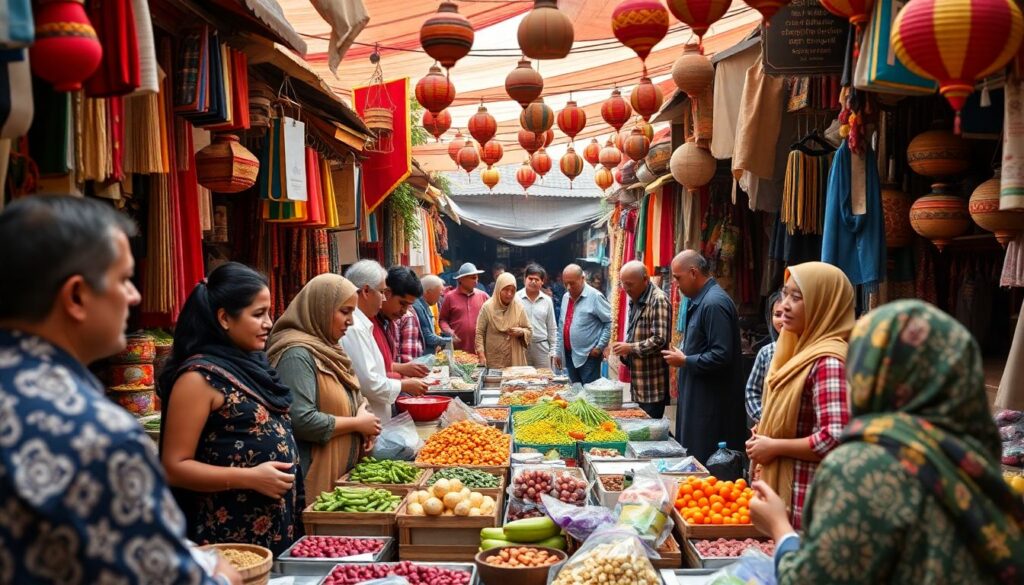
Not necessarily. Problems arise when every decision is filtered through international appeal. Clear red lines and shared principles can allow respectful global growth without erasing local language, prices and rituals.
Are smaller clubs too poor to invest in branding at all?
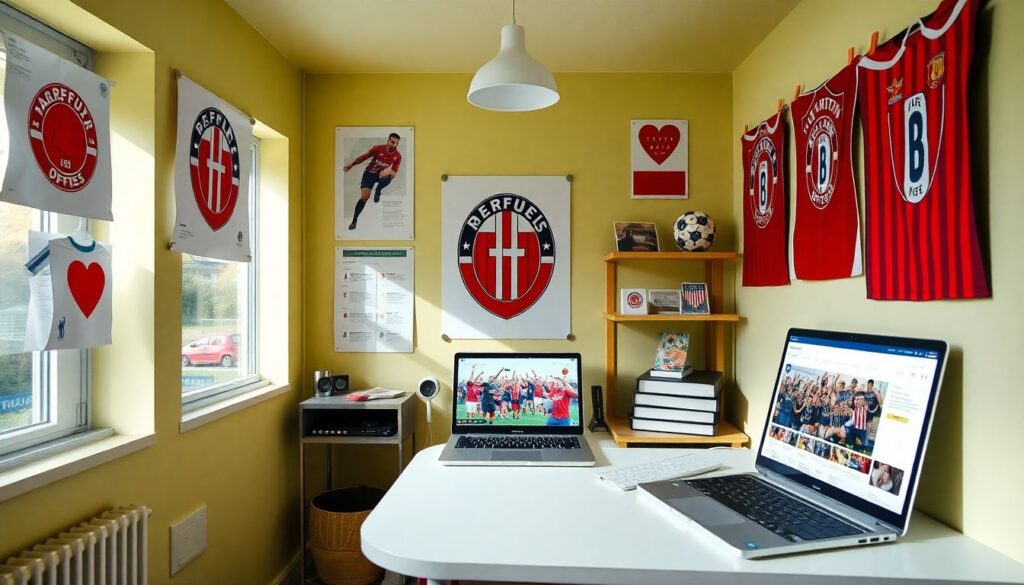
They are too poor to imitate super-clubs. But targeted, low-cost actions-consistent visual identity, local storytelling, basic data on fans and a simple online store-can be effective and manageable.
Is consultoría en transformación de clubes deportivos en marcas globales only for big teams?
No. Consultants can help smaller entities prioritise, avoid expensive mistakes and negotiate better with sponsors. The key is to demand realistic, context-aware plans instead of copy-paste “global giant” strategies.
Will strong regulation kill investment and modernisation?
Thoughtful rules can attract better-quality investors by clarifying boundaries and reducing systemic risk. What usually scares serious partners is chaos, opaque governance and unsustainable financial practices.
Does monetising the brand always improve sporting performance?
Extra income helps only when governance is disciplined. Many clubs increased commercial revenue yet underperformed on the pitch because money was spent on short-term bets rather than structures, youth and coherent recruitment.
Can fan protests really change or reverse branding decisions?
Yes, especially when they are organised, persistent and supported by clear alternatives. Owners and leagues often adjust plans when they see reputational, political and financial costs rising.