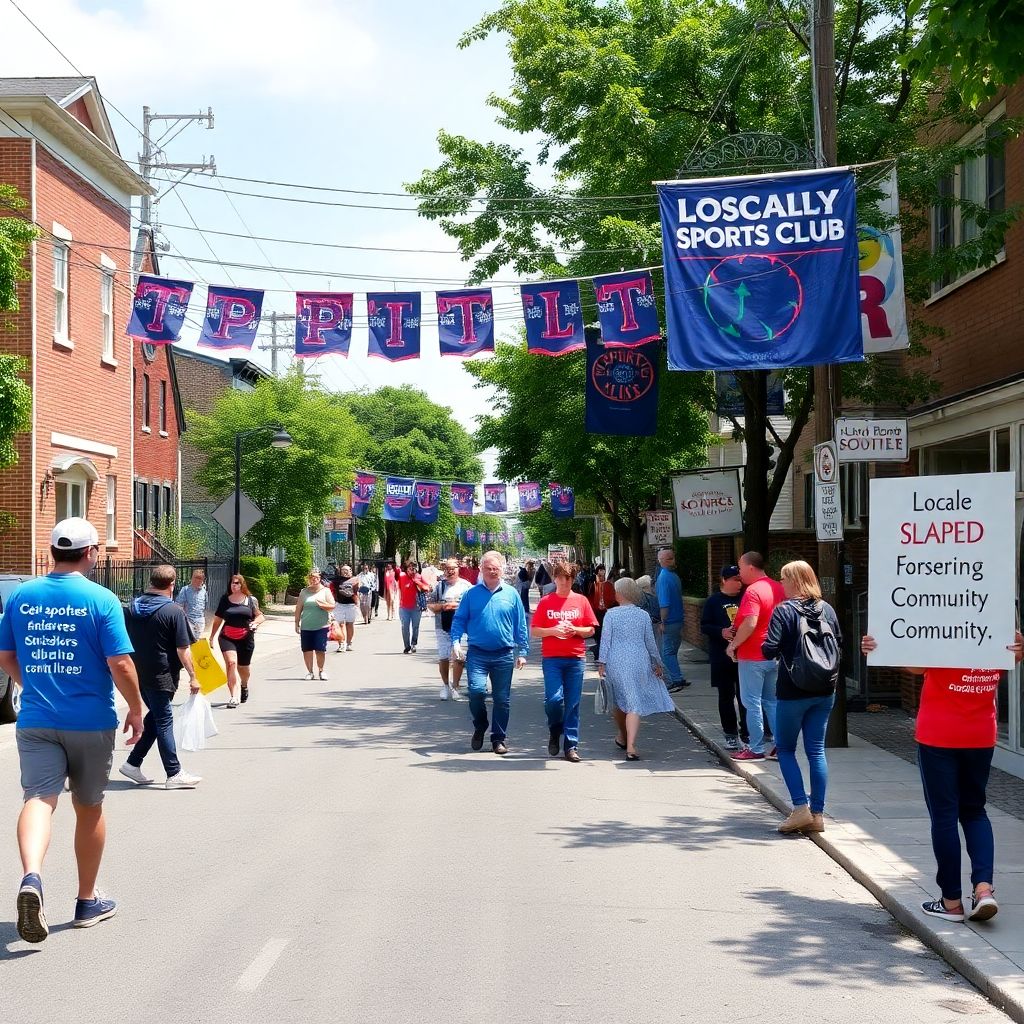
Neighborhood identity in sports is built when local clubs act as cultural anchors: visible on the street, consistent in symbols and stories, and present in everyday life beyond matchdays. With simple programming, inclusive communication, safe volunteering structures and basic metrics, any barrio club can grow belonging without big budgets or complex tools.
Core mechanisms shaping neighborhood identity
- Clear neighborhood brand: shared symbols, colors and simple narratives linked to local history.
- Open and safe physical spaces where neighbors feel welcome even without buying a ticket.
- Regular non‑match activities that mix generations and cultures in the same club environment.
- Structured volunteer roles that give neighbors real responsibility and visibility.
- Local alliances with schools, small businesses and associations, not only with big sponsors.
- Consistent, human storytelling across channels, in accessible language and multiple formats.
- Evaluation focused on relationships and participation, not only on attendance or results.
Defining a neighborhood brand: symbols, narratives and rituals
This approach suits grassroots entities, especially clubes de barrio de fútbol or multi‑sport clubs with stable local presence and basic governance. It works best when there is at least minimal continuity of volunteers and a clear home ground or base.
It is usually not a priority when the club is very unstable, under legal risk, or unable to guarantee safe environments. In those cases, focus first on governance, child protection and financial survival before investing time in identity work.
To define your neighborhood brand, keep three pillars aligned:
- Symbols that people can wear and see daily
- Colors, shield, and a short motto linked to the barrio (a street, a hill, a market, a river).
- Design camisetas oficiales clubes de barrio comprar online and offline with the same look, so people can show belonging everywhere.
- Keep one main version of the crest; avoid constant redesigns that confuse long‑time neighbors.
- Narratives that are simple to repeat
- One core sentence: who you are for («the club of the barrio», «the second family for our neighbors»).
- Three story lines: origin of the club, how it serves the neighborhood, and what future it wants.
- Use these in presentations, marketing deportivo para clubes de barrio y peñas, and conversations with partners.
- Rituals that structure the year
- Matchday routines: entry songs, greetings to the stands, recognition of volunteers at half‑time.
- Annual traditions: season opening, neighborhood tournament, remembrance event for local figures.
- Small weekly rituals: shared merienda after training, team photos in the same corner of the pitch.
Physical spaces and neighborhood touchpoints that anchor belonging
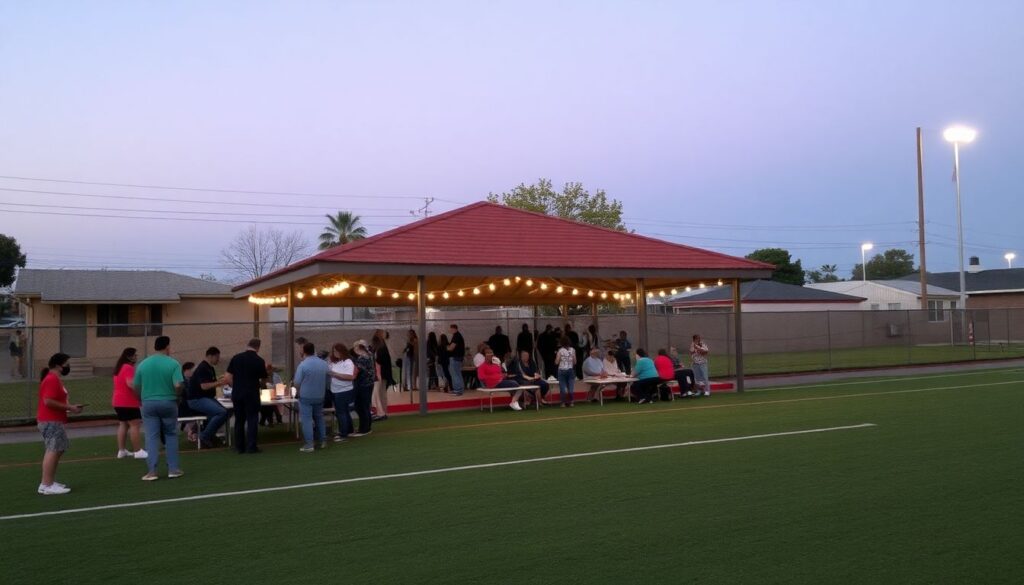
To make belonging tangible, focus first on the spaces and touchpoints you can control and keep safe. You do not need big investments, but you do need clarity on minimum requirements and tools.
Essential elements for a barrio‑anchored club space:
- Stable «home» venue: pitch, pavilion or modest field where neighbors know they can find you.
- Safe access: lighting, basic signage from main streets, and clear safety rules visible on site.
- Open door times: at least some hours per week where people can come without an appointment or ticket.
- Low‑barrier economic touchpoints:
- Transparent clubes de barrio fútbol entradas y abonos with clear discounts for youth, unemployed and seniors.
- A simple corner for merchandising, including low‑cost items and options to camisetas oficiales clubes de barrio comprar online for those who cannot visit in person.
- Neighborhood presence outside the venue:
- Posters in local shops, kiosks and bars.
- Agreements with schools for shared use of facilities or cross‑promotion.
- Participation in local fiestas, markets or solidarity events with a club stand.
- Basic digital touchpoints:
- Updated Google Maps profile with opening hours and contact.
- Simple website or social profile listing horarios, membresía club deportivo local beneficios precios, and contact for volunteers.
Programming and events that convert supporters into active neighbors
Use programming to move people from spectators to participants. The goal is to design safe, repeatable formats that any coordinator can run with volunteers.
- Map who you want to bring closer
Decide which groups you want to activate: kids without access to sport, families, seniors, migrants, women, ultra‑local fans. Start with two priority groups so you do not overload volunteers.
- Choose 2-3 simple, recurring event formats
Select safe, low‑cost formats rather than big one‑off festivals. Examples:
- Monthly «open training» where anyone can try the sport for free.
- Family games day around an important home match.
- Wednesday «study and sport» afternoon in collaboration with a local school.
- Design each event with clear roles
Write a one‑page plan so activities do not depend on a single person:
- Responsible person, objective, date and target group.
- List of roles: welcome, safety, coaches, photos, cleaning, cash handling if any.
- Specific instructions to keep minors safe (check‑in, parental permission, supervised areas).
- Integrate membership and low‑pressure offers
Use events to explain membresía club deportivo local beneficios precios without aggressive selling. Offer:
- Information table about different membership types and social activities.
- Trial membership for one month with access to training and discounts on entradas y abonos.
- Information on reduced prices for vulnerable neighbors and how to request them confidentially.
- Connect events with local partners
For each format, invite at least one neighborhood ally:
- Schools or institutes (for youth and families).
- Small businesses that already help with patrocinios y financiación para clubes deportivos de barrio.
- Associations: migrant groups, disability organizations, women’s groups, cultural collectives.
- Capture simple participation data safely
After each event, record only what is necessary to improve:
- Approximate number of participants by age group.
- How many are new to the club.
- Basic feedback collected verbally or in a short, anonymous paper survey.
Avoid storing sensitive data without a clear policy and consent.
- Close the loop with follow‑up invitations
Within a week, send a simple thank‑you message and a specific next step:
- Next event date or training session.
- Invitation to a volunteer info meeting.
- Link to an online space where they can follow the club or share photos.
Fast‑track mode for busy neighborhood clubs
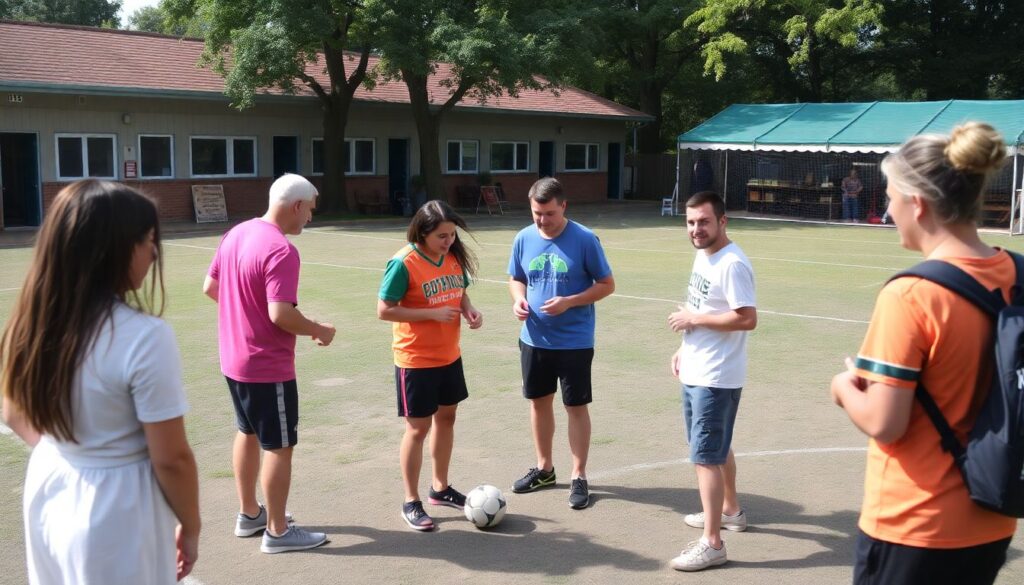
- Pick one target group (for example, families from the closest school) and one simple format (monthly open training).
- Agree three fixed dates and assign a small team with clear roles.
- Invite the school, a local shop and an association to co‑host or support.
- At each event, collect only names and contact with consent, then send one follow‑up message with the next date and a low‑cost membership option.
- After three months, review numbers and stories, and adjust or add one more format if the team has capacity.
Volunteerism, partnerships and cultivating local leadership
Use this checklist to see if your club is really building community capacity, not just extracting free labor.
- Volunteer roles are written down with tasks, time commitment and a named reference person.
- New volunteers receive a simple welcome briefing including safety, child protection and who to ask for help.
- Volunteers are not left alone to manage groups of minors without another adult present.
- There is at least one short training per year for coaches and volunteers on inclusive practices.
- Partnerships go beyond logos: each partner has a clear contribution (space, expertise, communication, patrocinios y financiación para clubes deportivos de barrio).
- Local businesses can choose between money sponsorship and in‑kind support (materials, snacks, services).
- Young people from the barrio are progressively invited to coordinate parts of projects, not only to help with manual tasks.
- Women and under‑represented groups are visible in decision spaces, not only in support roles.
- There is a simple, safe channel where volunteers can report problems or conflicts.
- Once a year, the club publicly thanks volunteers and partners in an event or communication piece.
Communication playbook: storytelling, channels and inclusive language
Avoiding these common mistakes will make your club’s communication more coherent and welcoming.
- Inconsistent identity: changing logo, colors or slogan every season confuses neighbors and weakens the barrio brand.
- Only talking about the first team: ignoring youth, women’s teams, volunteers and community actions narrows who feels included.
- Over‑promising: announcing projects or facilities that are not confirmed damages trust if they do not happen.
- Exclusive language: using jokes, insults or stereotypes about gender, origin or rival barrios makes some neighbors feel unsafe.
- Complex or bureaucratic tone: long texts full of internal acronyms discourage people with less reading confidence.
- Relying on a single channel: only using one social network or WhatsApp group leaves out many neighbors.
- Ignoring offline communication: no posters, flyers or personal invitations from players and coaches reduces reach to people without digital access.
- No clear information about prices: hiding membresía club deportivo local beneficios precios or entradas y abonos conditions can create suspicion.
- Using only polished marketing: not showing real stories, small failures and learning moments makes the club feel distant.
- Publishing identifiable photos of minors without proper permission and clear rules, which can create safety and trust issues.
Evaluating social return: metrics beyond attendance and scores
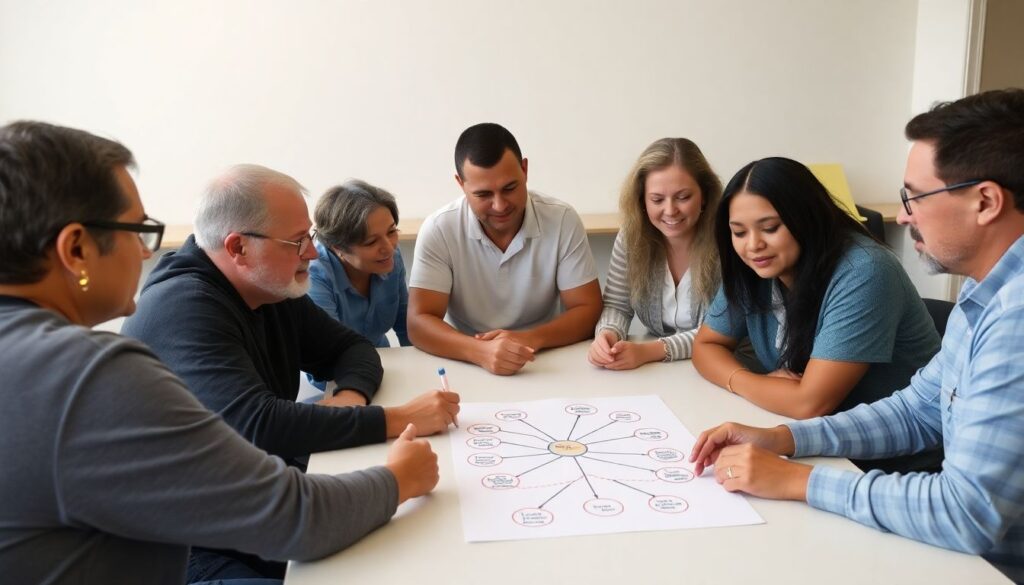
When you assess how well you are building neighborhood identity, match your evaluation method to your capacity and context. Here are practical alternatives to classic statistics.
- Relationship mapping and stories
Suitable for small clubs with limited time. Once or twice a year, draw a simple map of groups connected to the club (schools, shops, associations, families) and collect a few short stories about how the club helped someone feel more at home in the barrio.
- Participation and diversity dashboard
Useful when you already track registrations. Build a basic table showing evolution of members by age, gender, neighborhood zones and participation in non‑sport activities. Focus on trends instead of exact numbers if your data is incomplete.
- Partner and volunteer satisfaction checks
Appropriate when you depend heavily on external help. Once a year, ask partners and volunteers two or three questions: what the club does well, what creates friction, and one suggestion for the next season. Summarize main themes and share them with your board.
- Community forum or assembly
Best when the club already gathers neighbors for assemblies or fiestas. Dedicate a short segment to discuss how the club supports the barrio, what groups feel absent, and what one concrete action could improve inclusion before the next season.
Common implementation questions and concise answers
How can a very small club start without extra budget?
Start with identity and rituals that do not cost money: consistent colors, a motto, and regular open training sessions. Use existing facilities, volunteers and free digital tools. Focus on one target group and one recurring activity to avoid overload.
What is the safest way to involve minors in community activities?
Ensure that no minor is left alone with a single adult, use sign‑in and sign‑out sheets, and get parental permission for activities and photos. Train coaches and volunteers on basic child protection and have a clear contact for any concern.
How do we balance sport performance with community work?
Integrate both: use training and matchdays as natural spaces for community actions, not as separate projects. Set a few social objectives per season (for example, one new partnership and two open events) and review them alongside sporting targets.
How can merchandising support, not distort, neighborhood identity?
Offer affordable items that reflect local symbols and stories, not just generic designs. Combine physical sales at the club with simple options to camisetas oficiales clubes de barrio comprar online, and keep part of the income earmarked for youth or social programs.
What can we offer sponsors beyond visibility on shirts?
Include them in stories and events: co‑host community days, share impact updates, and invite staff to volunteer. Build patrocinios y financiación para clubes deportivos de barrio that connect brands with real neighborhood needs so they feel partners, not only advertisers.
How often should we review our neighborhood identity strategy?
Once per season is usually enough for grassroots clubs. Use the end‑of‑season review to check what activities worked, which groups remain distant, and whether any symbol or message now feels outdated or exclusionary.
How do we avoid conflicts between ultra‑local fans and new neighbors?
Create mixed spaces where both groups collaborate, such as joint volunteer tasks or neighborhood events. Establish clear rules against discrimination, train stewards and volunteers to mediate tensions, and highlight stories that show cooperation instead of rivalry.