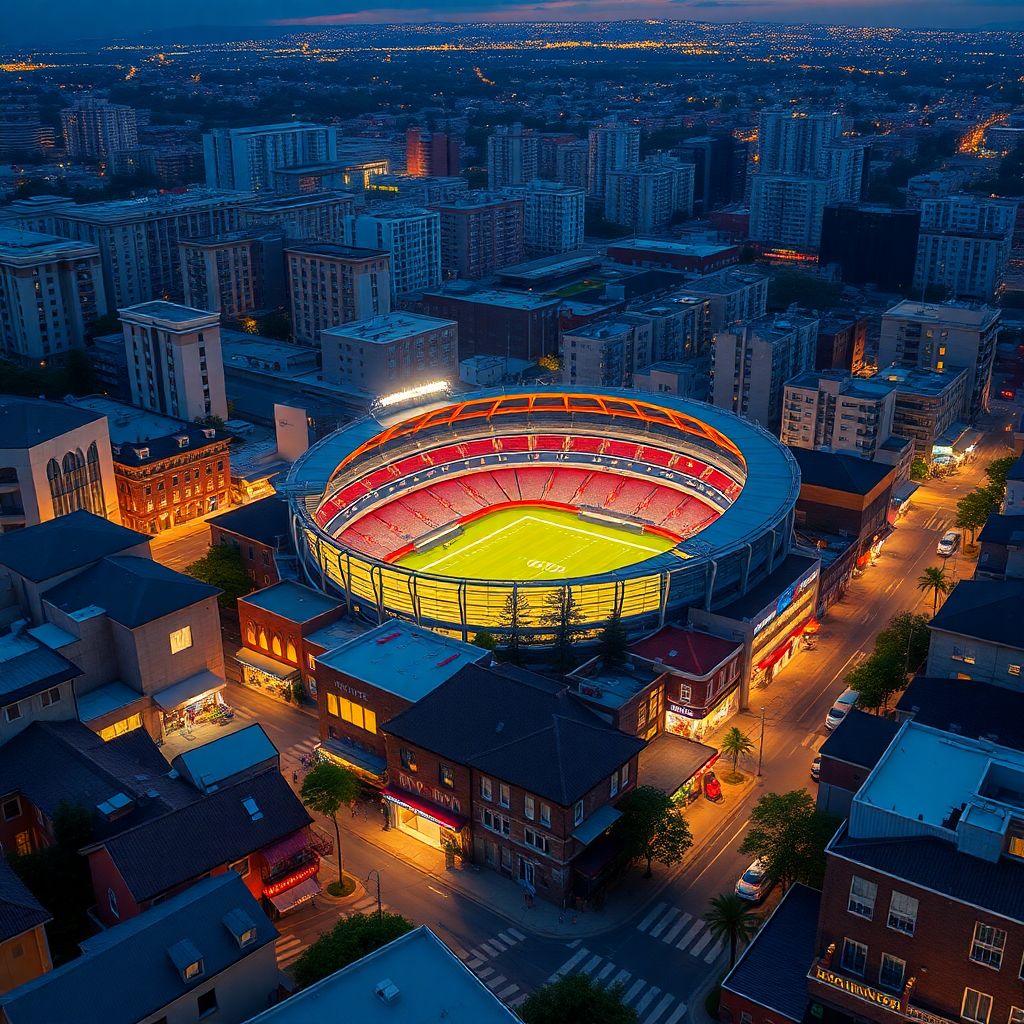
Football reshapes neighbourhoods through stadium-led investment, matchday spending and powerful symbols of identity. It can boost local businesses and infrastructure, but also drive displacement and speculative real‑estate. This guide shows planners, researchers and community groups how to analyse tourism, gentrification and memory around clubs and stadiums, and design fairer, safer interventions.
Quick strategic overview before fieldwork
- Define whether your priority is tourism management, anti‑displacement policy, cultural heritage, or all three.
- Map the stadium catchment area: 10-20 minutes on foot and main public transport corridors.
- Identify vulnerable groups: tenants, informal workers, small family businesses, migrant supporter communities.
- Check existing urban plans, tourism strategies and housing regulations affecting the stadium area.
- Agree on basic indicators before you start (rents, business turnover, visitor flows, loss of community venues).
- Co‑design the process with neighbourhood organisations and supporters’ groups from day one.
How football shapes neighborhood economies and real estate
- Use this approach when you need to understand how matchdays, stadium upgrades and club branding affect nearby shops, bars, housing and public space.
- Avoid using it as a one‑off diagnosis during conflicts only; it works best as a repeated, long‑term monitoring framework.
- Do not apply findings mechanically from one city to another; turismo futbolístico en barrios de ciudades europeas shows strong local differences in law, culture and transport.
- Map who benefits today: clubs, investors, landlords, informal vendors, taxi drivers, short‑stay rental operators.
- Identify speculative trends such as inversión inmobiliaria en barrios gentrificados por el fútbol and compare them to changes in resident income and eviction cases.
- Cross‑cutting recommendation for planners: always pair any stadium‑related upzoning or public investment with concrete, enforceable housing protection measures.
Tourism flows: matchdays, stadium tours and city branding
- Collect data on matchday attendance, season ticket holders, and away supporters arriving through viajes organizados para partidos de fútbol en grandes ciudades.
- Track non‑matchday visitors using tours de estadios y barrios históricos de fútbol, fan museums, club shops and nearby sports bars.
- Use simple tools: pedestrian counts on key streets, short intercept surveys, and mobile‑based origin-destination surveys where privacy is protected.
- Map accommodation near the stadium, especially alojamiento cerca de estadios de fútbol en barrios populares that converts housing into tourist use.
- Analyse how city branding campaigns and club marketing materials depict the neighbourhood (authentic, dangerous, hipster, traditional) and compare with residents’ narratives.
- Cross‑cutting recommendation for planners: negotiate tourism caps, bus routes and walking circuits that spread visitors and reduce pressure on the most fragile streets.
Gentrification pathways triggered by club-driven investment

Before working through the steps, complete this brief preparation checklist to ensure a safe, transparent process:
- Agree on ethical guidelines for data collection and consent, especially with vulnerable residents and workers.
- Set up a mixed advisory group: residents, small businesses, fan representatives, municipal technicians.
- Clarify which decisions your analysis can realistically influence (planning, permits, tourism rules, club agreements).
- Secure access to non‑sensitive municipal data while respecting privacy and legal constraints.
- Plan how results will be communicated back to the neighbourhood in accessible formats and languages.
- Identify the trigger investments
List all recent and planned club‑related projects: stadium expansion, training facilities, fan zones, parking, hospitality, branding interventions in public space.- Include public spending: new metro stops, road upgrades, public realm refurbishments around the stadium.
- Note which actors lead each project: club, city, regional government, private developers.
- Map baseline socio‑spatial conditions
Document the neighbourhood before major investments: tenure structure, rent levels, business mix, vacancy, basic services, and cultural venues.- Use participatory walks with residents to locate sensitive spots: traditional bars, fan spaces, social housing blocks.
- Record existing conflicts: noise, traffic, police presence, ticket touting.
- Track real estate responses
Monitor how landlords, developers and short‑stay platforms react to club‑driven projects over time.- Observe conversions from residential to tourist accommodation, especially near main fan routes.
- Collect stories of displacement pressure: non‑renewed leases, informal harassment, sudden rent hikes.
- Analyse business and employment shifts
Compare traditional everyday commerce with new football‑oriented or upscale businesses.- Note closures of essential shops (grocers, pharmacies) replaced by bars, souvenir shops or themed hostels.
- Assess job quality: stable contracts vs. precarious, event‑based work tied only to matchdays.
- Evaluate cultural and symbolic changes
Examine how club branding, murals and fan practices reframe the neighbourhood’s image.- Check if local identities (migrant, working‑class, minority cultures) are recognised or erased in new narratives.
- Distinguish between grassroots supporter art and top‑down marketing campaigns.
- Connect pathways to policy gaps
Link emerging gentrification patterns to specific regulatory blind spots.- Identify where rent controls, tourist accommodation rules or commercial protections are missing or unenforced.
- Highlight how club agreements with public authorities may intensify land value without social safeguards.
- Co‑design mitigation and benefit‑sharing
With community and club representatives, build proposals to redistribute benefits and limit harm.- Explore tools such as community benefits agreements, affordable ticket schemes and local hiring clauses.
- Translate proposals into clear legal instruments and monitorable targets.
Preserving community memory: rituals, murals and oral histories
- Local matchday rituals, routes and gathering points have been identified and mapped with residents and fans.
- Existing murals, plaques, fan clubs and informal memorials have been documented with photos and basic descriptions.
- Oral history interviews cover diverse voices: women supporters, migrant fans, stadium workers, older residents, youth.
- Agreements exist with authorities and clubs to protect key sites from demolition or aggressive commercialisation.
- New developments integrate spaces for fan culture and everyday community use, not just premium hospitality.
- Educational materials or small exhibitions share neighbourhood football history with visitors and schools.
- Mechanisms are in place for communities to approve or contest new murals and branding in public space.
- Data and recordings are stored safely, with consent protocols and community control over access and use.
- Cross‑cutting recommendation for planners: treat football memory as part of cultural heritage policy, not as a decorative afterthought.
Policy tools to mitigate displacement and sustain access
- Designing stadium‑area plans without binding affordable housing and rent protection measures.
- Relying on voluntary, non‑enforceable commitments from clubs and developers instead of formal agreements.
- Ignoring the cumulative impact of short‑stay rentals and hotel conversions near the stadium on long‑term residents.
- Focusing on cosmetic public realm improvements while cutting budgets for social services and youth facilities.
- Excluding informal workers (street vendors, parking helpers, cleaners) from planning and benefit‑sharing schemes.
- Using policing alone to manage crowds instead of integrated transport, public space and community mediation strategies.
- Failing to coordinate housing, tourism, culture and sports departments, leading to contradictory regulations.
- Cross‑cutting recommendation for planners: link every major club‑related permit or subsidy to concrete anti‑displacement and accessibility conditions.
Measuring impact: indicators, data sources and research methods
- Longitudinal neighbourhood observatories – Suitable when you can commit to repeated measurements over years; ideal for major stadium projects and metropolitan clubs, combining quantitative data and community monitoring.
- Rapid participatory assessments – Useful for smaller clubs or early project stages; combine short surveys, workshops and walks to detect emerging tensions and opportunities quickly.
- Thematic comparative studies across cities – Appropriate for regional or national bodies analysing patterns of turismo futbolístico en barrios de ciudades europeas, helping to adapt, not copy, regulations.
- Cross‑cutting recommendation for planners: combine at least one quantitative and one participatory method to avoid blind spots in impact evaluation.
Operational clarifications and common implementation doubts
How can small municipalities start if they lack detailed data?
Begin with simple tools: manual pedestrian counts on matchdays, short interviews with residents and businesses, and basic mapping of housing and commercial uses around the stadium. Gradually add more complex datasets as capacity and partnerships grow.
What role should football clubs play in neighbourhood planning?
Clubs should be treated as powerful stakeholders with clear obligations, not only as partners. Involve them in co‑design processes, but anchor all commitments in formal planning instruments and transparent agreements with monitoring mechanisms.
How do we balance tourism promotion with residents’ quality of life?
Set explicit limits on visitor concentration, regulate tourist accommodation, and protect essential services and housing. Design tours de estadios y barrios históricos de fútbol that distribute visitors, respect rituals and contribute financially to local priorities.
Is it realistic to demand community benefits from top clubs?

Yes, especially where public resources or planning advantages are granted. Community benefits agreements can include local jobs, affordable tickets, investment in youth facilities and contributions to anti‑displacement funds, negotiated with broad neighbourhood representation.
How can memory projects avoid becoming just marketing for the club or city?
Ensure community groups lead content decisions, include uncomfortable histories, and separate public funding for heritage from club marketing budgets. Establish review panels with residents, historians and independent cultural actors.
What indicators are most useful for early warning of displacement?

Track rent offers, eviction notices where data is available, business turnover, tourist accommodation registrations and changes in school enrolment. Combine these with qualitative reports from local organisations and tenant support services.
How do we engage fans who live outside the neighbourhood?
Work with supporter associations to include non‑local fans in discussions about travel behaviour, consumption patterns and respect for local norms. Use club channels to communicate guidelines on noise, waste and support for local businesses.