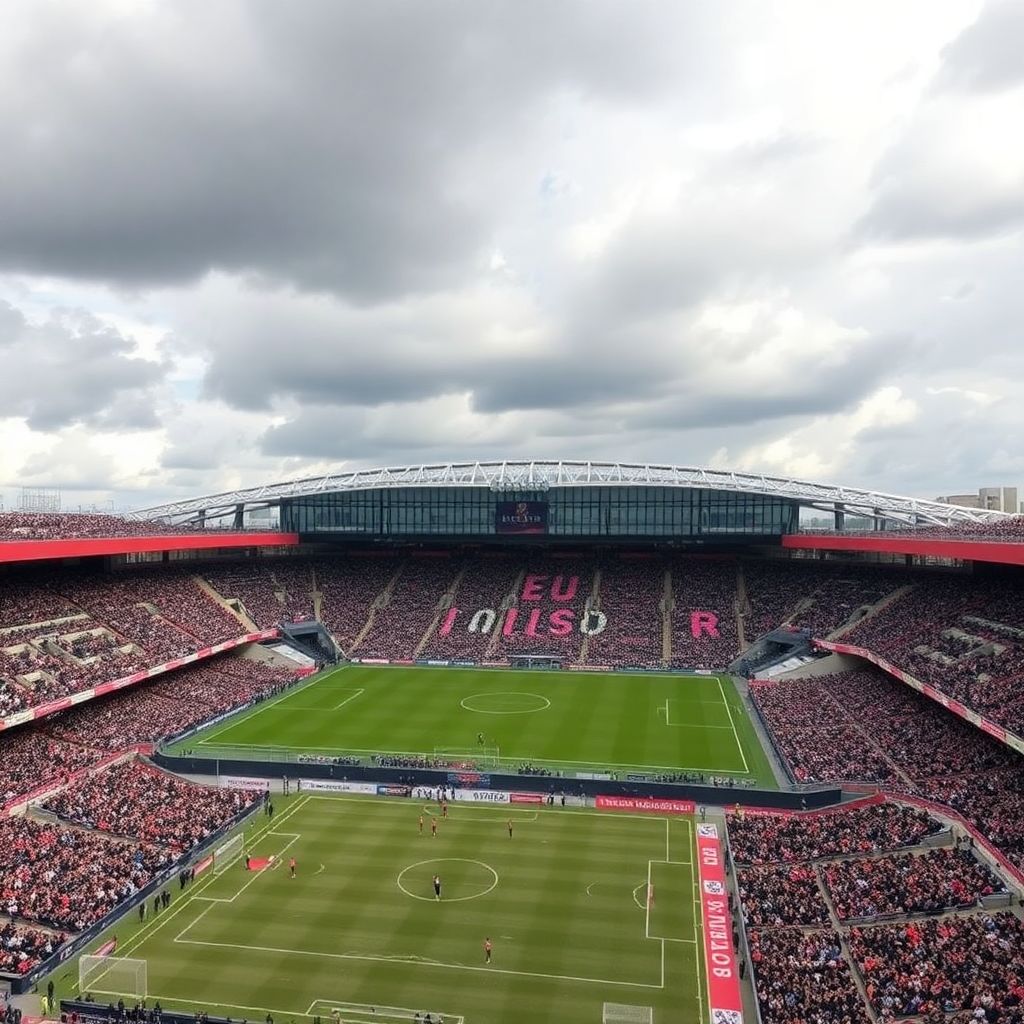
Stadium gentrification is the shift from affordable, popular terraces to modern arenas dominated by corporate boxes, hospitality and VIP experiences. It combines stadium renovation, real estate speculation and pricing strategies that push out traditional fans. Preventing damage means planning early: price caps, protected popular sections, fan participation and transparent redevelopment rules.
Common Misconceptions About Stadium Gentrification
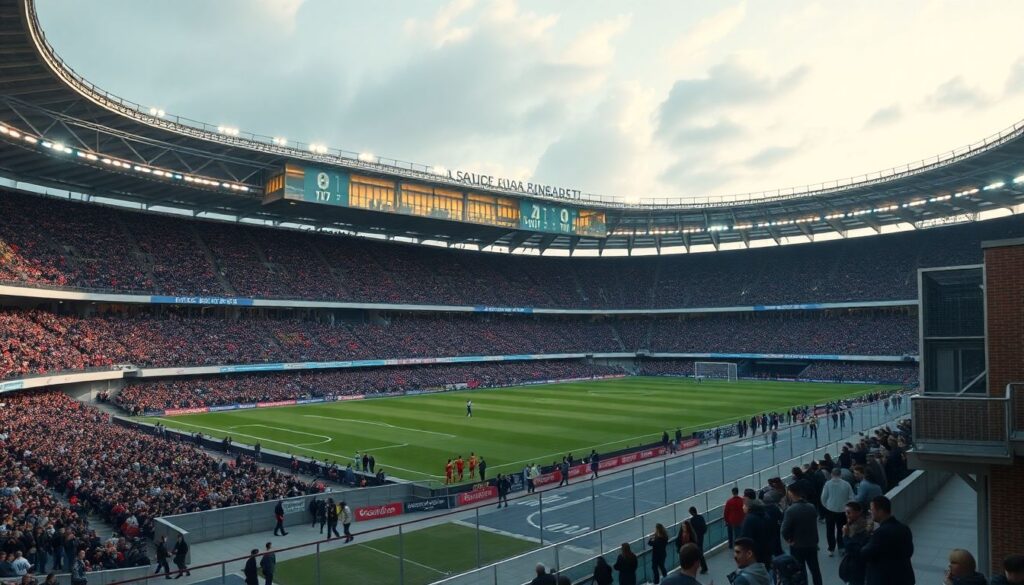
- Believing that adding VIP hospitality and premium tickets does not affect the rest of the stadium culture or pricing.
- Assuming that any reforma de estadios de fútbol modernización y palcos vip is automatically positive for the neighbourhood.
- Thinking that displaced fans can simply move to another club without social or cultural loss.
- Equating higher matchday revenue with long‑term financial sustainability for the club and the city.
- Reducing the debate to nostalgia versus progress, instead of a negotiation about who benefits and who pays.
Historic Roots: How Popular Stands Shaped Urban Sporting Culture
The first mistake is to imagine that stadium gentrification is just about comfort upgrades. Historically, popular stands in Spanish and European football were cheap, standing-only areas where workers, migrants and youth created songs, rituals and local identity that went far beyond the ninety minutes.
These terraces were strongly linked to their urban surroundings: neighbourhood bars, small businesses and public transport gave matchday a specific social geography. When clubs later moved to all-seater arenas or relocated to new districts, they often underestimated how much of this culture depended on proximity and informality.
Stadium gentrification, in this sense, is not simply the replacement of concrete with glass. It is the gradual displacement of this dense fan culture by a more individualised experience based on comfort, consumption and segmentation, usually led by VIP zones and hospitality products such as entradas fútbol vip experiencias premium.
Actionable takeaway: when discussing redevelopment, define clearly which elements of popular culture (standing areas, fan clubs, affordable sectors) must be non‑negotiable before any architectural plan is approved.
Economic Drivers: Redevelopment, Real Estate and Corporate Investment
A common myth is that stadium modernisation is driven only by sporting ambition. In practice, gentrification appears where several economic incentives align around the stadium and its land.
- Land revaluation around the stadium: Clubs or city councils see the opportunity to convert old training grounds, parking areas or adjacent plots into commercial or residential projects. This pushes them to maximise returns with high-end facilities, including palcos y hospitality en estadios de fútbol precios tailored to corporate clients.
- Media and sponsorship packages: Broadcasters and sponsors prefer visually polished, globally marketable venues. This encourages larger VIP lounges, branded zones and hospitality tiers that can be sold as bundled experiences instead of single tickets.
- Debt restructuring and financing needs: New stadiums or major renovations are often financed with long-term loans. Clubs bet on increased income from premium seats, abonos fútbol zonas vip mejores asientos and naming rights, creating pressure to maintain ever-higher price levels.
- Event diversification: The venue is reconceived as an all-year events space, with conferences, concerts and business meetings. This multiplies the incentive to design corporate boxes and hospitality areas first, leaving traditional fan sectors as an afterthought.
- Tourism and packaged travel: Cities promote viajes deportivos paquetes hospitality partidos de fútbol as part of their tourism strategy, favouring visitors who buy premium matchday products over local fans on modest incomes.
Actionable takeaway: demand an early, public breakdown of how much of the future revenue plan depends on VIP and hospitality versus regular fan areas, and link planning permissions to balanced income sources.
Design and Access: From Terraces to Premium Seating
One persistent error is thinking that design changes are neutral if all fans still have a «seat». In reality, specific configurations amplify gentrification pressures and change who feels that the stadium is really theirs.
Typical gentrification scenarios include:
- Conversion of the loudest stand into mixed-use seating: A formerly standing, singing section is replaced by numbered seats, family blocks and tourist areas. Result: atmosphere is diluted, and organised supporter groups are fragmented into smaller, less visible pockets.
- Vertical separation of social classes: Premium rings and glass-fronted boxes are placed centrally and at ideal viewing angles, while cheaper seats are pushed high into the upper tiers or corners, reinforcing a visible hierarchy of status inside the stadium.
- Exclusive circulation routes: Separate entrances, lifts and parking for VIP clients limit encounters between traditional fans and corporate guests, replacing shared rituals with private, insulated experiences.
- Over-supply of hospitality seating: Designers prioritise palcos and lounges based on optimistic forecasts, then clubs are forced to shift regular season ticket holders or raise prices to fill these zones, pushing gentrification further.
- Accessibility traded for commercial space: Matchday routes that once crossed public streets and local shops are replaced by enclosed malls and branded corridors, reducing informal community contact.
Actionable takeaway: when evaluating architectural proposals, look not only at capacity but at the spatial distribution of noise, price categories and movement flows, to keep popular areas central instead of marginal.
Social Impact: Displacement of Fans and Community Networks
Another myth claims that fans who lose their place in the stadium can simply switch to TV or occasional visits. This view ignores the social fabric created over years by shared routines, neighbour relationships and intergenerational fandom.
Perceived Benefits and Who Gains Them
- Improved safety standards and better sightlines for many seats.
- More comfortable options for families, older supporters and disabled fans, especially when design is inclusive.
- Increased revenue that can, in theory, support better squads, youth academies and women’s football sections.
- Urban renewal around obsolete industrial or infrastructural areas, sometimes with better transport and public space.
- New employment in services linked to hospitality, security, catering and events management.
Costs, Exclusions and Long-Term Risks
- Loss of affordable tickets as whole sectors are reclassified into higher categories or tied to corporate packages.
- Break-up of long-standing seating groups and peñas, damaging informal support networks and intergenerational learning.
- Substitution of local fans by visitors and tourists, especially in central games where entradas fútbol vip experiencias premium and tourism bundles dominate allocation.
- Commercial pressure on small neighbourhood businesses unable to pay new rents after land values rise.
- Identity drift, as club symbols and songs are repackaged into entertainment for visitors instead of expressions of local belonging.
Actionable takeaway: build fan and resident mapping into every redevelopment plan, identifying which groups risk displacement and setting binding protection targets for them.
Regulatory Frameworks and Policy Responses
A frequent misconception is that stadium gentrification is a «private matter» between club and fans. In reality, planning permissions, public land use and security regulations give public authorities strong leverage to shape outcomes, for better or worse.
- Ignoring ticket affordability in planning agreements: Many redevelopment deals focus on parking, noise and traffic while saying nothing about price structures. Quick fix: make a basic affordability clause mandatory, tying a share of capacity to income-appropriate pricing for local residents and young fans.
- Over-reliance on corporate forecasts: Authorities may accept revenue projections from hospitality and boxes without independent review. Quick fix: require third‑party evaluation of demand for palcos y hospitality en estadios de fútbol precios before approving capacity and layout.
- No protection for historical fan sections: Planning frameworks rarely recognise singing sections or popular stands as cultural heritage. Quick fix: include them as intangible cultural assets and demand continuity, even in a new or rebuilt venue.
- Lack of transparency on public contributions: Hidden subsidies, tax breaks or land swaps can indirectly fund gentrification. Quick fix: publish all public support conditions and link them to clear social returns, such as community access days or capped abonos fútbol zonas vip mejores asientos for locals.
- Failure to integrate transport and crowd management: If redevelopment reduces public transport access in favour of private parking for VIPs, exclusion deepens. Quick fix: prioritise high-capacity, affordable transport connections in all licence conditions.
Actionable takeaway: treat any reforma de estadios de fútbol modernización y palcos vip as a city-wide policy issue, not just a club investment, and encode social safeguards into legal documents, not press releases.
Alternative Models: Inclusive Stadiums and Community Ownership
It is mistaken to think that modernisation and hospitality must always mean exclusion. Some clubs and cities experiment with models that mix financial sustainability with protections for popular culture and local communities.
Consider a hypothetical Spanish club in a dense urban district planning a major redevelopment. Instead of maximising luxury boxes, it designs three clear commitments from the start, embedded in contracts with both the municipality and supporters’ associations:
- Protected popular end: One stand remains explicitly dedicated to the most vocal fans, with guaranteed standing or rail-seating, no corporate branding and a binding cap on price rises indexed to average local wages.
- Balanced hospitality strategy: VIP lounges and boxes are limited to a fixed share of capacity. Part of their income cross-subsidises low-cost junior season tickets, while viajes deportivos paquetes hospitality partidos de fútbol must include at least one community benefit, such as museum access or local business vouchers.
- Shared governance body: A mixed committee with club, city and fan representatives reviews annual ticketing policy, hospitality expansion and community programmes, publishing its decisions and rationales.
Actionable takeaway: when clubs present glossy hospitality plans, ask how much space, power and money are explicitly reserved for the non-elite fan base, and insist that these guarantees are written into long-term agreements.
Concise Clarifications on Stadium Gentrification
What exactly is stadium gentrification in football?
Stadium gentrification is the process by which traditional, affordable fan spaces are transformed into higher-priced, more exclusive environments, usually through modernisation projects, VIP areas and new ticketing structures that favour wealthier spectators and corporate clients.
Does adding more VIP boxes always harm regular fans?
Not necessarily, but it often does when VIP growth is not balanced. Problems arise when hospitality areas displace popular sectors, absorb the best views or force significant price rises across the stadium to justify investment.
Can a club modernise its stadium without losing its atmosphere?
Yes, if design and policy protect singing sections, keep a meaningful share of low-cost seats and involve fan groups early. Atmosphere depends on where and how the most active supporters are placed, more than on the age of the concrete.
Why should city councils care about stadium gentrification?
Because stadiums use public space, infrastructure and often receive indirect subsidies. Gentrification affects housing, local businesses and transport patterns, so it becomes a broader urban policy issue, not just a private entertainment matter.
Are tourist packages and football hospitality always negative?
They are not inherently negative. The issue is proportion: if tourism and high-end hospitality dominate allocation of seats and scheduling, local fans lose access and the club’s social roots weaken, even if revenues increase.
What can ordinary fans do to prevent harmful gentrification?
They can organise in associations, demand transparency on redevelopment plans, push for price and section protections, and build alliances with neighbourhood groups so that both stadium users and residents present a united position.
Is community ownership the only solution?
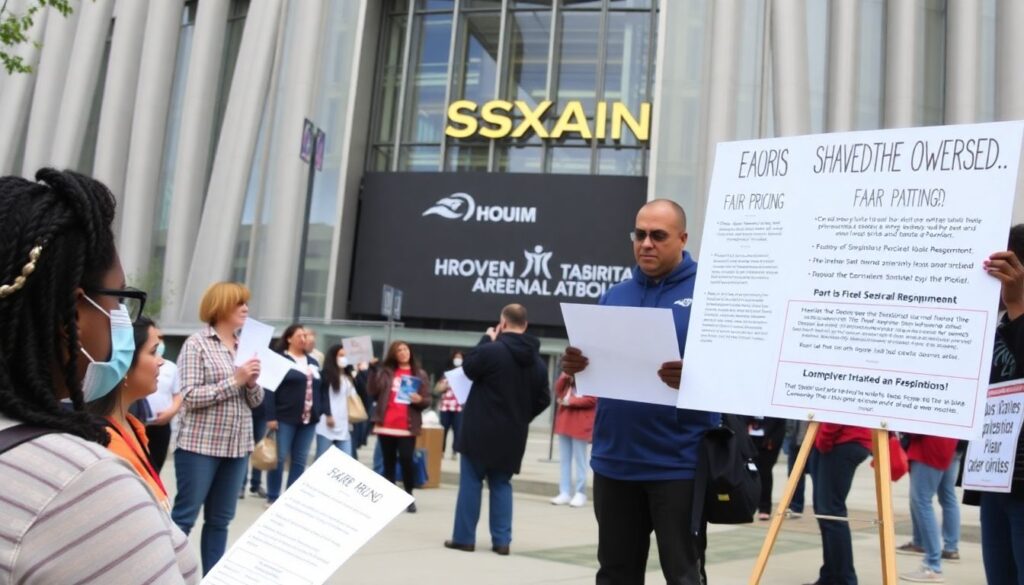
No, but it helps align incentives. Even without full community ownership, partial fan representation and legally binding agreements on pricing, access and design can moderate the most damaging forms of stadium gentrification.