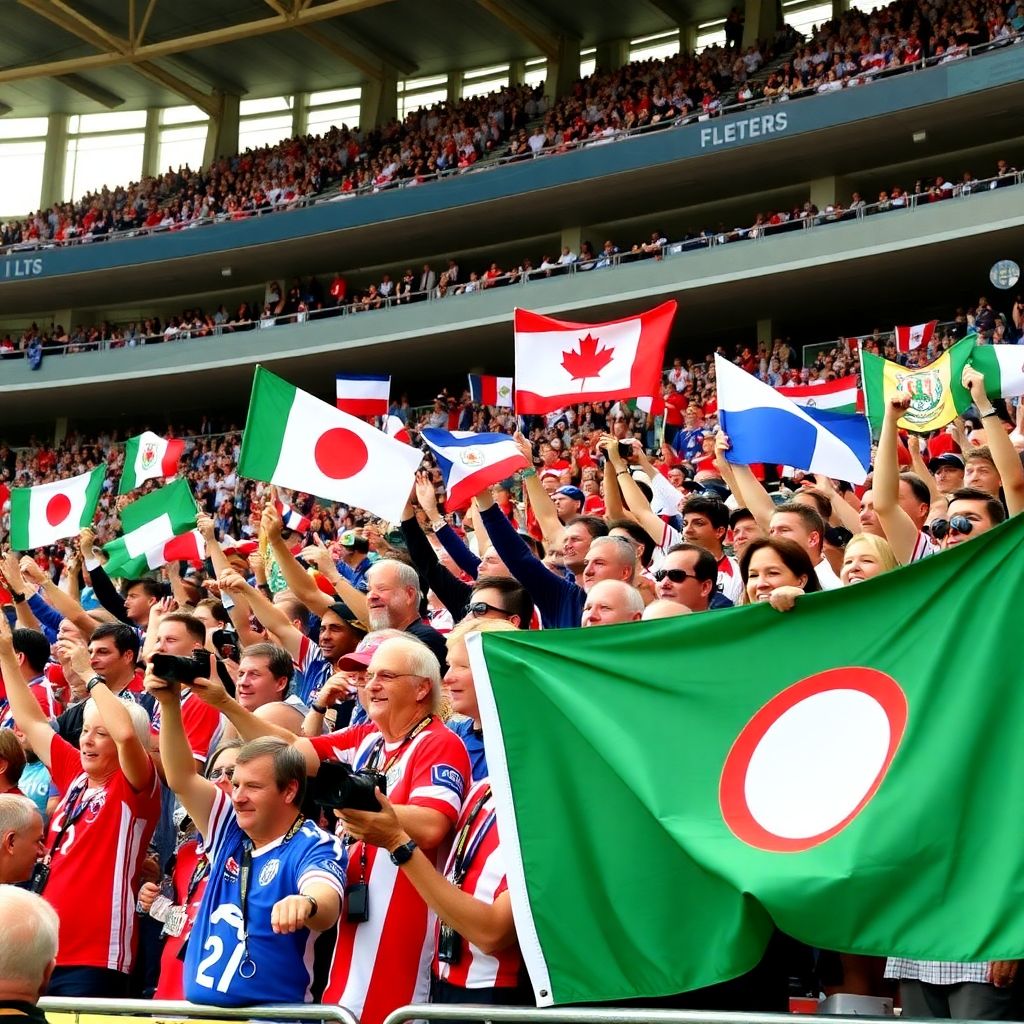
Football and politics intersect whenever the game is used to build national identity, legitimise governments, distract from crises or project influence abroad. Power holders exploit fandom, media visibility and symbols (flags, anthems, jerseys) to shape narratives. Understanding this relationship helps citizens, journalists and policymakers recognise manipulation and design healthier sports governance.
How football shapes political narratives
- Governments use football success to boost popularity and unite divided societies, especially during elections or crises.
- Stadiums and tournaments serve as global stages to polish the international image of regimes, including in dictatorships.
- National teams, flags and anthems transform matches into rituals of belonging that can be mobilised for patriotic campaigns.
- Control over clubs, federations and TV rights turns football into a source of patronage, propaganda and soft power.
- Players and fans can resist or reinforce power: activism challenges narratives, while silence often normalises abuses.
- Historical research, especially fútbol y política en América Latina análisis histórico, shows recurring patterns citizens can learn to detect.
Historical intersections of football and state power
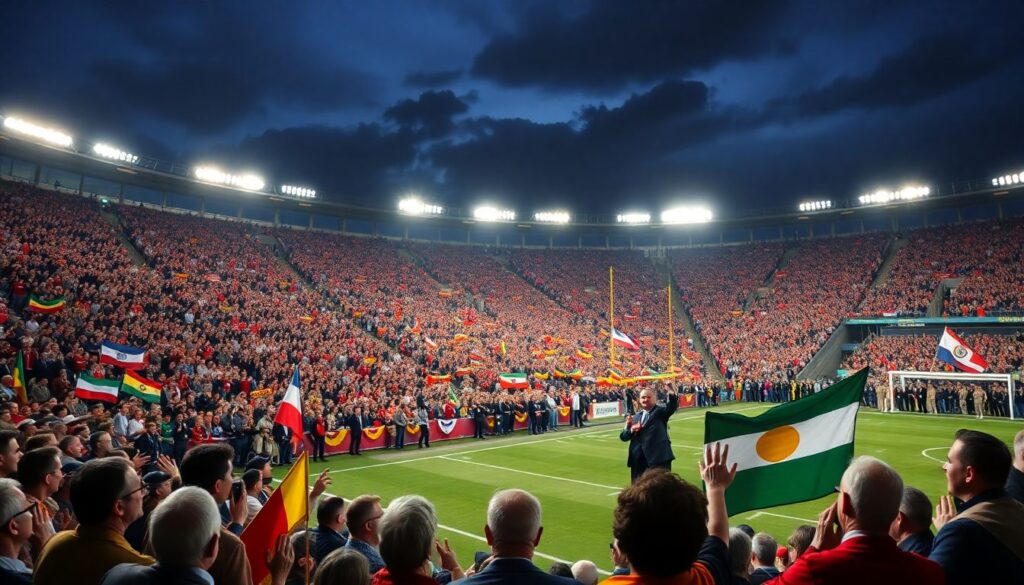
The link between football and political power is broader than simple government interference in sport. It covers all the ways authorities try to use the game to gain legitimacy, control populations or negotiate their position in the international system. This includes democracies, dictatorships and hybrid regimes.
In Europe and Latin America, the relación entre fútbol y poder político en dictaduras has been particularly visible. Military regimes in the Southern Cone, the Franco era in Spain or other authoritarian governments tried to present themselves as modern, efficient and popular by associating with winning teams, star players and modern stadiums. Democratic governments, in turn, have often used football to channel regional tensions into symbolic rivalries instead of open conflict.
From a practical perspective, understanding these historical intersections helps analyse present decisions: public funding for stadiums, security operations around derbies, or diplomatic boycotts of tournaments are not neutral. They are part of a long tradition where football becomes a contested terrain between state, market and society.
For readers looking for deeper context, many libros sobre fútbol y política and documentales sobre fútbol, dictaduras y poder explore these patterns and provide concrete case studies that make it easier to recognise current strategies of influence.
Symbolism: flags, jerseys and national identity
Symbols are the fastest and most emotional bridge between football and politics. Governments and parties rely on them because they can be activated in seconds and repeated endlessly through TV, social media and merchandising.
- National jerseys as moving flags
When the national team plays, millions wear the same colours. Leaders position themselves next to the team to appear as guardians of the nation. In Spain, debates over who embraces or rejects the selección show how jerseys carry competing ideas of country. - Anthems and pre-match ceremonies
Playing the anthem, military displays or moments of silence before kick-off turn the match into a state ritual. In some regimes, cameras focus heavily on leaders during the anthem to centre them in the emotional climax. - Banners, tifos and choreographies
Fan groups create giant displays that can echo or challenge official narratives. Authorities may reward groups that adopt patriotic slogans and punish those using anti-government or pro‑minority messages. - Commemorative matches and memorial days
States declare special matches to honour victims, heroes or historical events. The choice of which tragedies are remembered and which are ignored reveals political priorities. - Language and slogans in campaigns
Election campaigns frequently borrow football language: «team», «captain», «playing at home». This frames politics as a match where loyalty matters more than deliberation, reinforcing «us versus them» thinking. - Rebranding after regime change
After transitions from dictatorship to democracy, new symbols in federations, badges or stadium names signal a break with the past. Conflicts around these changes often reopen debates on memory and justice.
Stadiums as stages for political spectacle
Beyond symbols, stadiums are physical infrastructures where politics of power and control become visible. They concentrate citizens, cameras and emotions in a single place, which is ideal for leaders who want to project authority.
- Mass rallies disguised as celebrations
Authoritarian rulers often turn title celebrations or national team send‑offs into political rallies. Speeches, choreographed applause and controlled media coverage build an image of unanimous support. - Security operations and surveillance
Major matches justify extensive policing and surveillance technologies. Once deployed in stadiums and fan zones, these tools tend to expand to other areas of public life, normalising higher control. - VIP boxes and clientelism
Corporate boxes become spaces where business elites, party leaders and media executives negotiate deals. Tickets are distributed as favours, weaving networks of loyalty around political actors. - Hosting rights for city mayors and regional leaders
Local authorities fight to host finals or international tournaments, presenting them as proof of good management. The visibility gained can be converted into votes, even when projects generate debt or displacement. - Silencing or amplifying fan protests
Chants and banners can criticise governments, as seen in many Latin American stadiums. The decision to allow, fine or repress these expressions is itself a political act.
Applied scenarios: how governments actually use football
The mechanics above translate into recurring, recognisable scenarios that analysts, journalists and citizens can monitor in real time.
- Crisis distraction scenario
A government facing scandals suddenly intensifies football presence in official communication: more photos with players, public screenings, and narratives linking «unity around the team» with «stability». Monitoring media share of football versus policy issues helps detect this manoeuvre. - Legitimacy through infrastructure scenario
Authorities announce ambitious stadium or training centre projects before elections. Construction is framed as «investment in youth and sport» even when urban planning is weak. Following the money – contracts, land use, long‑term maintenance – reveals whether projects serve citizens or mainly contractors and political allies. - Diplomatic reset scenario
States in conflict use friendlies or joint bids for tournaments as symbols of a new era. Analysts can track if this symbolic cooperation is matched by real progress in human rights, trade or conflict resolution, or if it remains pure image management.
Policy and governance: funding, regulation and soft power
Public policy is where the relación entre fútbol y poder político en dictaduras and democracies becomes concrete: budgets, laws and international strategies determine who controls the game and with what safeguards. Using football as a policy tool has advantages but also important risks and limits.
Potential advantages of political engagement in football
- Structured investment in grassroots football can support health, education and social inclusion when transparently managed.
- Clear regulation of federations, TV rights and betting markets can reduce corruption and protect competitive balance.
- Hosting tournaments can catalyse infrastructure upgrades, if projects are audited and aligned with long‑term urban plans.
- International football cooperation can support diplomatic goals, easing tensions and opening channels of dialogue between states.
- Conditional public funding (linked to diversity, anti‑racism and community work) can push clubs and leagues to adopt better standards.
Risks and limitations of using football as a tool of power
- Politicised appointments in federations and clubs undermine professionalism and often produce mismanagement and scandals.
- Excessive public spending on mega‑stadiums can crowd out investment in basic services and deepen social inequalities.
- Instrumentalising national teams for constant propaganda erodes trust and can turn defeats into political crises.
- Repression of critical fan groups damages civil liberties and transforms stadiums into spaces of fear instead of community.
- Soft power strategies based on tournaments may backfire when media focus shifts to human rights abuses or corruption around events.
Player activism, sanctions and career consequences
Players occupy a special position: they are workers, public figures and role models. When they speak on political issues, they challenge the comfort zone of clubs, sponsors and authorities, which can trigger both support and punishment.
- Myth: players are «just athletes» and should stay neutral
In reality, forced neutrality is itself political when federations use players in patriotic campaigns but silence them on social issues. Many historical cases show that silence often protects the status quo more than it protects players. - Myth: activism always destroys careers
Some players have suffered sanctions, lost transfers or faced media attacks. Others, however, have strengthened their public image and opened post‑career paths in media or politics. Outcomes depend on context, timing and collective support from teammates and fans. - Error: speaking without support networks
Individual statements without legal, union or organisational backing leave players vulnerable. Safer strategies involve coordination with players' unions, NGOs or collective team actions that make retaliation more costly. - Error: ignoring local sensitivities
Messages that resonate globally may be misread locally, especially in regions marked by nationalism or territorial conflicts, like parts of Spain or the Balkans. Consulting trusted local advisors helps avoid unnecessary escalation. - Myth: only global superstars can influence politics
Lower‑profile players can shape debates in their communities, clubs or regional leagues. Small actions – visiting neighbourhood projects, supporting anti‑racism campaigns – accumulate and can change club culture over time.
International tournaments as instruments of diplomacy
International tournaments concentrate media, tourists and political leaders in a single event, making them powerful diplomatic tools. Governments try to convert sporting moments into long‑term political capital, a pattern visible in many influencia política en el fútbol mundial ejemplos studied by researchers and journalists.
Consider a simplified mini‑case that mirrors real‑world dynamics:
- Decision to bid
A state with an image problem (for example, regarding human rights) launches a bid for a World Cup or continental championship. The official narrative focuses on modernisation and global friendship. - Coalition building
The government courts football federations, sponsors and international broadcasters. Diplomatic visits are combined with promises of investment and security cooperation. Domestic opposition criticises costs and priorities. - Event delivery
New stadiums and transport projects are completed. During the tournament, leaders use ceremonies and VIP hospitality to host foreign heads of state and CEOs, trying to close deals beyond football. - Narrative battle
Civil society groups, sometimes supported by documentales sobre fútbol, dictaduras y poder, highlight labour abuses or repression. The government counters with images of happy fans and «apolitical» celebration. - Aftermath
Once cameras leave, the country keeps both the infrastructure and the reputational balance: some soft power gains, some persistent criticisms. The real diplomatic impact depends on whether internal reforms follow the promises made during the bidding phase.
For analysts and citizens in Spain and Latin America, tracking these cycles – from bid to legacy – is key to evaluating when football diplomacy serves the public interest and when it primarily protects elites.
Practical questions about football used as a tool of power
How can citizens recognise when football is being used to distract from political problems?
Look for sudden increases in official football messaging during scandals or crises, especially when leaders appear constantly with players or at matches. Compare media time devoted to sport versus concrete policy debates over several weeks.
What should journalists focus on when investigating political influence in football?
Follow the money: public contracts for stadiums, TV rights deals, sponsorship agreements and appointments in federations or clubs. Connect these to party financing, lobbying and regulatory decisions that benefit specific actors.
Are there ethical ways for governments to engage with football?
Yes, if engagement is transparent, limited in time and focused on public goods such as grassroots programmes, accessibility and anti‑discrimination measures. Independent oversight and clear criteria for funding help prevent capture of the game by political interests.
How can fans resist the manipulation of football by political elites?
Fans can organise independent associations, demand transparency from club owners and federations, and support campaigns that defend civil rights in stadiums. Collective, peaceful action – petitions, coordinated displays, public statements – is harder to ignore than isolated protests.
What role do books and documentaries play in understanding football and power?
Serious libros sobre fútbol y política and well‑researched documentales sobre fútbol, dictaduras y poder provide context that match broadcasts rarely show. They connect individual matches or scandals to broader patterns of repression, resistance and soft power strategies.
Why is Latin America often mentioned in debates about football and politics?
Latin America offers dense case material: military dictatorships, democratic transitions, and strong club cultures. Fútbol y política en América Latina análisis histórico helps reveal how similar mechanisms of control and resistance appear later in other regions.
Can international football bodies reduce political abuse of the game?
They can set minimum human rights, transparency and governance standards for tournaments, clubs and federations. Enforcement, however, depends on political will and pressure from member associations, sponsors, media and fans working together.