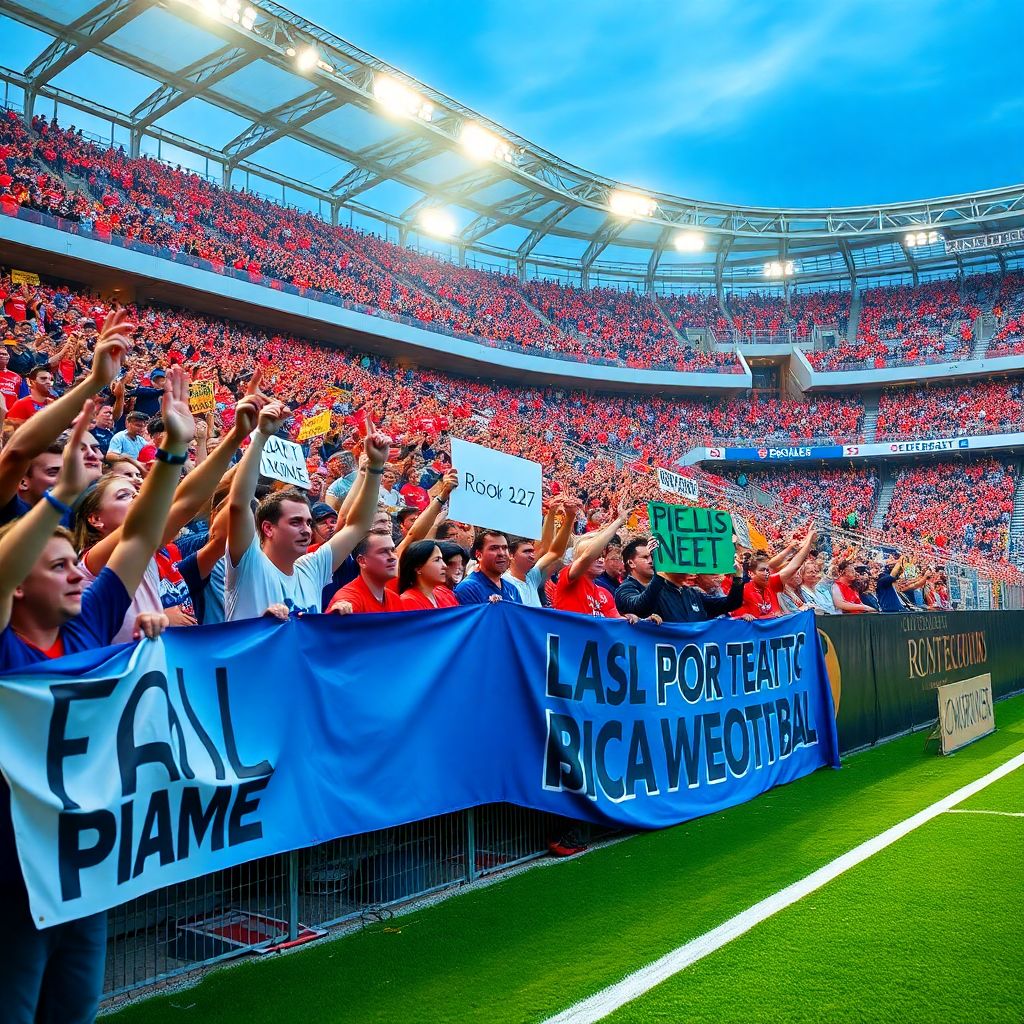
Loving football while criticising its commercialization is not only possible, it is necessary to protect the game’s culture. You can enjoy goals, tactics and rituals while opposing exploitative ownership, manipulative marketing and exclusionary pricing. The key is separating emotional attachment to the sport from clear-eyed analysis of the industry around it.
Core arguments at a glance
- Modern football is both a global cultural ritual and a powerful entertainment industry shaped by financial, legal and media forces.
- You can defend football’s social value while conducting a mercantilización del fútbol análisis crítico focused on power, money and regulation.
- Commercialization brings better infrastructure and visibility but also higher ticket prices, schedule fragmentation and fan alienation.
- Regulation, fan ownership and organised supporter movements reduce risks more effectively than individual consumer choices alone.
- Comparing approaches by ease of implementation and risk helps decide where to put your energy: local clubs, national rules or global campaigns.
- Documentales sobre negocio del fútbol streaming, libros sobre industria del fútbol y comercialización and expert charlas y conferencias sobre economía del fútbol can sharpen your judgement without killing your love for the game.
Historical shifts: from local clubs to global brands
Commercialization of football describes the long process through which community clubs and amateur competitions have become profit-driven businesses integrated into global entertainment and financial markets. In Spain and Europe, this has turned many historic institutions into brands that sell media rights, sponsorship packages and financial products alongside match tickets.
The core tension is simple: football is a social game, but it now operates inside the logic of investor returns and platform algorithms. Debates labelled as fútbol moderno negocio opiniones are usually not about whether players should be paid, but about where the limit lies between sustainable professionalism and pure extraction of value from fans, players and public money.
Historically, professionalisation brought stability: paid players, formal leagues, standard rules. Later, TV rights, corporate sponsorships and global merchandising layered new revenue streams onto that structure. Recently, private equity, sovereign wealth funds and speculative transfers have pushed the sport towards high financial risk, where clubs become assets in larger portfolios.
Understanding this evolution helps separate three layers: the game on the pitch, the club as social institution, and the club as commercial brand. Loving the first two does not require uncritical support for the third.
Economic forces reshaping player markets and fan access
The current industry is driven by several linked mechanisms. Seeing these mechanisms clearly makes it easier to enjoy matches while criticising the system that surrounds them.
- Media rights auctions: Leagues sell broadcasting packages to TV and streaming platforms. High bids mean more income but also fragmented schedules, kick-off times optimised for global audiences and higher subscription costs for local fans.
- Transfer market inflation: Clubs treat players as financial assets, using long contracts and complex deals. Prices rise faster than underlying revenues, creating pressure to open new income sources and sometimes encourage risky financial engineering.
- Sponsorship and naming rights: Shirts, stadiums and competitions become advertising spaces. This can stabilise budgets but risks over-dependence on a small set of sponsors, including politically sensitive or environmentally damaging industries.
- Debt and external investors: Loans and investor capital finance transfers and infrastructure, but interest and expected returns pull money away from sporting and community priorities towards servicing capital.
- Dynamic pricing and VIP segmentation: Ticketing systems maximise revenue per seat, creating luxury experiences for a minority while making regular attendance harder for traditional working-class fanbases.
- Global merchandising and tours: Pre-season trips and constant shirt redesigns monetise international fanbases, but they also overload players and displace attention from local supporters who built the club’s identity.
- Regulatory arbitrage: Owners exploit differences between national rules, tax regimes and league governance to gain financial advantages, often at the cost of transparency and long-term stability.
Media, sponsorship and the attention economy
Media systems are now central to how the football business works. The sport competes with other entertainment products for attention, and commercial strategies are designed around that competition.
Several recurring scenarios show how this attention logic shapes what fans experience:
- Broadcast packaging and kick-off times: Matches are scheduled to fill TV «slots» and maximise global viewers, even when this means late-night games on weekdays or noon kick-offs in extreme heat, with local fans treated as background for the broadcast product.
- Streaming fragmentation: Rights are divided between platforms, forcing supporters to subscribe to multiple services. Debates on fútbol moderno negocio opiniones often focus on this feeling of paying more for a product that is harder to follow live.
- Storyline-driven coverage: Media emphasise transfer rumours, scandals and personal brands over tactics or youth development, because speculation keeps people clicking and watching between matchdays.
- Branded content and influencer partnerships: Clubs collaborate with sponsors and creators to produce lifestyle content. For fans, the line between authentic behind-the-scenes access and pure advertising becomes increasingly blurred.
- Algorithmic visibility: Social platforms reward extreme reactions and tribal conflict. This encourages more polarised debates and shallow takes instead of nuanced mercantilización del fútbol análisis crítico.
- Documentaries and docuseries: Many documentales sobre negocio del fútbol streaming present a glossy behind-the-scenes view that mixes genuine insight with brand management. They can educate, but they also normalise certain business practices as inevitable.
Ethics and inequality: who benefits from commercialization
Commercialization is not entirely negative. It has financed better pitches, safer stadiums and broader visibility, especially for women’s football. At the same time, it intensifies inequalities within and between leagues, and raises questions about labour rights, public subsidies and community voice.
Comparing approaches requires being honest about both benefits and risks.
Potential gains and opportunities
- Improved stadium infrastructure, training facilities and medical support for players at top and sometimes mid-level clubs.
- Professional pathways and visibility for women’s and youth football where investment is shared across the club’s structure.
- Global broadcasting that allows fans in Spain to follow Latin American, Premier League or Champions League matches easily.
- Economic spillovers in host cities on matchdays, including hospitality, transport and small businesses around stadiums.
- Higher professional standards in governance where leagues enforce licensing, transparency and basic financial control.
Risks, costs and structural harms
- Ticket and subscription prices that exclude low-income supporters, undermining the traditional social mix of the grada.
- Public subsidies for private stadiums or debt relief, effectively shifting costs from owners to taxpayers.
- Player overload through congested calendars designed for TV, increasing injury risk and shortening careers.
- Growing gap between elite and grassroots football as money concentrates in a few leagues and clubs.
- Sportswashing, where authoritarian regimes or controversial corporations use clubs as image-laundering tools.
- Weakened democratic culture inside clubs when decision-making moves from members to distant investors.
Preserving football culture: supporters, rituals and identity
Criticising commercialization does not mean rejecting change or professionalism. It means defending certain non-negotiable elements: affordable access, fan voice, local identity and space for grassroots football. Along the way, several misconceptions and strategic errors commonly appear.
- Myth: «If you really cared, you would stop watching entirely.» Total boycott is high-cost and often ineffective alone. Selective engagement plus organised pressure usually changes behaviour more than isolated individual purity tests.
- Myth: «Modern fans abroad are the problem.» International supporters are not enemies; they often share concerns about pricing and integrity. The core issue is how clubs use global audiences to justify neglecting local communities.
- Error: Reducing everything to nostalgia. Not every innovation is neoliberal decay. Some changes (better security, women’s leagues) are progress. Effective critique distinguishes between commercial logic that supports the game and logic that extracts from it.
- Error: Ignoring your own power as a stakeholder. Members, season-ticket holders and organised supporters in Spain have legal and political levers, especially in member-owned clubs. Underestimating this power leaves decisions entirely to executives.
- Myth: «Culture is safe as long as ultras are loud.» Noise alone does not protect governance, ticketing or kick-off times. Sustainable fan culture needs both atmosphere and structured advocacy on legal and financial issues.
- Error: Consuming only club PR. Balancing official content with independent journalism, libros sobre industria del fútbol y comercialización and serious charlas y conferencias sobre economía del fútbol is essential to avoid internalising club spin.
Practical responses: reforms, fan ownership and sustainable models
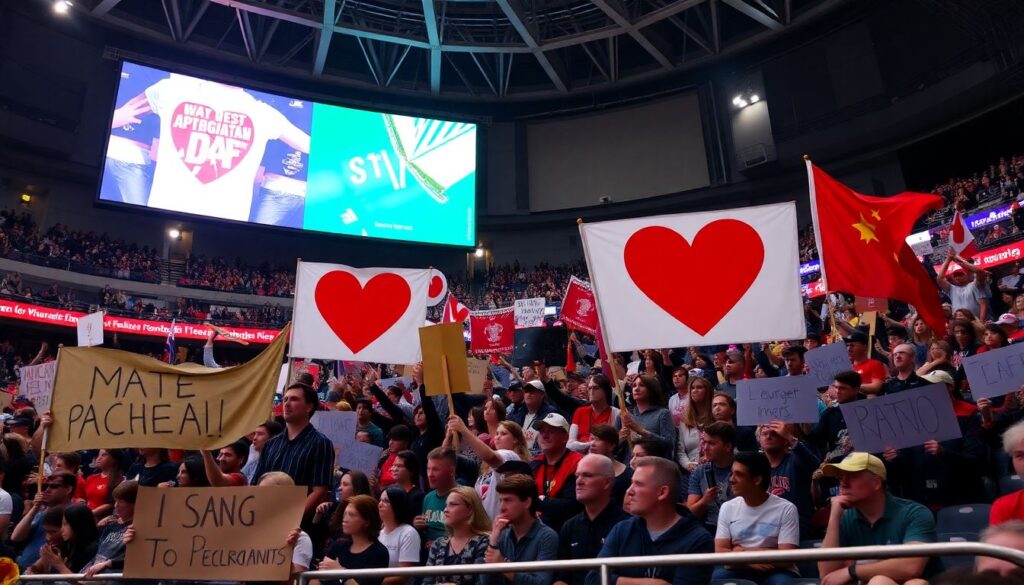
There are multiple strategies to love football while criticising and changing its industry. They vary in ease of implementation and in the risks they carry for fans and for the game itself. Combining approaches is usually more effective than betting on a single «silver bullet».
Below is a comparison focused on practical adoption and potential downsides:
| Approach | Ease of implementation for an average fan | Key risks and limitations |
|---|---|---|
| Consumer choices (selective subscriptions, merchandise boycotts) | High – can be done individually at any time | Impact is small if not coordinated; can lead to disengagement without structural change. |
| Supporter groups and local campaigns | Medium – requires time, coordination and basic organising skills | Risk of internal conflicts; club management may try divide-and-rule tactics or symbolic concessions only. |
| Fan ownership and member-based governance | Medium to low – depends on national law and existing club structure | Members can reproduce elite interests; financial constraints may limit competitiveness if rules are poorly designed. |
| Regulatory reform (salary caps, financial fair play, ownership rules) | Low for individuals – needs political/legal advocacy and alliances | Slow to achieve; regulators can be captured by powerful clubs and leagues. |
| Alternative competitions and grassroots projects | Medium – feasible locally with committed volunteers | Limited visibility and resources; risk of burnout among organisers. |
One concrete example is the resistance to closed super leagues in Europe. Fans, smaller clubs, players and even some broadcasters considered the project an extreme form of mercantilization. Within days, coordinated protests, critical media coverage and political pressure forced several clubs to withdraw, showing that organised supporters and public opinion can still set limits on the industry.
Another example, closer to everyday practice, is the rise of fan-owned or member-majority clubs in Spain and elsewhere. These models are not perfect: they still operate in competitive markets and sometimes adopt aggressive commercial strategies. But member voting, transparency obligations and caps on private shareholding reduce the risk of speculative ownership and align decisions more closely with long-term sporting and community interests.
When evaluating strategies to both love and change football, it helps to think in layers: what you do as an individual fan, what you do collectively at club level, and what you support at league and political levels. Each layer has different ease and risk, but together they can rebalance the relationship between the game and the market.
Personal checklist for loving the game and criticising the industry

- Have I separated my emotional loyalty to the team from my evaluation of owners, executives and sponsors?
- Do I get information from independent journalism, analysis and documentales sobre negocio del fútbol streaming, not only from official channels?
- Am I involved, even minimally, in a supporters’ group or initiative that defends fan interests?
- Have I reviewed my own spending on tickets and subscriptions to see whether it supports or challenges harmful practices?
- Do I support legal and political reforms that strengthen transparency, fair competition and fan voice in football?
Quick clarifications for common concerns
Does criticising commercialization mean I should stop watching my club?

No. You can keep watching while being selective about where you spend money and how you express support. Structural change comes more from organised pressure and regulatory reform than from individual withdrawal alone.
Are international fans to blame for rising prices and «modern football»?
Not primarily. Prices rise because clubs and leagues prioritise revenue maximisation. International fans can be allies in pushing back against exploitative practices, especially when debates around fútbol moderno negocio opiniones are framed as structural, not xenophobic.
Is fan ownership a realistic alternative in the Spanish context?
Sometimes. Member-owned models already exist, but legal and financial conditions vary by club. Fan ownership works best when combined with strong transparency rules, professional management and limits on external debt.
Can better regulation fix most of the problems in the football industry?
Regulation can reduce extreme financial risk, protect competition and give fans a formal voice, but it is not magic. Its effectiveness depends on enforcement, independence from powerful clubs and public pressure to resist regulatory capture.
Do documentaries and books about football business really help fans?
Yes, if you choose critical and well-researched materials. Quality libros sobre industria del fútbol y comercialización and serious documentales sobre negocio del fútbol streaming can explain mechanisms and incentives that are invisible on matchday.
How can I start a more informed discussion in my supporters’ group?
Share accessible materials, invite someone who follows charlas y conferencias sobre economía del fútbol, and focus on concrete club issues: ticket pricing, governance, community projects. Practical goals help keep debates constructive.
Is it hypocritical to enjoy star players whose transfers I criticise?
No. You can admire individual talent while questioning the financial structures around transfers, agent fees and wages. The aim is not moral purity, but aligning your support with a push for more sustainable and fair rules.