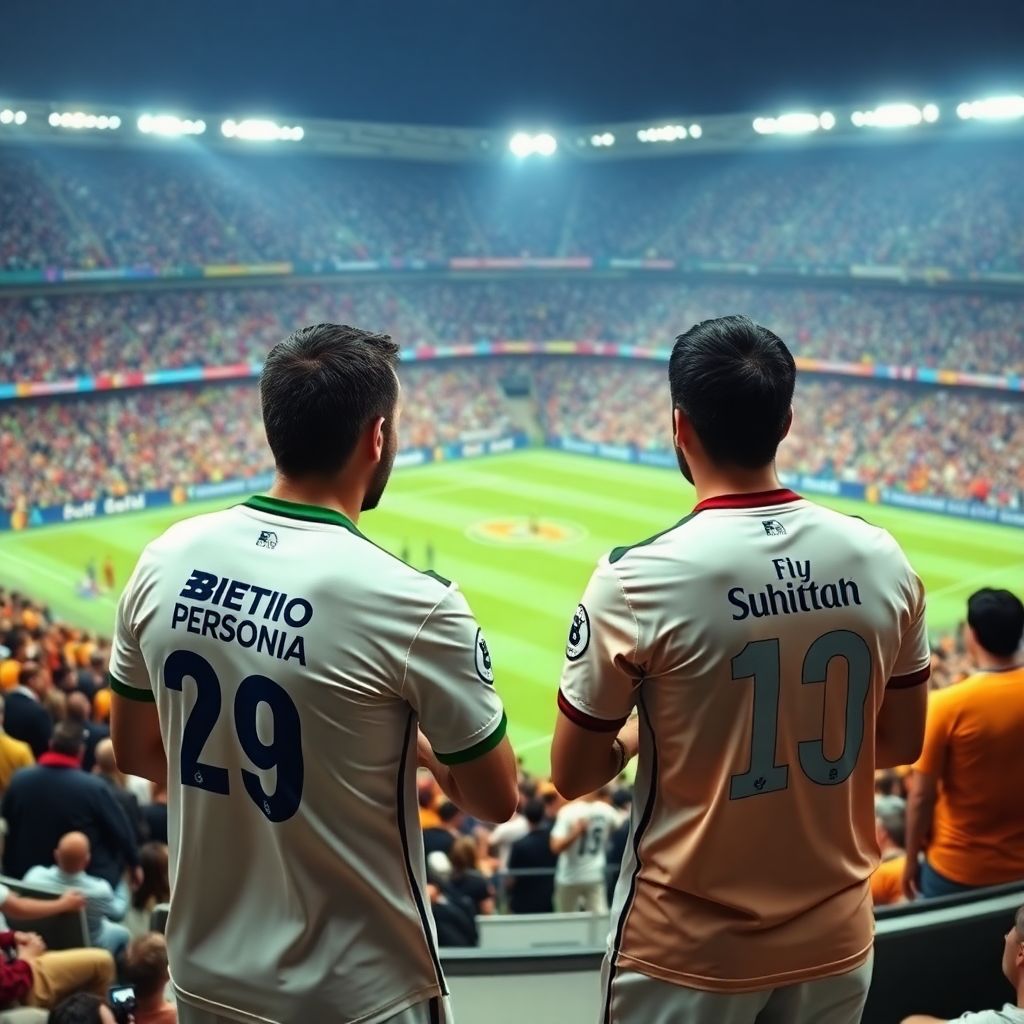
Betting sponsors on football shirts and crests trade short‑term income for long‑term risks: visual clutter, dependence on volatile gambling revenue and erosion of club identity. In Spain, debates about casas de apuestas patrocinadores camisetas de fútbol focus on where to draw the line between commercial survival and preserving tradition, credibility and youth protection.
Core implications for kit and crest authenticity
- Front‑of‑shirt gambling sponsors push the club crest into a secondary, less visible role.
- Frequent sponsor changes accelerate design churn and weaken visual continuity.
- Co‑branded crests and colour overrides blur club identity with betting brands.
- Legal moves to eliminar publicidad casas de apuestas en camisetas deportivas are reshaping design rules.
- Supporter trust suffers when clubs ignore the impacto de los sponsors de apuestas en la identidad de los clubes.
- Equally, abrupt exits from gambling deals can create revenue gaps and sporting instability.
How betting sponsors have reshaped jersey design
Betting sponsorship has turned the front of the football shirt into premium advertising real estate. Where once the crest dominated, many clubs now give the main visual focus to a gambling logo, often designed with high contrast, bright colours and bold typography that overpower the club's own visual language.
In Spain and across Europe, casas de apuestas patrocinadores camisetas de fútbol have driven several aesthetic shifts: larger central logos, cluttered secondary branding on sleeves, and home kits adapted to match sponsor colours rather than historical club palettes. Retro reissues and "no sponsor" special editions highlight how different the same kit looks without the betting mark.
Mini‑case: A La Liga club redesigned its stripes to create a flat colour block across the chest, solely to make the betting logo more legible for TV and digital capture. The crest was reduced and moved slightly upward, illustrating how design hierarchy changes once a gambling sponsor becomes the central element.
Regulatory limits and jurisdictional differences for gambling logos
Laws and self‑regulation frameworks shape how gambling logos can appear on kits, and they differ strongly by country and competition. Understanding these limits is crucial before signing a deal or planning a multi‑market shirt strategy.
- National advertising laws. A ley sobre patrocinio de casas de apuestas en el fútbol may restrict or ban gambling logos on match shirts, training wear, or youth sizes. Spain has tightened rules around exposure, while other jurisdictions still allow broad use with warnings.
- Age‑based protections. Many leagues ban gambling sponsors on children's shirts or in youth competitions. Clubs must often produce separate "clean" versions of the kit, increasing design and logistics complexity.
- Competition‑specific rules. UEFA or domestic cups sometimes apply stricter limits than national leagues. A shirt that is legal in league play may require an alternative sponsor or blank front in continental matches.
- Territorial variants. Clubs with global fanbases may sell different retail versions: gambling sponsor visible in some markets, removed or replaced elsewhere, depending on local regulation and cultural expectations.
- Content restrictions. Rules can cover logo size, placement, slogan language and associations with "easy money" or live odds, all of which affect how designers integrate the brand.
- Phase‑out and transition clauses. As more governments move to eliminar publicidad casas de apuestas en camisetas deportivas, contracts increasingly need clear exit timelines and design plans for post‑gambling eras.
Mini‑case: A club playing in both a lenient domestic league and a stricter European competition created two shirt versions: one with a full betting logo and one with a charity logo in the same shape. This dual approach reduced legal risk but increased costs and confused some supporters.
When crest becomes collateral: modifications and co-branding
Once a betting sponsor is integrated, pressure often grows to align the crest and kit more closely with sponsor identity. The crest can become "collateral" in the partnership rather than an untouchable symbol.
- Colour overrides. The club accepts changing kit or even crest colours to harmonise with the betting brand palette, reducing historical recognisability.
- Co‑branded lock‑ups. Crest and sponsor are shown as a single combined mark on training wear, digital graphics and even limited‑edition shirts, making it harder for fans to separate club and gambling imagery.
- Simplified or flattened crests. To make space for overlays or to work with broadcast graphics, traditional shields are reduced to minimal icons, often losing local detail and heraldic references.
- Matchday assets re‑skinned. Corner flags, captain's armbands and pre‑match jackets adopt sponsor colours and slogans, with the crest shrinking or moving to secondary positions.
- Retro merch with sponsor. Classic kits are reissued with modern betting logos, rewriting visual history and confusing timelines of what the club "looked like" in different eras.
Mini‑case: A club that had always played in a single shirt colour accepted a full‑torso graphic featuring its betting sponsor, reducing the crest to a monochrome version on the neck. Fan backlash focused less on the sponsor itself and more on the perception that the club's symbol had been downgraded.
Supporter reactions and effects on club identity
The impacto de los sponsors de apuestas en la identidad de los clubes is felt most strongly in how different supporter groups respond. Some see gambling deals as necessary modernisation; others perceive them as a betrayal of local roots and community responsibility.
Perceived advantages among some supporters
- Belief that higher sponsorship income funds better players, facilities and competitiveness.
- Acceptance that "everyone has a sponsor", so resistance seems unrealistic or nostalgic.
- Short‑term excitement around high‑profile international brands and more global visibility.
- Appreciation for occasional community or charity programmes funded by betting partners.
Main concerns and identity costs
- Discomfort about promoting gambling to children, especially when the same logo appears on youth replica kits.
- Feeling that the crest, colours and even stadium naming rights are subordinate to commercial interests.
- Alienation of long‑term socios who see the shirt as a cultural symbol rather than a billboard.
- Damage to club image when sponsors face regulatory crackdowns or ethical scandals.
- Growing preference for equipos de fútbol sin patrocinio de casas de apuestas, especially in lower divisions or fan‑owned projects.
Mini‑case: A Spanish club that replaced a local sponsor with a large online betting brand received mixed reactions. Younger fans highlighted transfer spending, while older members organised a campaign for "clean" shirts on youth teams, framing the issue as one of intergenerational responsibility.
Financial rationale: revenue models and sponsorship trade-offs
Clubs often justify gambling sponsors as unavoidable for financial competitiveness, but this view hides several strategic choices and risks. Comparing different approaches by ease of implementation and long‑term risk helps clarify the trade‑offs.
| Approach | Ease of implementation | Key risks for authenticity |
|---|---|---|
| Full betting sponsor on main shirt | High: strong market demand and clear commercial models | High: crest overshadowed, identity tied to gambling cycles, supporter backlash |
| Restricted or regional gambling presence | Medium: requires legal advice and multiple kit versions | Medium: mixed brand image, design inconsistency across markets |
| No gambling sponsor; alternative sectors | Lower: fewer high‑paying candidates | Lower: stronger authenticity, but financial pressure to cut costs or sell other assets |
- Myth: gambling sponsors are the only high‑value option. In practice, tech, finance, tourism and local institutional sponsors can sometimes match or nearly match offers, especially for clubs with strong community stories.
- Myth: switching away from betting will destroy competitiveness. Revenue gaps are real, but phased transitions, diversified partners and better merchandising strategy often soften the impact.
- Risk: over‑reliance on a single high‑paying deal. If regulation changes or the sponsor exits, the budget hole can force player sales and emergency cuts, harming both sporting and brand stability.
- Risk: devaluing other inventory. When the front of the shirt carries a controversial partner, it can be harder to sell family‑oriented assets (academies, women's team, grassroots programmes) to more cautious brands.
- Misconception: fans will tolerate any sponsor if results are good. Results buy time, but long‑term resentment can resurface in moments of crisis, making the sponsorship itself a symbol of "how the club lost its way".
Mini‑case: A mid‑table club phased out its betting sponsor over two seasons, first moving the logo to the sleeve and then replacing it with a regional tourism board on the chest. Short‑term revenue dipped, but season ticket renewals and shirt sales improved once fans felt the badge was "the main protagonist" again.
Practical safeguards clubs can use to protect authenticity
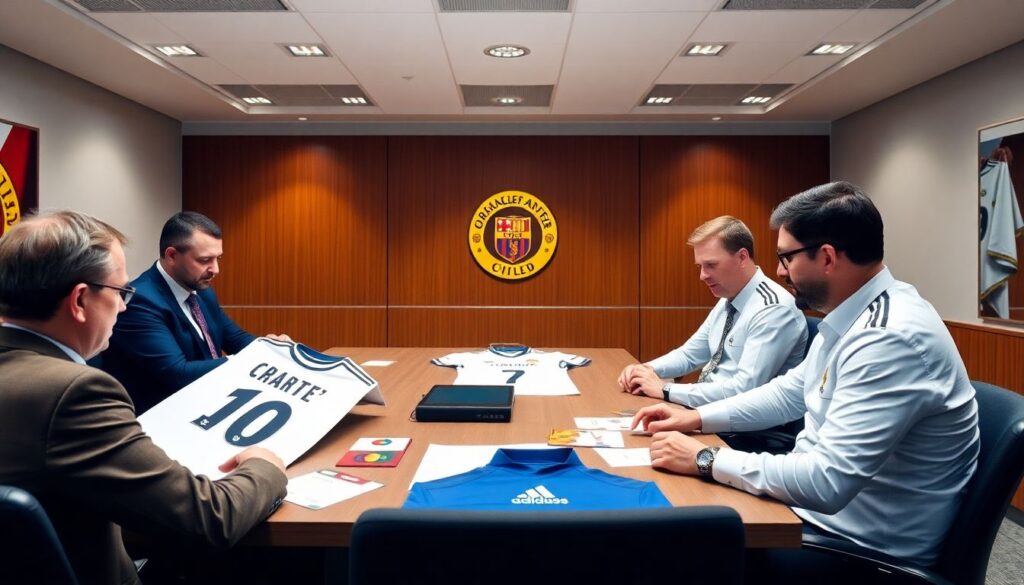
Clubs that still work with casas de apuestas patrocinadores camisetas de fútbol can reduce identity damage by embedding clear guardrails into strategy and contracts. These safeguards shape how far a betting sponsor can influence the shirt and crest.
- Design non‑negotiables. Protect core colours, crest size and placement in all agreements. Specify that sponsor marks must adapt to the shirt, not the other way around.
- Tiered exposure by team and age. Use clean shirts for youth sides and academies and consider reduced or alternative branding on women's and B teams to limit exposure.
- Exit and rebrand clauses. Prepare a path to eliminar publicidad casas de apuestas en camisetas deportivas, including timelines, compensation and successor categories, so regulation changes or fan pressure do not trigger chaos.
- Story‑first merchandising. Offer sponsor‑free or charity‑branded versions, especially for collectors and younger fans, reinforcing that the crest and club story come before any commercial partner.
- Periodic identity reviews. Regularly assess whether the partnership still aligns with club values, local regulations and supporter sentiment, rather than letting deals auto‑renew by inertia.
Mini‑case: A club anticipating stricter ley sobre patrocinio de casas de apuestas en el fútbol inserted a clause limiting logo size and guaranteeing a sponsor‑free youth line from day one. When new rules arrived, they smoothly shifted the main team to a new partner while keeping visual continuity for the crest and colours.
Quick self-check for preserving kit and crest authenticity
- Is the crest clearly the visual priority on all main kits and digital assets?
- Could the club function if gambling revenue disappeared within one season?
- Are youth, women's and community teams protected from betting exposure?
- Do contracts include concrete protections for colours, crest and sponsor size?
- Can the club explain its sponsorship choices convincingly to long‑term socios?
Practical questions about sponsorship impact on kits and crests
Are betting sponsors always the main cause of lost authenticity on shirts?
No. They are a strong accelerator, but authenticity also erodes through frequent kit changes, radical redesigns for fashion and inconsistent crests. Betting deals amplify these trends because sponsors often demand maximum visual dominance and rapid annual refreshes.
Can a club keep a traditional crest while working with casas de apuestas patrocinadores camisetas de fútbol?
Yes, if it sets clear design limits. Clubs that ring‑fence crest size, colours and placement, and refuse co‑branded crests, can reduce damage. The key is negotiating from values, not only from projected sponsorship income.
What does a typical ley sobre patrocinio de casas de apuestas en el fútbol regulate?
Such laws usually define where and how gambling brands can appear: on match shirts, training gear, in‑stadium advertising and youth materials. They may also restrict promotional messages, timing of ads and specific markets, like live odds or in‑play betting.
Why do some equipos de fútbol sin patrocinio de casas de apuestas choose alternative paths?
Reasons include ethical positioning, local political pressure, and a strategic bet on long‑term brand value. These clubs often cultivate community sponsors, member funding or multi‑partner models instead of a single dominant gambling brand.
How can clubs eliminar publicidad casas de apuestas en camisetas deportivas without destabilising finances?
By planning a phased transition: first reducing logo prominence, then moving the partner to a secondary asset, and finally switching category. Parallel work to grow merchandising, matchday income and non‑gambling partners softens the revenue drop.
What is the real impacto de los sponsors de apuestas en la identidad de los clubes?
They associate the club's image with a risky consumer behaviour, reshape colours and design hierarchy, and influence how families perceive the shirt. Over time, the club can be remembered more for its sponsor era than for its sporting or cultural milestones.
Are youth and academy kits usually treated differently from first-team shirts?
Increasingly yes. Even where laws do not force it, many clubs choose sponsor‑free youth kits or alternative partners more aligned with education and health, to avoid normalising gambling among children and teenagers.