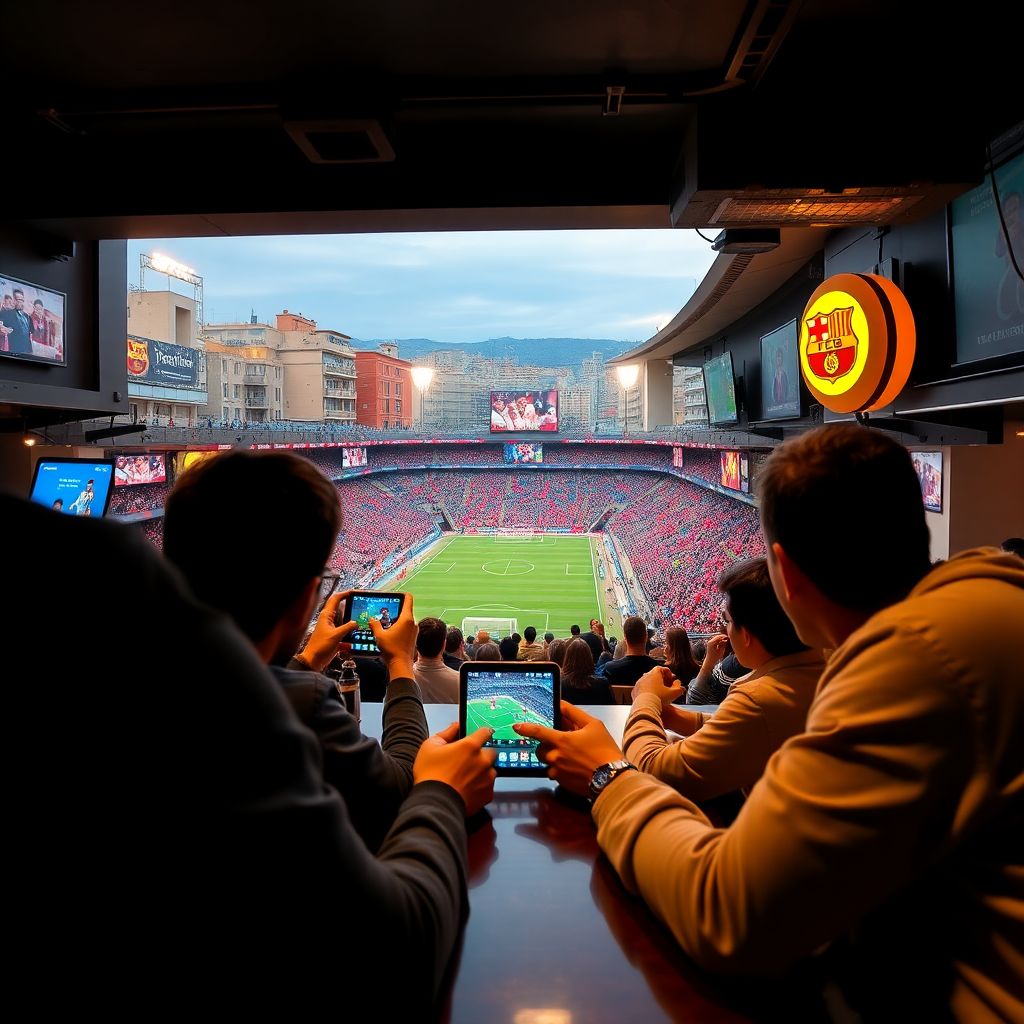
Football’s shift in Spain from working‑class pastime to premium subscription product reflects changes in media rights, wages and technology. Today, access depends on income, digital skills and location: attending matches, pay‑TV, and ver fútbol online suscripción each offer different levels of convenience, cost and social risk, especially for lower‑income fans.
Essential concepts and quick clarifications
- Historically, football in Spain was a cheap, local leisure activity tied to working‑class neighbourhoods and stadium terraces.
- Media rights, global broadcasting and mejores plataformas para ver fútbol en streaming turned matches into high‑value pay content.
- Subscription models segment access by price, device and bundle, changing who can follow their club weekly.
- Class now shapes whether a fan watches in the stadium, via canales de pago para ver fútbol en directo or informal bars and streams.
- Rising precio suscripción fútbol liga española risks excluding traditional supporters and re‑defining who counts as a «real» fan.
- Public policy, fan organisations and club choices can soften the class gap without fully reversing commercialization.
From terraces to TV packages: historical roots of football’s working‑class identity
To understand football and class, start with the stadium. In much of the twentieth century, Spanish football was physically and culturally rooted in working‑class districts. Many clubs were founded by industrial workers or local communities, and ticket prices were relatively low compared to local wages.
Standing terraces, simple infrastructure and limited alternative entertainment made going to the match a routine social ritual. Travel was local, spectatorship was collective, and most fans consumed football in person or via free‑to‑air radio and television rather than through canales de pago para ver fútbol en directo.
The game’s identity as a working‑class pastime does not mean only workers watched football. Middle‑class fans existed, but they often occupied better seats and had more stable access. What was distinctive is that the cheapest sections, supporter groups and everyday rituals were tightly linked to manual labour, union cultures and neighbourhood life.
This historical anchor matters when analysing today’s ver fútbol online suscripción ecosystem. When football becomes a premium entertainment product, long‑standing expectations collide with new realities: instead of walking to the stadium or turning on free TV, fans navigate competing streaming bundles, device requirements and complex licensing territories.
When the game became a commodity: commercialization, media rights and the rise of subscriptions
Commercialization is not new, but the intensity has changed. The key mechanisms that turned football into a subscription‑driven commodity can be summarised in several steps.
- Centralisation and sale of TV rights. Leagues and clubs negotiated collective broadcasting deals, making live rights the financial backbone of top divisions and pushing matches behind paywalls.
- Growth of pay‑TV and cable bundles. Canal‑style packages and dedicated sports channels introduced monthly fees and tiered access, replacing free terrestrial broadcasts for many key fixtures.
- Entry of telecoms and digital platforms. Broadband providers, mobile operators and mejores plataformas para ver fútbol en streaming competed for exclusive rights, integrating football into multi‑service bundles.
- Fragmentation of competitions across providers. Domestic leagues, cups and European tournaments ended up split between different broadcasters, forcing committed fans to stack multiple subscriptions.
- Algorithmic pricing and upselling. Flexible contract terms, promotional periods and premium add‑ons made the precio suscripción fútbol liga española feel unstable and opaque for many households.
- Platform‑based enforcement. Anti‑piracy campaigns and technical blocks aimed to protect rights holders, indirectly pushing fans towards official offers or, for some, to ever more hidden unofficial streams.
How subscription models reshape club revenue, player markets and competitive balance
Once subscription money becomes central, it reshapes behaviour and inequalities across the industry. Several typical scenarios show how class, markets and competition intersect.
- Big‑brand clubs maximising global subscribers. Large Spanish clubs court international audiences through global streaming deals and digital content, sometimes prioritising kick‑off times and pre‑season tours that fit foreign markets more than local working‑hour schedules.
- Mid‑table teams dependent on central money. For many La Liga sides, domestic TV revenue exceeds match‑day income. When ver fútbol online suscripción grows, their financial health hinges more on league‑wide broadcasting contracts than on local ticket affordability.
- Player markets inflated by broadcast expectations. Rights deals raise expectations about future income, supporting higher wages and transfer fees. Clubs that bet on ever‑rising TV deals take on financial risk if subscriber growth slows.
- Lower divisions struggling for visibility. Outside the top tier, limited coverage and patchy streaming deals mean smaller clubs may not fully benefit from the subscription boom, deepening inequality between divisions.
- Competitive balance linked to media appeal. Teams with global fanbases attract more favourable slots and promotion, reinforcing their dominance and making it harder for community‑oriented clubs to compete on or off the pitch.
- Local economies versus digital audiences. When the main audience is online, pressure to modernise stadiums for corporate hospitality can price out traditional fans while catering to sponsors and high‑income spectators.
Who consumes modern football: classed patterns in attendance, streaming and merchandise
As football becomes a premium entertainment product, different consumption channels map onto social class in distinct ways. Each channel combines conveniences and constraints that favour some groups over others.
Advantages of current access models for different groups
- Stadium attendance for higher‑income locals. Offers strong identity, live atmosphere and networking opportunities for those who can afford season tickets, transport and occasional hospitality packages.
- Premium pay‑TV bundles. Convenient for middle‑class households with stable income, good internet and multiple devices, making it easier to follow domestic league, European games and international tournaments from home.
- Streaming‑first offers. Digital‑savvy younger fans benefit from flexible contracts and app‑based access, especially in urban areas with fast broadband and compatible smart TVs or mobiles.
- Bars and public screenings. For some working‑class fans, watching via bar subscriptions spreads costs socially, preserving a collective ritual even when home packages are unaffordable.
- Tiered merchandise and budget lines. Clubs sometimes offer cheaper fan items, allowing lower‑income supporters to display allegiance without buying high‑priced official kits every season.
Limitations and risks built into these models
- Cost barriers and price creep. Rising precio suscripción fútbol liga española, combined with ticket inflation, pushes regular following of a club out of reach for many households.
- Digital divide. Rural areas, older fans and migrants without stable broadband or bank cards are disadvantaged by offers that prioritise online self‑service and automatic renewals.
- Fragmented subscription landscape. Comparativa plataformas fútbol por suscripción shows that following all competitions often requires several overlapping services, increasing complexity and long‑term spending.
- Classed time constraints. Irregular working hours, shift work and long commutes make fixed kick‑off times and late‑night European fixtures inaccessible for many working‑class fans.
- Informal or illegal alternatives. Pirated streams may seem accessible but carry legal and security risks, and quality is unreliable, reinforcing a second‑class experience for those priced out of official options.
- Identity dilution. When match‑day crowds and subscribers skew towards higher incomes, club culture risks shifting away from its historical social base.
Cultural consequences: exclusivity, identity shifts and the changing rituals of fandom

Several persistent myths shape debates about class and modern football. Clarifying them helps design more realistic and fair access strategies.
- Myth: «If football is on TV and streaming, it’s accessible to everyone.» In reality, access depends on income, devices, digital literacy and living conditions. A family sharing a small flat with unstable Wi‑Fi experiences pay‑TV and mejores plataformas para ver fútbol en streaming very differently from a well‑equipped middle‑class home.
- Myth: «Subscriptions only change where we watch, not who can watch.» When key matches move from free‑to‑air channels to canales de pago para ver fútbol en directo, some viewers are locked out altogether, especially pensioners, precarious workers and young people without independent income.
- Myth: «Higher prices just reflect quality; true fans will always pay.» Ability to pay is not a measure of loyalty. Treating financial sacrifice as a test of authenticity ignores structural inequalities and normalises exclusion of long‑standing working‑class supporters.
- Myth: «Streaming replaces the stadium without cultural loss.» Watching alone on a phone is not equivalent to singing in a packed stand. Subscription‑centred models often shift rituals from public, collective spaces to private, individualised consumption.
- Myth: «Bars and unofficial streams fully solve access problems.» Bars can mitigate costs but depend on local density and social safety, while unofficial streams are unstable and can expose users to malware or legal issues, producing a precarious second‑tier form of fandom.
- Myth: «Commercialization is irreversible, so policy and fan actions are useless.» While global media dynamics are powerful, targeted measures-price caps for some games, youth discounts, community tickets, or shared‑signal agreements-can meaningfully influence who is included.
Regulatory responses and practical strategies to preserve accessibility
Preserving football’s social role in Spain requires combining regulation, club policy and conscious consumer choices. The goal is not to freeze the past but to reduce class‑based exclusion while recognising that subscriptions will remain central.
Different approaches can be assessed by how easy they are to implement and what risks they carry for fans, clubs and broadcasters.
| Approach | Implementation convenience | Main risks and class impacts |
|---|---|---|
| Protected free‑to‑air matches (e.g. key national games) | Moderate: requires legal framework and renegotiation of rights, but uses existing FTA infrastructure. | Lower exclusion for low‑income fans; possible reduction in rights fees, affecting club revenues and smaller teams if not compensated. |
| Price regulation or recommended caps for basic league packages | Complex: regulators need data and enforcement tools; operators resist limits on pricing. | Improves affordability of ver fútbol online suscripción but may lead to reduced investment or creative fees via add‑ons and premium tiers. |
| Club‑led social ticketing and community quotas | High convenience for clubs: can be implemented via internal policy and ticketing systems. | Directly helps local working‑class fans but does not address pay‑TV barriers for distant supporters. |
| Support for public screenings and licensed community spaces | Moderate: requires municipal cooperation and clear licensing rules with rights holders. | Strengthens collective rituals; risk of creating segregated experiences where premium access stays private and comfortable. |
| Transparency rules and comparativa plataformas fútbol por suscripción | Relatively easy: consumer‑protection agencies can promote comparison tools and standardised contract information. | Helps households choose cheaper options but does not solve fundamental income gaps or device requirements. |
| Progressive bundles and solidarity funds within leagues | Complex negotiation among clubs and broadcasters; administratively heavier. | Can redistribute part of subscription income towards grassroots and lower‑income supporters, but may face resistance from top clubs. |
One practical illustration for the Spanish context shows how combined measures can work together.
Imagine a La Liga club in a working‑class barrio of Madrid. Local incomes are modest, but the team plays in the top division and depends heavily on broadcast money. Single‑match tickets are already expensive for many neighbours, and most key fixtures are locked behind multiple subscription layers.
The club, city council and broadcasters agree on a package:
- The club reserves a block of low‑price season tickets for residents of nearby postal codes, verified annually.
- The municipality funds a network of licensed public screening spaces (civic centres, libraries, supervised outdoor areas) that can legally show selected league and cup games.
- Broadcasters offer a simplified, lower‑cost «local fan» digital pass limited to matches of that club, verified via residence, complementing broader national bundles.
- Consumer authorities maintain an up‑to‑date comparativa plataformas fútbol por suscripción, highlighting real monthly costs and contract terms.
This hybrid model does not undo commercialization. Fans still navigate paywalls and packages. But by combining targeted regulation, club‑level decisions and clear information, it reduces class‑based exclusion and keeps a recognisable link between the club and its historical working‑class community.
Common misconceptions and concise answers
Does commercialization automatically destroy football’s working‑class culture?
Commercialization puts pressure on working‑class participation but does not automatically erase it. Outcomes depend on ticket policy, wage trends, local organisation and how subscription revenues are shared and reinvested.
Are streaming platforms always better than traditional pay‑TV for low‑income fans?
Streaming can be cheaper and more flexible, but only if users have reliable broadband, compatible devices and digital skills. For some households, a basic TV package or bar‑based viewing remains more realistic.
Is raising ticket and subscription prices the only way for clubs to stay competitive?
No. Clubs can diversify income through sponsorships, smarter merchandising and better cost control. They can also design progressive pricing that protects access for local, lower‑income supporters.
Do unofficial streams solve the problem of expensive subscriptions?
Unofficial streams reduce direct costs but introduce legal, security and quality risks. They do not build sustainable club revenue or guarantee stable, inclusive access in the long term.
Is it realistic for Spain to return to mostly free‑to‑air football?
A full return is unlikely because modern budgets depend heavily on rights income. However, partial measures-like protected matches and capped basic packages-can expand access without collapsing the current model.
Does following football mainly through TV or apps make someone a less «real» fan?
Fan authenticity is not determined by income or access channel. Structural barriers mean many devoted supporters cannot afford stadium or premium subscriptions but maintain strong emotional and cultural ties to their clubs.
Can individual consumers really influence how accessible football is?
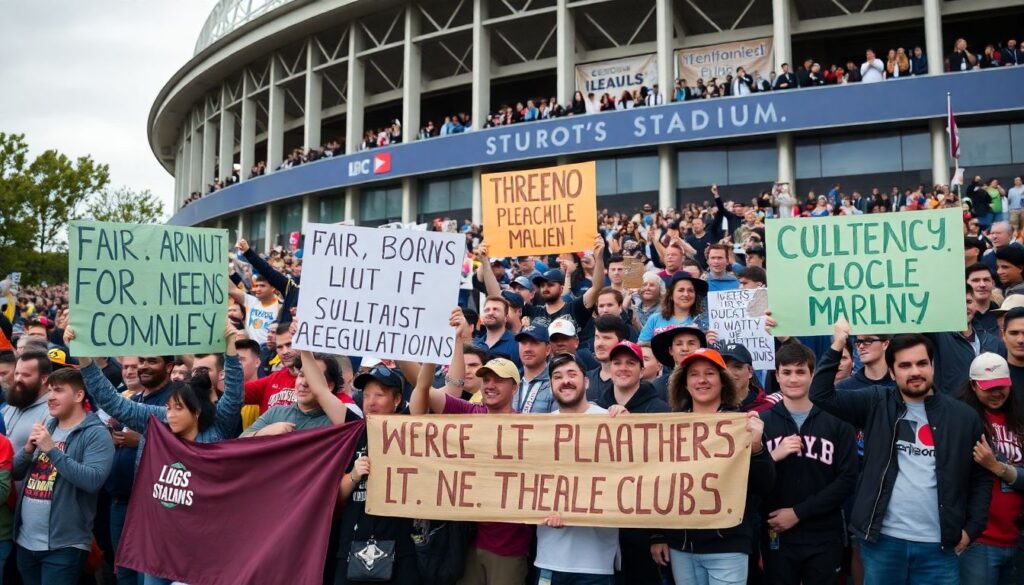
Individually, impact is limited, but collective actions-supporting fan associations, engaging with clubs, and backing regulatory proposals-can shift incentives and keep accessibility on the political agenda.