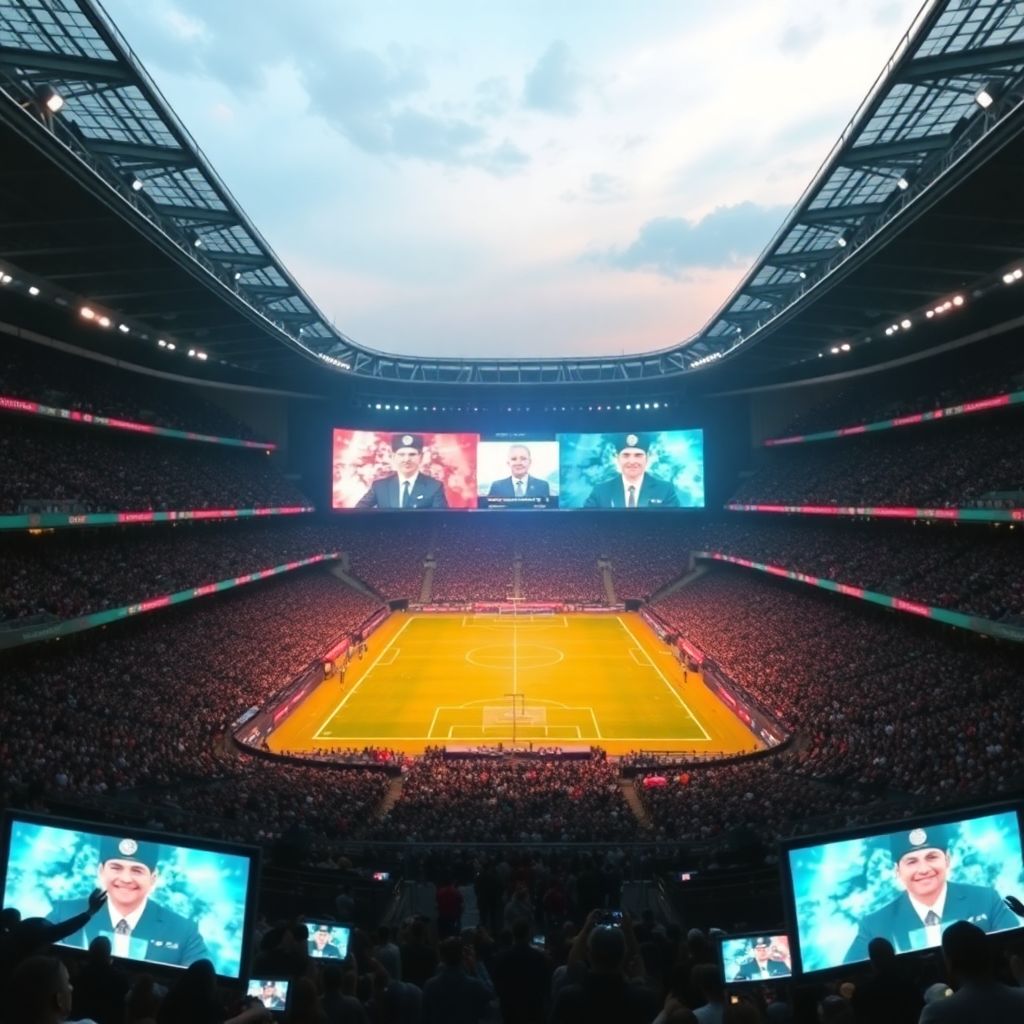
Football and politics intersect when governments, movements or companies use the sport to shape public opinion, identity and power. Authoritarian regimes tend to centralise and control football for propaganda with high short‑term impact but high risks. Contemporary social struggles use more decentralised, digital and fan‑driven tactics, easier to start but harder to coordinate and sustain.
Summary of Football’s Political Roles
- Authoritarian regimes use football as low-cost, high-visibility propaganda, especially via mega-events and national teams.
- Democratic and grassroots actors mobilise football to demand rights, visibility and accountability.
- Stadiums and fan groups function as arenas where consent, resistance and commercial interests collide.
- Modern sponsorships and sportswashing shift influence from states to corporations and foreign investors.
- Digital media increases the speed of mobilisation but also surveillance, polarisation and misinformation risks.
- In Spain and Latin America, football symbols condense debates on nationalism, memory, class and gender.
Historical intersections: football and authoritarian imagery
Football and politics became visibly entwined when modern states discovered that a packed stadium and a live broadcast could carry powerful political imagery. In authoritarian contexts, leaders present themselves as protectors of national glory, using football victories and rituals to claim unity, order and popular support.
This use of football as propaganda is attractive because it is comparatively easy to implement. Regimes already control security forces, public media and funding; redirecting these tools to football events is administratively simple. The political costs, however, can be high: defeats, hooliganism or boycotts are also public and can damage regime legitimacy.
The concept has clear boundaries. Not every political statement in football is propaganda. A banner from a fan group, a players’ union strike or a local club’s solidarity campaign reflects political expression, but propaganda usually involves organised attempts by powerful actors to engineer consent or distract from repression and inequality.
Historically, single-party or military regimes have favoured monumental architecture, choreographed ceremonies and patriotic narratives. Images of leaders handing trophies to captains, or military parades inside stadiums, serve as visual shortcuts linking the regime to success, virility and national pride, while hiding censorship, torture or corruption.
Mechanisms of propaganda: how regimes co-opt the sport
Authoritarian and semi-authoritarian actors tend to repeat a restricted set of techniques. Each mechanism differs in ease of deployment and political risk.
- Control of federations and clubs. Installing loyalists in football associations is relatively easy once a regime dominates the state. It offers daily influence over decisions but risks international sanctions and loss of sporting credibility when interference becomes too obvious.
- Hosting mega-events. Bidding for World Cups or continental tournaments requires money and diplomacy. Implementation is complex but the spectacle offers huge soft-power returns. Risks include cost overruns, protests, and global attention to human-rights violations.
- Symbolic rituals and imagery. National anthems, flags, military flyovers and leader appearances are cheap to orchestrate. They create powerful TV images but can backfire when fans whistle the anthem or boo political figures, exposing cracks in the supposed unity.
- Media framing and censorship. State-aligned broadcasters highlight victories, heroic narratives and loyal players while minimising scandals or dissent. Technically easy where media is controlled, but in digital environments the risk is counter-narratives, leaks and ridicule.
- Co-opting star players. Inviting captains or coaches to meet leaders, appear in campaigns or praise infrastructure projects uses their credibility. This is easy to implement through federations, but stars risk reputational damage, and regimes risk losing control if players later criticise them.
- Security presence and intimidation. Heavy policing, surveillance of ultras and selective bans keep openly dissident displays out of stadiums. Operationally straightforward for security states, yet highly visible repression can radicalise fans and attract international condemnation.
Case studies: landmark episodes from Europe and Latin America
Several well-known episodes illustrate how similar tools carry different risks depending on context.
- Military dictatorships and World Cups. Latin American juntas saw football as a shortcut to international respectability. Organising or winning tournaments was politically convenient: it exploited existing passion and infrastructure. However, documentales sobre fútbol y dictaduras show how stadiums also became symbols of torture, disappearances and resistance, damaging regimes in historical memory.
- Southern Europe’s late dictatorships. In Spain, the final years of authoritarianism saw football used to project order and modernisation. The approach was logistically simple but risky in peripheral regions where clubs embodied contested identities. Today, libros sobre fútbol y política explore how regional rivalries condensed wider debates about language, autonomy and the legacy of repression.
- Post-war European nation-building. Democratic states also used national teams and new stadiums as signs of reconstruction and welfare. This strategy was relatively low-risk compared with military regimes, because independent media and elections limited abuses. Still, failures on the pitch or hooligan violence could undermine official narratives of harmony.
- Club takeovers by political and business elites. Oligarchs, mayors and state-owned companies acquiring clubs is administratively straightforward. It delivers quick visibility and popularity but exposes owners to fan protests when performance or ticket prices worsen. For movements studying this, cursos online de sociología del fútbol y política often compare how these dynamics differ between Europe and Latin America.
- Human-rights campaigns around tournaments. NGOs and activists now use the visibility of tournaments to demand migrant, labour or minority rights. Organising choreographies or alternative fan festivals is easier than in authoritarian eras but exposed to legal restrictions, disinformation and commercial pressures from sponsors.
Transitions: football’s role during democratization and state collapse
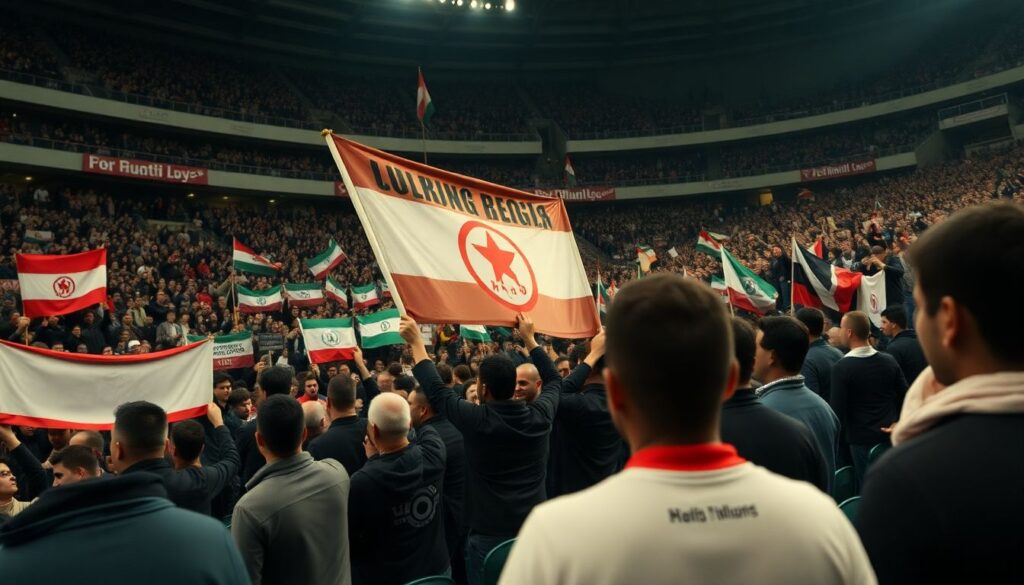
During transitions away from authoritarian rule, football can both facilitate and complicate change. The same symbols that once legitimated regimes can be re-signified by new actors, but existing clientelist networks and security practices are hard to dismantle. It is crucial to compare the ease of reusing old structures versus building new, more democratic ones.
Potential contributions to democratisation and accountability
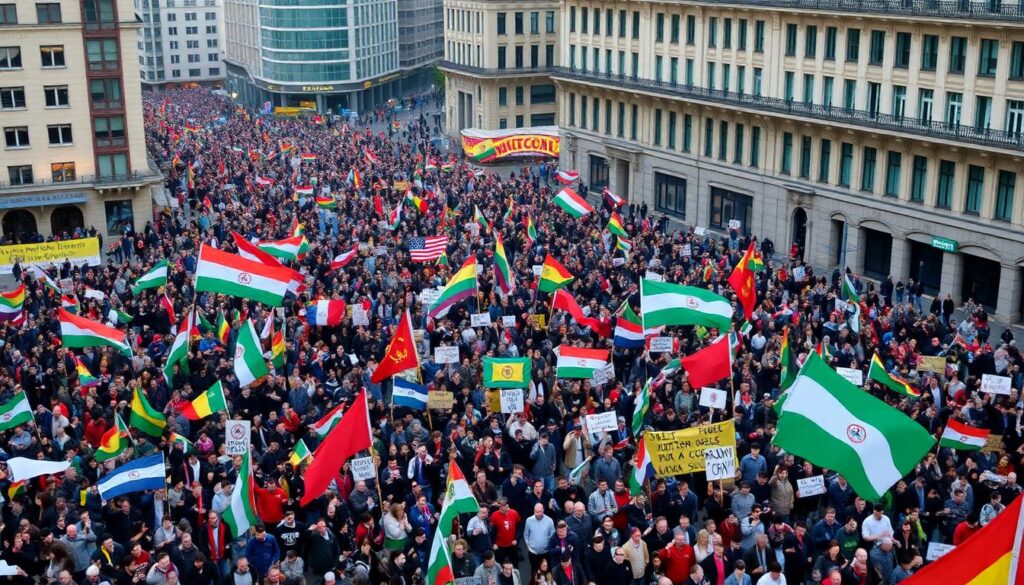
- Visible spaces for peaceful gathering. Matches and fan marches provide channels for collective expression that are logistically easy to organise compared with clandestine meetings. They can normalise street presence and protest culture when repression decreases.
- Reframing national identity. New governments can promote inclusive narratives through federations and national teams, replacing exclusionary ethnic or ideological messages with pluralistic ones. This is institutionally simple but requires restraint from using triumphalism as new propaganda.
- Exposure of past abuses. Stadiums used as detention or torture sites can become memorials. Symbolic acts during matches help insert human-rights debates into mainstream culture, especially when supported by conferencias sobre fútbol, propaganda y derechos humanos.
Constraints, risks and path-dependencies
- Entrenched elites. Many football leaders survive regime change. Purging federations and clubs is administratively complex and politically sensitive, so old authoritarian patterns of patronage often persist.
- Polarisation via club identities. Political parties may colonise rivalries between clubs, turning sporting antagonisms into hard political fault lines. This is easy for populists to exploit and hard to reverse once established.
- Economic and security legacies. Debt from mega-events, crony sponsorships and militarised policing of fans continue into the new era. Reforming public order strategies in and around stadiums may require legal and training overhauls that are more complex than symbolic rebranding.
Contested arenas: stadiums, fan culture and grassroots resistance
Stadiums and fan groups are neither purely tools of power nor purely spaces of resistance. They are contested arenas where state, market and grassroots actors constantly negotiate what can be said, sung and displayed. Misunderstanding this complexity leads to strategic errors for both authorities and activists.
- Myth: fans are apolitical. Supporters frequently take stands on local, national and workplace issues. Assuming neutrality makes it easy for elites to co-opt clubs symbolically, but it also blinds them to the risk of sudden, organised backlash.
- Myth: all ultras are violent extremists. While some groups maintain violent practices, others are central to anti-racist, anti-fascist or labour campaigns. Treating every ultra group as a security problem may be administratively convenient but pushes potential allies into marginality.
- Myth: banning banners removes politics. Prohibiting messages inside stadiums is simple to implement but tends to displace politics to digital spaces and streets, where control is lower and reputational damage can be greater.
- Myth: commercialisation depoliticises football. Increasing sponsorships and TV rights changes the actors involved, but corporate campaigns often trigger consumer boycotts or critical choreography. The arena becomes politicised around labour, gender or environmental issues rather than traditional ideology.
- Myth: grassroots actions are always low risk. From the activist side, assuming that tifos, walkouts or boycotts are harmless ignores possible fines, stadium bans or criminal charges. Strategic planning should weigh visibility gains against legal and personal vulnerabilities.
Contemporary debates: social movements, sponsorships and governance
Current conflicts around football centre less on direct state propaganda and more on the interplay between social movements, sponsors and governing bodies. Climate, gender equality, anti-racism and workers’ rights campaigns use the sport’s visibility, while states and corporations attempt sportswashing through ownership, partnerships and carefully curated narratives.
From a practical perspective, activists choose tactics along a spectrum of ease and risk. For example, launching a social-media campaign around a major match is easy and low-cost but quickly absorbed into the news cycle. Organising a coordinated boycott of a sponsor is harder, requiring networks, research and persistence, yet it can pressure both clubs and brands to change policies.
On the institutional side, federations face dilemmas when players or fans use matches for protest. Allowing messages may anger sponsors or governments; prohibiting them may provoke fan outrage and negative coverage. This tension has made governance reforms, transparency demands and debates on human-rights clauses in hosting contracts central topics in ensayos académicos fútbol y luchas sociales contemporáneas comprar and in public controversy.
For those wanting deeper analysis and tools, libros sobre fútbol y política and specialised cursos online de sociología del fútbol y política in Spanish contexts often include case-discussion exercises and strategies for engaging clubs, unions and community groups in long-term campaigns, complemented by documentales sobre fútbol y dictaduras and public conferencias sobre fútbol, propaganda y derechos humanos.
Self-checklist for analysing football-politics strategies
- Have you identified who benefits politically from a given football event, image or sponsorship?
- Can you distinguish low-effort symbolic gestures from harder structural reforms in governance or labour rights?
- Have you mapped the main risks for each actor: state, club, sponsor, players, fans and affected communities?
- Do you track how digital media amplifies or distorts stadium-based actions before choosing a tactic?
- Are you comparing short-term visibility wins with long-term credibility and trust in your chosen strategy?
Practical clarifications and implications
Is football always political, or are some matches neutral?
Football is not automatically political, but it always carries political potential. Friendlies or local derbies may seem neutral, yet symbols, chants or ownership structures can activate political meanings quickly when crises, elections or social conflicts emerge.
Why do authoritarian regimes find football propaganda so attractive?
Football already mobilises passion and attention, so regimes can piggyback on existing emotions instead of creating new rituals. It is cheaper and faster than building complex civic organisations, though defeats, scandals or protests can turn the same visibility into a liability.
Can democratic governments also abuse football for propaganda?
Yes. Democratic leaders can overuse national teams, stadium inaugurations or club partnerships for self-promotion. Independent media, elections and civil society usually limit this, but the temptation to hide policy failures behind sporting enthusiasm is present in all systems.
How can fans reduce the risk of being used by political or commercial agendas?
Fans can demand transparency from club owners, question sponsorships linked to rights abuses, and coordinate with independent unions or local groups. Simple actions like reading critical sources and discussing alternatives in supporter assemblies already increase resistance to manipulation.
Are player protests effective or mainly symbolic?
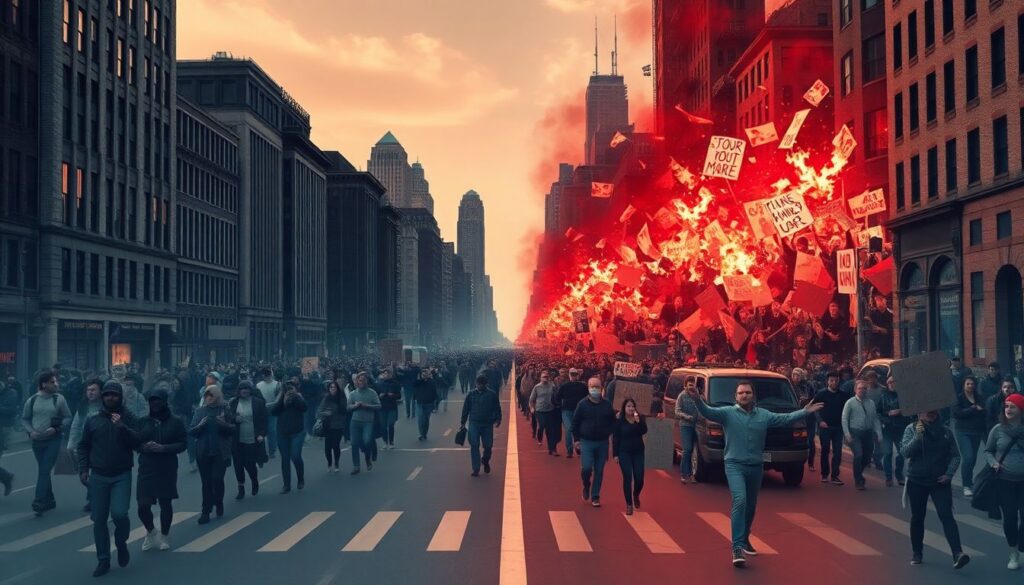
They are often symbolic but can be effective when connected to organised campaigns, legal strategies and community work. Isolated gestures are easy for authorities or sponsors to tolerate and ignore; sustained, collective actions create higher reputational and financial pressure.
What practical resources are useful to study these issues in depth?
In-depth analysis is available through libros sobre fútbol y política, specialised cursos online de sociología del fútbol y política, curated documentales sobre fútbol y dictaduras and academic ensayos académicos fútbol y luchas sociales contemporáneas comprar. Public conferencias sobre fútbol, propaganda y derechos humanos in Spain often connect research with current controversies.
Is it realistic for football governance reforms to limit propaganda and sportswashing?
Complete neutrality is unrealistic, but reforms on transparency, human-rights criteria for hosts, and clearer rules on political messages can reduce abuses. Implementation is politically difficult because powerful states and sponsors resist constraints; incremental advances are more likely than radical change.