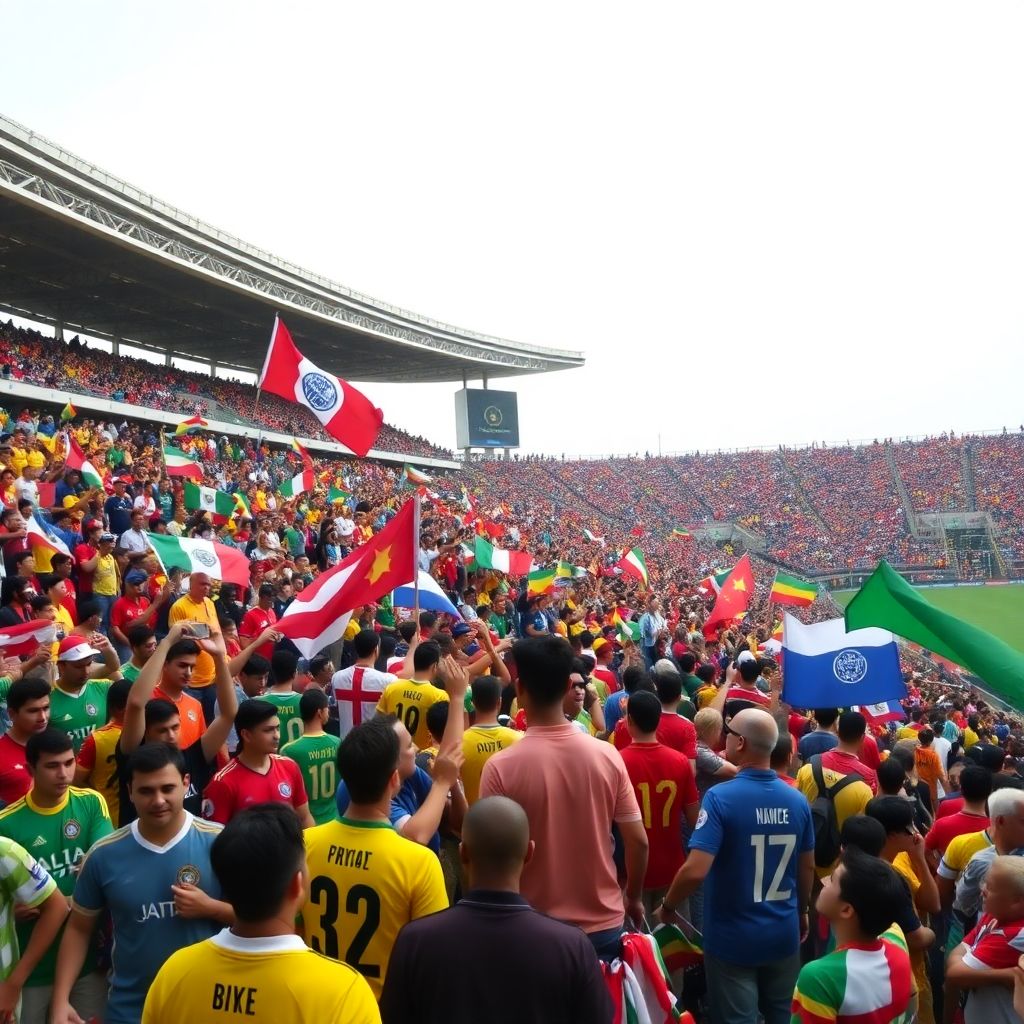
Football and national identity are co-produced through stories, symbols and shared memories that turn matches into political and emotional events. For practitioners, this means reading games as social texts: analysing rituals, media narratives, jerseys and stadium experiences to understand how nations are imagined, contested and remembered in everyday life.
Defining football’s role in nation‑building
- Football offers simple, emotionally intense scripts through which complex national histories are narrated and reinterpreted.
- National teams condense citizenship, borders and belonging into a recurring media event that reaches diverse social groups.
- Stadiums, broadcasts and fan rituals operate as informal civic education, teaching who is inside or outside the nation.
- Heroes, defeats and controversies feed long-term collective memories that shape how societies recall political periods.
- Symbols such as jerseys, flags and anthems link everyday consumption with national mythmaking and soft power.
- Researchers can approach the field through libros sobre fútbol e identidad nacional, documentary analysis and ethnography of fan practices.
Historical trajectories: how football shaped national narratives
Historically, football has acted as a stage where nations tell their own origin and transformation stories in compressed form. Instead of long textbooks, supporters absorb these narratives through iconic matches, tournaments and rivalries that encode wars, dictatorships, transitions and regional tensions.
In Spain, debates around La Roja, regional clubs and symbols mirror long-standing tensions between centralist and plurinational projects. In Latin America, national teams have been read as proof of modernity, racial mixture or popular sovereignty, while in parts of Europe they often express post-war reconstruction and Europeanisation.
For practitioners, the key is to map when and how football became politically salient. Timelines built from tesis y artículos académicos sobre fútbol, nación y memoria colectiva pdf, oral histories and media archives help identify turning points: regime changes, World Cups, civil conflicts or independence processes where football acquired new meanings.
Drawing these trajectories clarifies boundaries: football is not the only producer of national identity, but it is a particularly dense node where politics, economy, media and everyday emotions condense and become publicly visible.
Narratives and mythmaking: heroes, defeats, and founding stories
Narratives and mythmaking in football transform contingent results into stable stories about who «we» are as a nation. These stories are structured, repeated and adapted over time, and they guide both fan expectations and political uses of the game.
- Heroic golden ages: Periods of success (for example, Spain 2008-2012) are narrated as evidence of moral, tactical or generational superiority. Practically, examine which virtues are highlighted (unity, creativity, sacrifice) and how they align with broader political projects.
- Noble defeats and victimhood: Painful losses become myths of unfair treatment, corruption or betrayal. These stories can unify (shared suffering) or feed resentment and conspiracy thinking; mapping them helps anticipate polarised reactions to future controversies.
- Redemption arcs: Players or teams moving from failure to redemption illustrate national narratives of transition or reconciliation. Practitioners can analyse how media and documentales sobre fútbol y construcción de identidades nacionales frame these arcs to promote specific values (forgiveness, discipline, meritocracy).
- Internal enemies and scapegoats: Blaming certain regions, ethnicities or «overpaid stars» transforms tactical issues into identity conflicts. Monitoring these narratives is crucial to detect exclusionary nationalism early.
- Everyday micro‑stories: Family anecdotes, local bar discussions and social media memes stabilise broader myths. Ethnographic work in fan spaces reveals how grand narratives are domesticated or resisted in daily talk.
- Institutional storytelling: Federations, clubs and sponsors curate official histories through museums, campaigns and school materials. Comparing these to independent accounts shows where memory is being strategically edited.
Symbols and material culture: jerseys, flags, and commemorative objects
Symbols and material culture in football are tangible carriers of national meaning: they turn abstract identities into visible, wearable and collectible objects. Analysing them reveals which histories and groups are being centred or marginalised in the national project.
National team jerseys are crucial: colours, crests and design changes often spark debate about heritage, monarchy, regional motifs or progressive rebranding. The growing market of simbolismo nacional en camisetas de fútbol selección compra online offers rich data on how fans choose between retro, minimalist or politicised designs.
Flags, scarves and banners in stadiums make otherwise private identities public. Researchers should document not only official symbols but also creative adaptations, protest tifos and the absence of certain flags in specific sectors, connecting these patterns to political events.
Commemorative objects-stamps, coins, limited‑edition boots, posters-materialise key tournaments and heroes as part of national heritage. Collections shown in local museums or fan spaces, and catalogues cited in libros sobre fútbol e identidad nacional, can be treated as informal archives of what the state and market consider worth remembering.
For practitioners in education, culture or museums, these objects are entry points for dialogue: exhibitions, workshops or school projects can use jerseys and memorabilia to discuss race, gender, migration and historical silences in the national narrative.
Spaces of memory: stadiums, monuments and public rituals
Spaces of memory in football are locations and rituals where the nation is periodically performed and reinterpreted. They range from monumental stadiums to neighbourhood celebrations, and they can both integrate and exclude different populations.
Stadiums and associated monuments act as physical anchors for memory. Their names, statues and plaques often honour specific leaders, dates or causes, embedding official histories into urban space. Public rituals-anthems, minutes of silence, trophy parades-rehearse emotional scripts of unity, grief or triumph that consolidate national feelings.
Integrative potentials of football memory spaces
- Provide recurring civic rituals (anthem singing, national holidays linked to tournaments) that include citizens who rarely participate in formal politics.
- Create multi‑class and multi‑ethnic spaces where people share emotions and narratives across usual social boundaries.
- Offer opportunities for critical reinterpretation through curated stadium tours, new monuments and documentales sobre fútbol y construcción de identidades nacionales projected in public venues.
- Support local development when stadiums are used for community events, cultural festivals or educational programmes about history and rights.
Risks and structural limitations of these spaces
- Historical burdens: some stadiums are tied to dictatorships, police violence or discriminatory traditions, making them traumatising for certain groups.
- Commercial capture: exclusive VIP areas, high ticket prices and tourism‑oriented design can turn civic spaces into consumption zones.
- Symbolic exclusion: rituals and iconography may implicitly centre majority groups, sidelining minorities, women or migrant communities.
- Instrumentalisation: authorities may use football events to distract from social conflicts or to police dissent in the name of security.
Media, fandom and collective memory: storytelling across platforms
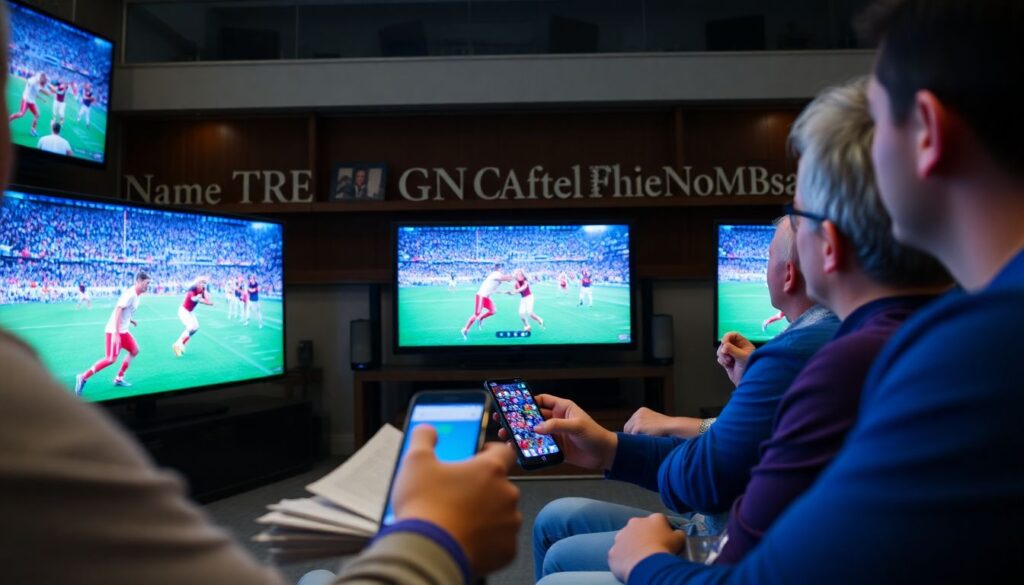
Media and fandom build collective memory by selecting, repeating and remixing specific football episodes across platforms: television, radio, print, streaming, social networks and fan forums. Each medium privileges different voices and temporalities, shaping what a nation remembers about its football past.
For practitioners, it is essential to critically assess how these media ecologies work rather than assuming that «football unites everyone» in the same way.
- Myth of neutral commentary: Match narratives always come from specific linguistic, regional and class positions. Comparative analysis of radio, TV and online fan channels reveals competing national visions.
- Over-focus on mega‑events: World Cups and continental tournaments dominate memory, while women’s football, lower divisions or migrant leagues are ignored, narrowing who counts as a national football subject.
- Algorithmic tunnel vision: Social media platforms amplify polarising content, privileging outrage over context. This affects how symbolic controversies around flags, gestures or slogans escalate.
- Archival imbalance: There is more easily accessible footage and commentary for recent decades, while earlier periods and marginalised groups remain under‑documented; systematic use of tesis y artículos académicos sobre fútbol, nación y memoria colectiva pdf helps correct this bias.
- Confusion between fandom and citizenship: Being a «real fan» is often equated with being a «real citizen». This can stigmatise dissident supporters or those who do not care about football.
- Neglect of educational potential: Media partnerships with schools, museums and cursos online de sociología del fútbol e identidades colectivas are still underused, despite their capacity to foster critical media literacy about nationalism.
Politics, diplomacy and contested identities: inclusion, exclusion, and reform
Football becomes a diplomatic and political arena where competing national projects attempt to define who belongs and under what terms. This is visible in eligibility rules, anthem debates, match locations and official campaigns against discrimination.
A practical mini‑case can guide analysis and policy thinking.
Mini‑case: selection debates and racialised national belonging
Imagine a national team where several star players are children of migrants. Public debate intensifies around their decision to sing or not sing the anthem, and some politicians question their «loyalty» after a high‑profile defeat.
- Observation: Media frames emphasise body language during the anthem and extrapolate it to claims about national commitment.
- Interpretation: Football performance becomes a proxy battlefield for broader anxieties about immigration, integration and cultural change.
- Intervention options:
- Federation issues a clear statement that citizenship and eligibility, not emotional display, define belonging.
- Educational campaigns use clips and documentales sobre fútbol y construcción de identidades nacionales to show historical diversity in national teams.
- Policy makers support community projects where players visit schools to discuss multiple identities and everyday discrimination.
Similar reasoning can be applied to controversies about playing in politically sensitive territories, boycotts, joint bids for tournaments, or tensions between club and national identities. Here, curated reading lists of libros sobre fútbol e identidad nacional and access to tesis y artículos académicos sobre fútbol, nación y memoria colectiva pdf are practical tools for informed decision‑making.
Quick self‑assessment checklist for researchers and policy makers
- Have you mapped key historical turning points where football reshaped national narratives in your context?
- Are you systematically analysing symbols (jerseys, flags, monuments) rather than treating them as neutral decoration?
- Do your data sources include both mainstream media and fan‑produced materials across platforms?
- Have you engaged with academic work (including tesis y artículos académicos sobre fútbol, nación y memoria colectiva pdf) and cursos online de sociología del fútbol e identidades colectivas relevant to your case?
- When designing interventions, are you anticipating unintended exclusions and commercial distortions within football spaces?
Practical clarifications and recurring conceptual knots
Is football always a positive force for national cohesion?
No. Football can foster inclusion and shared joy, but it can also deepen regional, ethnic or political divides. The outcome depends on institutional choices, media framing and how conflicts around selection, symbols and stadium security are managed.
How do I start a research project on football and national identity?
Define a clear period, team or controversy, then combine media archives, fan interviews and policy documents. Use libros sobre fútbol e identidad nacional and tesis y artículos académicos sobre fútbol, nación y memoria colectiva pdf to refine concepts and avoid repeating already well‑covered case studies.
What is the difference between club identity and national identity in football?
Club identity is usually local or regional and based on weekly routines, while national identity appears in less frequent, high‑intensity events. Both interact: club rivalries can reinforce or challenge national myths, and players often carry club‑based meanings into the national team.
Can purchasing football merchandise be considered a political act?
Yes, in a broad sense. Choosing certain jerseys, retro designs or activist scarves signals alignment with particular histories or causes. Studying simbolismo nacional en camisetas de fútbol selección compra online helps reveal which narratives people are willing to finance and display in everyday life.
How useful are documentaries and online courses for practitioners?
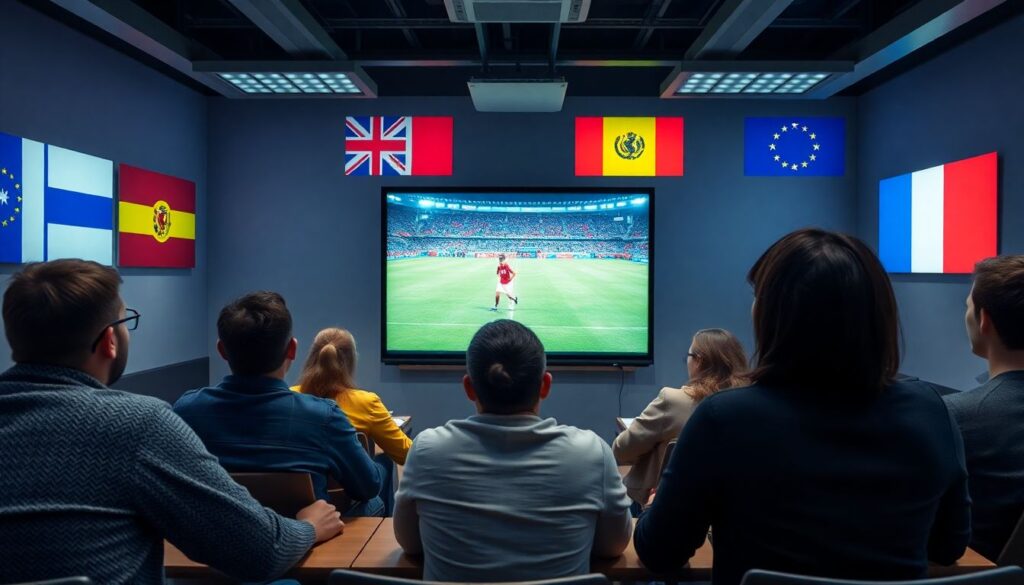
Curated documentales sobre fútbol y construcción de identidades nacionales and cursos online de sociología del fútbol e identidades colectivas provide accessible case studies and concepts. For policy makers and educators, they are efficient tools to train staff and open public discussions with non‑specialist audiences.
Does focusing on men’s football distort our understanding of national identity?
Yes, if women’s and grassroots football are ignored. National identity is produced across multiple competitions and genders; excluding them reinforces a narrow, masculinised image of the nation and hides alternative narratives of care, resistance and community.
How can educators use football without reinforcing stereotypes?
By treating football as a critical object, not a celebration. Combine match clips with historical context, diverse role models and guided discussion about racism, sexism and regionalism. Encourage students to question narratives, not just to memorise heroic goals.