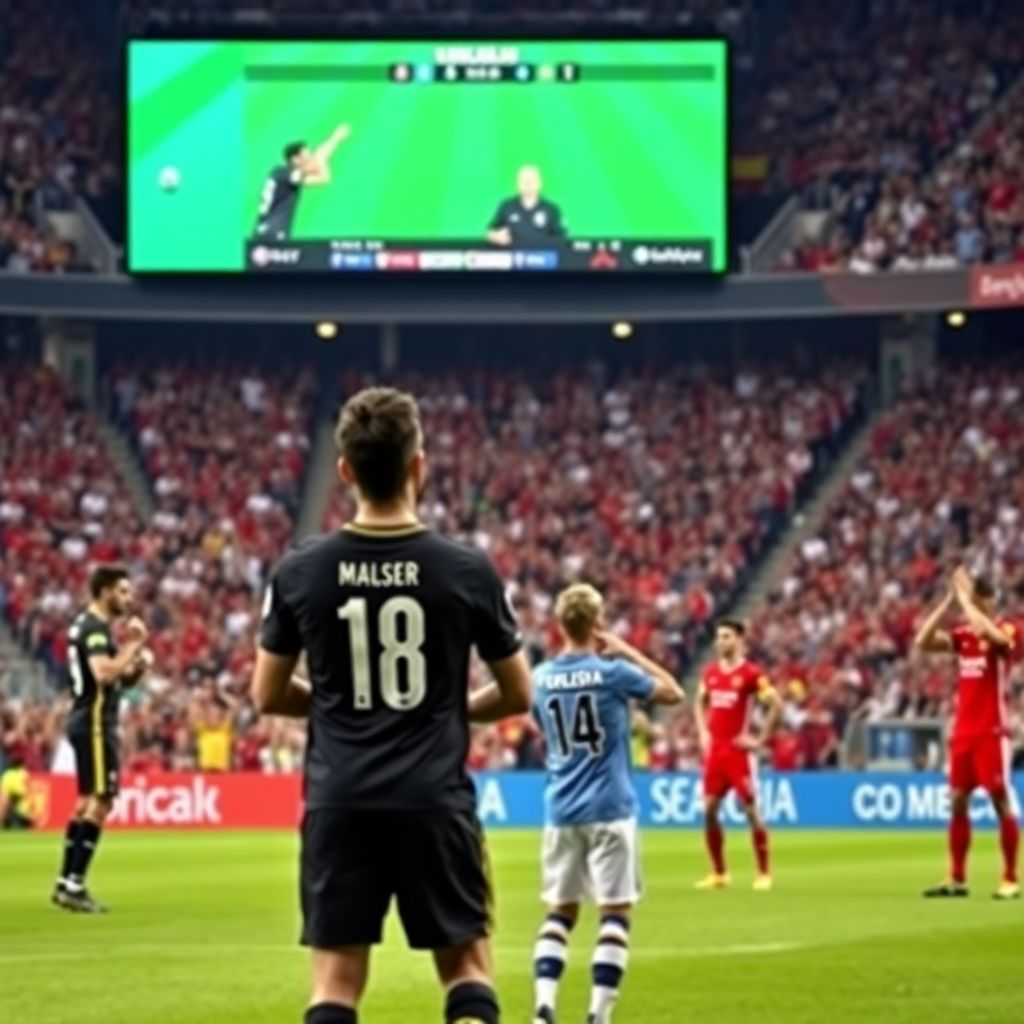
VAR improves factual accuracy in key decisions but cannot remove controversy or emotion. It shifts part of the drama from spontaneous referee error to delayed, technology‑mediated judgment. Used well, it protects sporting integrity; used badly, it slows play and feels dehumanising for players and fans in Spain and beyond.
Concise assessment of VAR’s effects
- VAR reduces clear, objective errors in goals, penalties, red cards and mistaken identity.
- It does not eliminate debate; it moves arguments from the pitch to the replay room.
- Spectators gain fairness but lose some spontaneous, unjust but memorable moments.
- Referees keep the final word; technology informs, it does not replace human judgment.
- Match rhythm changes: more interruptions, but also fewer post‑match scandals.
- Clubs and broadcasters must adapt communication in stadiums and on TV to keep fans engaged.
- Whether VAR humanises or dehumanises football depends on transparency, speed and consistency of use.
What VAR resolves and what it introduces
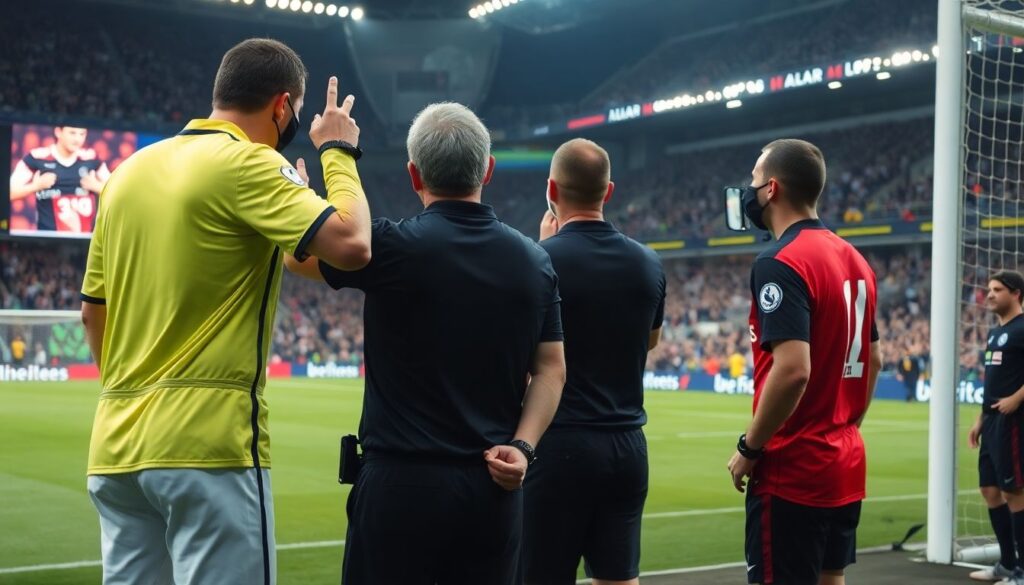
VAR (Video Assistant Referee) is a protocol where a team of video officials helps the on‑field referee correct clear and obvious errors in a limited set of situations. In LaLiga and other top competitions, this covers goals, penalties, direct red cards and mistaken identity. Everything else remains under normal refereeing.
In practice, VAR resolves blatant offsides that the assistant missed, invisible handballs, or violent conduct away from the ball. This directly affects results, qualification places and even player careers. Fans buying entradas partidos con VAR liga española now expect that these critical incidents will be checked and corrected.
At the same time, VAR introduces new layers of complexity. Instead of arguing only about what the referee saw in real time, people now argue about frame selection, camera angles and whether an intervention met the threshold of a clear error. The system is also dependent on communication quality between pitch and booth.
For practical decision‑makers (referees, coaches, clubs), the key is to treat VAR as a security net, not a joystick. Teams should assume that borderline decisions will stay with the original call and focus on discipline and clear tactical adaptations, not on lobbying for every marginal review.
Origins, evolution and technical mechanics of VAR
VAR emerged from a long debate in international football about how to use technology without losing the flow of the game. Goal‑line technology opened the door; later, experiments in various competitions showed that replays could support referees if tightly controlled by protocol, not by constant coach challenges.
Operationally, VAR follows a standardised process:
- Event occurs: a potential incident in one of the four reviewable categories (goal, penalty, direct red, identity).
- Silent check: VAR officials automatically review the incident while play continues, using multiple camera feeds.
- Recommendation: if they see a possible clear and obvious error, they advise the referee to review or change the decision.
- On‑field review (OFR): for subjective calls, the referee goes to the pitch‑side monitor and re‑evaluates.
- Final decision: the referee confirms or changes the call and signals clearly to players and crowd.
- Restart: the game resumes according to Laws of the Game, sometimes with added time for the delay.
Behind this process stand concrete tools: calibrated offside lines, synchronised cameras, and a dedicated VAR room connected to the stadium. Broadcasters who sell paquetes tv deportes con VAR incluida rely on these same feeds to build replays and graphic explanations for viewers at home.
Mini‑scenarios show how this works in the Spanish context:
- Late winning goal in LaLiga: A striker scores in added time. VAR checks for offside and a possible push. Offside is marginal but onside; the push is judged normal contact. Goal stands, fans in the stadium enjoy delayed celebration, and betting slips from mejores casas de apuestas fútbol con VAR en vivo remain valid.
- Hidden off‑the‑ball aggression: Cameras catch an elbow missed by the referee. VAR recommends a review; after seeing the replay, the referee issues a direct red card. The club later uses the clip in internal discipline and in talks with the player.
- Penalty for handball: A defender blocks a cross with an outstretched arm. Initially, no penalty. VAR sees arm position and impact clearly, calls the referee to the monitor; penalty is given. Coaching staff update defensive drills to reduce arm height in the box.
For practical use, clubs should simulate these scenarios in video sessions, so players understand that VAR sees more than the referee and adjust behaviour accordingly.
The disappearance of ‘romantic injustice’: cultural and psychological effects
Football history is full of legendary injustices that shaped club identity and fan culture. VAR changes this narrative. It does not erase emotion, but it makes it harder to build myths around obvious mistakes that would now be corrected on replay.
Typical cultural and psychological scenarios include:
- Rewriting club mythology: Big clubs and modest sides in the Spanish league used to base part of their identity on being favoured or persecuted by referees. With VAR, that story weakens, and clubs must create identity more through style of play, community work and symbols like camisetas oficiales de equipos con VAR en la liga.
- Changing fan rituals: Instead of one explosion of joy, fans now often celebrate a goal twice: once when the ball crosses the line, again when the referee signals a confirmed goal. Chants and tifos adapt, but some supporters feel these pauses cool down the collective emotion.
- Player psychology and self‑control: Knowing that cameras see everything, players are more cautious with retaliation or simulation. However, they may also hesitate in natural duels, fearing that slow‑motion replays make normal contact look worse.
- Media discourse: Debate programmes move from «robbery» narratives to frame‑by‑frame technical argument. For fans following matches via suscripción plataformas para ver fútbol con VAR online, the experience becomes more analytical and less purely visceral.
- Local bar conversations: Discussions between fans change from «the referee did not see it» to «why did VAR not intervene» or «why was that considered clear and obvious». The injustice is now institutional and procedural, not just individual.
Clubs and leagues can respond by investing in better explanation of decisions in real time, so emotion stays intense but better informed, rather than drifting into abstract conspiracy theories.
Refereeing decisions: accuracy, consistency and the role of human judgment
VAR is often sold as a path to perfection, but in reality it is a tool that improves some decisions while leaving many grey areas. The Laws of the Game still require interpretation, context and management of the match, which only the on‑field referee can handle.
Key practical advantages of VAR in decision‑making:
- Corrections of clearly wrong decisions in crucial situations, protecting sporting integrity.
- Deterrence of blatant simulation and hidden violent conduct, because players know they are being recorded.
- Support for assistant referees in ultra‑fast offside situations, reducing guesswork.
- Increased confidence for referees to let play continue in marginal cases, knowing VAR can intervene retrospectively.
- Better alignment between live calls and what the public sees on TV replays, reducing the gap in perception.
Persistent limits and challenges of human judgment with VAR:
- Subjective interpretation of handball, contact intensity, and «football normal» fouls remains variable between referees.
- VAR thresholds («clear and obvious error») are themselves subjective and can differ by competition or referee team.
- Slow‑motion replays can exaggerate impact and make natural movements look intentional, biasing decisions.
- Pressure from players, coaches and crowd does not disappear; it now includes expectations about when VAR «must» intervene.
- Time spent on reviews risks breaking rhythm and concentration for both referees and players.
In practical preparation, referee teams should run post‑match debriefs with VAR footage, aligning their interpretation standards and rehearsing communication, so that grey areas shrink over the season.
Match flow, spectacle and the spectator’s emotional experience
Criticism of VAR often focuses less on specific errors than on how it changes the feeling of watching football live or on TV. Interruptions, waiting and technical explanations can feel at odds with the traditional, continuous tension of a match.
Typical misconceptions and avoidable mistakes around VAR and match experience:
- «VAR will remove all controversy»: In reality, it removes some but adds new types. Clubs should plan communication (scoreboard messages, stadium announcer) to manage expectations and explain checks clearly.
- «Every contact in the box must be reviewed»: Over‑calling VAR creates endless delays. The protocol is limited; educating fans and staff prevents them from demanding reviews for every minor incident.
- «Celebrating goals is now pointless»: While some goals are cancelled, most still stand. Encouraging fans to embrace the double celebration keeps the spectacle alive in stadiums and homes subscribed to football TV packages.
- «Technology is neutral and infallible»: Camera angles, frame selection and line drawing involve choices. A transparent explanation of these limits on broadcast, especially in paquetes tv deportes con VAR incluida, preserves trust.
- «VAR disadvantages small clubs»: Data often show that clear errors historically affected all sides. Small clubs can actually gain when obvious calls in their favour are now protected from referee pressure or intimidation.
- «Betting is impossible with VAR»: Live betting adapts; odds providers integrate the likelihood of reviews. Users of mejores casas de apuestas fútbol con VAR en vivo need to understand how potential checks affect markets during high‑risk phases.
For match organisers, the practical objective is to reduce dead time around reviews with better logistics and communication, so that the added fairness does not feel like a TV show interrupting the live spectacle.
Governance, accountability and likely future scenarios
VAR is not just a tool; it is a governance system. Who operates it, how protocols are written and how transparent decisions are determine whether fans see it as fair protection or as a distant, opaque machine overriding human passion.
A simplified governance flow in a professional league could look like this:
- Competition authority defines VAR protocol (what is reviewable, thresholds, communication standards).
- Refereeing committee trains referees and VAR officials together, using match simulations and shared guidelines.
- Each match, a designated VAR team works under that protocol, with full recording of audio and video decisions.
- After controversial games, an independent panel reviews clips, publishes explanations and, if needed, adjusts guidance.
- Clubs receive periodic reports, aligning expectations and reducing public pressure based on misunderstandings.
Future scenarios include semi‑automated offside detection, more standardised communication (for example, referees explaining decisions on the stadium microphone) and better integration with broadcasting. For fans choosing a suscripción plataformas para ver fútbol con VAR online or specific paquetes tv deportes con VAR incluida, this could mean more clarity, richer graphics and less guesswork about what is happening during checks.
The practical recommendation for stakeholders in Spanish football is clear: treat VAR as a long‑term institutional reform, invest in referee education and transparent communication, and accept that the nostalgic era of romantic injustice is giving way to a different, but still deeply human, form of drama.
Practical questions with short, evidence-based answers
Does VAR improve fairness enough to justify the interruptions?
VAR significantly reduces obvious errors in crucial decisions, which directly improves fairness. The key is to minimise review time and keep intervention only for clear mistakes. Where this discipline is maintained, most players and coaches accept the trade‑off.
Has VAR killed the emotional explosion after a goal?
It has changed it rather than killed it. Many fans now celebrate twice: when the ball goes in and when the referee confirms the goal. Clear stadium and TV communication helps keep this emotion strong instead of turning it into anxious waiting.
How should clubs adapt tactically and behaviourally to VAR?
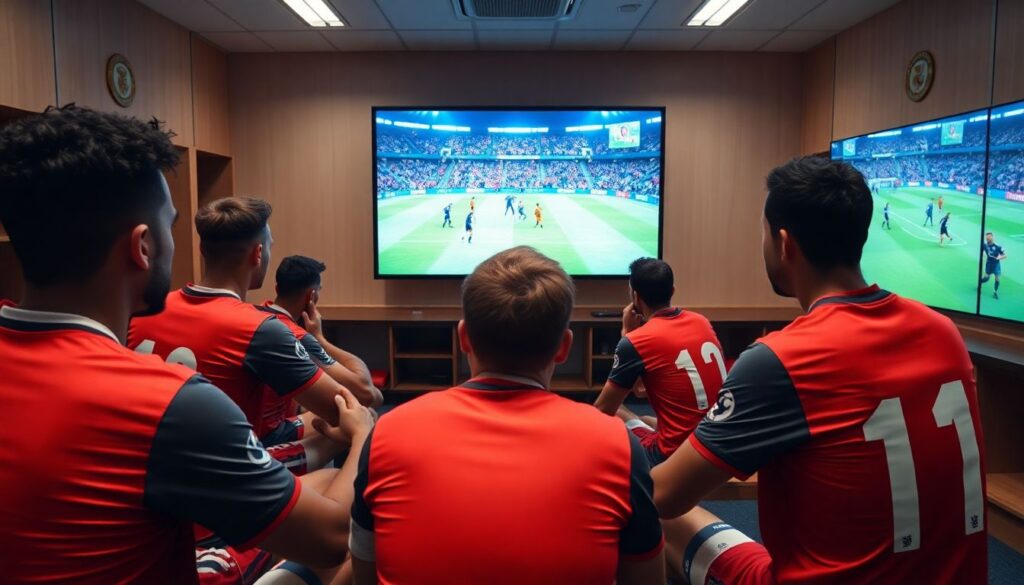
Clubs should work on penalty‑area discipline, avoiding risky pulls or hand positions, and reduce simulation, which cameras expose easily. Video sessions using real VAR clips are effective to align players on what will likely be punished or overturned.
Does VAR favour big teams in the Spanish league?
VAR reduces the influence of crowd pressure and reputation, which historically could favour big clubs. Controversy will always exist, but with recorded audio and video, it is easier to audit decisions, and smaller clubs can contest errors more concretely.
What should a fan know before going to a match with VAR in Spain?
When buying entradas partidos con VAR liga española, expect occasional pauses for reviews and watch the scoreboard for «checking» messages. Celebrations may be slightly delayed, but you will see fewer post‑match complaints about obvious, uncorrected mistakes.
How does VAR affect watching football on TV or streaming platforms?
Broadcasters include more replays, offside lines and explanations during checks. When you choose a suscripción plataformas para ver fútbol con VAR online or specific sports TV package, check how they handle VAR graphics and commentary, because this shapes how clearly you understand decisions.
Is VAR compatible with in-play football betting?
Yes, but it changes risk. Live odds on mejores casas de apuestas fútbol con VAR en vivo may suspend during checks, and markets adjust for potential goal cancellations. Bettors should account for this delay and avoid overreacting before a decision is confirmed.