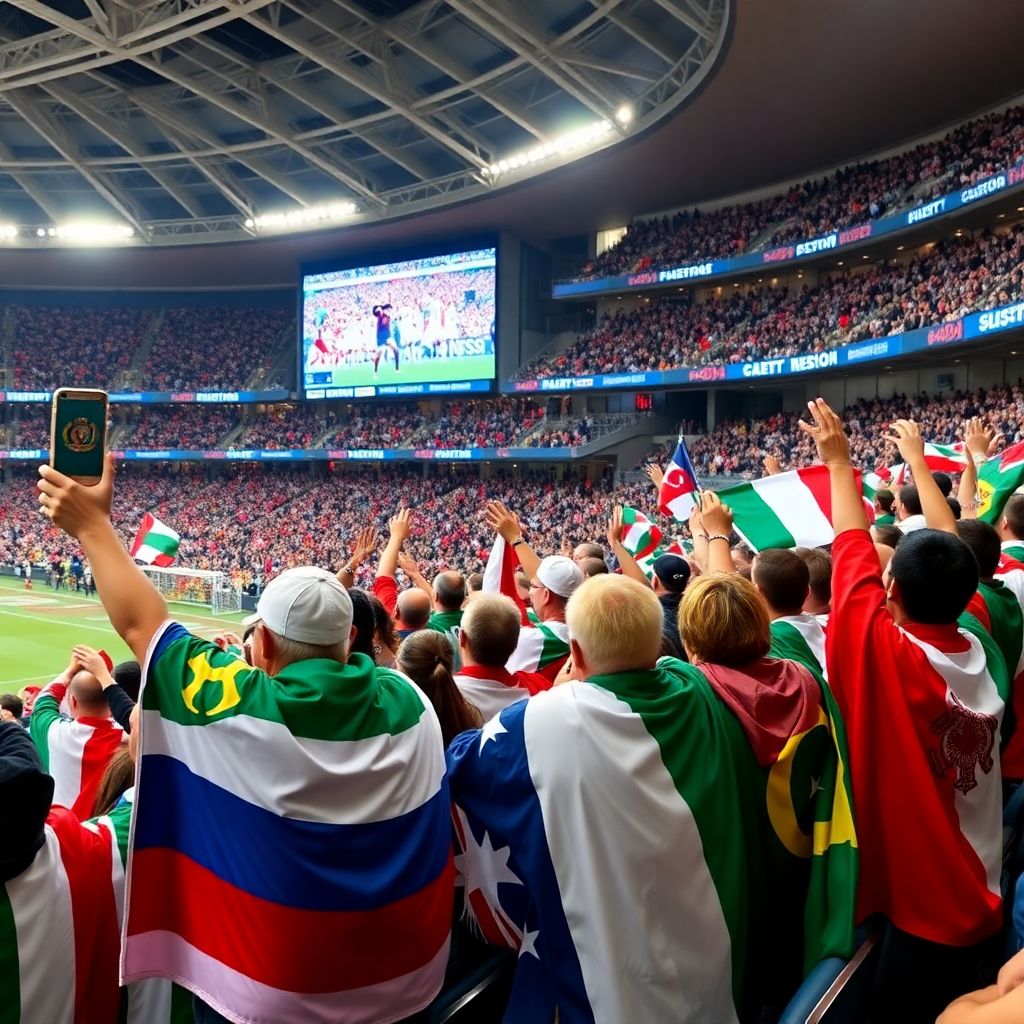
Football helps build national identities by offering shared rituals, powerful symbols and repeated stories that define who «we» are. Matches, media coverage and everyday talk turn the national team into a common reference. To analyse this, observe history, rituals, political uses, migration dynamics and how people narrate victories and defeats.
Foundations: how football shapes national identity
- Football becomes a visible stage where fútbol e identidad nacional are linked through flags, anthems and colours.
- National teams simplify complex societies into an easy «us vs them» narrative.
- Historical rivalries and iconic matches feed long‑term emotional attachments.
- Media, schools and families transmit football stories as part of national memory.
- Club rivalries can reinforce or question national unity, depending on the context.
Historical roots: football in early nation-building processes
Football entered nation‑building processes when governments, media and elites saw in the sport a tool to represent and unify the population. Early international matches allowed young states to appear on a global stage without war or diplomacy.
In Europe and Latin America, the historia del fútbol y nacionalismo often starts with railway workers, schools and military institutions spreading the game. Over time, national federations and international tournaments turned scattered clubs into a single national team supposedly representing «the people».
In Spain, the creation of La Roja as a symbol of the country helped express a national project that coexisted with strong regional identities like Catalan or Basque ones. Victories and defeats gradually became reference points for wider political and cultural debates.
To set clear boundaries, distinguish between: everyday club support; national team support linked to flags, anthems and national holidays; and broader debates on fútbol y construcción de identidades nacionales in schools, politics and media. All three levels interact, but they do not always point in the same direction.
- Clarify if you are analysing club, national team or both levels together.
- Locate key historical moments where football became part of national debates.
- Separate romantic myths from verifiable historical processes and institutions.
Rituals and symbols: stadiums, kits and national anthems
Rituals and symbols transform an ordinary match into a national ceremony, turning emotions into visible identity markers.
Typical mechanisms include:
- Stadium as national stage. National stadiums (for example, La Cartuja for Spain) act as physical spaces where the state and the people appear together, with flags, security forces and ceremonies.
- Kits and colours. Shirts, badges and colours visually condense the nation; even design changes provoke debates about history, memory and who is represented.
- Anthems and pre‑match rituals. Singing the anthem, moments of silence or tifos coordinate thousands of people into a single emotional performance.
- Chants and slogans. Simple phrases in terraces and streets translate complex political or regional tensions into repeatable lines.
- Everyday micro‑rituals. Wearing shirts at work or school, decorating bars and watching matches with family turn elite football into a routine identity rehearsal.
An example: before a major tournament, Spanish media show images of fans painting faces with national colours, bars hang flags and municipalities install big screens. Even people uninterested in football become temporarily involved in these national rituals.
- Map the main rituals around a match day: where they happen, who participates and what symbols are used.
- Observe how people behave differently during anthem time or penalty shootouts.
- Note when ritual elements are contested (boos, alternative flags, silence).
Media narratives and the construction of collective memory
Media narratives turn isolated matches into a shared story that helps build a long‑term collective memory.
In practice, the papel del fútbol en la identidad cultural appears in how newspapers, TV and now social media select certain games as «historic». Headlines, documentaries and anniversary specials decide which goals, players and moments define the nation for future generations.
Typical narrative scenarios include:
- Foundational victories. First big trophies or «miracle» wins are retold as proof of national character (for Spain, the 2010 World Cup or Euro 2008 often appear as turning points).
- Traumatic defeats. Painful losses become cautionary tales («we always fail under pressure») and influence how new generations interpret current teams.
- Heroes and villains. Certain players are elevated as moral examples, while others are blamed as symbols of division or ego.
- Political crises mirrored in football. Tensions around flags, anthems or player statements are framed as miniature versions of national political conflicts.
- Daily talk shows and social media. Debate programmes and online commentary stabilise particular interpretations: whether the team represents everyone, whether a coach embodies «our» style, and so on.
An illustrative case: when commentators present a multi‑ethnic national team as «the real face of today’s Spain», they use football to tell a wider story about migration, coexistence and future identity.
- Collect headlines and TV fragments from decisive matches and compare how they frame nation, success and failure.
- Identify which matches keep reappearing in commemorations and highlight why.
- Contrast official media stories with fan forums and social networks.
State, politics and the instrumentalization of the sport
States and political actors use football strategically to seek legitimacy, unity or distraction, but the results are never fully under their control.
Typical advantages of political use of football include:
- Symbolic legitimacy. Politicians associate themselves with winning teams, using trophies and receptions to appear as leaders of a successful nation.
- Short‑term unity. Major tournaments create temporary feelings of togetherness that can soften tensions or conflicts.
- Soft power abroad. International success improves the country’s image, helping diplomacy and tourism.
On the other side, main limits and risks are clear:
- Unpredictable outcomes. Teams lose, players protest, or fans boo anthems, undermining the intended message.
- Over‑politicisation. Excessive state control (using football only as propaganda) can generate rejection among supporters.
- Masking deep problems. Using victories to hide structural issues may work briefly but often intensifies disillusion when results decline.
In the sociología del fútbol identidad nacional, these dynamics are visible when governments heavily promote national team success while facing social or territorial conflicts at home.
- Track political presence: who appears at matches, trophy parades and federation events.
- Compare official speeches with fan reactions on the street and online.
- Ask whether football discussions open or close space for talking about real social problems.
Migration, diaspora communities and competing loyalties
Migration and diasporas make football a space of multiple and sometimes competing national loyalties.
Migrants in Spain, or Spaniards abroad, may support the country of residence, country of origin, or both. Players with several passports must choose which national team to represent, turning fútbol e identidad nacional into a very concrete decision that can trigger debate.
Common mistakes and myths include:
- Assuming loyalty is exclusive. Many fans feel sincere attachment to two or more national teams, depending on context and opponent.
- Reducing choices to money or betrayal. Player decisions are often framed as purely economic or traitorous, ignoring family history, career planning and emotional ties.
- Ignoring everyday integration. Debates focus on high‑profile stars, not on how local migrant communities live football in neighbourhood pitches, schools and bars.
- Equating ethnicity with national team preference. People with similar backgrounds can support very different sides for personal reasons.
- Believing football automatically integrates. Shared support can help, but real inclusion depends on work, housing and legal rights as well.
These complexities show that fútbol y construcción de identidades nacionales today cannot be understood without examining how diverse populations negotiate belonging through the sport.
- When analysing a match, observe flags, languages and chants among different fan groups.
- Listen to how migrant or diaspora fans explain their choices of team.
- Be cautious with simplistic accusations of «disloyalty» in public debates.
Assessing influence: indicators, methods and comparative case studies
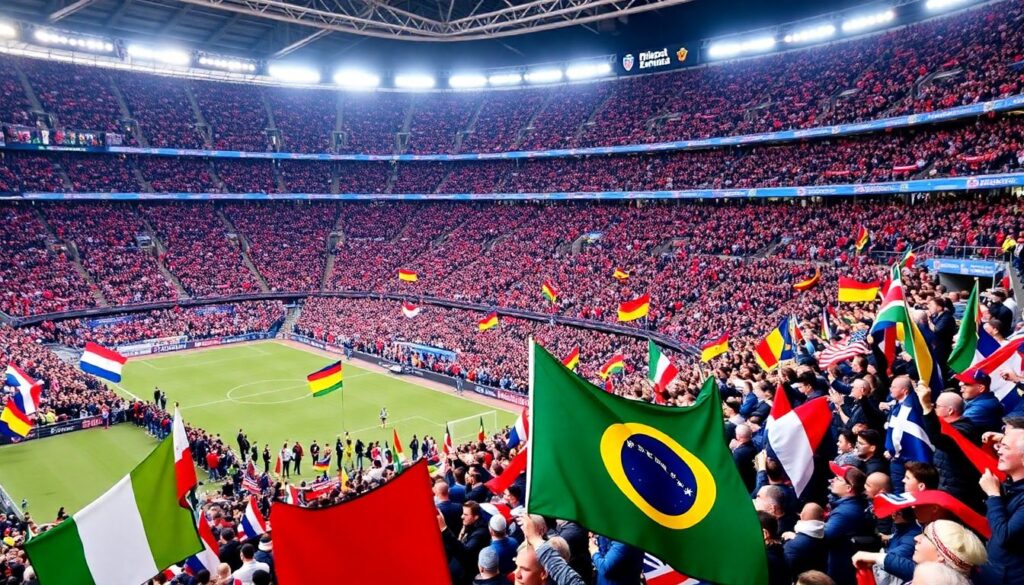
To explain the role of football in national identity, use simple indicators and comparisons instead of abstract theory.
Basic practical indicators might include: how often national symbols appear in stadiums and media; how people talk about «us» and «them» during tournaments; and how football events coincide with key political or social moments.
A minimal analytical routine could look like this:
1. Choose a period (e.g. Euro or World Cup).
2. Collect:
   - political speeches mentioning the team,
   - media headlines,
   - fan expressions online and offline.
3. Code:
   - references to nation,
   - images and symbols,
   - inclusion/exclusion of groups.
4. Compare with similar data from another country or earlier tournament.
By applying the same steps across contexts, you can build small comparative case studies that reveal how the historia del fútbol y nacionalismo evolves over time and across countries without needing complex models.
- Select clear, observable indicators before starting to collect material.
- Use short, repeatable routines to compare tournaments or countries.
- Document your examples carefully so others can retrace your argument.
- Define which level you are studying: club, national team or everyday culture around both.
- Identify concrete rituals, symbols and media stories instead of speaking in general terms.
- Note who benefits politically from specific football narratives and who feels excluded.
- Check how migration and diversity complicate apparently unified «national» support.
Concise clarifications on recurring practical questions
How can I briefly explain the link between football and national identity to students?
Say that football offers shared rituals, powerful symbols and stories that help people feel part of a national «we». Use one concrete example: a famous match where flags, anthems and media coverage clearly expressed national pride or conflict.
What simple evidence can I collect for a small project on this topic?
Gather photos of stadium rituals, headlines after key matches and short interviews with fans asking what the national team means to them. Compare patterns: which symbols repeat, which words describe the nation, who feels represented or excluded.
How do I avoid turning my explanation into abstract theory?
Always anchor concepts in specific games, chants, images or quotes. When you mention «identity» or «nation», immediately follow with an example from a match, a media clip or a personal story people can visualise.
Can club football shape national identity, or is it only about national teams?
Club football also influences national identity, especially when clubs become symbols of regions or political positions. Explain how club rivalries interact with national team support, sometimes reinforcing unity, sometimes exposing internal divisions.
How should I handle politically sensitive issues like boos to the anthem?
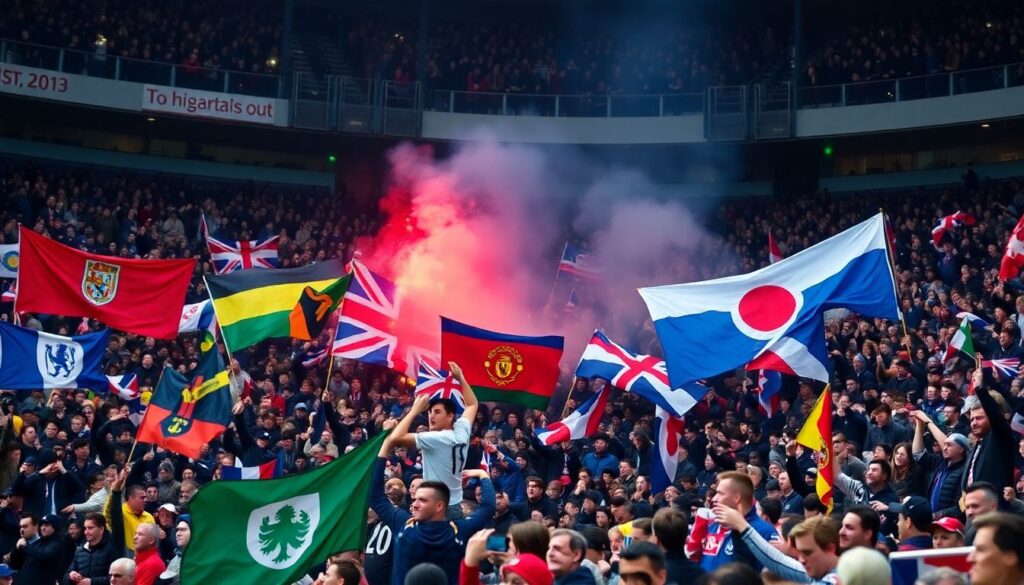
Describe what happens factually first, then present different interpretations without taking sides. Highlight that football is a public stage where wider political tensions become visible, and that disagreement about symbols is part of ongoing identity negotiation.
Is football always positive for integration in diverse societies?
No. It can open common spaces and shared emotions, but it can also produce exclusion, stereotypes or discrimination. When explaining integration, show both integrative practices and conflictual episodes, and relate them to conditions beyond the stadium.
What practical angle works best in Spain for this topic?
Use examples from recent tournaments with La Roja, regional club rivalries and debates about flags and languages. This keeps the discussion concrete and helps audiences see how national and regional identities are negotiated through everyday football talk and practice.