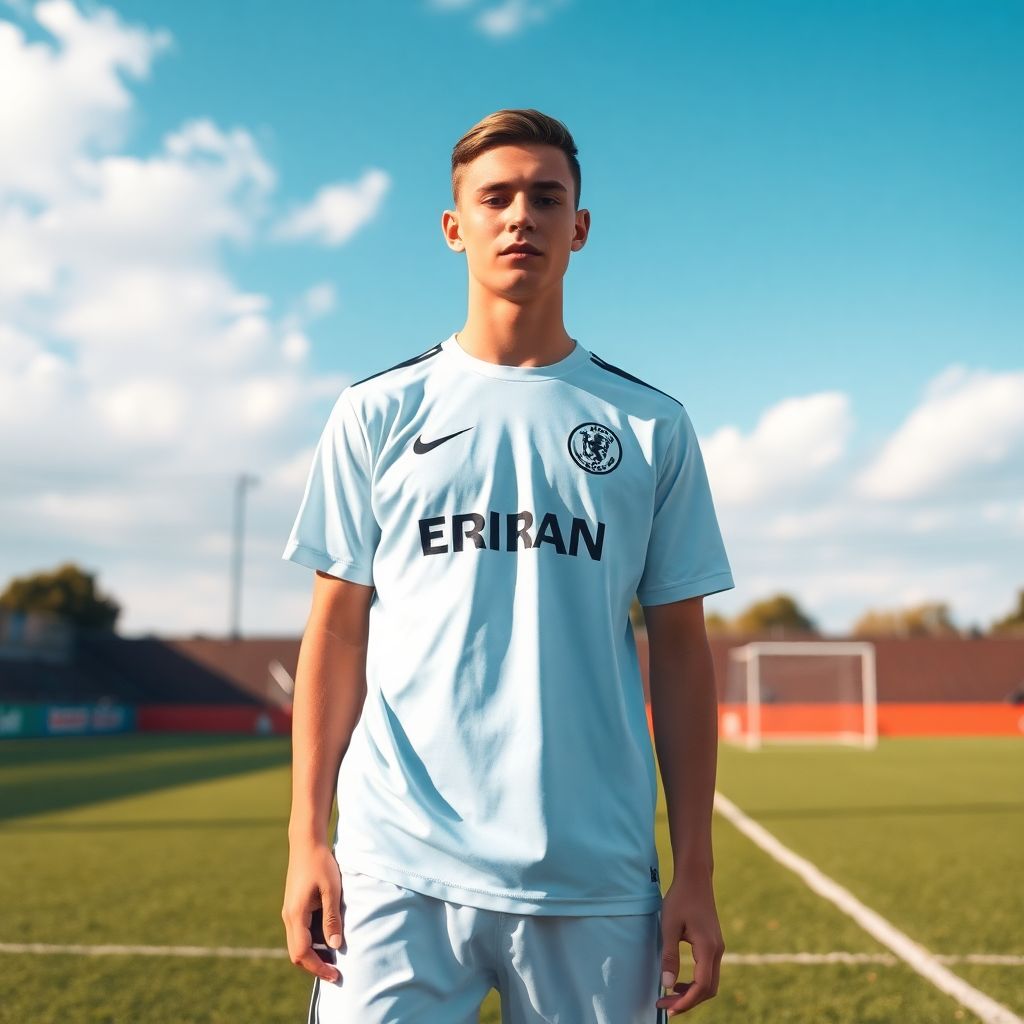
To construct a solid «footballer self» in the digital era, define clear boundaries between your private life and your public persona, pick 1-2 main platforms, and publish consistent, safe content. Use simple storytelling, a recognisable visual style, and ethical collaborations while protecting contracts, privacy and long‑term reputation.
Core principles for crafting the ‘footballer self’
- Decide what you will never publish (family, location, medical data) before posting anything.
- Use social media as a professional tool: football first, lifestyle second, opinions very carefully.
- Focus on one clear narrative: who you are as a player and what you stand for.
- Maintain visual and tone consistency across platforms to support recognisability.
- Choose collaborations and an agencia de influencers deportivos that fit your values and club rules.
- Plan for crises in advance: hacked account, controversial post, or conflict with sponsors.
Distinguishing on-field persona from off-field identity
For most players, creating a differentiated «yo futbolista» online is useful once you have stable participation in a team (academy, semi‑pro or professional). It helps you work on estrategias de personal branding para deportistas without sacrificing your private identity.
However, there are moments when pushing a strong online persona is risky or should be limited:
- When you are in contract negotiations or transfers, where speculation on social media can create tension.
- When you have ongoing disciplinary or legal issues: silence and legal advice usually work better than content.
- When your club explicitly restricts certain types of content (politics, betting brands, unofficial kit sponsors).
- When online pressure fuels anxiety or harms your on‑field performance; then, reduce exposure or delegate accounts.
A useful approach is to design three layers of identity:
- Core player identity: position, style of play, work ethic, values related to football (teamwork, resilience, fair play).
- Selective personal side: hobbies, learning, community projects you are comfortable sharing.
- Private zone: relationships, real‑time locations, finances, sensitive beliefs – this stays offline.
Choosing platforms and content formats that match your career stage
Before worrying about marketing deportivo en redes sociales, decide which platforms you can realistically manage. More is not better: it is safer and more effective to go deep on one or two channels than to be weak everywhere.
Minimum tools and accesses you will need:
- Professional email (ideally separate from your personal one) linked to all accounts.
- Secure password manager and two‑factor authentication on each platform.
- Access to your club’s or agent’s media rules, so your gestión de redes sociales para futbolistas profesionales stays compliant.
Platform choices by career stage (adapt to your reality):
- Academy / early semi‑pro: Instagram + TikTok for highlights, training, and personality; optional YouTube Shorts for compilations.
- Established pro in Spain: Instagram + X (Twitter) for match‑day voice, community, and local media; LinkedIn if you are preparing for post‑career projects.
- International profile: Add YouTube (longer content, documentaries, vlogs) and possibly a simple personal website for sponsors and media.
Basic content formats to master:
- Short vertical video: training clips, skill moves, match snippets you are allowed to publish.
- Photo carousels: match‑day sequences, behind‑the‑scenes, community work.
- Stories or fleeting content: safer space for informal, low‑risk updates that disappear, but still respect privacy and contracts.
Structuring your narrative: hooks, arcs and recurring themes
Before following any tutorial on cómo crear marca personal como futbolista, understand the main risks and limits of public storytelling:
- Sharing injuries or medical details can conflict with club communication strategy and affect your market value.
- Commenting on referees, teammates, coaches or politics can violate regulations or sponsor expectations.
- Posting from private spaces (home, school, children’s locations) exposes you and others to security risks.
- Over‑promising in public («I will definitely sign here», «I never work with betting brands») can limit future options.
- Content that looks like betting, gambling or alcohol promotion can damage future collaborations and even competition licences.
Once those limits are clear, build your narrative step by step.
-
Define your core story in one sentence
Write a simple line that guides every post, for example: «Left‑back from Sevilla chasing professional football, sharing my work on and off the pitch.» This sentence becomes your bio and internal filter: if a post does not fit, reconsider it. -
Choose 3 recurring themes
Pick and stay loyal to a few content pillars so followers know what to expect.- Football work: training, matches, analysis of your role.
- Personal growth: studying, language learning, mental preparation.
- Community: local projects, charity, connection with fans.
-
Create simple hooks for posts
A hook is the first line or first second of video that makes people stop. Keep it honest and specific, not clickbait.- Examples: «What I changed this season to improve my stamina», «One drill I use before every match in La Liga F».
- Avoid: exaggerations, attacks on others, sensitive rumours about your club.
-
Design repeatable formats
Recurring formats make content easier and safer because you know the frame in advance.- «Matchday routine»: same structure every game (breakfast, arrival, warm‑up, final thought).
- «Training Tuesday»: one drill, why you use it, and a safety note for younger players.
- «Off‑the‑pitch»: book, study, or hobby that adds depth beyond football.
-
Use captions to add context and responsibility
Do not just post a photo; explain what people see and how it fits your journey.- Template: «Today’s session focused on [aspect]. I’m working on [specific goal] for the next matches.»
- Add disclaimers when needed: «This drill is part of my professional plan; young players should always train with coach supervision.»
-
Plan a weekly content micro‑schedule
Keep it realistic: 2-4 quality pieces per week are enough for most players.- Example: Monday – recovery or analysis; Wednesday – training; Friday/Saturday – match preview; Sunday – reflection (respecting club media rules).
- Reserve a time slot to review each post calmly before publishing, checking for privacy and contract issues.
-
Review and adapt with your team
If you work with an agent, club media, or an agencia de influencers deportivos, align expectations.- Share your content plan and forbidden topics list.
- Ask for feedback after key posts (announcement, injury, transfer) to learn what worked and what is risky.
Designing a consistent visual identity: photo, kit and motion guidelines
Use this checklist to evaluate whether your visual identity is coherent and safe:
- Your profile photos across platforms clearly show your face, with neutral or football‑related background.
- Your username is professional and similar everywhere (avoid inside jokes, offensive words, or club‑confusing names).
- Your bio mentions your role, club or level when allowed, and contact channel for professional enquiries.
- Match photos prioritise official kit; you respect league and sponsor visibility rules in Spain and Europe.
- Training videos are stable (no dangerous stunts), filmed horizontally or vertically with clear framing.
- You avoid posting content from treatment rooms, tactical boards, or private team meetings.
- Colours and fonts you use are simple and readable; no imitation of club logos that could cause legal problems.
- Thumbnails do not exaggerate or show others in an embarrassing way without explicit consent.
- Highlight covers (Stories, playlists) use a small, consistent set of icons: ball, gym, books, community.
- Before posting, you zoom in to check if any sensitive information appears (documents, screens, numbers on doors).
Growing audience and monetizing ethically: sponsorships, activations and community
Many players rush into marketing deportivo en redes sociales without understanding the risks. Watch out for these common mistakes when growing and monetising:
- Accepting deals that conflict with club sponsors, league rules, or your own values.
- Promoting products you do not use or understand (supplements, betting, financial schemes).
- Not reading contracts carefully: length, exclusivity, content approval, and termination clauses.
- Letting brands dictate your voice so strongly that followers stop trusting you.
- Buying followers or engagement, which damages credibility and can scare serious sponsors.
- Doing too many ads in a short period, turning your feed into a catalogue instead of a real story.
- Ignoring tax, invoicing and legal obligations in Spain when income starts to grow.
- Sharing private conversations with fans or teammates to look funny, creating trust and legal issues.
- Working with agencies that promise quick money but do not respect your boundaries or long‑term career.
- Neglecting the community aspect: not replying to reasonable comments, ignoring grassroots supporters or local clubs.
Safe monetisation ideas that usually align with ethical estrategias de personal branding para deportistas:
- Collaborations with sports brands you genuinely use, with clear «ad» or «sponsor» mention.
- Appearances in clinics, campus, or online masterclasses that help younger players.
- Long‑term partnerships with education, health, or community projects aligned with your identity.
Reputation risk control: contracts, privacy and crisis playbook
Sometimes the safest option is to limit your presence or use alternatives that reduce exposure while still supporting your career.
-
Delegated management with clear rules
Work with a trusted social media manager, agent, or agencia de influencers deportivos who posts for you under written guidelines. You approve key content, and they filter opportunities, while respecting club rules and Spanish law. -
Low‑profile but professional presence
Instead of constant posting, maintain updated, clean profiles with basic information, a few strong posts, and contact details. This suits players who dislike social media but still need a minimal footprint for scouts and sponsors. -
Closed or limited‑audience accounts
Keep one private account only for close friends and family, and a separate public «footballer» profile. Never mix them. On the private side, still avoid sharing locations, club secrets, or anything that could leak and damage you. -
Crisis response protocol
Prepare a simple written plan for incidents: hacked account, viral negative clip, or misinterpreted post. It should include who to call first (agent, club media, lawyer), how to respond (or stay silent), and when to publish a short, clear clarification.
Practical answers to recurring player dilemmas
How much time should I spend on social media compared to training?
Give priority to training, recovery, and analysis. Reserve a fixed, short window after sessions or on rest days for social media tasks, so your gestión de redes sociales para futbolistas profesionales does not steal focus from performance.
Is it safe to let brands send me scripts for sponsored posts?
Yes, if you review and adapt them. Make sure every script matches your real experience, local advertising rules in Spain, and your club’s guidelines. Never publish claims you know are exaggerated or false.
Should I answer every message from fans?
No. It is enough to reply to some comments and a small selection of respectful messages. Avoid private conversations that become too personal, and never share screenshots of messages without explicit consent.
Can I post videos from the dressing room or team bus?
Only if your club allows it and everyone visible agrees. Never show tactical boards, injured teammates in vulnerable moments, or private conversations. When in doubt, do not post.
Do I need a manager or agency to grow my personal brand?
You can start alone with simple estrategias de personal branding para deportistas. Consider a specialised agency or agent when offers become complex or frequent, but always keep final control over your image and contracts.
How do I handle hate or insults in comments?
Do not engage emotionally. Use platform tools to filter or block, and report serious threats. If harassment escalates, involve your club, agent and, if necessary, legal support.
What is the minimum I should do if I hate social media?
Keep one or two clean profiles with a professional photo, short bio, and occasional updates on matches or projects. That way, scouts, media and sponsors can still find basic, reliable information about you.