
Pain in professional football is not only a medical symptom but a philosophical problem about the body, sacrifice and risk. It involves how players understand their own bodies, how clubs value performance over health, and how culture turns suffering into heroism. Clarifying these layers changes decisions about training, treatment and retirement.
Conceptual anchors: body, pain and professional risk
- Pain in elite football is shaped by culture, economics and identity, not just tissue damage.
- Myths that glorify suffering can normalise self-harm and silence informed consent.
- Stoicism, phenomenology and utilitarianism offer useful but limited lenses on sacrifice.
- The lived body of the player is central: how pain is felt, narrated and negotiated.
- Systems around the player (club, media, contracts) influence return-to-play ethics.
- Better prevention, communication and policy can align performance with long-term health.
Myths first: debunking common beliefs about pain and injury in football
In professional football, pain is often framed through simple slogans: «play through it», «no pain, no gain», «real men don’t complain». These myths hide the complexity of pain and turn serious lesiones en el fútbol profesional prevención y tratamiento into a question of character rather than a medical and ethical issue.
The first myth is that pain is a reliable indicator of damage. In reality, players can have serious structural problems with little pain, and they can feel intense pain without new damage, especially in chronic conditions. This misunderstanding affects how athletes report symptoms and accept or reject treatment.
A second myth is that «if the doctor clears you, you must play». Clearance is rarely absolute; it is a balance of risks and benefits under uncertainty. When contracts, bonuses and selection are at stake, players may feel that «consent» is just a formality, not a free choice, which complicates return-to-play decisions.
A third myth is that sacrifice is always virtuous. Playing injured is sometimes praised as loyalty, but it may reduce career length, worsen rehabilitación de lesiones deportivas futbolistas profesionales and send a damaging message to younger players. Philosophically, turning self-harm into heroism raises questions about autonomy, coercion and how clubs value the human body.
Philosophical frameworks: stoicism, phenomenology and utilitarian lenses on suffering
- Stoicism: mastering reactions to pain. Stoicism distinguishes between what we can control (attitude, choices) and what we cannot (injuries, referees, weather). For injured players, this means working on courage and discipline without denying vulnerability. It supports resilience, but if misused it can silence legitimate complaints and reinforces harmful ideals of toughness.
- Phenomenology: the lived body on the pitch. Phenomenology focuses on how we experience our body «from within». For a footballer, an injury changes the body from a transparent tool into an obstacle constantly demanding attention. This shift explains why even minor pains can destroy confidence and timing, and why psicología del dolor en deportistas de alto rendimiento is as crucial as medical imaging.
- Utilitarianism: maximising overall welfare. A utilitarian view asks which choice brings the best balance of wellbeing and harm for everyone affected: the player, team-mates, club staff and supporters. It is useful for thinking about risk tolerance, but can become dangerous if the player’s long‑term health is sacrificed for short‑term team success or financial gain.
- Care ethics: relationships over abstract rules. Care ethics highlights dependence and trust. An injured player relies on doctors, physios, coaches and agents. The quality of listening, honesty about risks and willingness to protect the player against pressure are moral duties, not extras. This framework helps reframe medical teams as guardians, not service providers.
- Existentialism: freedom, choice and responsibility. Existentialist thought insists that even under pressure, players choose how to respond to pain and risk. Signing a contract, accepting an injection, playing through chronic pain: each decision shapes identity. This lens invites more explicit reflection, supported by cursos de filosofía del deporte y ética en el fútbol, on what a «good» career means beyond trophies.
The embodied player: lived experience of injury and altered bodily awareness
Philosophical ideas become concrete when we look at typical scenarios in professional football. Each involves a specific way of inhabiting the body and interpreting pain.
-
Acute traumatic injury in competition.
A winger feels a sharp «pop» in the knee during a sprint. On the pitch, time slows down: they know «something is wrong» even before scans. Phenomenologically, the knee stops being invisible and becomes the centre of experience. Stoic training can help manage panic, but medical staff must validate fear, not just performance concerns.
-
Chronic overload without a clear diagnosis.
A veteran midfielder plays with persistent groin pain for months. Tests show nothing dramatic, and the club emphasises their tactical importance. Here, the body feels unreliable and foreign. This is where psicología del dolor en deportistas de alto rendimiento and narrative work («how do I tell the story of my pain?») are as important as physical therapy.
-
Return after major surgery.
A defender returns after ACL reconstruction. Medically, the ligament is strong, but every pivot triggers a flash of fear and hyper-awareness of the knee. The player oscillates between trusting and doubting their body. Good rehabilitación de lesiones deportivas futbolistas profesionales integrates drills that rebuild not only strength and proprioception but also confidence and a sense of bodily wholeness.
-
Invisible pain under contract pressure.
A young striker on their first big contract develops back pain. They worry that reporting it will label them as «fragile». So they self-medicate and hide symptoms. Their lived body becomes a battlefield between professional dreams and real discomfort. A culture that normalises early reporting, aligned with serious lesiones en el fútbol profesional prevención y tratamiento protocols, can change this trajectory.
-
Ageing body and preparation for retirement.
A 34-year-old goalkeeper knows their career is close to the end. Everyday stiffness and pain shape how they think about future quality of life. Philosophically, the body becomes a long-term project, not just a tool for performance. Reading libros sobre filosofía del deporte y fútbol profesional and working with support staff can help them reinterpret decline as transition, not failure.
Sacrifice and identity: how careers, masculinity and team culture shape pain narratives
Sacrifice is central to football identity. However, not all sacrifice is equal, and not all is freely chosen. Below are typical strengths and positive aspects of sacrifice culture, followed by its limitations and risks.
Potential strengths of sacrifice narratives
- Commitment to shared goals. Playing with manageable discomfort can express loyalty and inspire team-mates, reinforcing cohesion and a sense of belonging.
- Development of resilience. Facing adversity on the pitch can teach players to handle frustration, uncertainty and setbacks, skills that carry into life after football.
- Meaning-making of pain. Interpreting pain as part of a meaningful project (title races, national team duty) can reduce suffering and support adherence to long rehabilitation processes.
- Role modelling disciplined self-care. When leaders openly balance rest, treatment and effort, sacrifice is redefined as intelligent self-management, not reckless self-destruction.
Limitations and ethical risks in sacrifice culture
- Coerced heroism. When «choice» happens under financial, media or internal team pressure, players may accept harmful treatments while feeling they cannot truly say no.
- Rigid masculinity norms. The idea that «real men don’t feel pain» discourages honest reporting and stigmatises psychological support, increasing the risk of long-term damage.
- Identity collapse after injury. If self-worth is tied only to playing through pain, a major injury can produce existential crisis, depression and loss of direction beyond football.
- Intergenerational harm. Young players learn by imitation. Celebrating extreme sacrifice without reflection can normalise dangerous behaviours across academies and amateur levels.
Systems of pressure: medical protocols, club economics and the ethics of return-to-play
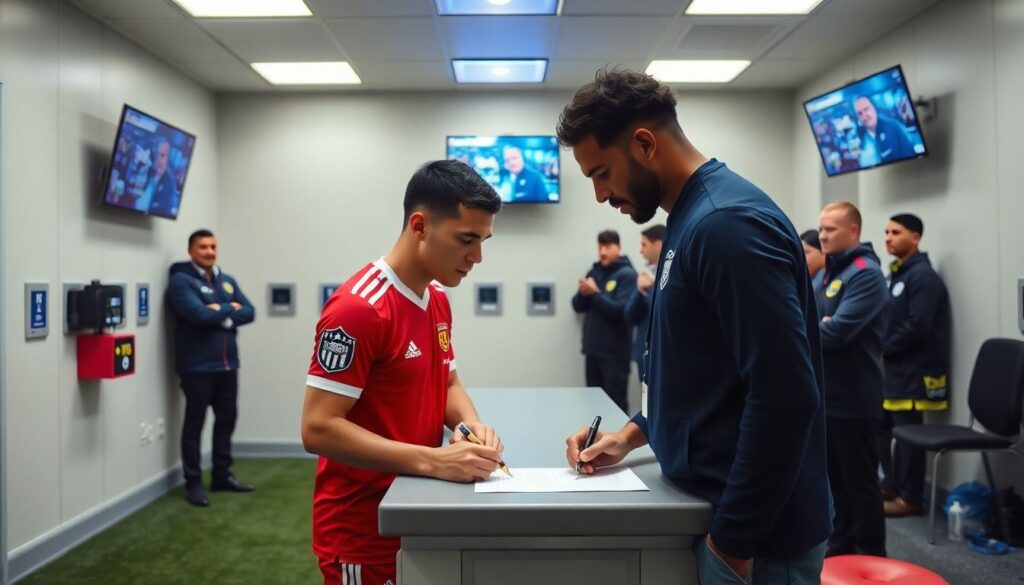
Risk decisions in professional football rarely happen in isolation. Clubs, competitions and media create structural pressures. Several recurring errors and myths appear when ethics are ignored.
- Treating consent as a signature, not a dialogue. Players may sign off on injections or early returns without fully understanding long-term consequences. Ethical practice means repeated, plain-language explanations and time for questions, not rushed decisions on matchday.
- Confusing «fit to play» with «safe for the career». Medical clearance often answers a narrow question: «can they play this match?». The deeper question is whether playing now raises unacceptable risk for future function and post-career life, especially with recurrent or degenerative problems.
- Over-reliance on painkillers and invasive quick fixes. Systemic incentives (results, contracts, transfer values) can push towards pharmacological masking rather than addressing load, technique or rest. This undermines authentic lesiones en el fútbol profesional prevención y tratamiento strategies aimed at long-term health.
- Underestimating the role of education and culture. Clubs may invest in technology but neglect regular talks, workshops or cursos de filosofía del deporte y ética en el fútbol that help players think critically about sacrifice, autonomy and health.
- Lack of independent medical voice. When medical staff are structurally subordinate to coaching or management, it becomes harder to prioritise long-term player welfare over immediate sporting interests.
From theory to practice: prevention, compassionate care and policy recommendations
Bringing philosophy into everyday club life is less abstract than it seems. Below is a compact scenario showing how a club might integrate these ideas into practice.
Mini-scenario: ethical management of a chronic knee problem
- Initial assessment and narrative. A 27-year-old full-back reports recurring knee pain. Alongside imaging, the doctor asks: «When did you first notice this? What worries you most?». The player shares fear of losing their position and contract, not only pain intensity.
- Shared framing of the situation. In a short meeting, doctor, physio, psychologist and player discuss findings. They differentiate goal 1 (finish the season) from goal 2 (protect long-term function). Stoic ideas (focus on controllable actions) and phenomenological insights (respecting lived fear) shape the conversation.
- Plan combining prevention and rehabilitation. The physio proposes a load-management programme and specific rehabilitación de lesiones deportivas futbolistas profesionales exercises. The psychologist works on confidence and attentional strategies for matchday. The coach agrees to rotation and modified training, treating this as high-performance optimisation, not weakness.
- Ethical decision on match availability. Before a crucial fixture, risks are reviewed again. The doctor states clearly what is known and unknown, including possible long-term consequences. The player is explicitly told that «no» is acceptable, and the club confirms that selection decisions will not punish an informed refusal.
- Reflection and institutional learning. After the season, staff and players discuss the case (anonymised if needed). They connect it with material from libros sobre filosofía del deporte y fútbol profesional and internal guidelines. Lessons learned feed into updated protocols for lesiones en el fútbol profesional prevención y tratamiento, screenings and education sessions.
This type of scenario can be adapted for other situations: managing concussion, negotiating injections before a final, or preparing ageing players for retirement. The core is always the same: treat the player as an embodied, thinking person whose pain has physical, psychological and ethical dimensions.
Practical queries on consent, chronic pain and duty of care
How can players distinguish «normal» training pain from warning signs?
Pain linked to effort usually fades with rest and does not limit basic movements. Warning signs include pain that worsens over days, night pain, joint locking or giving way, and loss of function. When in doubt, early assessment is safer than waiting.
Is it ethically acceptable to play an important match with an injection?
It depends on informed consent, risk level and available alternatives. The player must understand short- and long-term consequences, feel free to refuse, and have confirmation that the injection will not significantly increase the chance of serious or permanent damage.
What role does psychology play in long-term pain after injury?
Psychological factors influence how pain is noticed, interpreted and tolerated. Fear of re-injury, identity loss and pressure from club or media can amplify suffering and delay return. Integrating psychological support into rehabilitation is part of responsible duty of care.
How should coaches talk about toughness without glorifying self-harm?
Coaches can praise commitment to preparation, intelligent risk-taking and honest communication, rather than silence or extreme sacrifice. Highlighting examples where players protected their bodies and still had successful careers helps reframe toughness as wise self-management.
Are philosophical courses really useful for medical and technical staff?
Well-designed cursos de filosofía del deporte y ética en el fútbol give shared language for discussing dilemmas, clarify concepts like autonomy and consent, and improve communication with players. This supports more coherent club policies on injuries and return-to-play.
What can young players in academies learn about pain and sacrifice?

They should learn basic body awareness, when to report pain, how contracts and power relations work, and that a good career includes health after retirement. Early exposure to reflective discussions helps them resist harmful myths about masculinity and invincibility.